
Buffet restaurants have become synonymous with variety and value, drawing substantial interest from both diners and entrepreneurs alike. For business owners, understanding the unique characteristics of this dining format is crucial for crafting a successful establishment. This article delves into the definition and characteristics of buffet restaurants, the customer experience they provide, and the economic implications of implementing this dining model. Each chapter contributes essential insights tailored to inform and inspire owners looking to thrive within this competitive space.
Buffet Restaurants Unfolded: A Self-Serve Tapestry of Taste, Value, and Community
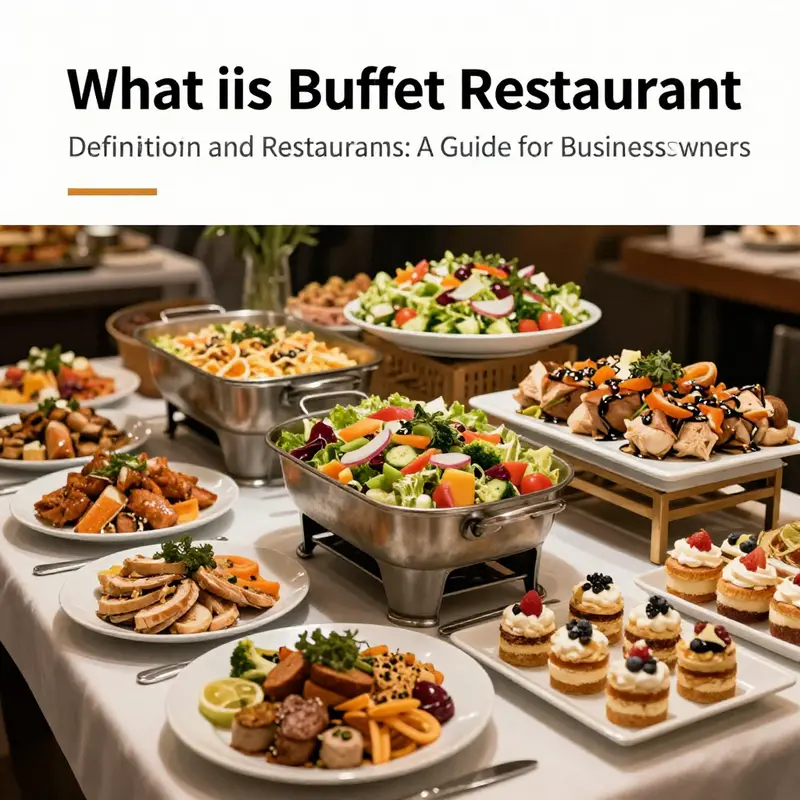
A buffet restaurant is more than a way to eat; it is a social arrangement that foregrounds choice, pacing, and the shared orbit of a dining space. The word buffet itself hints at a casual, self-guided experience in which guests move along a display line and select from a broad spread of dishes. The self-service format invites people to curate their own plates, from a modest tasting to a hearty, multi-item feast, all within a single fixed price often charged per person. This model, now widespread in hotels, resorts, cruise ships, and family-oriented dining concepts, rests on a simple premise: abundance without the pressure of a waiter watching over every order. Yet within that simplicity lies a carefully choreographed system designed to welcome large groups, accommodate diverse tastes, and move efficiently through meals that may last from a quick lunch to a leisurely dinner.
The term itself carries a hint of history. It traces back to French origins, where a bite or small plate came to describe an informal, self-serve approach to meals. Over time, the buffet format evolved into a structured arrangement that combines variety with speed. At its best, a buffet offers a tapestry of choices—hot entrees, vegetables, salads, breads, desserts, and beverages—so diners can compose a meal that fits their appetite and mood. The heart of the concept is the continuum it creates: guests arrive, map out a path along the display line, and gradually decide how much they want to sample, all without the timing constraints of menu-based service.
What makes a buffet restaurant distinctive goes beyond the broad range of dishes. The layout itself is a narrative, often organized into functional stations that guide the eye and the hand. There are hot food counters where steam and aroma mingle, a salad bar for greens and toppings, a dessert zone that promises something sweet at the end, and a beverage station that can range from simple juices to crafted coffees. Some modern buffets experiment with thematic stations—an area devoted to grilled meats, another for pasta, or a sushi-backed counter—creating a microcosm of culinary cultures within one venue. This diversity is not merely about offering more items; it is about providing the freedom to compare textures, pastry methods, spice profiles, and regional flavors side by side. In practice, the all-you-can-eat promise remains a central lure, with fixed pricing that lets diners explore without the anxiety of overage costs for every plate.
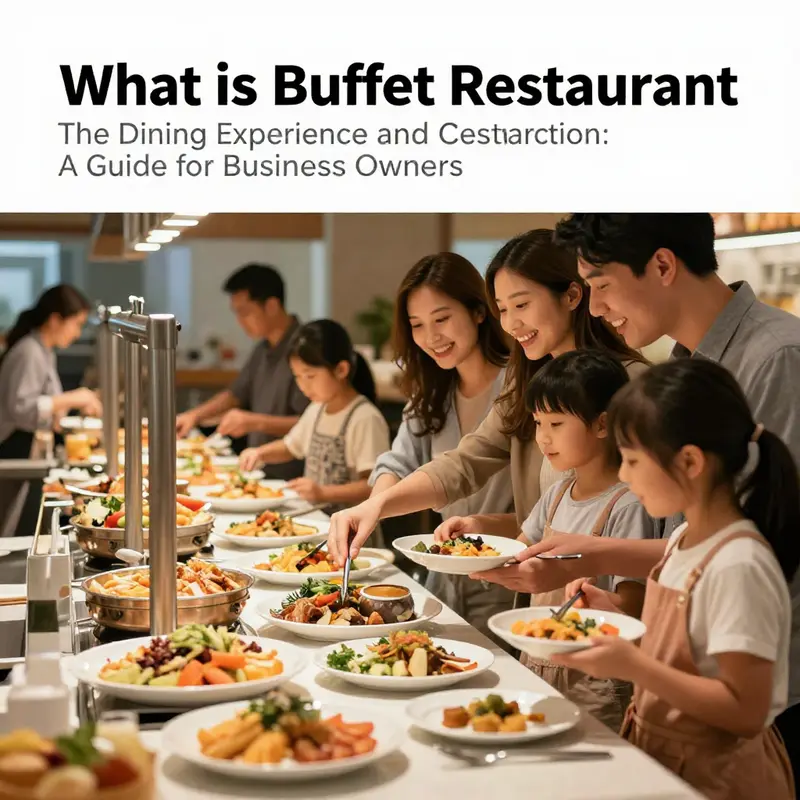
The social dimension is also a core feature. Buffets often attract families, friends, and colleagues gathering for a shared meal, where conversations mingle with the clatter of plates and the hiss of hot pans. The self-service nature can democratize dining, allowing children and adults to approach the spread with equal autonomy. In many locations, buffets function as convenient stopovers for travelers in hotels and resorts, where a single meal can be a mini-ordeal of planning—checking schedules, meeting a group, and refueling after a day of activities. This inclusive design moderates service needs and creates a sense of communal dining, even when guests are eating at their own pace.
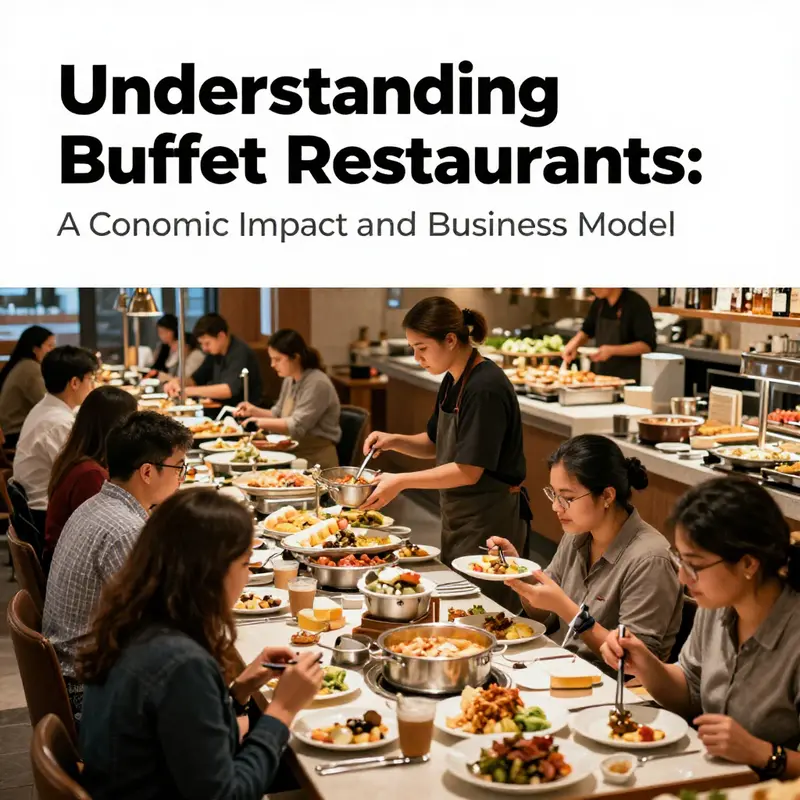
Behind the scenes, the operation of a buffet restaurant is a study in balance. The kitchen and service teams work to keep the display fresh and appetizing, with hot dishes kept at safe temperatures and cold items presented at the right chill. The replenishment rhythm matters just as much as the selection itself. Frequent restocks ensure that dishes remain enticing and safe, while proper labeling helps guests navigate choices, identify potential allergens, and make quick decisions. Cleanliness and organization are essential in transforming a long line of food into a confident, enjoyable meal rather than a chaotic sprint. Patrons rarely notice every subtle adjustment, but they will feel the difference when a station feels sparse or a tray sits empty for too long. A well-run buffet achieves a delicate equilibrium between abundance and disciplined hygiene.
For many diners, the appeal lies in the opportunity to sample a spectrum of cuisines in one sitting. A single plate can carry a fusion of tastes—perhaps a slice of roasted meat alongside a salad bright with citrus, a small helping of noodles, and a sliver of pastry for contrast. This portability of choice makes buffets especially appealing to guests with diverse dietary preferences. The same space that serves a crowd also invites personal experimentation: a moment to test a beloved comfort dish next to a new, unfamiliar flavor. The result is a meal that feels personal and social at the same time, a rare blend of independence and shared experience.
Of course, the buffet format invites comparisons with other dining models. Unlike a traditional table service restaurant, where a single menu path is followed and portions are focused, a buffet emphasizes range and pacing. The pricing model—often a fixed price enabling unlimited visits to the spread—represents a different kind of fairness and value. Guests can adjust their consumption to appetite, a feature that can seem liberating or daunting, depending on context. The best buffets manage this tension by offering clear portion cues, sensible planning guidance, and options that cater to varying appetites throughout the day. The result is a dining experience that feels attentive yet unhurried, where visitors can steer their own culinary journey without theatrical service constraints.
For those who care about consistency and quality, evaluating a buffet goes beyond the visible abundance. A good buffet balances flavor, freshness, and temperature control. The aroma of well-prepared hot dishes, the crispness of vegetables, and the sheen on a well-glazed sauce all communicate competence. A clean, intuitive layout helps guests find favorites and discover new items without wading through clutter. Allergen labeling and ingredient transparency are increasingly valued, turning a simple meal into a more confident one for guests with dietary restrictions. Beyond food, the setting also matters: comfortable seating, appropriate lighting, and a lunchtime energy that doesn’t feel rushed, even during peak hours. A well-tended space reinforces the idea that choosing many items can still feel deliberate and satisfying.
For travelers or families seeking practicality, buffets offer a way to maximize different experiences in a single transaction. A family might use a buffet as a convenient solution for a quick, diversified dinner after a long day of sightseeing, while a business group may appreciate the flexibility to arrange colleagues around a casual, shared meal. The breadth of options encourages conversation about preferences, sparking a kind of culinary socializing that is less common in single-dish restaurants. In this sense, buffet dining becomes more than a meal; it becomes a flexible platform for connection, exploration, and a sense of abundance that suits diverse tastes and tempos.
To glimpse how the concept translates into real-world dining, explore a sample buffet setting that showcases the breadth and workflow described above. royal-buffet offers an example of how a modern buffet can balance variety, efficiency, and guest comfort in an accessible format. While every buffet has its own personality and specialties, the underlying principles—self-service autonomy, broad selection, and a thoughtful approach to replenishment and hygiene—anchor the experience across contexts.
External resources on best practices in buffet design and operation reinforce these observations. For those seeking a broader, industry-informed perspective, the National Restaurant Association provides in-depth discussion of trends, safety standards, and operational strategies that shape how buffets function in contemporary dining culture: https://www.restaurant.org/industry-insights/buffet-restaurants-trends-and-best-practices
null
null
null
null
Final thoughts
Buffet restaurants represent a unique opportunity for business owners to provide value through variety and self-service, making them a popular choice in the dining landscape. Understanding their distinct characteristics, the customer experience they foster, and their economic implications is vital for any owner considering this model. Embracing the buffet concept can not only enhance customer satisfaction but also drive profitability. To succeed, focus on the quality of food, efficient service, and a welcoming atmosphere. With the right approach, a buffet restaurant can become a rewarding venture.