
For business owners in the dining industry, understanding the nuances of buffet pricing can offer significant advantages. Unlike traditional restaurants, buffet eateries operate under a unique model where a fixed fee grants unlimited access to a variety of dishes. The initial chapter delves into standard pricing structures and their variations, enabling restaurant owners to tailor their pricing strategies effectively. Following that, we will explore the factors that influence buffet pricing, from food costs to market demand. Finally, the article will assess the customer experience, illustrating how perceived value can significantly impact your buffet restaurant’s reputation and profitability.
When a Buffet Charges: How Pricing Structures Shape Value, Choice, and the Dining Experience
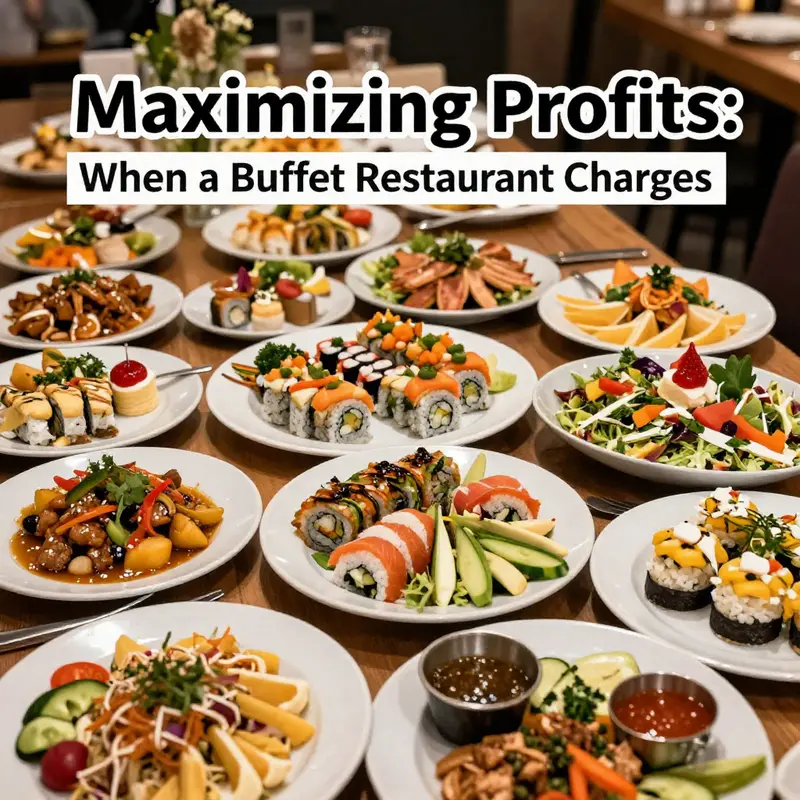
Pricing at a buffet restaurant is more than a ticket price. It is a carefully engineered system that blends supply, demand, and the psychology of value into a single dining experience. The moment a customer steps in, the price line is already telling a story about what lies ahead: abundance, variety, and the discipline of choosing when every dish competes for attention. The fixed-per-person fee acts as a key that unlocks access to a landscape of options, where the real calculation emerges not in the first plate, but in the last bite, and in how well the experience aligns with what the diner hoped to get for their money. In many venues, that initial sum grants unlimited access to the spread—appetizers, main courses, desserts, and often beverages—yet the subtleties of the pricing model reveal themselves as soon as the door closes behind you. This is not merely about how much you eat; it is about how much value you perceive, how the kitchen manages waste, and how the business balances variety with sustainability, all while keeping a predictable profit line from peak hours to quiet midafternoon shifts. The most common model, the all-you-can-eat fixed price, is the baseline against which all other variations are measured. You will typically find this in standard buffets where the range of greens, proteins, and starches forms a dependable, affordable anchor for families and workers seeking predictable budgeting. The price range often glides between modest and modest-plus, roughly reflecting the restaurant’s location, the standard of ingredients, and the complexity of the presentation. A mid-range buffet might sit somewhere in the low to mid-teens per person for lunch, rising into the upper teens or low twenties for dinner, when the line includes hotter stations, additional carving boards, or a broader dessert selection. The higher end, especially in hotel or resort settings, is justified by the promise of premium ingredients, international dishes, and live-action stations. Here, a brunch or dinner can push toward the forties or even higher, driven by seafood displays, prime cuts, and the spectacle of chefs at work. The pricing logic, then, extends beyond the raw cost of the produce and labor. It is about the perceived significance of the experience—the ambience, the service cadence, the speed of refill, and the confidence that what you wanted most on the plate is available when you want it. This is where specialty formats come into play. Health-focused or diet-conscious concepts command premium pricing not only because of the quality of ingredients but also due to the curated nature of selections, the sourcing standards, and the careful balance of macro- and micronutrients that modern diners seek. A salad-and-soup combo, for example, may add a rotating array of soups and health-forward add-ins, nudging the price upward in line with the extra preparation and variety. The pricing story then branches into dynamic and promotional strategies. Some operators experiment with time-based pricing—lunch vs. dinner—as a mechanism to manage demand and optimize capacity. Others reward recurring guests through loyalty programs, monthly passes, or special membership perks that effectively raise or lower the long-run price per visit depending on one’s frequency and appetite. Themed nights—Italian Night, Seafood Night, or Nascent Global Tasting events—can elevate the per-person price but also increase the perceived value by offering exclusive dishes or entertainment. For diners, such promotions are a reminder that value is not a single number but a spectrum of experiences calibrated to appetite, occasion, and expectation. Location remains a powerful determinant of price. Urban centers, with heightened operating costs and a higher willingness to pay, tend to price higher elsewhere, while suburban or rural settings often offer more accessible options. Airport and transit-area buffets may tilt prices upward again, capitalizing on convenience and the higher opportunity cost of time. In the end, the base price is not the entire bill. Many establishments layer in additional charges that can substantially alter the final amount. Alcohol service is a frequent separate line item, and even modest beverages can tip the scale for guests who come to savor a glass of wine with a premium spread. Child pricing follows a familiar pattern, with discounts aligned to age but not always linearly, creating another dynamic in family dining. Then there are service charges, taxes, and occasional discretionary fees that shift with local regulations. The result is a dining equation where value is a function of both price and what that price promises in terms of quality, variety, and experience. For customers, this makes planning essential. A quick check of the menu online can help set expectations and reduce disappointment, especially when seeking specific cuisines or premium stations. For example, a menu page like royal-buffet-menu can offer a window into what the posted price supports, from the scope of dishes to the presence of live stations or carving boards. Such online references help diners decide whether the price aligns with their appetite and their desire for variety, rather than relying on instinct alone. Yet even with transparent menus, the true test lies in the moment: the pace of service, the density of crowds, and how replenishment is managed as plates accumulate. If the line of sight into the kitchen promises freshness and reliability, the perceived value often rises, even when the price remains fixed. When one considers the broader literature on buffet performance and standards, the framing of price as a driver of perceived value becomes clearer. The dynamics of choosing, waste, and satisfaction all hinge on how the price is structured and communicated, not merely on the number printed on the wall. For a deeper academic context on standards and performance in buffet formats, see the detailed study linked in the external resources. External study.
Pricing at the Buffet Table: How Fixed Fees Reflect Cost, Quality, and Experience
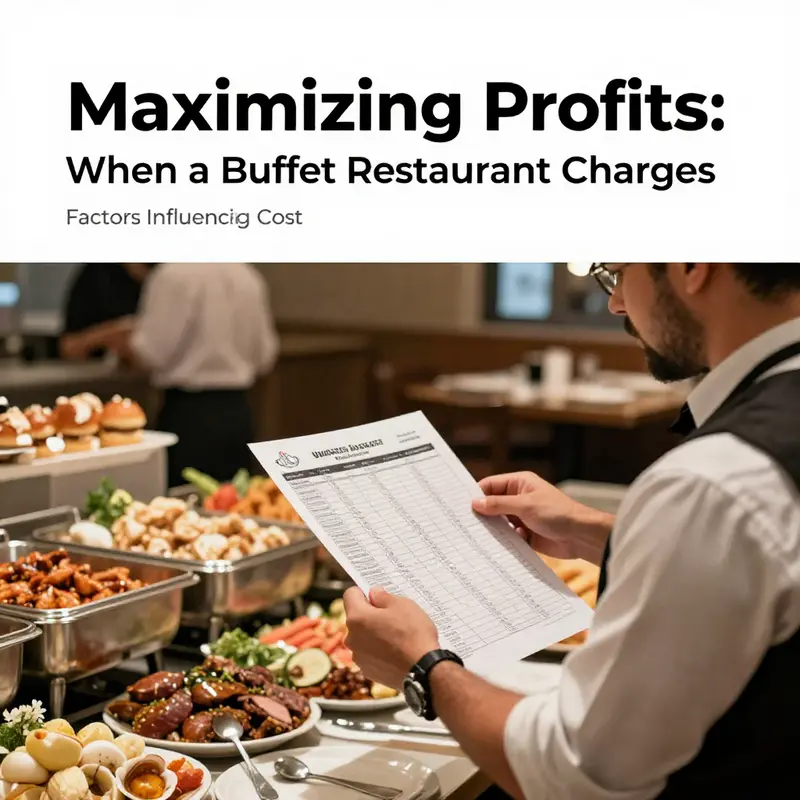
A fixed per-person price at a buffet is not merely a math problem of plates eaten and dollars spent. It is a compact statement about scale, skill, and the unseen work that makes a meal feel effortless. When a restaurant sets a single charge for all-you-can-eat access, it curates an experience as much as it inventories dishes. The price signals more than appetite; it communicates about safety, consistency, and the promise that the kitchen, the serving stations, and the dining room will function as a coordinated system from entrance to exit. In this light, the cost becomes a lens for understanding how a buffet conceives value, and why two buffets with similar menus can arrive at very different price points.
Among the most consequential factors shaping a buffet’s price is the operational backbone that keeps food safe, hot, and appealing during peak hours. Large, purpose-built equipment such as steam tables, soup warmers, and temperature-controlled display units are not glamorous. They are, however, the quiet engine of consistency. These units allow chefs to move quickly between stations while preserving texture and moisture, reducing waste, and meeting health standards. The capital required to acquire, maintain, and repair such equipment adds to overhead that must be recovered through menu pricing. A high-end setup with modular pans and energy-efficient designs can be expensive, and the cost is reflected in the menu, even before labor and ingredient costs are considered. The result is a pricing floor that rises with the degree of operational reliability a venue promises.
The type and scale of the buffet itself also matters. Salad-focused concepts, for example, often command higher prices when they emphasize premium ingredients—quinoa, kale, chia seeds, avocado, and artisanal dressings. Diet-specific options, whether vegan, keto, or gluten-free, can tilt price points upward because sourcing such items frequently involves higher unit costs and more careful inventory management. Salad and soup combinations, especially when seasonal or gourmet, add perceived value by offering a balanced meal in a single pass. In turn, the furniture and layout choices—rectangular tables for efficient flow, or trough-style setups with integrated temperature control for seafood or roasts—shape both the guest experience and the overhead of keeping dishes at safe temperatures. The result is a pricing geometry where the look and feel of the service reinforce the quality the price is meant to imply. A guest may not name the exact equipment behind the curtain, but they will notice the steadiness of heat, the freshness of greens, and the absence of soggy stations. Those impressions justify, in the guest’s mind, why the bill reads as it does.
Location and market positioning also play pivotal roles. A buffet in a high-rent urban area or within a luxury hotel setting can justify higher fixed fees simply because operating costs are higher—rent, staffing ratios, and security considerations all scale with location. Franchise or corporate models can compound these dynamics; a national-brand footprint often entails substantial upfront investments that must be recouped from daily sales. The price, then, is as much about the business plan as it is about the plate in front of a diner. When a restaurant aims for a premium position, the experience—from ambient lighting to the choreography of the buffet lines—becomes part of the value proposition. In such settings, diners may anticipate not only variety but a curated pacing of courses, a sense of exclusivity, and reliable service, all of which push the fixed price upward.
Yet a buffet is not a mere grab bag of ingredients; it is a narrative about what customers get for their money. The value proposition hinges on the balance between quantity and quality, speed and attentiveness, and the transparency of the costs involved. A generous selection can entice a crowd, but it must also maintain food safety, avoid waste, and deliver consistent taste across dozens of pans. That balance translates into pricing through a combination of menu design, time-of-day adjustments, and the occasional surcharge for premium items or beverages. Some venues may offer included beverages, while others mindfully segment drinks as an added cost in a separate line. Each choice communicates a different message about value and control. For diners, the lesson is to read the room as much as the sign on the door: a lower price may reflect trimmed variety or longer gaps between restocks, while a higher price may back a tighter service model and livelier, more freshly prepared dishes.
The chain of decisions driving price also intersects with consumer expectations. Guests often judge value by the perceived equity between what they pay and what they consume, the consistency of the dining experience, and the ease of navigation through the buffet layout. A well orchestrated service flow, clean stations, and timely replenishment reinforce a feeling of abundance, even when the day’s supply has limits. In this sense, pricing is a gamble on perceived generosity and reliability. The broader takeaway is simple: the price of admission to a buffet is a distilled summary of a complex ecosystem—equipment and maintenance, dish variety and quality, location-driven costs, and the intangible aura of a worry-free dining experience. When a reader encounters the price, they are actually encountering the kitchen’s ledger made visible at the doorway.
For readers seeking a concrete sense of how these dynamics translate into menu planning and pricing, exploring a typical buffet’s offerings can be illuminating. A straightforward way to peek behind the curtain is to look at the menu and price framework of a representative venue. You can explore the menu details and pricing structure here: Royal Buffet Menu. This internal resource provides contextual insight into how the menu composition and format influence perceived value and set the stage for pricing decisions across meals and settings.
As a broader reference that contextualizes these dynamics within the industry, an external perspective on pricing factors across dining concepts can shed additional light. A thoughtful analysis of the factors influencing restaurant and pub pricing offers general principles that echo the buffet-specific realities discussed above. See this external resource for a broader framework: https://www.linkedin.com/pulse/factors-influencing-restaurant-and-pub-pricing-john-doe/.
Charging for Abundance: How Buffet Pricing Shapes Experience, Perception, and Value
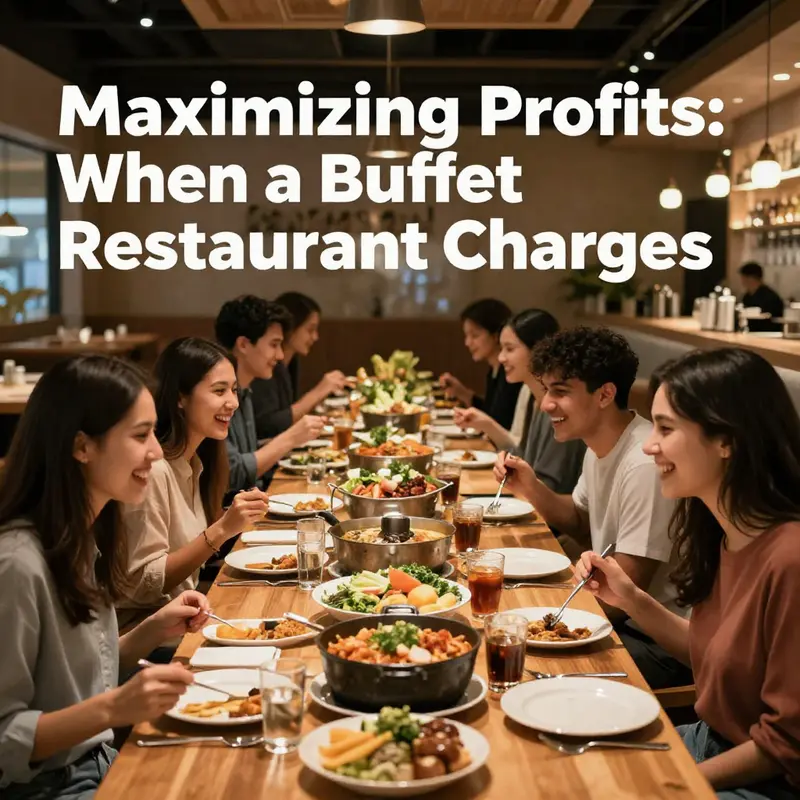
Charging for abundance reshapes the dining journey from the moment a guest steps inside a buffet space. The fixed-fee model sets a promise: access to a wide range of dishes, often with self-service formats that empower choices as large as the appetite. Yet price is only half the story. What customers expect at entry—time, variety, cost efficiency, and taste—gradually intertwines with what they experience over the course of a visit. A growing body of research from 2026 highlights a two-stage dynamic in customer requirements for buffet dining. Newcomers tend to fixate on quickness, the breadth of options, value for money, and the flavor profile of items. As familiarity grows, these initial concerns soften, while the environment, perceived freshness, and consistency move to the fore. In practice, this means that a good buffet must do more than offer quantity; it must cultivate a sense of reliability and atmosphere that sustains satisfaction across repeat visits. To readers navigating the topic of pricing, this shift is not abstract. It frames how value is constructed in real time, as guests compare the menu’s breadth with the warmth of service and the upkeep of the dining area. The perceived value of a buffet rests on how faithfully the establishment meets its opening promise of abundance. It is not just about how many dishes are displayed, but how well the experience holds together over the course of a meal. Consider a Southern-style, all-you-can-eat concept cited in practice-based summaries: its appeal lies in homey flavors, a sense of inclusivity, and an emphasis on comforting repertoire. Families and seniors often prize this cultural resonance, where quantity is paired with familiar textures and controlled portions that encourage lingering conversation as well as tasting variety. In such contexts, value emerges when the setting reinforces the promise of generosity through consistent execution—clean stations, timely replenishment, and a dining room that feels welcoming rather than hurried. A single menu page can contribute to that perception by signaling the range and rhythm of the experience. For visitors seeking a sense of how a broad menu signals abundance, a practical touchstone is the Royal Buffet Menu, which offers a concrete snapshot of what is on offer and how it might align with different appetites and occasions. Beyond broad variety, the value conversation extends to how the buffet handles dietary needs and wellness preferences. Specialized formats, like health-oriented salad and soup stations, invite guests to assemble meals that reflect personal goals. The criteria shift from sheer volume to nutritional content, ingredient quality, and alignment with wellness objectives. In this light, a successful buffet does not rely on a single metric of value; it relies on a constellation of factors that include ingredient freshness, the cleanliness of the dining space, and the pace at which the kitchen and servers respond to demand. A well-run operation treats these dimensions as interdependent, so that a guest’s perception of value grows as comfort, trust, and sensory satisfaction reinforce each other across successive visits. Pricing strategy is also responsive to timing and selection. Time-of-day differences can adjust perceived fairness and value. Lunch and dinner pricing may reflect changes in dish assortments, the complexity of labor, and the inclusion of premium items or seasonal specialties. Some venues layer on additional fees for dietary options or beverages, further shaping the cost-performance balance for guests with particular needs. The result is a dynamic pricing environment that invites guests to make trade-offs: more variety at a higher price, or a leaner experience with a tighter focus on freshness and quality. In practice, the challenge for operators is to maintain coherence between the price tag and the lived experience, so that the final impression feels earned rather than transactional. From a managerial perspective, charging strategy must be aligned with evolving customer expectations. The Dynamic-Trend Importance-Performance Analysis framework offers a lens for optimizing offerings at different stages of engagement. For new guests, emphasis on waiting time, variety, and taste can shape first impressions. For frequent patrons, emphasis on freshness, service environment, and consistency helps sustain loyalty. The aim is not to maximize speed or volume alone but to orchestrate a reliable rhythm—replenished dishes at just the right moment, a dining room that anticipates needs, and a sense of abundance that remains balanced with quality. In this sense, pricing becomes an instrument to reinforce a narrative: that guests are paying for a curated experience as much as for a table’s worth of plates. The emotional and cultural dimensions of value also deserve attention. Buffet pricing acquires meaning when it resonates with family rituals, communal dining, and shared memories. An environment that feels inclusive, where everyone finds something appealing, can transform a routine meal into a convivial event. When that emotional thread is strong, the cost per plate recedes in importance relative to the overall sense of satisfaction. The material reality—cleanliness, freshness, variety, and timely service—provides the ballast, while intangible elements—ambiance, cordial staff, and a sense of hospitality—elevate the experience beyond the tally of dishes consumed. For readers navigating pricing decisions in practice, the lesson is clear: value is a relationship, built over time between promise, performance, and the emotional resonance of gathering around a plentiful table. To explore a broader menu reference, consider the linked page for the Royal Buffet Menu as a concrete example of how a venue communicates scope and range to prospective guests. External resource for further reading: https://www.sciencedirect.com/science/article/pii/S187705092600043X
Final thoughts
Understanding when a buffet restaurant charges presents vital insights into pricing strategies that can elevate the dining experience, influence customer perceptions, and ultimately drive profitability. Business owners should leverage the knowledge of pricing structures, be aware of the factors influencing costs, and analyze customer experiences, ensuring they optimize the perceived value. As the buffet model evolves, staying informed about these aspects will empower business owners to craft compelling, profitable buffet offerings.