
In the competitive landscape of the restaurant industry, understanding the nuances of tipping etiquette can profoundly impact customer satisfaction and service quality. Buffet-style restaurants present unique challenges, as the level of service can vary significantly between establishments. For business owners, knowing how to guide staff and manage customer expectations around tipping is essential. This article offers a comprehensive overview, elucidating the general principles of tipping at buffet restaurants in the first chapter, and then delving into specific country-by-country guidelines in the second chapter. By equipping yourself with this knowledge, you can cultivate a more informed and engaged team, ultimately enhancing the dining experience for your guests.
Buffet Etiquette and Tipping: A Practical Guide
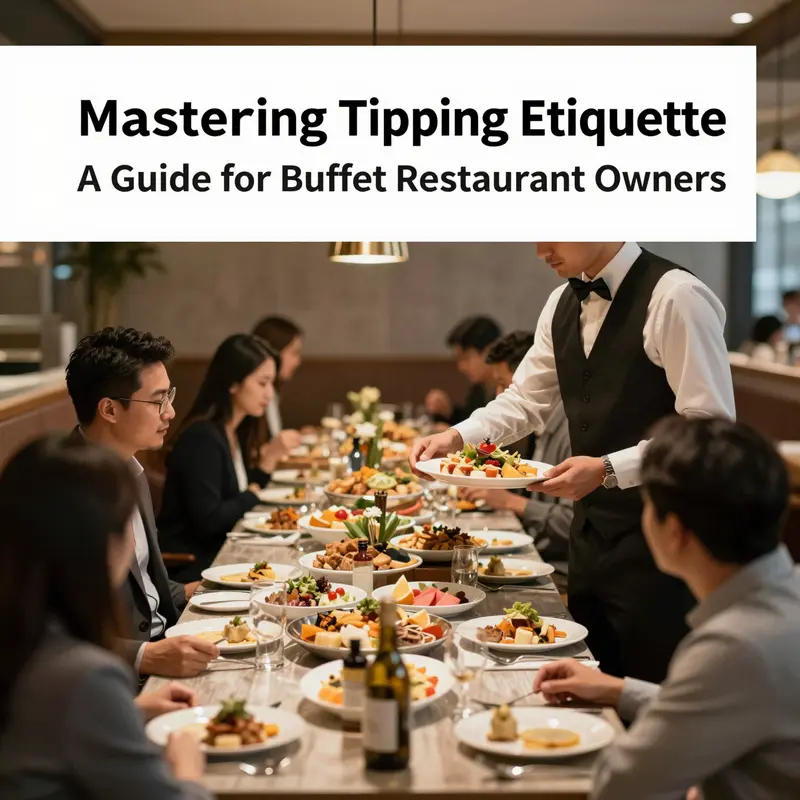
Buffet dining can feel like a collaboration between self service and hospitality. The question of tipping at a buffet depends on the level of service you actually receive and the venue policy. In a purely self serve layout, tipping is usually optional, while in full service buffets or hybrid formats a small gratuity is appropriate.
When to tip is about what staff actually do for you. If staff refill drinks, clear plates, answer questions about ingredients, or deliver a dish to your table, a tip is reasonable. If you mainly interact with the self serve stations and the staff stay in the background, base your gratuity on the visible effort rather than a fixed rule.
In the United States, tipping norms often reflect the balance between self service and staff involvement. A common reference is a modest amount for attendance at the table or station, such as one to two dollars per person per meal for regular service tasks like refills and clearing. In higher end or fully served buffet settings, tipping may align with full service norms, sometimes around ten to fifteen percent of the total bill when a table service element is present.
Outside the United States, tipping expectations vary more widely. Some venues add a service charge that already covers staff labor, making additional tipping optional or based on above and beyond service. If a service charge exists, consider whether it is distributed to frontline staff and whether your extra tip would clearly recognize exceptional attentiveness.
A practical approach is to tip for the service you received, not for the mere presence of food at a station. Cash tips handed directly to a server are instant and tangible, while digital tipping options can be convenient at venues that offer them. When in doubt, observe fellow guests or briefly ask the host about tipping conventions at that location. The goal is to acknowledge effort that improves your experience without overplaying the self serve concept, and to support staff who contribute to a smooth and comfortable dining environment.
Tipping with Tact at the Buffet: A Global Guide to Gratuities for Self-Serve and Full-Service Dining
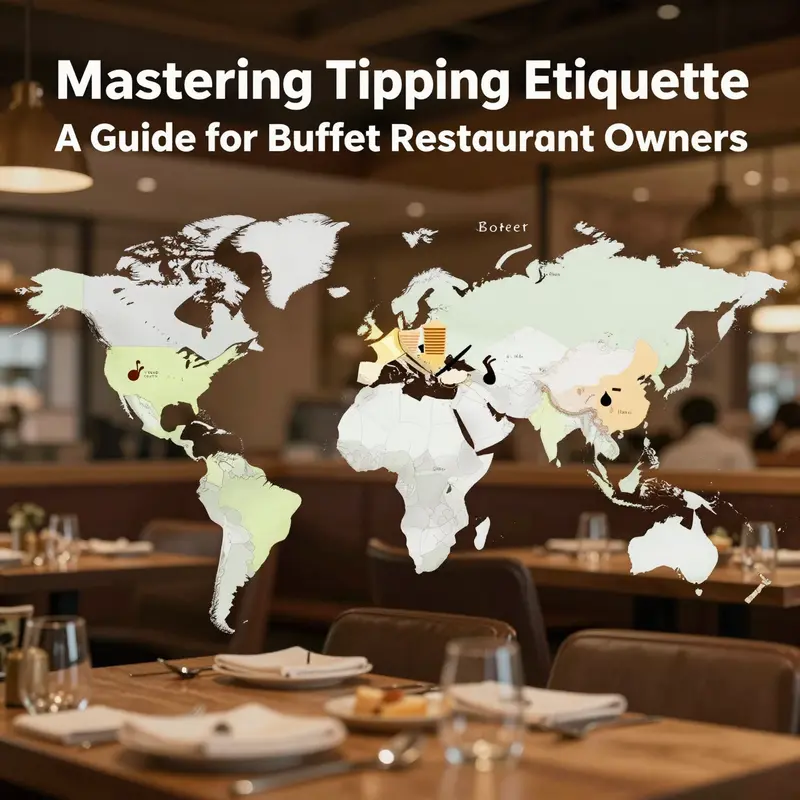
Tipping at buffet-style restaurants sits at the intersection of culture, service models, and personal judgment. A buffet can feel casually simple—plates piled high, a quick grab, a quick bite. Yet behind every station, tray, and refilled soda, there are workers whose efforts often go unseen by the casual observer: bussers clearing plates, cooks maintaining the hot line, servers pouring drinks, and sometimes attendants who bring snacks or specialty items to your table. The question of when to tip, how much, and in what form can be perplexing, especially when the buffet operates across borders or within a single chain that spans several countries. The right approach is not a one-size-fits-all rule but a steady, attentive read of the service you receive and the norms that frame it. In practice, tipping should feel like fair recognition for labor rather than a mandatory scorecard you carry in your wallet. The deeper aim is to honor the people who keep the dining experience smooth, pleasant, and clean, while respecting the local customs of the place you are visiting.
Understanding the service model is a helpful starting point. Buffet restaurants often fall into two broad categories: self-service and full-service. In self-service buffets, you serve yourself from the food stations, and the expectation for tipping tends to be low or nonexistent, particularly in casual or chain settings. There may still be bussers who clear tables or staff who maintain the buffet line, but their work is less directly tied to your plate and cutlery; tipping is not typically required. In full-service buffets, by contrast, staff may deliver food to your table, refill drinks, clear dishes, or offer other attentive assistance. In these contexts, tipping becomes a more natural expression of appreciation for ongoing service throughout the meal.
The second axis is geography. Tipping customs shift from country to country, shaped by wage structures, cultural expectations, and the prevalence of service charges. In the United States, tipping at self-serve buffets is not mandatory, but attentive service can merit a small gesture. If a server refills drinks, clears plates, or checks in on your table regularly, a tip of 10–15 percent of the total bill for a full-service buffet is often considered appropriate, though many self-serve spots may not charge you more than the posted prices. In Canada, the line is similar: table service at a buffet may warrant about 15 percent, while casual or cafeteria-style setups may not require tipping unless explicit service is provided. Some Canadian venues now include a mandatory service charge for large groups or special events, so the bill may already reflect gratuity.
Across the Atlantic, tipping norms diverge more sharply. In the United Kingdom, tipping at buffets is generally not expected in standard, self-serve settings. At upscale hotel or resort buffets with more elaborate service, a small gratuity per person might be appreciated, but it is not obligatory. France upholds a strong “no tipping” tradition for most buffet scenarios, with the meal price typically inclusive and staff wages designed to cover service. A tiny exception might apply for private catering or special events, where a €2–€5 tip could be acceptable as a courtesy.
In Japan, the rule is clear and distinct: tipping is not customary and can be perceived as offensive. Service is viewed as an obligation that comes with the job, so gratuities are neither expected nor appropriate in most hotels, department-store buffets, or restaurant buffets. The service charge in these contexts is wrapped into the price, and a verbal expression of thanks often suffices. Germany presents a nuanced balance: tipping is optional but common in higher-end settings. For buffets with table service, a tip of 5–10 percent is typical, while self-serve setups generally do not require tipping. In some cities, service charges of 10–15 percent are automatically added, so it’s prudent to check the bill before deciding to tip extra.
Australia follows its own path. Tipping is not broadly expected, as service is largely included in buffet prices. In luxury resorts or high-end events where staff provide attentive service—refilling drinks, clearing tables, or offering specialized care—a tip of $2–$5 per person can be appropriate if the moment feels right. The crucial point in all these contexts is to look for explicit service cues and to be guided by local expectations rather than a universal rule. A practical habit is to observe what others do and to trust your judgment when service clearly goes beyond the basics of keeping the station stocked and the plates clear.
The moment-to-moment decision to tip hinges on how much personal service you receive during your meal. If the staff members are merely maintaining the buffet—keeping stations clean, refilling the occasional beverage, and ensuring the area is tidy—tipping is usually not expected. If, however, a server regularly mingles with your table, brings you drinks or small bites from the station, clears dishes in a timely fashion, or assists with special requests, a modest tip can be a fair way to acknowledge that labor. Keeping a mental note of the service you observe can be as simple as asking yourself: Is someone actively serving me beyond the basics of the station? If the answer is yes, a tip is reasonable. If the answer is no, it’s perfectly acceptable to dine without tipping, especially if the establishment communicates that tips are not expected or that a service charge is included.
When it comes to how much to tip, a few simple guidelines help prevent over-tipping or under-tipping. In many countries, a cash tip handed directly to the server is the most straightforward method, especially in places where digital tipping is not widely supported. In the United States, for example, a 10–15 percent tip at a full-service buffet mirrors what guests typically give at traditional sit-down meals. If you’re part of a party or a family where the bill is substantial, adjusting the tip in proportion to the level of service you’ve received remains a sensible approach. A smaller tip, such as $1 or €1 per person, can be an appropriate gesture in a service scene where drink refills or plate clearing are performed consistently and courteously.
In the digital age, many buffets now offer tipping options at self-serve kiosks or mobile apps. If you use these tools, follow the prompts and consider whether your experience has included meaningful service that would warrant tipping. On the other hand, if the receipt already includes a service charge—common in upscale buffets or large group events—additional tipping may be unnecessary or discouraged. In such cases, the service charge is meant to compensate the staff for their labor, including the servers who refill drinks and the attendants who clear tables. A small extra gesture beyond the charge is appropriate only when the service is truly exceptional and above what you would normally expect.
A practical approach to tipping also respects both the guests’ and the staff’s time and dignity. If you’re unsure, a neutral question to the host or a staff member—“Is tipping expected here?”—is perfectly acceptable. This question, asked politely, can prevent awkwardness and ensure you align with the establishment’s policy. The most respectful posture is one of curiosity and courtesy, not hesitation or assumed obligation. A well-timed, sincere “thank you” can also carry meaningful weight, especially in cultures where gratitude is valued as a social cue that complements monetary gratuities.
To ground these ideas in real-world variety, consider how a single buffet might play out across different venues and settings. At a mid-range hotel brunch in the United States, you might find a server circulating to refill drinks and deliver coffee, with plates cleared promptly after each course. In that scene, a tip of 10–15 percent of the bill would be a fair reflection of ongoing service. In a casual self-serve lunch line in Canada, the same staff might be station-based, with a few cleaners keeping the area presentable; here tipping might be limited to a small cash gesture if a server attends to your table or assists with a particular request. In a high-end hotel event buffet in Europe, where a service charge appears on the bill, tipping might be discreetly integrated into the overall gratuity structure, but a modest extra token to a staff member who made a difference can still feel appropriate. In Japan, the same concept would not apply; the emphasis would be on expressing appreciation verbally rather than delivering a monetary gratuity, as gratuities are not part of the service culture and could cause confusion or offense.
These patterns become more navigable when you treat tipping as a flowing conversation with the context you are in. If you are traveling with family or colleagues, it helps to be consistent in your approach. If you decide to tip in one country with a long-standing habit of generosity, carry that intention into other travels with a sensitivity to local norms. A good rule of thumb is to observe what other diners do and to lean on the posted practices of the establishment. If a restaurant or hotel explicitly states that a service charge is included, follow that instruction, and avoid tipping beyond it unless service was extraordinary and merits a separate gesture.
A subtle but meaningful dimension is the social contract between diners and staff. When you tip for high-quality service, you acknowledge the labor that goes into maintaining a pleasant dining atmosphere—clean tables, well-stocked stations, timely drink refills, and the ability of staff to anticipate needs without interrupting the dining experience. The most effective tipping often blends with the rhythm of the meal: a discreet handoff at the end of a table service, a nod or thank-you as you leave, or a small currency gesture that can be convenient for the staff without creating disruption for other guests. The goal is to convey appreciation without making tipping the focal point of the visit. This balance allows guests to enjoy the experience while ensuring workers feel valued.
If you’re looking for a practical anchor, think of tipping as a way to acknowledge the labor that supports your enjoyment. It is not a punitive charge, nor a blanket ritual; it is a responsive practice that varies with service level, venue type, and cultural expectations. The best approach is to stay attuned to what you receive, consult the bill for any automatic charges, and decide if your experience warrants a personal gesture beyond what is already provided. In many ways, tipping in buffet settings becomes a nuanced art of fairness, culture, and restraint—an expression of gratitude that travels with you across borders and through different menu formats.
For readers seeking a concise reference on global tipping norms, consider reviewing international guidance that aggregates country-specific etiquette. For broader context, see The Balance Small Business – Tipping Etiquette by Country. https://www.thebalancesmb.com/tipping-etiquette-by-country-3305764
Internal reference and local context can also shape your approach. If you want to explore a local buffet option and see how tips fit with their service model, you might visit a local venue’s information hub or homepage for cues about policy and expectations. For example, to learn about nearby buffet offerings and related dining services, you can consult the Royal Buffet page. Royal Buffet: https://royalbuffet.shop/royal-buffet/ . This link can provide a sense of how a regional operation frames service and guest experience, which in turn informs tipping decisions when you visit similar setups elsewhere.
In the end, tipping at buffet-style restaurants is less about rigid percentages and more about a consistent, respectful practice that adapts to context. The world of buffets is diverse, and so too are the expectations that surround service. By keeping an eye on the level of personal service, checking for any automatic charges, and applying judgment with courtesy and generosity, you can tip in a way that feels fair to both staff and guests. The guiding principle remains simple: recognize genuine effort, avoid tipping when service is purely self-serve or when a service charge already covers labor, and remember that a polite expression of gratitude can be as powerful as a monetary gesture in cultures where gratuities are not customary. As you move from one buffet environment to another, carry this flexible framework with you—one that respects local practice, supports staff, and enhances the dining experience for everyone involved.
Final thoughts
In the realm of buffet dining, appropriate tipping etiquette not only enhances service but also fosters positive relationships between staff and guests. As a business owner, teaching your team the intricacies of tipping based on restaurant style and regional customs can elevate the customer experience significantly. By understanding both general principles and specific cultural nuances, you can navigate this aspect of the hospitality business effectively. Ultimately, a well-guided tipping approach will not only ensure satisfied customers but also motivate staff, driving higher performance and retention rates.