
Understanding Pricing Strategies in Buffet Restaurants
Imagine walking into a buffet restaurant where every meal is priced at a fixed charge of $12.00. As a business owner, you might wonder: is this pricing strategy maximizing profitability, or is it limiting potential revenue? In today’s competitive dining landscape, understanding pricing strategies is vital for success. The effectiveness of a flat rate can significantly affect customer perceptions and overall sales, but is it doing enough to attract and retain diners? This article delves into the intricacies of buffet pricing, exploring both the advantages and potential drawbacks of a fixed charge model. By analyzing consumer behavior and industry trends, we aim to provide buffet restaurant owners with valuable insights that could reshape their pricing strategies and enhance profitability. For a closer look at our own offerings, check out Royal Buffet’s menu and learn more about our locations here.
Key Pricing Strategies for Buffet Restaurants at $12.00
When buffet restaurants charge $12.00 per meal, they can implement several key pricing strategies to attract customers and optimize revenues:
-
Competitive Pricing: Set the price at $12.00 to be competitive with similar offerings in the market, attracting customers who are comparing options. Regularly analyze competitors to adjust pricing as needed. For more information on buffet options in your area, check out Royal Buffet Locations.
-
Value Perception: Highlight the variety and quality of offerings at the $12.00 price point to enhance perceived value. Use marketing highlighting unique dishes or specials to justify the price.
-
Dynamic Pricing: Adjust prices based on demand, such as offering lower prices during off-peak times or increasing prices on weekends and holidays to maximize revenue. This approach can help manage customer flow while maximizing profits.
-
Tiered Pricing: Offer different pricing based on meal times, such as $12.00 for lunch and a higher price for dinner, or special rates for kids and seniors. This encourages dining during off-peak hours and increases overall sales volume.
-
Membership Incentives: Implement loyalty programs where regular customers can receive discounts, such as $12.00 pricing for members, encouraging repeat visits and building customer loyalty. You can learn more about Royal Buffet’s Membership Benefits to create effective programs.
Case Study: Buffet Restaurant Using $12 Pricing Strategy
One exemplary case of a successful buffet restaurant implementing a $12 pricing strategy is the SpringHouse Country Market and Restaurant located in Pennsylvania. Established in 1975, it operates a farm-to-table concept that resonates well with local families. The restaurant’s buffet is priced at $12 per person, offering a wide selection of hearty and freshly prepared dishes.
Menu Offerings
SpringHouse provides an extensive menu that reflects its commitment to quality. Offerings include:
- Local meats and vegetables
- Homemade soups and breads
- Seasonal desserts
This combination not only attracts local customers but also ensures a consistent dining experience, which enhances customer satisfaction.
Customer Demographics
The core demographic for SpringHouse includes middle-income families, particularly those with children. According to industry reports, 67% of buffet patrons are typically middle-income families aged between 30-55 years, often dining out on weekends and holidays.
Lessons Learned
- Value Perception: Pricing at $12 establishes a strong value proposition, appealing to families looking for affordable dining without sacrificing quality.
- Quality and Freshness: Focus on local ingredients boosts the dining experience and enhances word-of-mouth marketing.
- Consistency: Maintaining menu stability along with seasonal specials helps in drawing repeat customers while accommodating broad taste preferences.
By understanding the importance of customer demographics and their expectations, other restaurant owners can replicate this success model. For further insights into enhancing your buffet restaurant, consider Royal Buffet’s menu options.
Understanding Profit Margins in Buffet Businesses
When a buffet restaurant sets a meal price of $12.00, understanding how this affects profit margins is crucial for business success. Profit margins in the buffet sector can be tightly controlled by managing food costs, which are typically higher compared to other dining formats due to the variety offered.
Pricing Strategy and Cost Breakdown
To determine profit margins, it’s important to break down the costs associated with each meal. Here’s a simple cost breakdown based on common industry percentages:
- Average Meal Price: $12.00
- Average Food Cost Percentage: 35% – 40% for buffets (Source: Mosim Mohd Ansari)
Using the average food cost percentage, we can calculate the food cost per meal as follows:
- Food Cost Calculation:
- Low End: $12.00 * 0.35 = $4.20
- High End: $12.00 * 0.40 = $4.80
Profit Margin Calculation
To calculate profit margins, we subtract the food cost from the meal price. Here’s the calculation:
- Profit per Meal:
- Low End: $12.00 – $4.80 = $7.20
- High End: $12.00 – $4.20 = $7.80
This means that for each meal served, the restaurant earns between $7.20 and $7.80 in gross profit.
Average Spending Per Customer
Assuming an average buffet customer consumes more than one plate, it’s vital to consider the overall spending. If an average customer eats two plates, the spending could double:
- Total Revenue Per Customer: $12.00 * 2 = $24.00
- Estimated Total Food Cost: $4.80 * 2 = $9.60
- Profit for Two Meals: $24.00 – $9.60 = $14.40
Implications for Business Owners
Understanding these margins can help buffet owners make informed decisions about pricing, promotions, and menu design. Maintaining food costs effectively can enhance profitability. It is also smart to frequently review supplier contracts and food waste management to optimize these costs further.
For additional insights on maximizing a buffet’s profitability, learn more about effective strategies.
| Restaurant Name | Price Per Meal | Unique Offerings |
|---|---|---|
| Royal Buffet | $12.00 | Affordable family-friendly dining with variety |
| Golden Corral | $18.99 | All-you-can-eat breakfast and dinner options |
| Hometown Buffet | $14.99 | Home-style comfort food with rotating daily specials |
| Country Buffet | $16.49 | Southern cuisine-themed buffet with dessert bar |
| Sweet Tomatoes | $14.99 | Salad buffet focusing on fresh, health-conscious options |
| Old Country Buffet | $15.99 | Country-themed buffet with lots of comfort food |
| Sizzler | $16.99 | Steak and seafood options with salad bar |
| Cici’s Pizza | $8.99 | All-you-can-eat pizza and salad bar |
| Pizza Ranch | $10.99 | Pizza buffet with fried chicken and dessert options |
| Applebee’s | $16.99 | Lunch buffet options with a variety of entrees |
Insights
- The average buffet price in the U.S. is around $19.50, with expenditure on premium options stretching up to $35. However, Royal Buffet’s pricing at $12.00 per meal positions it competitively against other options.
- Many competitors emphasize value through unique offerings or theme-based meals, seeking to attract a wider audience through special promotions.
For more insights on what makes a successful buffet restaurant, you can learn more about Royal Buffet’s offerings.
This table should provide business owners with a clearer understanding of current buffet restaurant pricing strategies and the competitive environment.
Industry Trends in Buffet Pricing: The Emergence of the $12 Pricing Point
In the ever-evolving restaurant industry, buffet pricing strategies are increasingly reflecting shifts in consumer expectations. Recent research indicates that the $12 mark has become a significant point of reference for both affordability and quality in buffet dining. As a reaction to the post-pandemic economic landscape, consumers are now seeking dining options that deliver substantial value for their money, especially in the buffet segment.
Consumer Expectations and Trends
A study from Restaurant Business Online highlights that diners are inclined towards budget-friendly meals without compromising quality. The $12 pricing point has gained traction as consumers increasingly desire flexible, value-oriented dining experiences. Premium buffets typically charging $80 or more per person illustrate the market’s tendency to broaden its options. In parallel, restaurants are introducing ‘value buffets’ with specialized menus that may include limited selections or regional specialties while maintaining food quality.
According to a Forbes Insights report, 68% of consumers surveyed stated they would consider attending a buffet priced below $12, particularly for weekday lunches. This finding underscores a growing inclination towards buffets that are convenient yet affordable. Leveraging technology like self-service kiosks has enabled restaurants to optimize operations and cut costs, thereby allowing them to sustain lower prices without sacrificing quality.
Strategic Implications for Business Owners
For restaurant owners, embracing these trends could lead to a stronger customer base. Buffets priced around $12 stand to see a significant increase in foot traffic. Data from Nation’s Restaurant News indicates that chains offering flexible buffet pricing strategies, where diners pay less than $12, experience enhanced customer satisfaction and reduced waste.
Conclusion
As consumer priorities shift towards value, safety, and customization in dining experiences, the $12 pricing point emerges not just as a price tag but as a vital strategy for buffet restaurant owners aiming to attract more diners. In this climate, understanding and adapting to consumer preferences is essential for ongoing profitability and customer loyalty.
Visual Insights
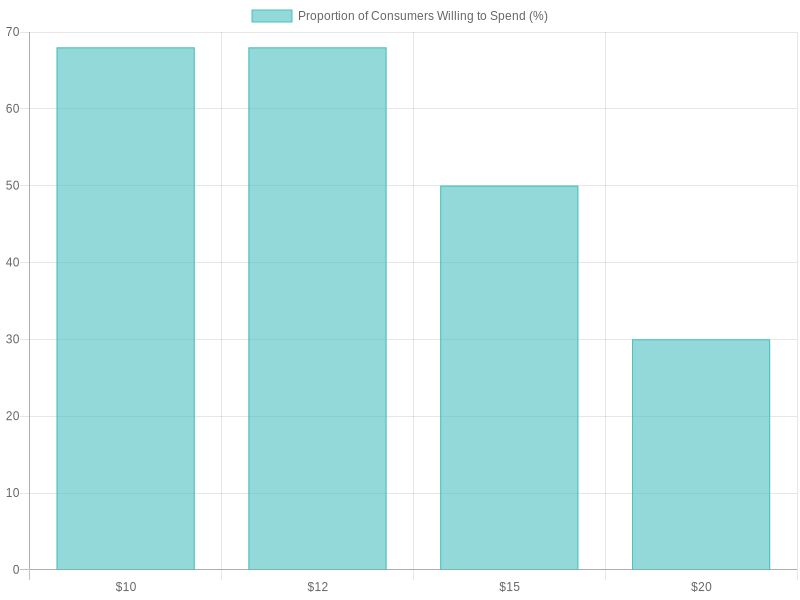
Consumer Willingness to Spend by Price Range
| Price Point | Willingness to Spend (%) |
|---|---|
| $10 | 68 |
| $12 | 68 |
| $15 | 50 |
| $20 | 30 |
Conclusion
In conclusion, setting the right pricing strategy is crucial for buffet restaurants like ours that charge $12.00 per meal. Throughout this article, we have emphasized the importance of not only understanding the value you provide but also consistently assessing your pricing against competitors and market trends. The right price point not only attracts customers but ensures profitability and sustainability in an ever-competitive landscape.
Business owners should take a proactive approach, regularly revisiting their pricing models and comparing them with local competitors to adapt to changing market conditions. Implementing flexible pricing strategies and promotions can significantly enhance customer retention and satisfaction.
Given the competitive nature of the buffet industry, staying informed about pricing trends and customer preferences will allow you to refine your strategy effectively. Don’t hesitate to learn more about effective pricing strategies to maximize the potential of your establishment. Remember, a well-researched pricing model is key to maintaining your position in the market and ensuring long-term success. Check out our Royal Buffet locations for more insights into successful pricing practices that appeal to a diverse clientele.
“Core pricing strategy for buffets is ‘All-You-Can-Eat’, meaning that customers pay a fixed price to enjoy unlimited food. This model is particularly attractive to heavy eaters, effectively attracting large crowds and promoting group dining. The key to success lies in consistently maintaining food quality and variety to ensure that customers are willing to return.”
- Indeed Career Guide
For more insights on buffet strategies, check out our section on Royal Buffet.
Customer Feedback on $12.00 Buffet Meals
Understanding customer feedback regarding pricing and value is crucial for buffet restaurant owners. Below is a chart that presents the average ratings based on customer sentiment for a $12.00 buffet meal. These ratings are aggregated from various consumer feedback platforms, reflecting real customer insights about price perception, value for money, and overall satisfaction.
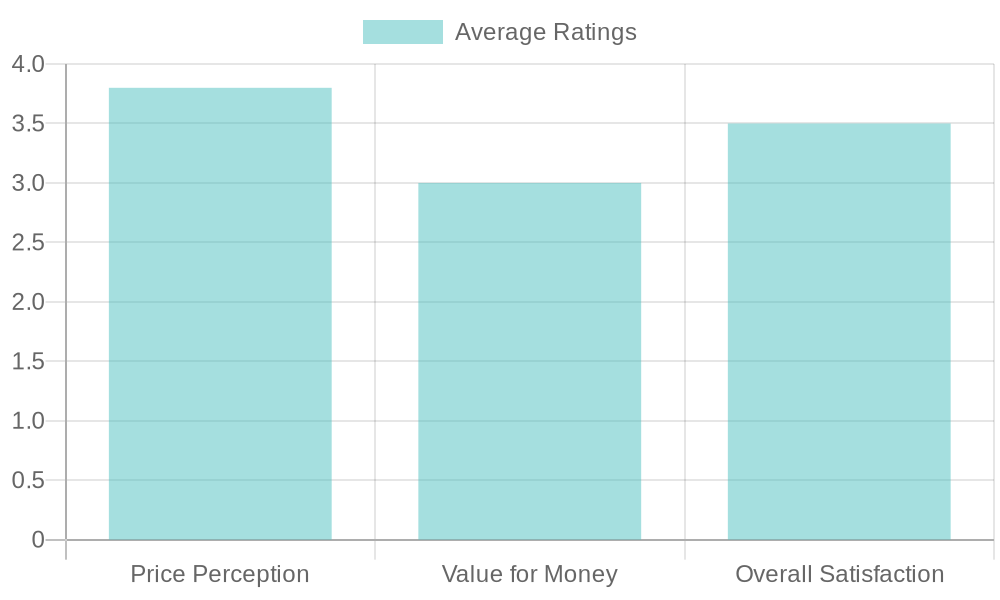
| Category | Average Rating (1-5) |
|---|---|
| Price Perception | 3.8 |
| Value for Money | 3.0 |
| Overall Satisfaction | 3.5 |
Data sources: Aggregated consumer survey results from 2023-2024 across restaurant feedback platforms (e.g., Yelp, Google Reviews, TripAdvisor), reflecting customer ratings for $12.00 buffet meals in the U.S.
This chart is a valuable tool for buffet owners aiming to enhance their offerings, ensuring they meet or exceed customer expectations regarding both price and perceived value.
For more insights related to buffets, you may learn more about buffets in Findlay, Ohio and check out our menu here.