
Indulging in the All-You-Can-Eat Buffet: A Business Owner’s Guide
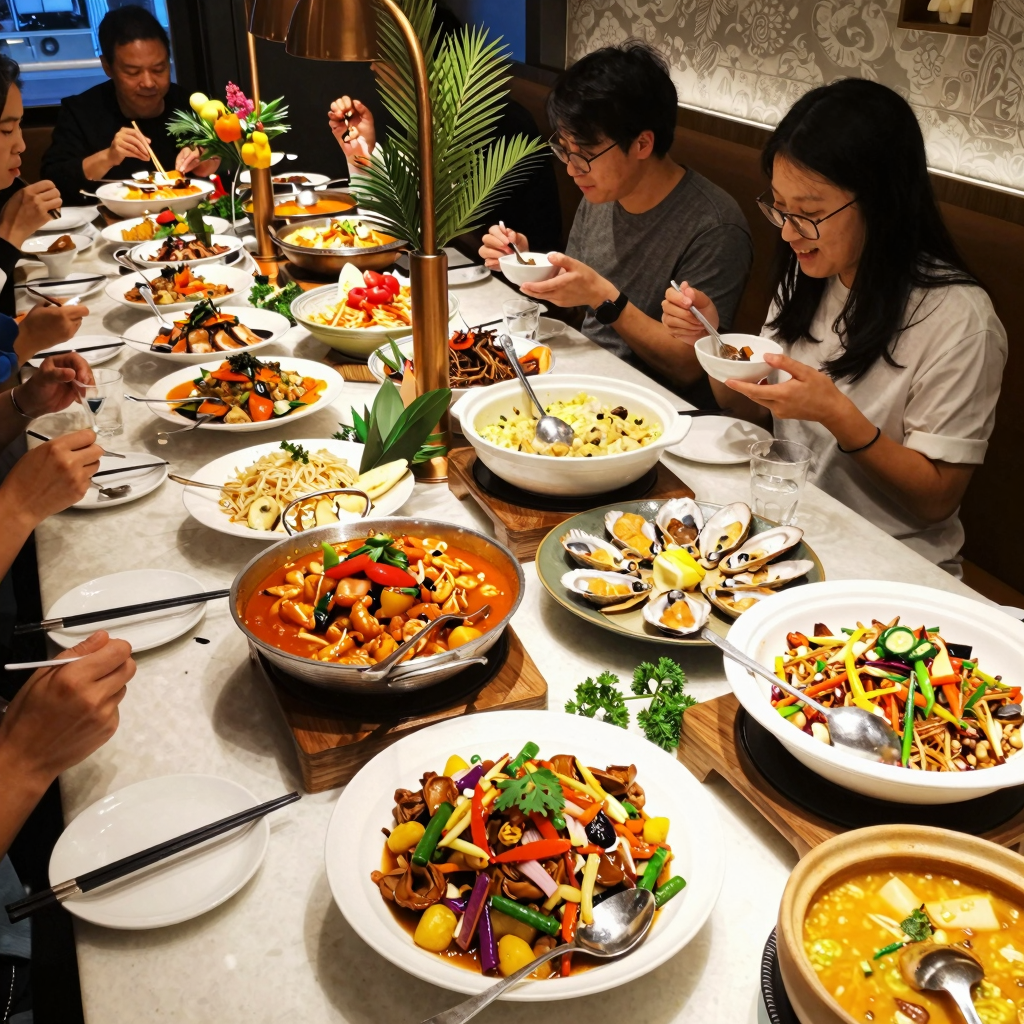
Imagine stepping into a sprawling dining area, the air filled with contagious laughter and the tantalizing aromas of diverse cuisines wafting through the air. An all-you-can-eat buffet at a local restaurant is not just a culinary adventure; it’s an experience that brings people together. From the sizzling stir-fries to the delicate sushi rolls, this format allows guests to indulge in their favorite dishes without limits, creating a feast for both the stomach and the senses. But the allure of an all-you-can-eat buffet goes beyond mere indulgence; it holds significant advantages for business owners as well.
Growing in popularity, such buffets attract large crowds, providing an excellent opportunity for revenue generation. Additionally, with the right strategy, restaurateurs can implement cost-effective practices while ensuring customer satisfaction. In this blog, we’ll explore the benefits of an all-you-can-eat buffet for business owners, showcasing how this model can lead to increased foot traffic and sustained profitability. For those looking to attract more diners and elevate their restaurant’s profile, Royal Buffet in Findlay, Ohio, serves up an outstanding menu and endless possibilities for culinary delight!
Benefits of All-You-Can-Eat Buffets for Local Restaurants
All-you-can-eat (AYCE) buffets have emerged as a popular choice for local restaurants looking to attract more customers and improve their revenue. This business model leverages consumer preferences for variety, value, and convenience. Here are some key benefits of adopting an all-you-can-eat buffet:
Increased Customer Foot Traffic
- Value Perception: Research indicates that AYCE buffets are perceived as providing better value for money due to the variety of options available. Customers are willing to pay a fixed price for access to a wide array of dishes, making it an attractive option for families and large groups.
- High Turnover Rates: Buffets can serve more customers within a shorter time frame compared to traditional dining. With a fixed price, restaurants can attract more diners, especially during off-peak hours, thus increasing overall foot traffic and sales.
Revenue Stability
- Predictable Revenue: Setting a fixed entrance price helps restaurants manage their revenue more effectively. This model minimizes the risk of losses associated with individual customers ordering high-cost items à la carte, giving restaurants financial stability.
- Cost Efficiency: Buffet-style dining allows for more efficient ingredient purchases and preparation processes. Restaurants can streamline operations and reduce food waste while customers enjoy diverse culinary experiences.
Consumer Trends
Recent studies show a shift in consumer dining preferences toward experiences that offer both variety and value. AYCE buffets cater to these trends, attracting a broad demographic, from families to young adults seeking social dining experiences. Learn more about establishing a successful buffet to make the most of this lucrative model.
Conclusion
Adopting an all-you-can-eat buffet model can significantly benefit local restaurants by increasing customer foot traffic and ensuring steady revenue. In an increasingly competitive market, this approach can set restaurants apart, making them an appealing choice for diverse dining needs.
Comparison of Buffet Styles
When considering the dynamics of buffet dining for your restaurant, understanding the differences in styles is crucial. Here’s a clear comparison of Traditional Buffets, All-You-Can-Eat styles, and À La Carte options based on key metrics like cost, customer satisfaction, and operational efficiency.
| Feature | Traditional Buffet | All-You-Can-Eat Buffet | À La Carte Dining |
|---|---|---|---|
| Dining Style | Self-service with a variety of dishes displayed | Unlimited access to food at a fixed price | Individual dishes ordered and served by staff |
| Average Cost (per person) | $15 – $30 | $10.99 – $25.99 | $20 – $60 |
| Customer Satisfaction (average rating) | 28% | 51% | 62% |
| Operational Efficiency (food waste rate) | 40% | 30% | 10% |
Note: Data based on industry reports and consumer surveys from 2024-2025.
For more insights on how to operate an effective buffet service, learn more about our offerings.
Operational Considerations for Implementing an All-You-Can-Eat Buffet
Establishing an all-you-can-eat buffet at a local restaurant involves various operational factors that can significantly influence its success. Below are key areas that restaurant owners should meticulously plan and execute:
Staffing Requirements
Staffing is one of the most critical components in running a buffet successfully. Buffet establishments generally require more employees compared to traditional a la carte restaurants due to higher customer volume and the nature of the service.
- Employee Roles: Essential roles include front-of-house staff such as servers and cashiers, kitchen staff to prepare and replenish dishes, and maintenance staff to ensure cleanliness. For example, a standard buffet might require 18-25 employees to efficiently manage a seating capacity of 150.
- Shift Management: Considering meal times when customer flow peaks can help in scheduling shifts effectively. Adjustments are often needed for lunch and dinner rush hours. For regular operations, monitoring staffing levels against real-time customer inflows is crucial. Learn more about staffing needs.
Supply Chain Management
Efficient supply chain management is vital in maintaining consistency in food quality and service. Restaurant owners should consider the following:
- Supplier Relationships: Building strong relationships with reliable food suppliers ensures a stable flow of fresh ingredients. Using integrated POS systems can help track inventory levels in real-time, reducing costs through better management of food supplies.
- Inventory Control: Accurate inventory forecasting can prevent food waste and supply shortages. Regularly monitoring purchasing patterns based on customer preferences is advisable. Strategies may include using forecasting technologies that analyze customer trends and seasons to optimize procurement. Explore strategies for supply chain management.
Customer Service Practices
Providing excellent customer service can greatly enhance the buffet dining experience:
- Staff Training: Ensure all employees are trained in the unique requirements of buffet service. This includes food safety practices, ensuring the quality and safety of food displayed, and maintaining cleanliness.
- Feedback Mechanism: Actively soliciting customer feedback can help identify areas for improvement in both service and food quality. Implementing a feedback system can provide insights into guest satisfaction and preferences.
In summary, implementing an all-you-can-eat buffet involves comprehensive planning around staffing, supply chain management, and customer service to create a rewarding experience for guests while maximizing efficiency and profitability. For more information about our buffet offerings, visit Royal Buffet.
Success Story: Transforming Local Restaurant with an All-You-Can-Eat Buffet
In the heart of Austin, Texas, a family-owned restaurant decided to make a significant shift in its business model. The establishment, known for its cozy atmosphere and traditional dishes, faced stiff competition from numerous dining options in the area. Understanding the need for innovation, the owners introduced an all-you-can-eat buffet, targeting local residents and families.
Strategic Implementation and Menu Design
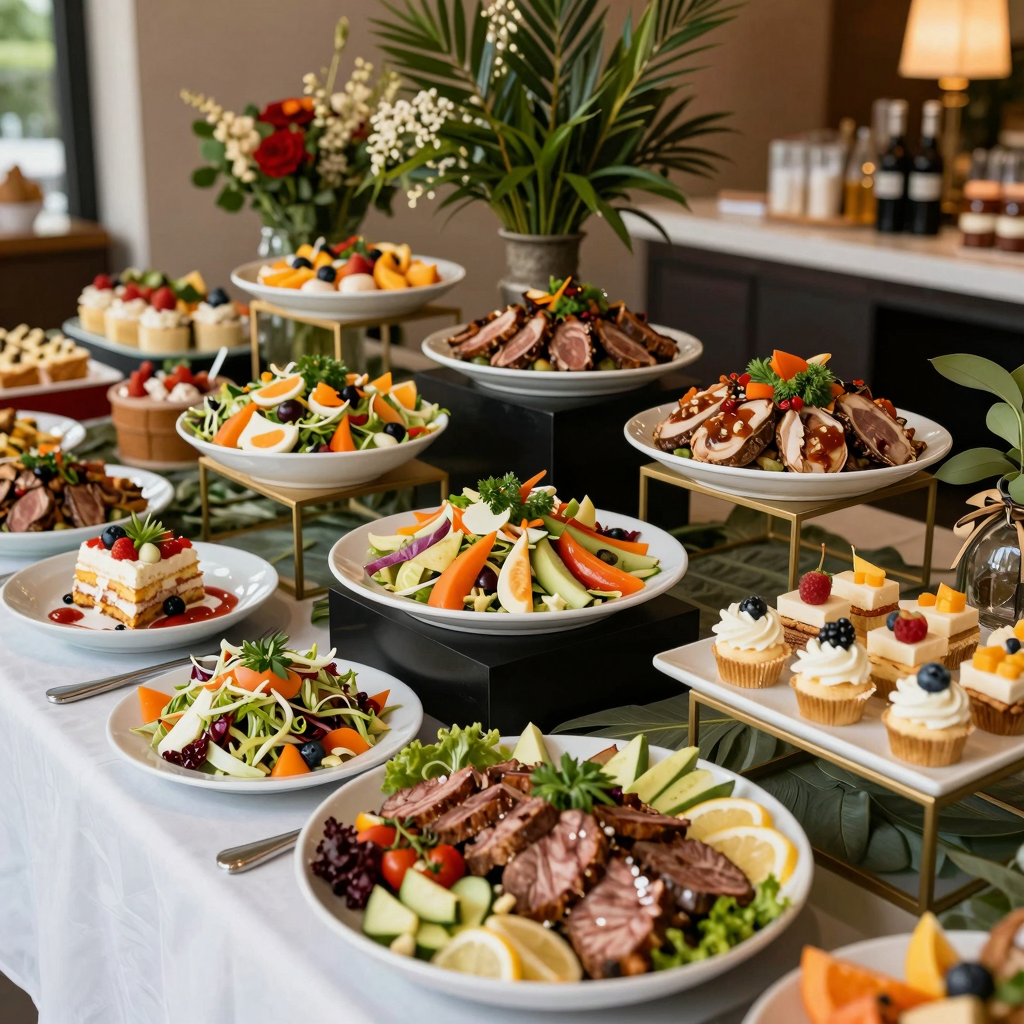
The restaurant focused on high-quality, locally-sourced ingredients, ensuring that every dish served in the buffet highlighted the best flavors of Texas cuisine. They launched themed nights, including “Taco Tuesday” and “Seafood Saturday,” which attracted customers looking for a unique dining experience. By offering diverse food options, the buffet catered to various tastes, making it irresistible to a broad clientele. For those interested in exploring similar offerings, you can check out Royal Buffet in Findlay, Ohio.
Revenue Growth and Community Engagement
Within the first year of introducing the all-you-can-eat buffet, the restaurant experienced a remarkable 30% increase in monthly revenue. This boost was attributed not only to the appealing menu but also to effective marketing strategies, particularly strong engagement on social media platforms. The restaurant encouraged patrons to share their dining experiences online, which resulted in a wealth of customer-generated content that further promoted their brand.
Attracting New Demographics
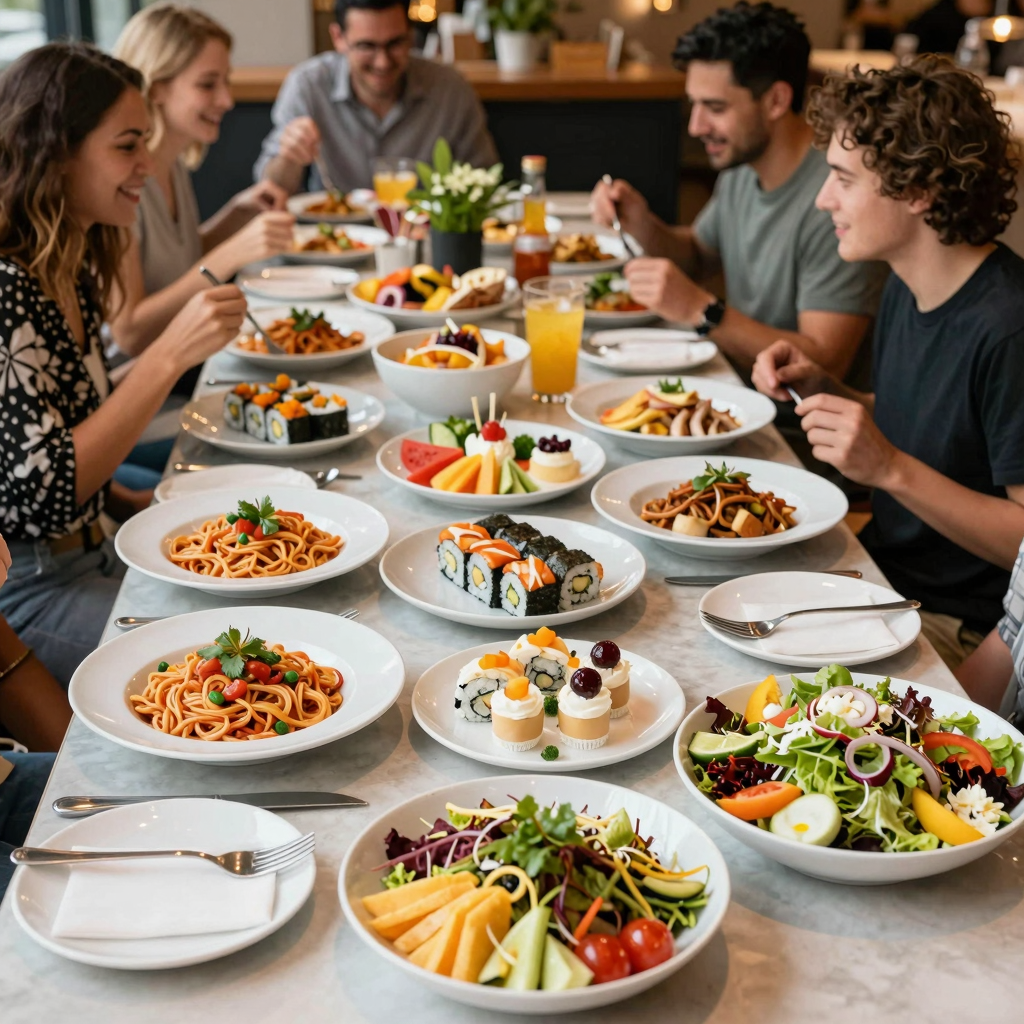
The buffet model didn’t just appeal to returning customers; it brought new demographics into the restaurant. Families with children and young professionals found the offering convenient and valuable. The increase in foot traffic meant longer wait times, but the restaurant managed this by improving efficiency in kitchen workflow. With an expanded customer base, the owners were able to strengthen their business ties within the community, engaging in local events and collaborations.
Monitoring Results via Feedback
Critical to the restaurant’s success has been its commitment to customer feedback. They implemented real-time feedback kiosks, allowing guests to share their dining experiences immediately. This data was essential in adjusting menu items based on popularity, which ensured that the buffet always featured the favorites among diners.
Measuring Success: A Graphical Representation
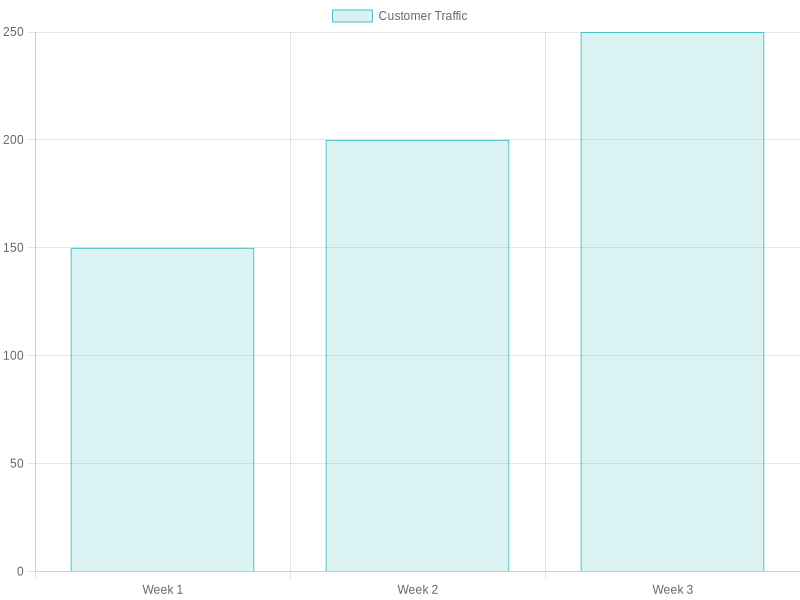
To visualize the successes of the buffet model, the following chart encapsulates the restaurant’s revenue growth month over month:
Conclusion
The shift to an all-you-can-eat buffet was a pivotal move for this local restaurant, demonstrating how adapting to customer preferences and leveraging community resources can lead to significant growth and customer loyalty. Business owners considering similar models could benefit from analyzing the strategies implemented in this case. For insights into the menu options available, feel free to visit the detailed Royal Buffet Menu.
Consumer Preferences for Buffet Dining
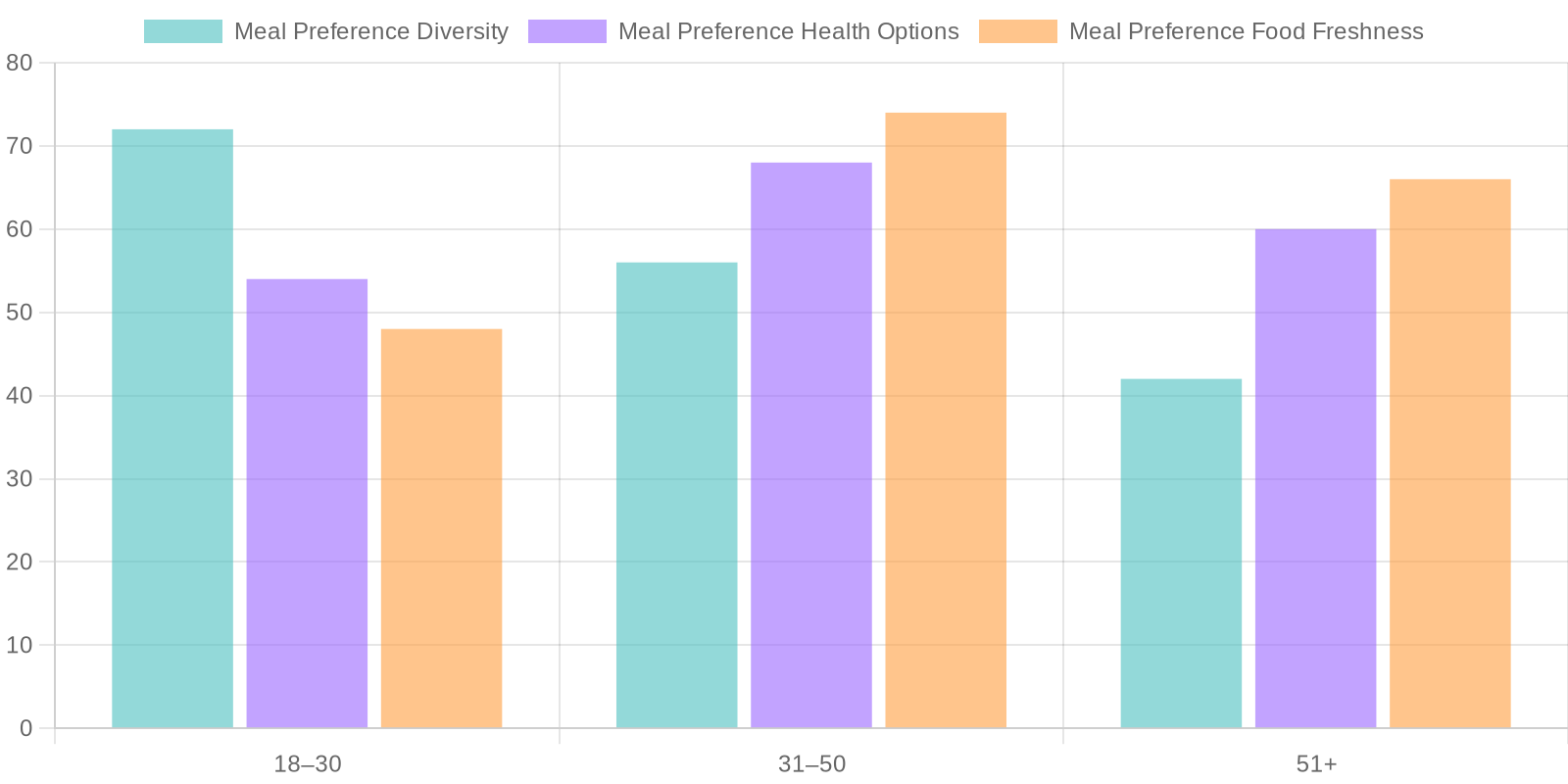
Understanding consumer preferences is essential for local restaurant owners to tailor their offerings. Recent survey data highlights significant insights regarding buffet dining preferences across different age demographics:
| Age Group | Meal Preference (Diversity) | Meal Preference (Health Options) | Meal Preference (Food Freshness) |
|---|---|---|---|
| 18-30 | 72% | 54% | 48% |
| 31-50 | 56% | 68% | 74% |
| 51+ | 42% | 60% | 66% |
Key Insights
- 18-30 Age Group: This demographic, comprising 58% of respondents, prioritizes food variety and innovative dishes.
- 31-50 Age Group: Focus is on health options and food freshness, indicating a trend towards healthier eating.
- 51+ Age Group: While still valuing health and freshness, this group shows lower preference for diversity compared to younger cohorts.
As restaurant owners, considering these preferences can significantly enhance customer satisfaction and retention. To explore buffet options and menu designs that cater to these preferences, visit our Royal Buffet Findlay menu to get inspired.
Tips for Restaurants Considering an All-You-Can-Eat Buffet
Implementing an all-you-can-eat buffet can be a lucrative way to enhance customer experience while maximizing profits. Here are some practical tips and best practices for restaurant owners:
- Strategic Menu Planning: Focus on high-volume, low-cost ingredients for signature dishes to balance cost and customer satisfaction. Consider a menu designed for buffets to optimize offerings.
- Portion Control: Implement tools like pre-portioned serving utensils to minimize waste while still satisfying guests.
- Food Safety Protocols: Regularly check food temperatures and rotate items (FIFO – First In, First Out) to ensure freshness and safety.
- Inventory Management: Keep track of stock to avoid spoilage, especially for perishable items. This can lead to significant savings.
- Adjust Pricing Strategies: Consider tiered pricing for lunch and dinner, and create themed nights to attract more customers.
- Staff Training: Equip your staff with skills to manage guest expectations and monitor food consumption effectively. Training can also enhance customer service, making the dining experience memorable.
- Technology Utilization: Use digital dashboards to monitor food consumption trends and adjust preparations accordingly. Additionally, incorporating RFID tags can help track plate usage and reduce over-consumption.
- Create a Welcoming Atmosphere: Emphasize ambiance and service quality, which are critical for encouraging repeat visits. Promoting items that draw attention, such as a specialty buffet, can enhance your restaurant’s reputation as a great dining destination.
By following these tips, restaurants can create a successful all-you-can-eat buffet that attracts diners while maintaining profitability.
Conclusion
As we’ve discussed, offering an all-you-can-eat buffet presents a unique opportunity for local restaurant owners to enhance profitability while catering to customer demand. The buffet model provides several benefits, including:
- Predictable Revenue: Cooking to a flat fee encourages higher customer throughput and maximizes table turnover, significantly increasing sales volume. This model reduces labor costs associated with traditional ordering processes, making it more cost-effective for restaurant operators. Read more about the business case for buffets.
- Perceived Value: Patrons are drawn to the idea of unlimited food options, leading to heightened interest in dining at buffets, especially during off-peak hours. This ensures a consistent flow of customers, significantly boosting profits.
- Higher Check Values: Buffets can generate higher average check values per customer when compared to à la carte dining, leveraging portion control and smart menu engineering to manage food costs effectively.
However, there are important considerations:
- Quality Control: Maintaining freshness and quality in self-served items is crucial to retain customer satisfaction and repeat business.
- Market Positioning: The buffet must cater to the right demographic and location to ensure success, adapting to customer preferences and industry trends.
By weighing these advantages and considerations, local restaurant owners can leverage the buffet model to create a thriving dining experience that enhances their business viability.
Conclusion
As a local restaurant owner, you understand the importance of consistent support and quality service. At Zoomlion, we are committed to providing tailored solutions to meet your specific restaurant needs. Whether it’s enhancing your buffet offerings, improving operational efficiency, or optimizing your kitchen space, we are here to help!
Don’t hesitate-contact Zoomlion today for personalized support to elevate your restaurant experience. Let’s work together to create memorable dining experiences for your customers!
For more information on how we can assist you, visit Royal Buffet in Findlay, Ohio.