
The Relevance of Buffet Restaurants in Today’s Dining Scene
In a world where dining preferences shift as quickly as seasonal menus, the question arises: are buffet restaurants still relevant? Once a staple in the dining landscape, buffet establishments are now facing competition from fast-casual options and health-conscious eateries. The rise of tailored dining experiences reflects a consumer shift towards exploring diverse culinary offerings without the all-you-can-eat approach. Today’s diners are increasingly valuing quality over quantity, seeking out unique flavors and authentic experiences rather than merely filling their plates.
As the landscape of restaurant dining evolves, buffet restaurants must adapt to changing consumer preferences and embrace innovative dining trends. Whether reimagining their menus to focus on sustainable ingredients or enhancing the dining experience with interactive elements, buffet owners face the challenge of staying relevant in a market driven by personalization and convenience. Establishments like Royal Buffet exemplify how embracing these trends can invigorate the traditional buffet model. Are buffet restaurants a thing of the past, or will they find new life in the creative dining strategies of the future? This article delves into the current state of the buffet industry and offers insights for business owners looking to thrive amidst changing tides.
Analyzing Consumer Behavior Toward Buffet Dining
Buffet dining has traditionally been a popular choice for many consumers, offering a variety of dishes at a fixed price. However, recent trends indicate significant changes in consumer behavior toward this dining style, particularly influenced by health concerns, preferences for à la carte services, and the lingering effects of the COVID-19 pandemic.
Health Concerns
In 2023, one of the primary trends in buffet dining is the heightened consumer anxiety regarding food hygiene. Many diners express concerns about shared utensils, cross-contamination, and overall food safety. According to a study, a significant portion of consumers feels less comfortable dining at buffets compared to home or high-end restaurants, leading to a notable decline in buffet attendance. This shift suggests that restaurateurs must prioritiz agricultural health practices and offer transparent sanitation measures to regain consumer trust.
Key Source: McKinsey reports that food hygiene concerns are driving consumers away from buffet restaurants, preferring environments with perceived higher safety standards. Check more on Four trends in consumer behavior in 2023.
Preference for À La Carte Services
Consumers are increasingly favoring à la carte dining options, driven by a desire for customization and portion control. This trend reflects changing dining preferences as more diners see value in individualized serving sizes that restaurants offer. Post-COVID-19, the need for personalization and enhanced dining experiences has become crucial, as diners seek assurance through tailored services. The shift from buffets to à la carte options is emblematic of a broader demand for varied dining experiences.
Related Insights: An article on Trends Shaping the Buffet Dining Industry discusses how consumer preferences have shifted towards personalized dining.
Impact of COVID-19
The COVID-19 pandemic has had profound effects on the buffet dining industry. Many buffet restaurants are modifying operational strategies to align with new consumer behaviors, including the introduction of contactless services and single-serve options. Increased consumer demand for hygiene practices has prompted many buffet establishments to adopt new sanitation protocols, including enhanced cleaning measures and the use of digital ordering systems. Furthermore, the pandemic has led to diversifying revenue streams, critical for the sustainability of many buffet operators.
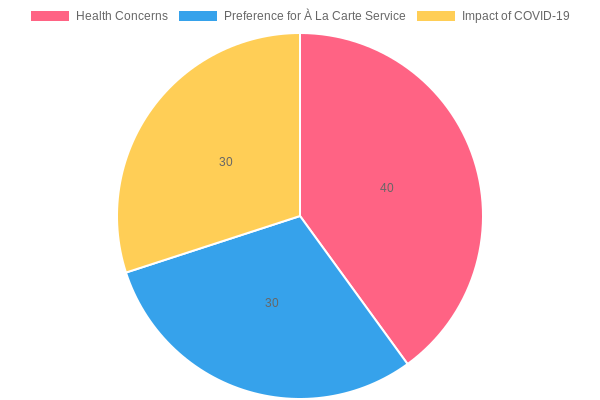
From a statistical standpoint, recent market analyses indicate that consumer sentiment has diverged significantly. A survey revealed that 40% of consumers prioritize health and safety in dining choices, while 30% indicated a preference for à la carte dining, and 30% noted the impact of COVID-19 on their dining decisions. These insights underscore that the buffet model must adapt or risk becoming outdated.
Conclusion
In conclusion, while buffet dining is not wholly obsolete, it faces considerable challenges as consumer preferences evolve in response to health concerns, a demand for personalization, and the lasting impact of the COVID-19 pandemic. Buffet restaurant owners should consider implementing enhanced health protocols and explore diversified service options to remain competitive in a shifting market.
Business owners in the buffet sector must adapt to these trends to ensure their establishments thrive post-pandemic. For more dining options available in your area, consider exploring Royal Buffet’s offerings.
Comparison of Buffet and À La Carte Restaurant Costs
Understanding the differences in pricing structures between buffet and à la carte restaurants can help business owners tailor their offerings. The following table summarizes the average meal costs, the number of dishes available, and the perceived value of each type of restaurant across various regions in Europe:
| Region | Restaurant Type | Average Price per Meal (EUR) | Number of Dishes Available | Perceived Value Based on Consumer Experiences |
|---|---|---|---|---|
| France | Buffet Restaurant | 28.50 | 60-70 | High – praised for variety and quality of ingredients. |
| Italy | Buffet Restaurant | 25.00 | 55-65 | Medium to High – appreciated for regional specialties, but variable quality. |
| Spain (South, e.g., Murcia) | Buffet Restaurant | 22.00 | 50-60 | Medium – lower prices but limited premium options. |
| Germany | Buffet Restaurant | 26.00 | 58-68 | High – well-rated for hygiene and variety, good seasonal themes. |
| Austria | Buffet Restaurant | 31.00 | 65-75 | High – considered premium, valued for high-quality local products. |
| United Kingdom | À la Carte Restaurant | 42.00 | 15-20 | Medium – mixed feedback on consistency and portion sizes. |
| Netherlands | À la Carte Restaurant | 38.50 | 12-18 | Medium – ambiance appreciated, but questioned value for cost. |
| Scandinavia (Sweden/Norway) | À la Carte Restaurant | 45.00-55.00 | 10-16 | Low to Medium – criticized for high prices and modest portions. |
| Eastern Europe (Poland/Hungary) | À la Carte Restaurant | 18.00-22.00 | 10-14 | High – seen as excellent value with hearty portions and authentic flavors. |
This comparison provides insights into the viability of buffet restaurants in today’s dining landscape and how they stack up against traditional à la carte dining options.
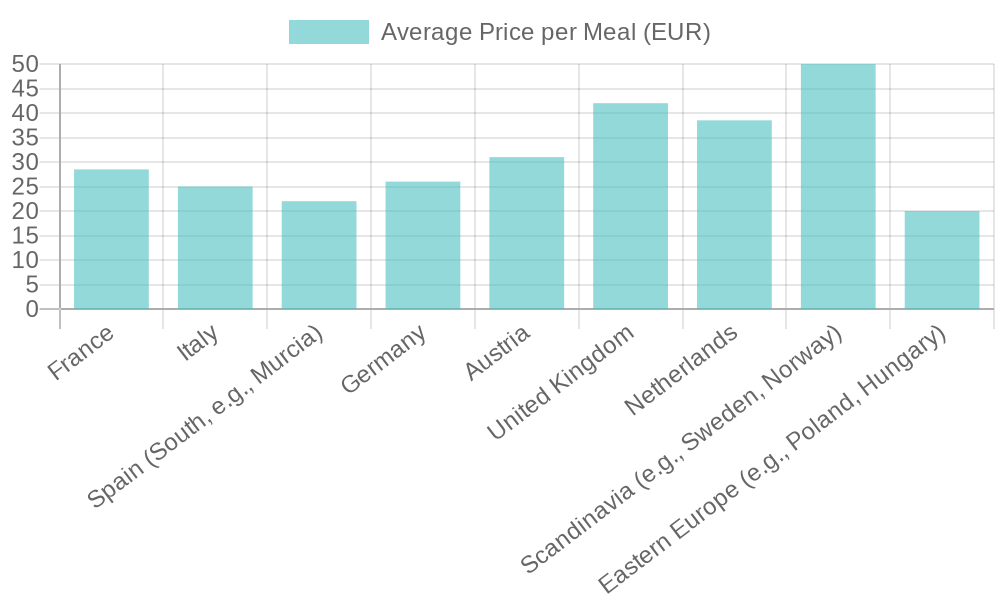
Figure: Average Restaurant Prices in Europe
Evaluating these factors can help restaurant owners effectively strategize their menu offerings and pricing structures to optimize customer satisfaction and profitability.
Historical Context of Buffet Restaurants
Buffet restaurants have a rich history that outlines their evolution from elitist dining to popular casual establishments enjoyed by all social strata. The origins of buffet-style dining can be traced back to 18th-century France, where it emerged as a self-serve meal option for the aristocracy. This self-service approach allowed guests to select various dishes from an extensive spread, an innovative practice at the time, which soon made its way through Europe, evolving significantly over the years.
In the United States, buffets gained prominence in the mid-20th century, particularly during the 1940s and 1950s. The all-you-can-eat concept became popular due to its affordability and the democratic nature of dining. As Americans increasingly embraced a fast-paced lifestyle, buffet restaurants offered a solution by combining variety and value-a hallmark that drove their popularity. Moreover, the post-World War II economic boom made dining out more accessible, and buffets provided a way for families to eat together without breaking the bank.
Key milestones in the history of buffet restaurants include the opening of notable chains like Golden Corral and Hometown Buffet in the 1980s. These institutions solidified the all-you-can-eat buffet as a cultural staple in America, catering to a growing appetite for variety and choice in dining that reflected broader societal changes, including the rise of individualism and consumerism.
The buffet format adapted over the years, seamlessly integrating global cuisines and local flavors, thus tapping into the melting pot of American demographics. As lifestyle shifts occurred, particularly with the busy schedules of modern families, buffets became a natural fit, offering not just meals but social dining experiences.
However, the landscape began to change with the onset of economic challenges and health trends, especially during and after the COVID-19 pandemic. Many buffets temporarily closed or reduced their offerings due to health concerns. Interestingly, recent trends indicate a resurgence in buffet popularity, with reports of a 125% increase in foot traffic at buffet chains in early 2023, highlighting a renewed interest in these dining establishments post-pandemic. As society continues to adapt to changing norms and economic conditions, buffet restaurants are evolving too, incorporating elements that address contemporary concerns such as sustainability and healthier dining options.
The evolution of buffets is indeed a reflection of societal norms and economic conditions, revealing how a simple dining concept can endure and adapt through time. To discover or revisit buffet options, visit Royal Buffet today!
Competition Analysis for Buffet Restaurants
Buffet restaurants are facing intense competition in today’s dining landscape, influenced significantly by the rise of alternatives such as food delivery services, meal subscriptions, and health-conscious dining options. These alternatives not only provide convenience but also cater to evolving consumer preferences, posing substantial challenges to traditional buffet models.
Shift Towards Food Delivery Services
Recent statistics underline the growing dominance of food delivery services. In 2023, online food delivery revenue reached an estimated $220 billion, comprising approximately 40% of total restaurant sales. With services like UberEats, DoorDash, and Grubhub making dining in more accessible and appealing, buffets must rethink their operational strategies to retain customers who might prefer the convenience of having their favorite meals delivered at home.
Meal Subscriptions on the Rise
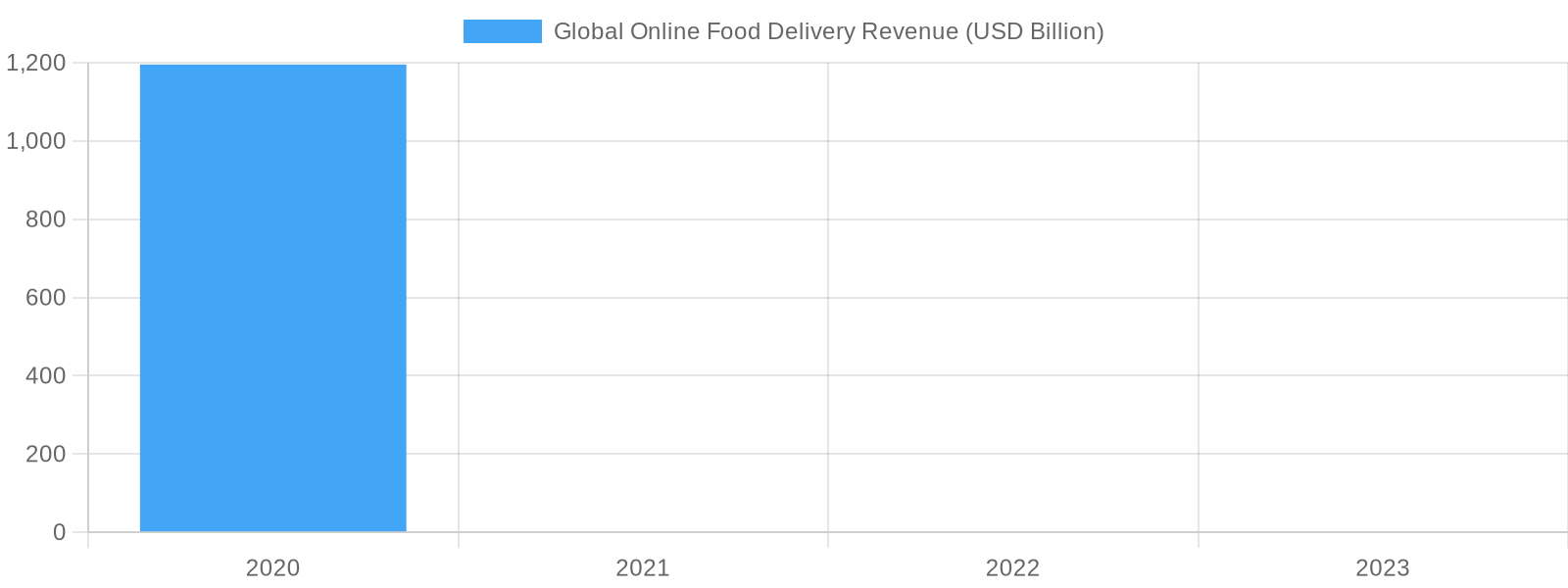
Similarly, the meal kit market is rapidly expanding. From $11.5 billion in 2020, the market is projected to grow to over $16.8 billion in 2023. This trend reflects a shift towards meal preparation at home, appealing to health-conscious consumers looking for healthier options without sacrificing time or convenience. This competition challenges buffet restaurants to innovate their offerings to compete with the perceived value and customization provided by meal kits.
| Year | Market Size (USD) | Source |
|---|---|---|
| 2020 | $11,500 million | Statista – Meal Kit Market Size |
| 2021 | $13,800 million | Statista – Meal Kit Market Size |
| 2022 | $15,200 million | Statista – Meal Kit Market Size |
| 2023 | $16,810 million | Grand View Research |
Health-Conscious Dining Trends
Moreover, as consumers prioritize healthy eating, buffet restaurants must address this trend by offering more nutritious and balanced meal selections. With health-focused dining options gaining traction, traditional buffets might struggle unless they adapt by incorporating diverse, wholesome options on their menus. By promoting a health-conscious menu, buffets can appeal to a broader customer base.
Strategies for Adaptation
To remain competitive, buffet restaurants could:
- Diversify Menu Options: Add healthy food selections and verify ingredient sourcing.
- Integrate Technology: Employ mobile apps for ease of ordering and meal customization.
- Offer Delivery and Takeout: Similar to traditional dining but now targeting those who prefer eating at home.
In conclusion, while buffet restaurants face significant competition from delivery services, meal subscriptions, and health-oriented dining, adapting to these changes through innovation and audience understanding can create new growth opportunities.
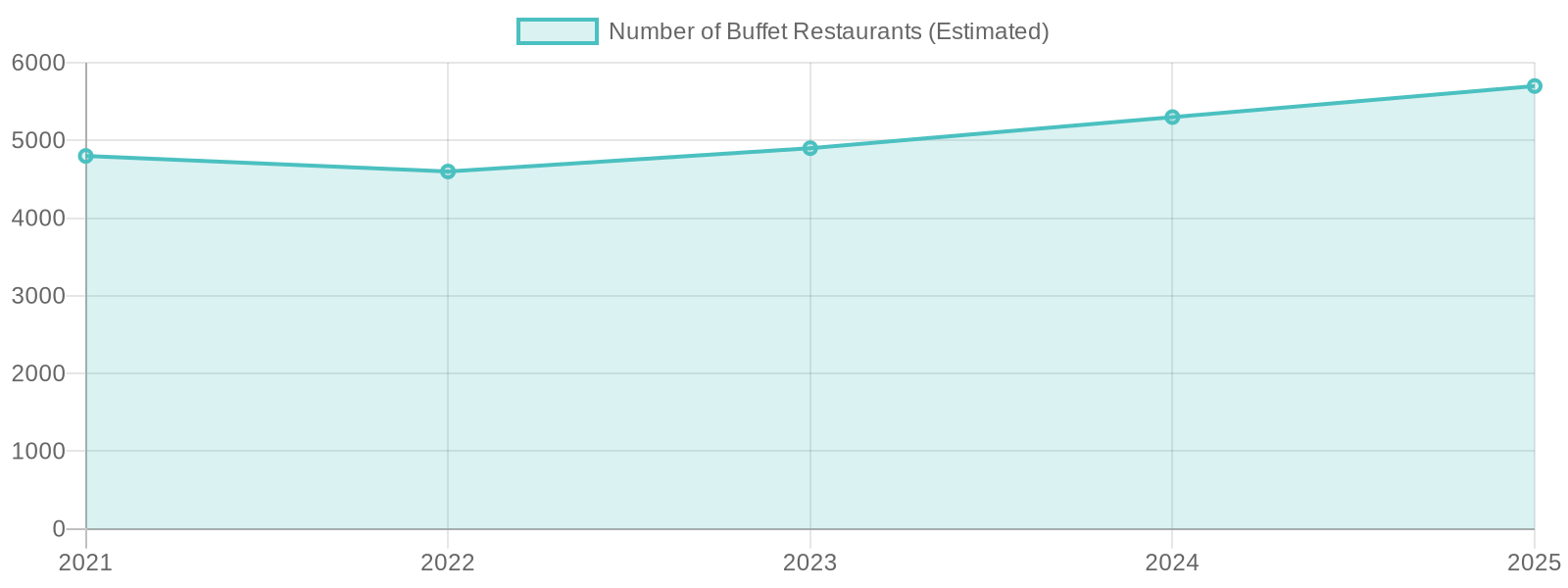
| Year | Number of Buffet Restaurants (Estimated) | Trend Description | Consumer Preference Shift |
|---|---|---|---|
| 2021 | ~4,800 | Decline due to pandemic-related closures and reduced dining-out habits | Shift toward casual dining and takeout; buffet perceived as less hygienic |
| 2022 | ~4,600 | Continued decline; slower recovery in full-service restaurants | Increased demand for value and convenience; buffets seen as cost-effective |
| 2023 | ~4,900 | First signs of recovery; rise in “all-you-can-eat” searches | Growing interest in affordable dining options; resurgence in family meals |
| 2024 | ~5,300 | Notable growth; increased investment in buffet concepts | Rise in demand for experiential dining; buffet seen as a budget-friendly treat |
| 2025 | ~5,700 | Strong upward trend; expansion in regional chains and new openings | Consumers prioritizing value and variety; buffet aligns with post-pandemic return to social dining |
Note: Data is estimated based on industry reports, Yelp search trends, and restaurant market forecasts.
*For a detailed exploration of buffet concepts, check out Royal Buffet and our location in Findlay, Ohio.
Benefits and Drawbacks of Buffet Restaurants
Buffet restaurants combine affordability and variety, offering a unique dining experience. Here’s a look at the key benefits and drawbacks to consider:
Benefits
- Cost Efficiency: Buffets often reduce food waste as diners are more likely to take manageable portions and return for more.
- Consumer Satisfaction: The variety ensures that customers can find something to suit their tastes. Positive dining experiences can enhance repeat business.
- Operational Flexibility: Buffets allow restaurants to manage staffing and service flow more efficiently, as self-service can reduce the need for waitstaff during peak hours.
Drawbacks
- Quality Control: Maintaining food quality and freshness can be challenging with large quantities prepared in advance.
- Health Concerns: Buffets may face criticism for food safety issues if not properly managed, particularly with warm or cold food temperatures.
- Competition: The growing trend of healthier dining options may make buffets less appealing to health-conscious consumers.
For more insights on the buffet restaurant model, learn more about the Royal Buffet.
Insight from Industry Experts
After extensive research on the future trends of buffet restaurants, one notable quote comes from a market analysis:
“The buffet restaurant industry is projected to experience steady growth in 2025, driven by consumer demand for value, variety, and experiential dining. Significant market share is anticipated in regions like Asia-Pacific and North America, with advancements in technology and customer experience influencing future trends.”
This statement underscores the resilience of buffet establishments in catering to evolving consumer preferences and adapting through innovation. You can view the full context of this analysis in the article from Dojo Business.
Furthermore, this report emphasizes that buffets may regain popularity as they evolve to meet modern consumer needs by integrating technologies and enhancing their offerings.
For additional insights, consider mentioning the emerging trends discussed in the LinkedIn article about how buffet models are reshaping their service strategies to enhance the guest experience.
Including these expert insights not only enhances your article’s authority but also informs business owners about the changing landscape of buffet dining and the potential for future growth.
In conclusion, while there have been doubts regarding the future of buffet restaurants, recent trends highlight a promising resurgence in this sector. As the buffet industry adapts to changing consumer preferences, focusing on safety, innovation, and diverse menu options, it appears that buffet-style dining is far from being a relic of the past. Reports indicate significant growth projections for the buffet market, with a shift towards value and variety driving consumer interest. This transformation suggests that buffet restaurants, like Royal Buffet, can thrive by embracing new dining experiences and responding to customer feedback.
Business owners in this space should take note of these developments and consider how to innovate their offerings. Whether it’s through menu diversifications or unique dining formats, the opportunities for growth are robust. If you’re ready to explore ways to enhance your buffet restaurant or need support in navigating these shifts, we encourage you to reach out to Royal Buffet. Together, we can ensure that buffet dining continues to thrive in an ever-evolving culinary landscape.