
Buffet restaurants have taken the dining world by storm, attracting consumers with their promise of variety and value. From tantalizing sushi to steaming fried rice, these all-you-can-eat venues cater to diverse palates, making them increasingly popular among families and food enthusiasts. However, this abundance raises an important question: Are the foods served in buffet restaurants truly healthy choices? For business owners in the hospitality industry, understanding the nutritional value of their offerings isn’t just a matter of ethics; it’s essential for meeting evolving consumer preferences. As guests become more health-conscious, incorporating nutritious options could distinguish your establishment from the competition. In this article, we’ll delve into the healthiness of buffet foods, exploring what options you can provide to attract a wider audience and boost customer satisfaction. Learn more about Royal Buffet and how they balance variety with health-conscious options.
Nutritional Values of Typical Buffet Restaurant Foods
Buffet restaurants offer a plethora of food options. While they boast variety, the nutritional values of these foods can vary significantly. Understanding the nutrition behind common buffet items can help business owners make informed decisions about their offerings. Here’s an overview of typical buffet foods and their respective nutritional values:
-
Salads:
-
Average Calories: ~180 kcal
-
Average Saturated Fat: ~3.5 g
-
Average Sodium: ~650 mg
-
Average Fiber: ~2.5 g
-
Salads are often nutritious, but be cautious of high-calorie dressings that can significantly increase the calorie count.
-
Fried Foods (e.g., fried chicken, spring rolls):
-
Average Calories: ~350 kcal
-
Average Saturated Fat: ~12 g
-
Average Sodium: ~800 mg
-
Average Fiber: ~1 g
-
Fried foods are typically high in calories and unhealthy fats, making them less favorable for health-conscious customers.
-
Desserts (e.g., cake, ice cream, pastries):
-
Average Calories: ~450 kcal
-
Average Saturated Fat: ~8 g
-
Average Sodium: ~200 mg
-
Average Fiber: ~1 g
-
Desserts are very high in calories and sugars while providing minimal nutritional value.
Key Takeaway
Offering a balanced mix of buffet restaurant foods is essential. Consider including healthier options to appeal to a broader audience while providing an occasional indulgence. For further insights on buffet offerings, check out our menu.
Conclusion
Understanding the nutrition behind common buffet foods can help enhance menu selections and promote healthier dining options. By focusing on nutrition and healthy options, your buffet can stand out in a competitive market.
| Buffet Item | Calories | Protein (g) | Fat (g) | Carbohydrates (g) |
|---|---|---|---|---|
| Fried Chicken | 295 | 25 | 18 | 12 |
| Caesar Salad | 400-500 | 15-20 | 30+ | 15 |
| Pasta | 220 | 8 | 1 | 40 |
| Chocolate Cake | 350-400 | 4 | 20-25 | 40-50 |
| Ice Cream | 200-250 | 3-4 | 10-15 | 25-30 |
This table provides a visual reference for the calorie and nutrient content of various popular buffet items. You can learn more about buffet options and explore menu items at Royal Buffet Findlay.
Understanding Buffet Nutrition
From fried chicken to salads and desserts, buffet items can vary widely in nutritional content. Keep in mind the balance of calories and nutrients when choosing your meals at buffets.
The Impact of Portion Sizes in Buffet Restaurants on Health and Business
Portion sizes in buffet restaurants play a crucial role in determining patrons’ health outcomes. Studies have shown that larger portion sizes can lead to overeating and consequently contribute to obesity and related health issues. For instance, it’s documented that excessive portion sizes can lead to a significant increase in caloric intake, often exceeding daily recommended amounts, thereby heightening the risk of chronic diseases such as diabetes and heart disease (Health Affairs). This is particularly concerning in self-service environments where diners might not be aware of their actual consumption levels.
Health Considerations for Business Owners
The responsibility of maintaining customer health extends to business owners in buffet settings. By offering excessively large portions, restaurants might inadvertently contribute to their customers’ health issues, increasing their liability exposure. Legal risks can arise from litigation related to diet-related health concerns, particularly as awareness of health risks associated with obesity grows (New York Times).
Moreover, adjusting portion sizes not only promotes better health outcomes but also reduces food waste, which is a growing concern in the hospitality industry. A strategic approach to portion control can enhance the restaurant’s reputation and align with customer desires for healthier options (Harvard Business Review). This way, buffet owners can find a balance between profitability and community health responsibilities, ultimately benefitting both their business and the well-being of their patrons.
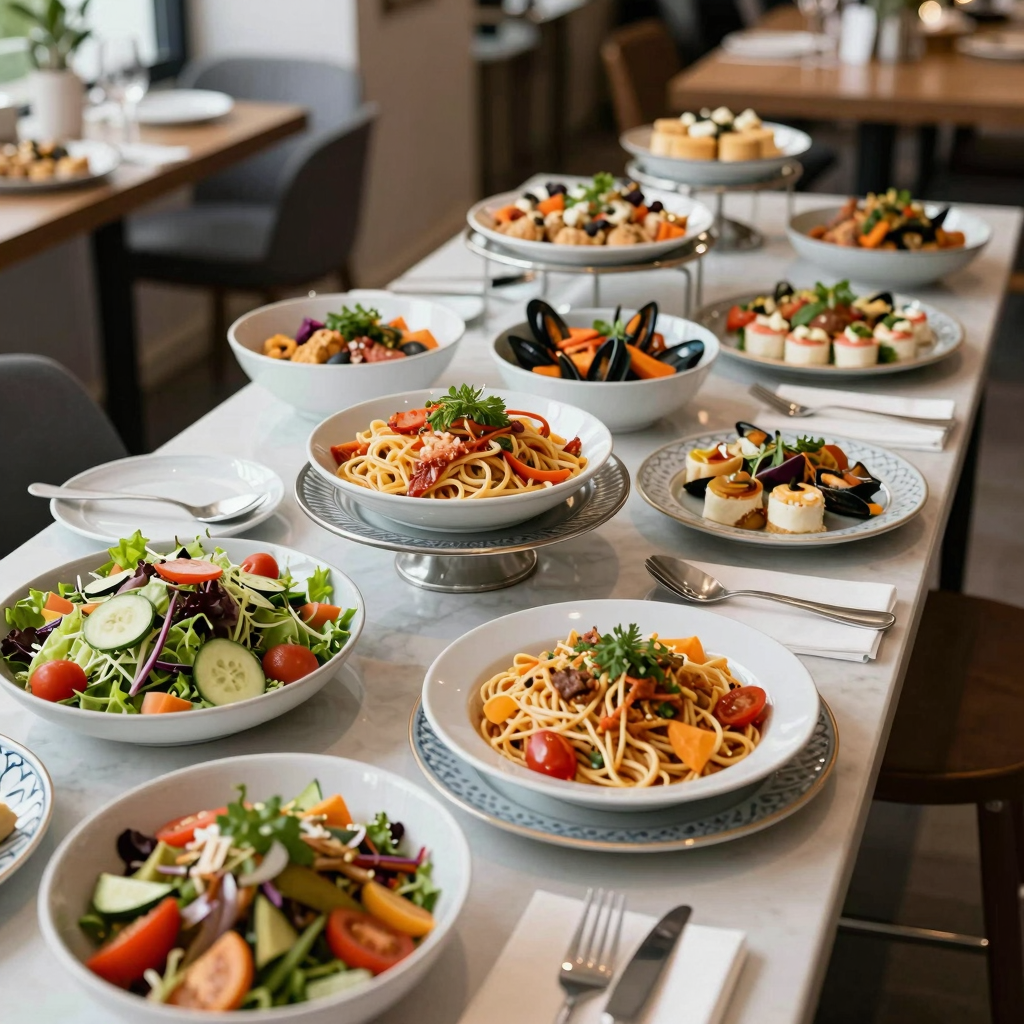
Overview of Buffet Eating Habits and Health Impacts
Buffet dining offers an enticing array of food options, but it also poses unique health risks. Recent studies emphasize the correlation between buffet-style eating and adverse health impacts, particularly related to overeating and dietary choices.
Key Research Findings
-
Overconsumption and Obesity
According to a study published by Harvard Health (link), buffet-style eating is linked to significant overconsumption. The unrestricted access to food often leads individuals to eat beyond their normal hunger cues. Repeated exposure to high-calorie, high-fat items at such buffets increases the risk of obesity, type 2 diabetes, and cardiovascular diseases. -
Psychological Effects of Unlimited Choices
A 2024 study in the American Journal of Clinical Nutrition found that individuals consuming buffet-style meals experienced a 35% higher risk of type 2 diabetes and a 40% greater risk of heart disease compared to those adhering to controlled portions (link). The ‘all-you-can-eat’ environment disrupts normal satiety signals, leading to excessive caloric intake. -
Behavioral Assessment
Another research highlighted by PMC reveals that buffet environments significantly impact individuals’ eating behaviors, especially in adolescents who are more likely to choose high-calorie foods (link). This indicates that the buffet setting may cultivate unhealthy eating habits that persist beyond the dining experience. -
Physical and Mental Health Consequences
The Mayo Clinic reported that frequent buffet dining contributes to unhealthy eating practices, particularly emotional and mindless eating during social gatherings (link). These behaviors not only heighten the risk of diseases but can also affect overall mental health and well-being.
Practical Implications for Buffet Operators
As business owners in the buffet industry, understanding the health impacts related to buffet dining can guide menu design and customer education. Implementing healthier food options, portion control measures, and informative signage on nutritional values can help mitigate some of the negative health consequences associated with buffet eating habits.
Conclusion
The buffet dining model presents both opportunities and challenges for promoting healthy eating habits. By acknowledging the potential health impacts, buffet operators can play a pivotal role in fostering healthier dining experiences.
Buffer dining typically leads individuals to consume more than their required caloric intake and emphasizes the need for responsible dining practices to reduce associated health risks effectively.
How Business Owners Can Offer Healthier Buffet Options
Curating healthier options in buffet offerings is not just a trend; it’s a necessity to cater to health-conscious customers. Here are several actionable tips for business owners:
-
Diversify Your Menu with Vegetables: Incorporate a variety of colorful vegetables in your dishes. Aim for vibrant greens, reds, and oranges to make your options visually appealing and nutritionally rich. Offering salads with diverse toppings can encourage guests to choose healthier options.
-
Provide Whole Grains: Introduce whole grain options alongside traditional choices. Replace white rice with brown rice or quinoa, and use whole-grain pasta in your dishes. This not only adds fiber but also increases the nutritional value of your offerings.
-
Limit Processed Foods: Reduce the presence of heavily processed foods. Instead, focus on fresh ingredients and prepare dishes in-house using natural methods without excessive chemicals or preservatives.
-
Promote Lean Proteins: Include a selection of lean proteins, such as grilled chicken, fish, beans, and tofu. Clearly label these options to inform guests about their availability and health benefits.
-
Use Smaller Serving Dishes: Implement smaller serving dishes to promote portion control. This helps guests make mindful choices about their servings while still enjoying a variety of foods.
-
Visible Nutritional Information: Display calorie counts or nutritional information in a clear and accessible manner. Use color-coded labeling to designate healthier options, which can help patrons quickly identify nutritious choices.
-
Engage in Marketing Healthy Offerings: Promote your healthier menu through social media and in-house advertisements. Encouraging positive health messages can draw health-conscious customers to your buffet.
By integrating these practical strategies, buffet operators can elevate the dining experience and meet the increasing demand for healthier food choices. For further insights, explore how you can improve your buffet or check out our menu inspirations
Trends in Buffet Health Perceptions (2019-2023)
In the realm of buffet dining, perceptions of healthiness among customers have undergone significant changes over the past five years. Understanding these trends can provide valuable insights for business owners in the buffet industry.
Chart: Customer Perception of Buffet Healthiness Over the Years

Summary of Trends:
- 2019: 40% of customers viewed buffets as healthy alternatives.
- 2020: A slight increase to 45%, possibly influenced by growing health awareness.
- 2021: Continued growth to 50%, as more health-focused choices were being introduced in buffet settings.
- 2022: Jump to 60%, reflecting a significant shift in consumer attitudes toward healthier buffet options.
- 2023: An impressive 65%, indicating that buffets are increasingly seen as a viable choice for health-conscious diners.
Conclusion
The uptick in public perception regarding the healthiness of buffet offerings suggests a beneficial opportunity for buffet restaurant owners. By promoting and incorporating healthier options into their menus, restaurants can align themselves with consumer preferences, thereby enhancing customer satisfaction and business success.
Learn more about the Royal Buffet and our menu options here.
For those in specific markets, you might be interested in our Buffet options in Findlay, Ohio.
“The key is portion control and prioritizing nutrient-dense foods,” says Dr. Lisa Young, a registered dietitian and nutrition expert at New York University. She emphasizes that buffet dining can be part of a healthy lifestyle when approached mindfully. This expert advice underlines the importance of starting with a small plate, prioritizing vegetables and lean proteins, and managing calorie intake effectively. For more insights into buffet dining choices, you can learn more about healthy buffet options.
Conclusion on the Importance of Health in Buffet Dining
As the buffet dining experience continues to evolve, the emphasis on health has become paramount. Throughout this article, we’ve explored how buffet offerings can attract a wider customer base by prioritizing nutritious options while still presenting delectable dishes. Healthier choices not only improve customer satisfaction but also enhance brand loyalty and set a restaurant apart in a competitive market.
Moreover, integrating health-conscious meals into buffet menus can help mitigate concerns related to obesity, diabetes, and other diet-related health issues. Customers are increasingly seeking meals that reflect their wellness ambitions. By offering wholesome, appealing selections-like fresh fruits, vegetables, lean proteins, and whole grains-buffet establishments can not only cater to these demands but also advocate for healthier lifestyle changes among their patrons.
It’s essential for business owners to recognize that investing in health-focused buffet options can drive increased patronage. To stay ahead of the curve, ensure that your buffet not only satisfies taste buds but also promotes sustainable health practices.
Take action today! Contact us for assistance in transforming your buffet offerings into a health-centric dining experience that delights your customers and boosts your business profitability!