
Introduction to Restaurant Buffets
In the vibrant world of dining, buffet restaurants stand out as a unique and enticing option, attracting food enthusiasts eager for variety and value. For business owners, understanding the intricacies of running a buffet is crucial, especially when it comes to navigating the complexities of buffet regulations and ensuring compliance with food safety standards. As the culinary landscape evolves, the question of whether restaurants are allowed to have buffets continues to be a pivotal one, influencing operational decisions and customer satisfaction alike.
Buffets not only offer a diverse range of dishes but also create an engaging dining experience where patrons can sample various cuisines in a single visit. This format challenges restaurant owners to maintain food safety while optimizing their business operations to meet the needs of diverse clientele. From affordability to accessibility, the buffet model resonates well with customers seeking convenience and variety, particularly in today’s fast-paced environment.
As more dining establishments consider adopting or revamping their buffet options, understanding the regulatory frameworks governing such setups becomes essential for success. From local health codes to employee training on food safety, every detail matters in creating a successful buffet operation. Exploring these aspects will equip restaurant owners with the knowledge to make informed decisions, ensuring their establishments thrive in this competitive sector.
Buffet Regulations Across Different Regions
Buffets are a popular dining option, but their operation is subject to various regulations that ensure food safety and hygiene. Understanding these laws is critical, especially for restaurant owners looking to maintain compliance and customer safety. Here is a detailed summary of the key regulations governing buffets in different regions around the world.
1. United States
In the U.S., buffet operations are regulated by the Food and Drug Administration (FDA) along with state and local health departments. Some key points include:
- Food Safety Standards: Buffets must follow Hazard Analysis and Critical Control Points (HACCP) guidelines, requiring establishments to implement written food safety plans.
- Storage Temperatures: Hot foods must be maintained at 140°F (60°C) or higher, while cold foods should be at 41°F (5°C) or lower. Display time for ready-to-eat food at room temperature is limited to two hours to prevent bacterial growth.
- Cross-Contamination Prevention: The use of separate utensils for different types of food is mandated.
- Employee Hygiene: Employees are required to maintain high hygiene standards, including proper handwashing and exclusion from work when exhibiting symptoms of foodborne illnesses.
2. European Union
In the EU, buffet regulations are governed by the General Food Hygiene Regulations (EU 1169/2011), which emphasize:
- Food Safety Standards: All food businesses must adhere to strict hygiene guidelines throughout the food production chain, especially for high-risk items like raw and ready-to-eat foods.
- Storage Temperatures: Similar to U.S. standards, hot dishes should be above 60°C, and cold dishes below 8°C, with temperature monitoring required.
- Allergen Labeling: Buffets must clearly label food items according to the 14 major allergens, ensuring transparency for diners regarding potential allergens.
3. Hong Kong
Hong Kong’s regulations are overseen by the Food and Environmental Hygiene Department (FEHD) and include:
- Food Safety Standards: Compliance with the Food Hygiene Code is mandatory, focusing on food safety from preparation to control.
- Storage Temperatures: Hot foods need to be maintained above 60°C, while cold items must be below 8°C.
- Employee Hygiene: Staff must wear clean uniforms and hairnets, and they should wash hands frequently. Any staff member showing symptoms of illness must be removed from duty.
Comparative Analysis
The regulations in each region share common goals of ensuring food safety but differ in their specific requirements. For example, allergen labeling is mandatory in the EU but remains more voluntary in the U.S. and Hong Kong. Restaurant owners must navigate these regulations carefully to avoid fines and ensure customer trust.
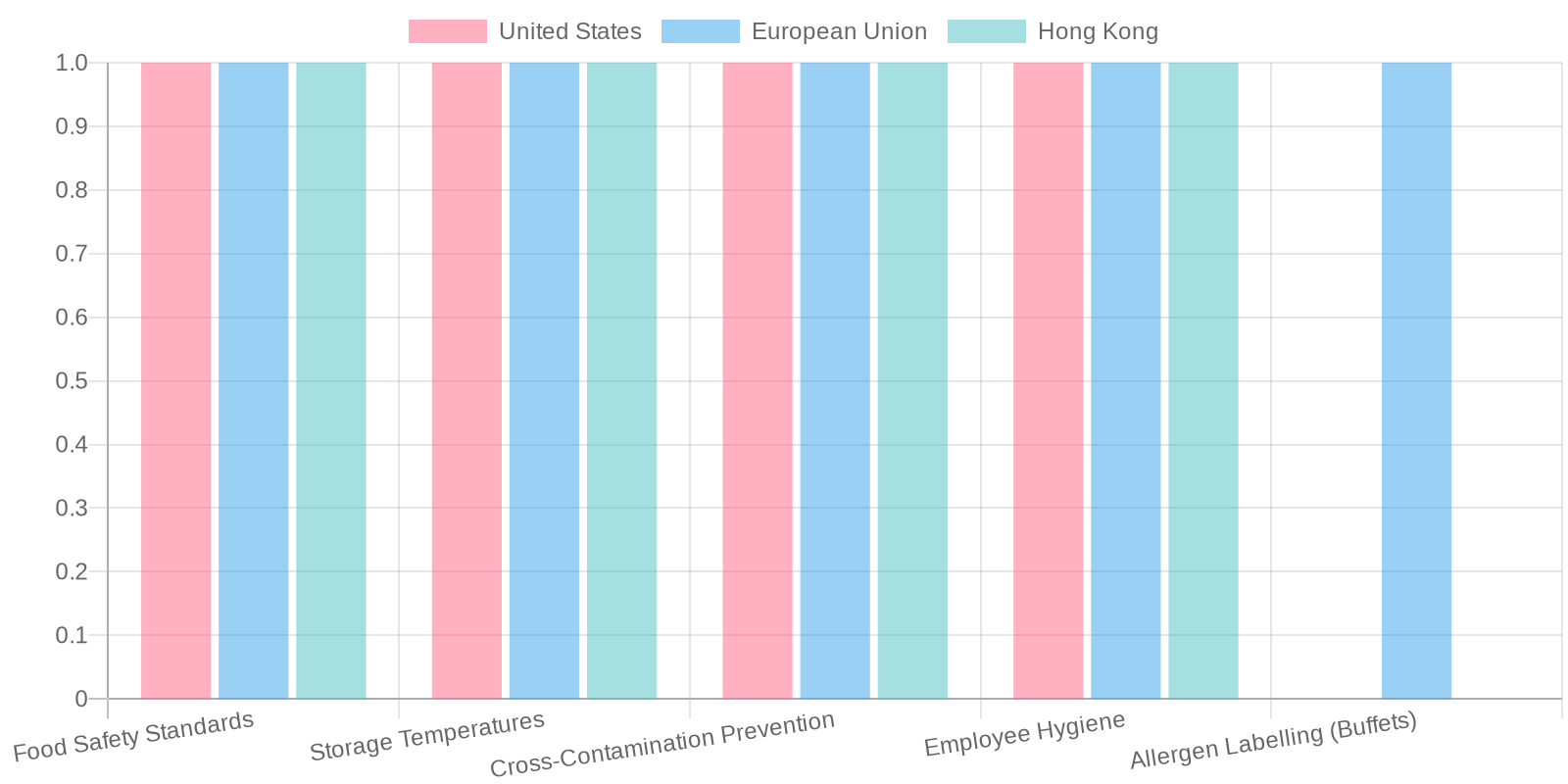
*Source: U.S. FDA, EU General Food Hygiene Regulations, FEHD Hong Kong.
To learn more about setting up a buffet that complies with local laws, consider reading our detailed guide.
Buffet Regulations by Region
Understanding the regulations surrounding buffet operations is crucial for restaurant owners. Regulations can vary significantly between different regions. Here is a comparative summary of buffet regulations across three major regions: the United States, the European Union, and Asia.
| Region | Key Regulation | Compliance Costs | Business Impact |
|---|---|---|---|
| United States | Follows FDA Food Code guidelines, allowing for flexible display durations with a max of 4 hours for cooked items. | Moderate, varies by state, around $500 – $2,000 for equipment upgrades. | Potential increases in customer trust when exceeding compliance standards. |
| European Union | Must comply with EC Food Hygiene Regulation No 852/2004, including strict temperature controls for food safety. | Higher, often between $1,000 – $5,000 annually including audits. | Strict adherence can reduce risk of foodborne illness outbreaks significantly. |
| Asia (Japan and Singapore) | Singapore has real-time digital temperature tracking; Japan requires employee certification for food handling. | High in Singapore, around $3,000 annually for audits; Moderate in Japan ($800 for training). | Improved safety standards lead to significant declines in foodborne illnesses. |
For more on this topic, consult resources like the World Health Organization or visit the Royal Buffet website to learn more about buffet operations and standards.
Health and Safety Guidelines for Buffets
Operating a buffet requires vigilant adherence to health and safety guidelines to ensure both food safety and customer welfare. Buffets often operate on a self-service basis, which can introduce unique risks associated with food handling and hygiene. Here’s an overview of important health guidelines, best practices, and potential risks involved in buffet operations.
Key Health Guidelines
- Temperature Control:
- Hot foods must be kept at or above 60°C (140°F) to prevent bacterial growth.
- Cold foods should be maintained at or below 5°C (41°F). This temperature regulation is crucial for food safety, as it limits the growth of pathogens.
- Regular checks should be made to ensure that food stays within these temperature ranges throughout operation, as stipulated in the FDA Food Code.
- Hygienic Setup:
- Utilize sneeze guards around food display areas to minimize contamination from guests. These barriers help prevent airborne pathogens from reaching food presentations.
- Ensure all utensils used for serving are sanitized and properly maintained to avoid cross-contamination between different food items.
- Staff should wash their hands frequently and wear gloves while handling food, in compliance with the recommendations for food service establishments (source).
- Regular Food Checks:
- Foods should be replenished every two hours or less to prevent spoilage, particularly for items prone to bacterial proliferation.
- Items exceeding recommended holding times should be discarded immediately. During high traffic times, more frequent checks are vital.
- Proper Cleaning Protocols:
- Clean and sanitize buffet areas frequently, with a particular focus on high-touch surfaces. This must include tables, chairs, and serving areas to mitigate any potential contamination.
- Establish a protocol for cleaning spills and addressing any situations where food safety may be compromised.
Best Practices
- Employee Training: Staff should be trained on food safety protocols and the importance of maintaining a clean environment. This includes comprehending food handling procedures and understanding potential hazards.
- Communication: Clearly display safety guidelines throughout the buffet area for patrons to promote hygiene awareness and minimize risks.
- Monitor Guest Behavior: Keep an eye on guests to ensure compliance with health guidelines, especially regarding the use of serving utensils and cleanliness.
Potential Risks
Operating buffets poses certain risks, including:
- Cross-Contamination: Near proximity of various food items can enable allergens or pathogens to contaminate foods. Recognizing this risk underscores the need for careful food separation and sanitation practices.
- Foodborne Illness Outbreaks: Buffets can become hotspots for foodborne illnesses if guidelines are not strictly followed. Common pathogens like Salmonella or E. coli can thrive in improperly stored food, leading to health risks for customers.
- Allergen Exposure: With diverse food offerings, there is an increase in the potential for allergic reactions. Restaurants should clearly label food items that may contain common allergens.
Compliance Significance
Compliance with health guidelines is paramount for both customer health and business reputation. Restaurants that do not adhere to these guidelines may face:
- Legal ramifications, including fines and closures from health departments.
- Loss of customer trust, which can impact future business.
- Additional liability if foodborne illnesses are reported.
In conclusion, maintaining food safety and adhering to health guidelines in buffet settings is fundamental to successful restaurant operations. Business owners must prioritize these aspects not only for regulatory compliance but also for the health and well-being of their customers. For more information, you may want to explore the Royal Buffet menu or visit any of the locations mentioned for specific guidelines related to buffet services.
Business Impacts of Buffet Operations
Running a buffet restaurant presents unique opportunities and challenges that can influence profitability, customer satisfaction, and operational efficiency. In this section, we will explore these factors in detail, revealing insights into what it takes to succeed in the buffet sector.
Profitability in Buffet Operations
Profit Margins
Buffet restaurants can enjoy higher profit margins compared to traditional dining establishments when managed efficiently. However, several factors can impact profitability:
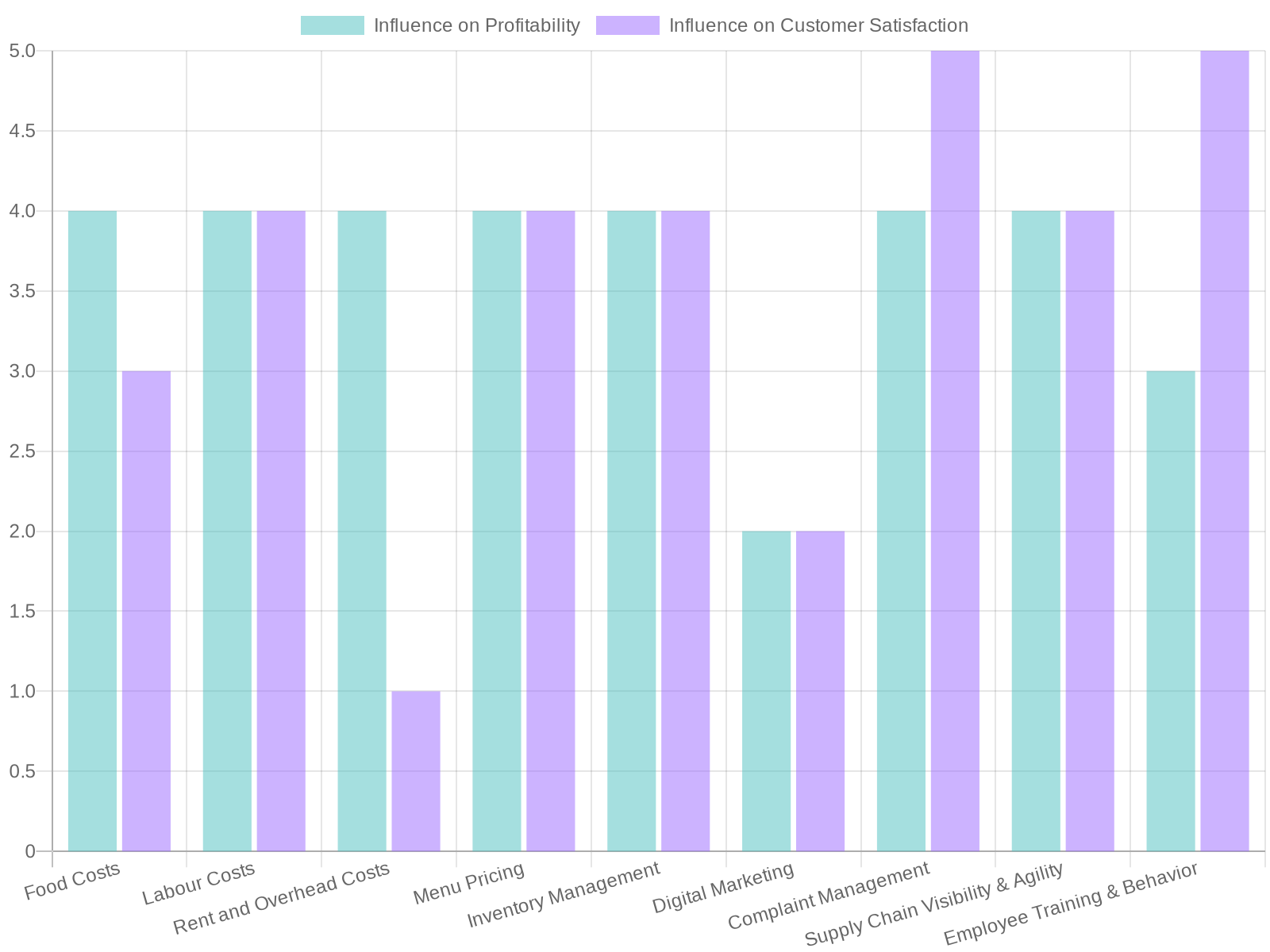
- Food Costs: High food costs can directly affect profit margins, typically ranging from 25% to 30% in buffet operations. Managing food inventory effectively is crucial to minimize waste and control costs.
- Labor Expenses: Labor costs are significant, with buffet operations often requiring more staff to manage food preparation, maintenance, and customer service than traditional settings. Training staff well can lead to higher customer satisfaction and lower turnover, ultimately benefiting profitability.
- Adaptability in Menu Pricing: Setting the right price point is essential. Customers need to perceive good value for their money. Price adjustments based on demand cycles can enhance profits.
To visualize the factors influencing profitability and customer satisfaction in buffet restaurants, refer to this chart:
Customer Satisfaction and Experience
Ensuring a positive customer experience is paramount in buffet operations. The following elements contribute to customer satisfaction:
- Food Variety and Quality: Establishing a diverse menu that caters to various dietary preferences is fundamental. Regularly changing menu items can attract repeat guests, as diners often seek new culinary experiences.
- Cleanliness and Ambiance: A clean and appealing restaurant environment significantly affects customer perceptions of value. A welcoming ambiance with attractive décor helps create a pleasant dining experience.
- Service Quality: Staff behavior plays a critical role in customer satisfaction. Friendly, attentive service can turn first-time customers into loyal patrons. Therefore, investing in employee training is vital.
Operational Challenges
Running a buffet comes with unique operational hurdles:
- Inventory Management: Balancing quantity to avoid spoilage while meeting customer demand is challenging. Effective inventory systems and forecasting tools can help Smore effectively manage food costs and waste.
- Health and Safety Regulations: Buffets must adhere to strict health codes and hygiene practices. Regular staff training and compliance checks are imperative to avoid penalties and ensure customer safety.
- Customer Flow Management: Managing the inflow of customers during peak hours can lead to operational difficulties. Implementing a reservation system can help control customer volume and improve service.
Insights from the Industry
A recent report shows that buffet restaurants have faced challenges in the current market landscape, with an average spending per customer at around $10 – $12, which is typically lower than traditional dining options, where the average can exceed $20. This difference highlights the value perception of buffet dining that can directly impact profitability and overall customer satisfaction.
For buffet operators, striking the right balance in food quality, customer service, and operational efficiency can determine their success in a competitive market. Business owners can take cues from established buffet chains to tailor their offerings and enhance profitability strategies.
In conclusion, while buffet restaurants can present profitable ventures, they require keen insight into managing food costs, delivering excellent customer experiences, and navigating operational challenges. Understanding these dynamics is key to achieving sustained success in the buffet sector.
Expert Insight on Buffet Regulations
To underscore the importance of complying with buffet regulations, industry experts emphasize that proper practices are not just about following laws-they build customer trust and protect public health. As Dr. Sarah Lin, a food safety consultant associated with the National Restaurant Association, articulates:
“Compliance isn’t just about avoiding fines-it’s about building trust. When customers see proper temperature controls and hygiene practices, they feel confident in your establishment.”
This sentiment resonates with findings from the USDA, which underscore that keeping hot foods at or above 140°F (60°C) and cold foods below 40°F (4°C) is essential to prevent foodborne illnesses. Non-compliance can lead to legal repercussions as well as jeopardize consumer safety. It is crucial for buffet operators to adopt rigorous monitoring and temperature control strategies to ensure a safe dining environment. For a deeper dive into safety standards and guidelines for buffets, check out the National Restaurant Association’s resources.
Additionally, view our infographic for a visual summary of buffet safety regulations.
Advantages and Disadvantages of Operating a Buffet
Operating a buffet restaurant can be a rewarding experience, but it comes with its own set of advantages and disadvantages. Understanding these can help restaurant owners make informed decisions. Here’s a breakdown of the key points:
Advantages
- Variety of Food Choices
- Buffets allow customers to choose from a wide array of dishes, catering to diverse tastes and preferences.
- This variety can lead to higher customer satisfaction and repeated visits.
- Cost-Effective for Consumers
- Customers often perceive buffets as a good value for their money because they can sample many different items for a flat fee.
- This can lead to increased customer turnover and more sales per meal period.
- Reduced Labor Costs
- With customers serving themselves, there is less need for staff compared to traditional full-service restaurants.
- This can help in reducing payroll expenses and maximizing profit margins.
- Encourages Social Dining
- Buffets foster a casual and interactive dining atmosphere, promoting group meals and social gatherings.
- They can enhance the overall dining experience, making it more enjoyable for families and friends.
- Flexibility in Operations
- Buffets can adapt quickly to changes in customer demand, adjusting food offerings based on what is popular at the time.
- This flexibility can optimize food production and reduce waste.
Disadvantages
- Food Quality Concerns
- Maintaining food quality can be challenging, especially with items that sit out for long periods.
- There’s a risk of food spoilage and the potential for decreased customer satisfaction if quality is compromised.
- Health and Safety Risks
- Buffets can be susceptible to health risks such as foodborne illnesses if hygiene standards are not strictly adhered to.
- Constant monitoring and staff training are required to ensure food safety, which can increase operational costs.
- Overconsumption and Waste
- Customers may overfill their plates, leading to more food waste.
- Finding the right balance of food preparation can be difficult, resulting in either excess waste or not enough food during peak times.
- Initial Setup Costs
- Establishing a buffet requires investment in proper equipment and layout to ensure efficient flow for customers.
- These initial costs can be significant and may deter new restaurant owners from pursuing this model.
- Potential for Lower Profits
- If not managed correctly, buffets may result in lower profit margins due to overconsumption or high operational costs.
- Effective management strategies must be implemented to ensure that buffets remain profitable amidst these challenges.
In conclusion, while operating a buffet can provide a unique dining experience and attract customers, restaurant owners must weigh these advantages and disadvantages carefully. For those interested in exploring the buffet concept further, learn more about our offerings at Royal Buffet, where variety meets value!
Successful Buffet Case Studies: Key Takeaways for Restaurant Owners
Buffet restaurants have long been a popular choice for diners looking for a diverse range of food options. However, understanding how to operate a successful buffet can be challenging for many restaurant owners. Here, we explore a few real-life case studies of successful buffets that provide valuable lessons for other business owners in the restaurant industry.
1. Reducing Food Waste in Buffet Restaurants – Taiwan Case Study
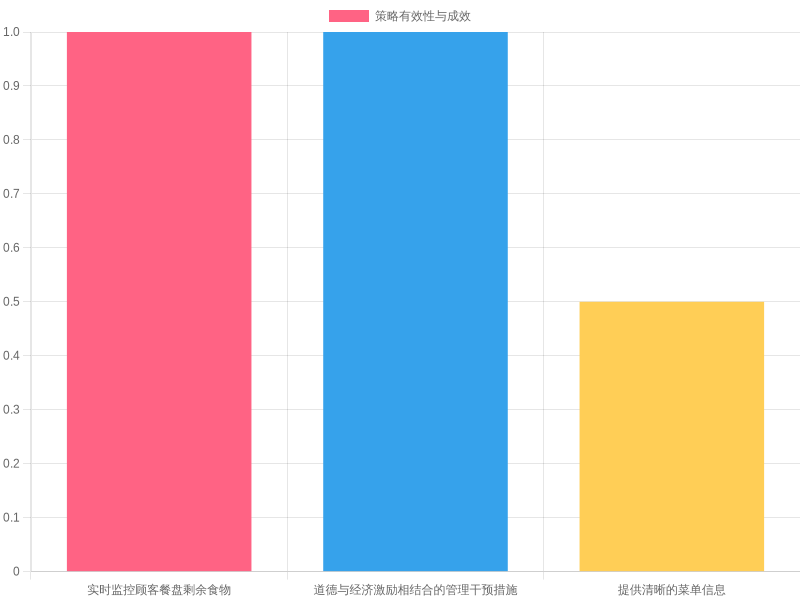
A pivotal study conducted in Taiwan focused on reducing food waste in buffet establishments. The key strategies included:
- Data-Driven Inventory Management: Using a systematic approach for inventory meant restaurants could estimate daily meal requirements accurately, leading to a significant decrease in food waste.
- Collaboration Among Teams: The study emphasized strengthening coordination between kitchen and service teams to optimize food preparation and service.
- On-Demand Meal Access: By allowing diners to take food as needed instead of preset portions, buffets could better manage their offerings, leading to less waste.
These strategies resulted in both cost savings and improved customer satisfaction, proving that effective process management is crucial for buffet operations. Owners can read more about this study in the article.
2. Menu Labeling in Self-Service Buffets – Brazil’s Insights
Another fascinating case comes from a buffet in Brazil that implemented qualitative menu labeling based on ingredients and health symbols. The takeaway from this case study includes:
- Transparency: Clear labeling of food items, including organic ingredients and nutritional content, allowed customers to make informed choices, enhancing their dining experience.
- Employee Awareness: The implementation garnered support from both employees and management, showcasing a united front in improving customer service.
- Simplicity in Execution: The study found that the operational barriers to implementing such a system were minimal, indicating that buffets can apply menus effectively to improve customer engagement and trust.
These principles highlight how transparency in a buffet setting can foster loyalty and better customer relationships. More details can be found in the full study here.
Visual Representation of Strategies
To encapsulate the primary strategies discussed, here’s a chart representing the effectiveness of food waste reduction strategies employed in buffet restaurants:
Additional Considerations for Buffet Success
- Maintain Quality Across Offerings: Each dish must be consistently delicious-using quality ingredients and effective cooking techniques will keep customers returning.
- Adapting to Trends: Staying abreast of food trends (like plant-based menus or international cuisines) can help buffets attract and retain more customers.
- Pricing Strategy: Competitive pricing combined with value offerings encourages diners who may be hesitant about buffet pricing due to waste concerns.
Conclusion
Buffet restaurants can thrive through effective management strategies that focus on reducing waste and increasing transparency. Understand your market, maintain high food quality, and innovate your offerings based on customer feedback and industry trends. These lessons from successful buffets can inform restaurant operators looking to enhance their buffet offerings.
For more insights on running a successful buffet, check out Royal Buffet’s offerings and learn how they effectively attract patrons by providing quality meal choices and a welcoming atmosphere.
Conclusion and Call to Action
In conclusion, operating a buffet can be a rewarding venture for restaurateurs, combining customer satisfaction with financial viability. Throughout this article, we discussed the legal aspects, potential advantages, and challenges associated with running a buffet-style restaurant. Understanding your local regulations, securing necessary permits, and maintaining food quality and safety standards are essential to thrive in this competitive environment.
For business owners considering adding a buffet to their establishment, it’s crucial to explore how it aligns with your brand and customer preferences while also ensuring compliance with health regulations. Whether you’re interested in starting a new buffet or reimagining an existing dining experience, our expert team at Royal Buffet is here to help guide you in the right direction.
Don’t hesitate to reach out to us for assistance or to receive a personalized quote tailored to your needs. Our resources include everything from menu design to operational strategies, helping you create a buffet that stands out in today’s market. Learn more about our offerings at Royal Buffet and discover how to elevate your dining experience.
Take the first step today towards a successful buffet restaurant by contacting us for a consultation. We look forward to partnering with you to bring your vision to life!