
The Allure of Michelin Star Buffet Restaurants
The Michelin star rating represents the pinnacle of culinary excellence and prestige in the dining world. Established by the Michelin tire company, this guide awards stars based on the quality of cooking, with three stars signifying exceptional cuisine worthy of a special journey. Restaurants are evaluated on several criteria, including ingredient quality, harmony of flavors, and the chef’s unique creativity. As a result, earning a Michelin star is not only a mark of distinction but also a powerful driver of a restaurant’s reputation and success.
Amidst this elite gastronomic landscape, buffet restaurants might seem an unlikely contender for Michelin accolades. Yet, curiosity grows around the concept of Michelin star buffet restaurants. Can the traditional buffet format – which emphasizes quantity and variety – also achieve such high culinary status? Some establishments have managed to create Michelin-worthy dining experiences while incorporating buffet elements. For instance, The Eatery Grill 79 in Beijing offers a semi-buffet lunch with fresh seafood and à la carte options, showcasing how buffet-style dining can be elevated to new heights. Exploring the intersection of buffet culture and Michelin standards opens up intriguing possibilities for restaurant owners who wish to innovate within this unique dining format. The challenge lies in maintaining quality while providing the abundant options that diners expect from a buffet.
Michelin Star Overview
The Michelin star represents the pinnacle of culinary excellence in the restaurant industry. Since its inception in 1900, the Michelin Guide has evolved into a global authority, awarding stars to establishments that showcase outstanding cooking. A single star signifies excellent cuisine, while two stars indicate exceptional quality worth a special journey, and three stars denote extraordinary cuisine worthy of a long-distance trip. The influence of the Michelin star extends beyond fine dining; it shapes culinary trends, elevates restaurant standards, and fosters culinary tourism around the world.
For business owners in the culinary space, understanding the significance of the Michelin star can help in positioning their offerings effectively and striving for excellence. Learn more about Royal Buffet or explore buffets in Findlay, Ohio.
Understanding Michelin Stars
Michelin stars represent one of the highest accolades in the culinary world, awarded only to restaurant establishments that showcase outstanding cuisine. Originating from the Michelin Guide, first published in 1900 by the French tire company Michelin, the guide originally aimed to encourage automobile travel and tire sales. The star rating system was introduced in 1926, evaluating culinary excellence through a rigorous process that continues to shape the fine dining landscape today. For those interested in the intersection of restaurants and high culinary standards, understanding the Michelin star system is invaluable.
Awarding Process of Michelin Stars
Michelin stars are awarded based on a set of stringent criteria that evaluate various aspects of a restaurant’s offerings. The process involves anonymous, professional inspectors who visit restaurants multiple times to ensure consistency and quality. The key criteria for awarding a Michelin star include:
- Quality of Ingredients: Inspectors assess whether the ingredients used are fresh, seasonal, and of high quality.
- Harmony of Flavors: Flavor combinations must work well together, showcasing the chef’s skill in creating balanced dishes.
- Mastery of Culinary Techniques: A chef’s technical ability in cooking methods, presentation, and creativity greatly influences evaluations.
- Personality of the Chef: The unique touch of the chef should be evident in their dishes, reflecting their own culinary philosophy.
- Consistency: Stars are not only awarded for a one-time experience but must be consistently upheld over time across the full menu.
Restaurants can earn one, two, or three stars:
- One Star: A very good restaurant in its category.
- Two Stars: Excellent cooking that is worth a detour.
- Three Stars: Exceptional cuisine that is worth a special journey.
The significance of receiving a Michelin star can be profound for a restaurant. It can lead to increased bookings and global recognition, substantially impacting the restaurant’s reputation and business success.
The Michelin Guide’s Influence in Fine Dining
The Michelin Guide is not just a rating system; it has become synonymous with fine dining and gastronomy worldwide. Its objectivity, confidentiality, and consistent standards have established it as a respected authority in the culinary arts. Beyond simply recognizing exceptional cuisine, the guide shapes food trends and elevates chefs’ careers, influencing how diners perceive quality and value in dining experiences. As a business owner in the restaurant industry, understanding the value of these accolades can help inspire a focus on quality and consistency in your culinary offerings.
For more insights into exceptional dining experiences, consider visiting Royal Buffet to explore buffet dining options that prioritize quality and variety.
Understanding Buffet Restaurants
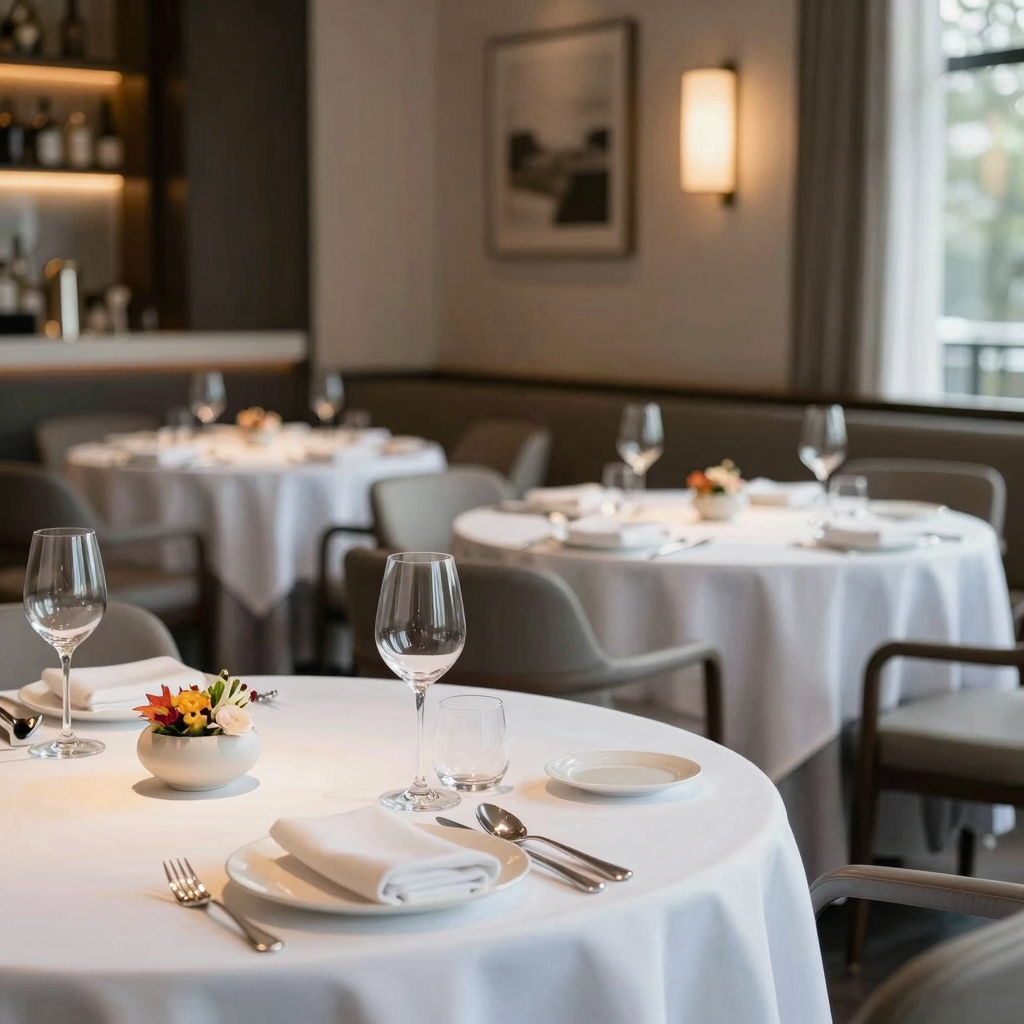
Buffet restaurants are unique dining establishments defined primarily by their self-service dining model. This concept allows patrons to select food items from a wide variety of dishes displayed on serving counters, creating an engaging experience where diners can craft their own meals according to personal preferences. Given their flexibility and affordability, buffets have seen a resurgence in popularity, especially as business owners seek ways to attract a diverse clientele.
Characteristics of Buffet Restaurants
-
Self-Service Dining: Buffets are characterized by a self-service format, empowering customers to choose what they want to eat and how much of it. This level of autonomy enhances the dining experience, making it both enjoyable and customizable.
-
Cuisine Variety: One of the standout appeals of buffet dining is the extensive variety of cuisines offered. From Asian and Mediterranean to classic comfort foods, diners can find an array of options that cater to various tastes and dietary needs. This variety encourages culinary exploration and allows patrons to sample multiple dishes in one visit.
-
Value for Money: Buffets typically offer a fixed price for unlimited food, which presents a significant value proposition. Guests can enjoy an all-you-can-eat model that accommodates both light eaters and those with heartier appetites, making buffets attractive to families and groups.
-
Interactive Experience: Buffets foster a social atmosphere, as they often encourage diners to explore and discuss their food choices with friends or family. This social aspect can be particularly appealing in gatherings and celebrations.
-
Themed Nights and Special Offerings: Modern buffets often include themed nights and events, where they focus on specific cuisines or unique dishes. This not only keeps the dining experience fresh but also attracts customers looking for specific culinary experiences.
Appeal of Buffet Restaurants
The appeal of buffet restaurants lies in their ability to combine affordability with a rich culinary adventure. In 2023, trends indicate a shift towards higher quality offerings, with some establishments incorporating gourmet ingredients and live cooking stations to enhance the dining experience. Advances in sustainability practices and technology, like digital ordering, further attract diners who are looking for a refined self-service experience.
Buffet restaurants are also adapting to changing consumer preferences by focusing on portion control and the theme of sharing, which resonates with health-conscious patrons and those seeking a more thoughtful dining experience. By redefining their image and continuously innovating, buffet restaurants remain a compelling choice for diverse groups and families.
For a deeper insight into one of the exciting buffet options available, you can learn more about Royal Buffet and explore delightful culinary experiences.
Michelin Star Buffet Restaurants: A Unique Culinary Experience
While Michelin-starred restaurants are renowned for their finely curated tasting menus and exceptional dining experiences, a few have ventured into the world of buffets. These establishments often blend the luxury and quality of Michelin-star cuisine with the variety and accessibility of buffet dining. Here are three notable examples that stand out:
1. Sichuan Moon at Wynn Palace, Macao
Located in Macao, Sichuan Moon is helmed by Michelin-star chef Andre Chiang. This restaurant offers a unique take on traditional Sichuan cuisine. The restaurant focuses on modern interpretations of classic dishes and occasionally features buffet-style offerings, particularly during special events or holiday celebrations. Patrons can expect an elaborate spread that showcases Sichuan’s rich culinary heritage. Highlights include the “88 Wealth Treasures” cold platter and innovative takes on traditional dishes like Mapo Tofu. Learn more about Sichuan Moon here.
2. Grill 79 at China World Summit Wing, Beijing
Grill 79, situated on the 79th floor of the China World Trade Center in Beijing, offers an opulent ambiance combined with gourmet dining. This Michelin-rated restaurant is known for its weekend “Forest and Ocean Semi-Buffet Lunch,” featuring a lavish spread of fresh seafood, including lobster, oysters, and more. Guests also have the option to order premium grilled dishes, such as roast beef and grilled chicken, accompanied by expertly crafted sides. The restaurant exemplifies high-end dining with a buffet twist, where guests can relish varied culinary delights. Further details can be viewed here.
3. Fudao Art Gallery Restaurant, Beijing
This innovative restaurant collaborates with the Michelin-starred Auberge de L’Ile Barbe to feature exclusive dishes created by celebrated chef Jean-Christophe Ansanay-Alex. Though primarily an à la carte establishment, Fudao Art Gallery has hosted themed events that incorporate buffet elements, allowing diners to sample a variety of high-quality dishes in a luxurious setting. The menu has included gourmet options like garlic foie gras served in unique preparations that are both creative and delicious. Discover this unique culinary experience here.
The Michelin Perspective on Buffets
It is essential to note that while Michelin-star restaurants may occasionally offer buffet services during special occasions, the Michelin Guide primarily focuses on individualized dining experiences that reflect excellence in cuisine and service. Buffets, in their essence, emphasize a multitude of choices over the precision and attention to detail that Michelin stars are known for. However, some luxury hotel restaurants do incorporate limited-time buffet events, which provide a rare opportunity to experience Michelin-quality dishes in a buffet format.
For instance, Le Cinq at the Four Seasons Hotel George V in Paris has hosted gourmet brunch buffets featuring rare delicacies like caviar and oysters, representing how these exclusive experiences integrate the buffet style with Michelin-star quality.
In conclusion, while traditional buffet offerings do not typically align with the Michelin ethos, several restaurants push the boundaries by creating extraordinary culinary experiences where guests can savor Michelin-level dishes in a buffet setting. If you are a business owner in the hospitality industry, understanding these unique dining trends can inspire innovation and elevate your service offerings.
Comparison of Michelin Star Buffet Restaurants
Here is a comparative table highlighting some notable buffet restaurants across the globe that have been awarded Michelin stars, including their location, cuisine type, and star rating.
| Restaurant | Location | Cuisine Type | Michelin Star Rating | Details |
|---|---|---|---|---|
| The Golden Peacock | Macau | Indian | 1 Star | Learn more |
| Taian Table | Guangzhou | Contemporary European | 2 Stars | Learn more |
| Hotel Café Royal – Alex Dilling | London | Modern French | 2 Stars | Learn more |
While buffet restaurants are usually casual dining spots, it’s interesting to note that some Michelin-starred establishments incorporate buffet styles or dishes into their offerings. For business owners in the hospitality industry looking to elevate their dining options, learning from these established restaurants can provide valuable insights. If you’re interested in exploring more about buffet options, check out Royal Buffet for insights on building a successful buffet business.
Customer Experiences and Reviews at Michelin Star Buffet Restaurants
When it comes to dining, customers at Michelin star buffet restaurants expect not just excellent food but an extraordinary fine dining experience that combines variety with quality. While the concept of buffets was traditionally associated with casual dining, modern Michelin-starred establishments have begun to redefine expectations. Here, each dish is a demonstration of culinary artistry, meeting the rigorous standards that warrant such prestigious recognition.
Testimonials from Satisfied Guests
Guests often share testimonials that reflect their remarkable experiences at Michelin star buffets. For instance, visitors to Rasa, a Michelin-recommended restaurant in the Cayman Islands, describe their experiences as memorable due to the “amazing and creative dishes” served with spectacular presentation. The service was noted as “incredible,” highlighting customer satisfaction at every level of the dining experience.
Similarly, customers enjoy the evolution of buffet dining, with modern luxury buffets taking on characteristics reminiscent of fine dining. As one reviewer noted, “It was like enjoying a multi-course meal at a Michelin star restaurant, but I had the freedom to choose multiple dishes without feeling rushed. The ambiance was elegant, and the service was impeccable.”
The Uniqueness of Michelin-Starred Buffets
Unlike traditional buffet restaurants, Michelin-starred establishments offer an atmosphere that prioritizes the dining experience as a whole. According to a recent report by Eater.com, luxurious buffet settings now adopt curated menus that reflect seasonal and high-quality ingredients such as wagyu beef and fresh seafood. Instead of standard self-service, many showcase tableside service that mimics the pacing of a fine dining meal, allowing guests to enjoy dishes in a thoughtfully designed sequence.
This attention to detail enhances customer satisfaction, as diners can relish the food while enjoying an immersive environment. One satisfied visitor stated, “This was the ultimate indulgence! Each dish felt like an event, and I never once felt like I was at a typical buffet.”
Creating Memorable Culinary Experiences
Reviews illustrate that the focus on customer satisfaction in Michelin-starred buffets goes beyond just food. Guests remarked on the elegant decor, attentive staff, and meticulously crafted menus, all contributing to a unique fine dining experience. A sentiment analysis of fine dining at these establishments indicated that customer expectations have increased; they now anticipate exceptional food quality and service, reflective of star-level dining standards.
Moreover, the variety offered remains a key draw, allowing patrons to explore diverse flavors while maintaining confidence in the quality of each dish. Culinary innovation in such buffets has reshaped traditional conceptions of dining; as one reviewer put it, “I could try everything without compromising on quality, truly the best of both worlds!”
In conclusion, Michelin star buffet restaurants embody a transformative approach to dining, where customer satisfaction stems from creative culinary experiences and exceptional service. As these establishments continue to garner praise, they reshape the landscape of upscale dining and drive interest in the buffet concept. To discover some of these unique offerings, check out Royal Buffet for a local fine dining experience unlike any other.
“The Michelin Star is not just a recognition of a single meal; it is a testament to a kitchen’s dedication, discipline, and pursuit of perfection over time.”
- Alain Ducasse
In the realm of buffet dining, the significance of a Michelin star transcends individual accolades. It serves as a beacon of excellence, showcasing what is possible even within a buffet setting. As buffet owners and culinary entrepreneurs, understanding this perspective can help you elevate your offerings and create an experience that resonates with quality-conscious diners. For more insights, check out Royal Buffet to explore possibilities for your business expansion.
Why Michelin Stars Matter
Michelin stars symbolize leadership in culinary artistry and operational excellence. When a buffet restaurant is recognized with such honors, it sends a powerful message to customers about the quality and variety of their dining experience.
Recommendations for Business Owners Considering High-End Buffet Options
Incorporating buffet options in high-end dining can be an innovative way to attract a diverse clientele while elevating the dining experience. Here are some practical takeaways based on insights into Michelin-starred establishments and successful buffet strategies:
1. Focus on Quality Over Quantity
Unlike traditional buffets, which may prioritize selection, high-end buffets should emphasize top-quality dishes. Take cues from establishments like Grill 79 in Beijing, which offers a semi-buffet with a selection of fresh seafood alongside gourmet main courses. This approach maintains a luxurious vibe while providing guests with the freedom to choose.
2. Curate Unique Offerings
Develop a unique menu that highlights signature dishes, much like what Michelin-star chef Andre Chiang does at Sichuan Moon, showcasing specialty items that reflect the region’s cuisine. Consider themed buffets that align with seasonal ingredients or specific culinary traditions to intrigue your guests.
3. Enhance the Dining Atmosphere
Create an elegant setting that invites guests to dine comfortably. High-quality decor, attentive service, and a well-thought-out layout are essential for a high-end buffet experience. Make sure to create spaces that promote interaction while still catering to privacy when needed.
4. Offer Exclusive Experiences
Consider providing exclusive buffet experiences, similar to how Fudao Art Gallery Restaurant incorporates curated multi-course offerings that resemble a buffet style. This strategy draws in diners looking for both luxury and variety in their meals.
5. Market Effectively
Use engaging marketing strategies to highlight your buffet offerings. Ensure your promotional materials convey the elegance and exclusivity of your dining experience. Engage clients with visuals of your well-presented dishes, emphasizing the quality of ingredients used.
6. Seek Professional Support
Transitioning into or enhancing buffet options in your high-end restaurant can be complex. Consider partnering with professional firms specializing in buffet setups to bring your vision to life, ensuring operational efficiency and a memorable dining experience. For tailored support, contact our team at Royal Buffet.
Conclusion
By adopting some of these strategies, business owners can create a dining experience that blends the best of both worlds: the varied offerings of a buffet with the sophistication of high-end dining. For additional insights and support, do not hesitate to reach out for assistance in making your buffet venture a success!
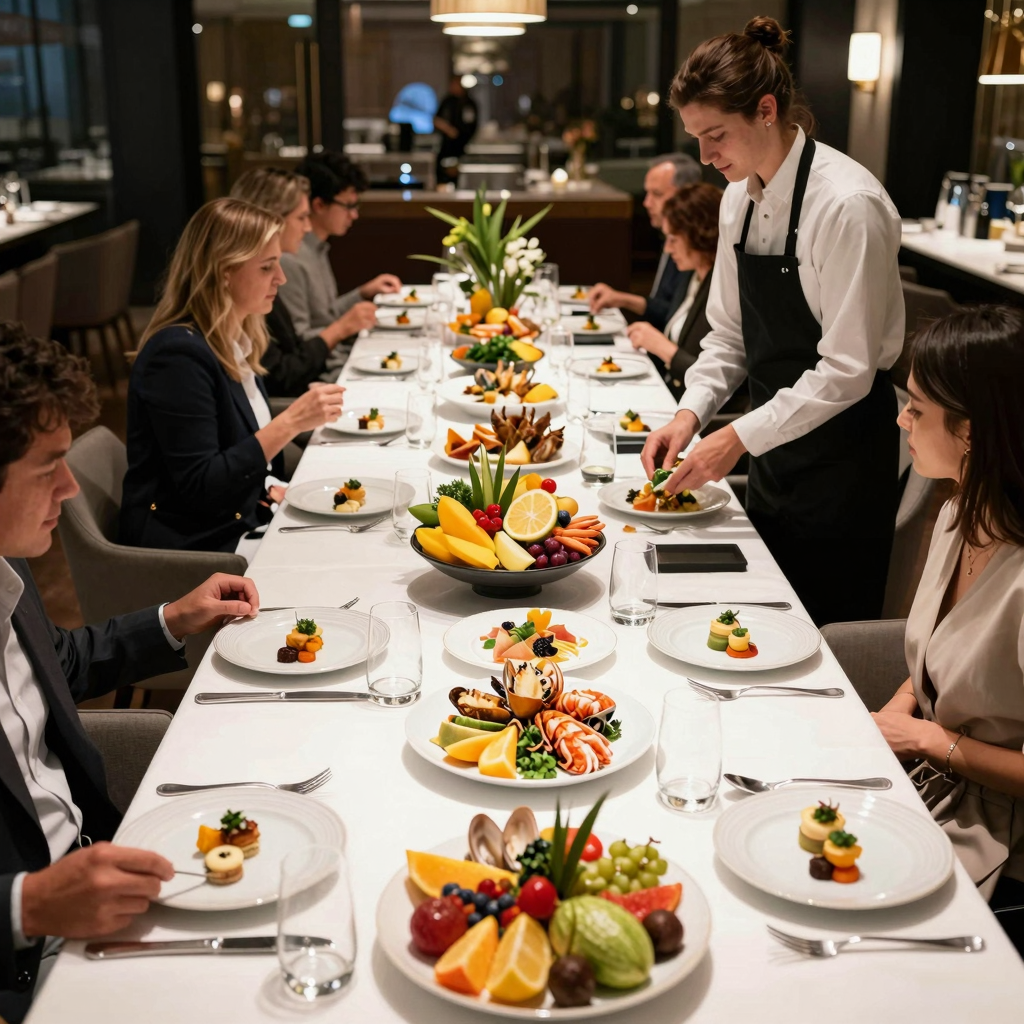
Image Alt Text: A luxurious buffet setup in a high-end restaurant showcasing gourmet dishes and an elegant ambiance.