
Can a Restaurant Resell Buffet Food?
The allure of buffet dining is undeniable, as the colorful spread of dishes often leads patrons to overindulge, letting their culinary fantasies come to life. Buffets attract a variety of customers driven by the desire to try multiple flavors and dishes in one sitting. However, the question arises: Can a restaurant resell buffet food?
While the convenience and cost-effectiveness of buffets are appealing, they come with complex regulations surrounding food safety and resale practices. Government mandates and local laws impose strict regulations on how leftover food, especially in buffet settings, must be handled. For instance, the U.S. Food and Drug Administration (FDA) enforces stringent regulations under the Food Safety Modernization Act, which prohibits the reuse of any food that has been served to guests. Restaurants must adhere to these laws to avoid serious consequences such as fines, legal action, or even closure of their establishments.
In addition to maintaining compliance with restaurant regulations, the health risks associated with food safety become paramount. Once buffet food is exposed to public handling, it faces significant contamination risks from airborne pathogens and cross-contamination via utensils. Re-selling such food is not just a violation of health standards; it’s a potential threat to public safety. Understanding the complexities of these regulations is crucial for restaurant owners who operate buffets. To dive deeper into buffet offerings and their management, you can learn more about our range of buffet options and stay on the right side of food safety practices.
“No matter if food is made fresh or pre-packaged, as long as it meets the national standards and nutritional guidelines, it is a safe and healthy choice for consumers. Understanding food safety knowledge is crucial in making informed choices that truly lead to healthy eating.”
- Shen Rong, Senior Engineer at Nanjing Product Quality Supervision and Inspection Institute source
The topic of whether a restaurant can resale buffet food is a complex one, intertwined with health regulations and consumer safety. To learn more about the buffet offerings at Royal Buffet and how they prioritize food safety, explore our options.
Restaurant Regulations on Food Resale
Restaurants face numerous regulations governing food resale, primarily focused on maintaining food safety, compliance with health laws, and preventing food waste. Understanding these regulations is crucial for business owners, especially when considering options such as reselling buffet food.
Food Safety Laws and Health Department Regulations
The U.S. Food and Drug Administration (FDA) has established the Food Code, which serves as a model for state and local food safety laws. This code outlines sanitation practices and food handling procedures that must be adhered to by restaurants, safeguarding the health of consumers. Notably, the guidelines state that prepared food cannot be resold if it has been served to customers, aiming to avoid contamination risks associated with previously served food.
Moreover, health departments across various states enforce their own regulations pertaining to food resale:
- California: Restaurants can donate unserved prepared food to non-profit organizations but cannot resell food that has been served. The state also implements strict food labeling requirements for any resold or donated items, with protective measures to encourage responsible food donation practices (California Department of Public Health).
- New York: Similar to California, New York prohibits the resale of served food while allowing donations to charities under its Good Samaritan law, which protects businesses from liability (New York State Department of Health).
State Variability and Compliance Best Practices
Regulations can vary greatly from state to state regarding what foods can be resold and how they should be handled. A comprehensive report from the USDA Food Waste Reduction Alliance indicates that while most states allow the resale of unopened and unprepared food items, they prohibit the resale of food that has been previously served (USDA Food Waste Reduction Alliance). Colorado and Oregon, however, stand out as exceptions where certain surplus food reselling practices are allowed under specific conditions.
Best Practices for Business Compliance
- Stay Informed: Regularly review state laws related to food safety and resale regulations, as these can change frequently. Utilize both local health department resources and federal guidelines to stay compliant.
- Labeling: Clearly label all resold food items, especially if they are donated or prepared. This ensures transparency and helps mitigate health risks associated with food contamination.
- Training: Train staff on food safety standards and compliance regulations to minimize the risk of health code violations. An informed team is crucial in maintaining operational standards and ensuring customer safety.
- Documentation: Keep meticulous records of food handling and donation practices. In the event of an inquiry or health inspection, having detailed logs can demonstrate compliance and safety measures.
By adhering to these regulations and best practices, restaurants can not only mitigate the risks associated with food resale but also contribute positively to their communities by reducing food waste and promoting food safety.
Exploring Restaurant Success Stories in Reselling Buffet Food
The practice of reselling buffet food has prompted a wealth of discussion among restaurateurs and food safety experts alike. While many restaurant owners seek to mitigate waste by redistributing excess food, the methods employed can yield wildly different results. Below, we summarize several case studies-both successful and unsuccessful-to uncover key lessons for restaurant owners considering food resale options.
Successful Case Study: Food Waste Reduction at a Hotel Chain
A recent article by the National Restaurant Association highlighted how a mid-sized hotel restaurant chain effectively reduced buffet food waste by 42% over 12 months. Through techniques such as dynamic portioning, real-time inventory tracking with IoT sensors, and focused staff training, they not only cut operational costs but also began reselling surplus dishes to local food banks. This initiative enhanced their brand image and increased customer loyalty, culminating in a 15% rise in repeat business.
Key Takeaways:
- Technology Integration: Utilize inventory tracking to minimize waste and ensure safe food practices.
- Community Engagement: Building partnerships with local organizations can enhance brand loyalty.
Unsuccessful Case Study: The Risks of Food Resale
Conversely, a cautionary tale surfaced in Food Safety Magazine regarding a regional buffet chain that attempted to resell leftover food to a local catering service after closing hours. Due to improper temperature handling and delayed pickups, the food became contaminated. This resulted in a serious recall, subsequent hospitalization of customers, and a class-action lawsuit, leading to significant financial losses and the closure of three locations.
Key Takeaways:
- Food Safety Compliance: Rigorous adherence to food safety guidelines is essential for any resale operation.
- Risk Management: Evaluate the potential long-term implications of food resale against the immediate financial benefits.
Innovative Practices in High-End Resorts
Luxury resorts have started to make headlines for their pioneering approaches to buffet waste management. According to an article in the Forbes Hospitality & Leisure Report, one resort implemented an AI-driven system to predict buffet demand accurately, based on multiple factors such as weather and guest demographics. Notably, instead of reselling food, they redirected organic waste towards composting, generating supplementary income through carbon credits. This innovative model resulted in a $120,000 annual savings and reinforces a commitment to sustainability.
Key Takeaways:
- Data-Driven Decision Making: Leverage technology to forecast guest behavior and optimize services.
- Sustainability Practices: Creative food waste solutions can enhance profit without compromising safety.
Lessons from Global Practices
Research initiatives, such as one conducted in Taiwan and documented by PubMed Central, focused on corporate management strategies to minimize waste. These strategies included adjusting dish quantities in real-time and training staff on customer behavior to improve operational efficiency.
Conclusion
Restaurants considering reselling buffet food must tread carefully, weighing the benefits against potential drawbacks. Safety and community impact can heavily affect long-term success, meaning a thorough understanding of regulations and community ties is imperative. For further insights on managing buffet expectations and community relations, see our related articles.
In the dynamic restaurant industry, learning from both successful and unsuccessful cases can guide future endeavors. Evaluate, innovate, and engage with the community to enhance your restaurant’s food resale practices.
Comparison of Food Resale Options for Restaurants
When considering the management of surplus food in restaurants, owners have several options available for either donating, reselling, or partnering with local organizations. Below is a comparison table outlining the pros and cons of each option, integrating keywords such as surplus food management and buffet food resale.
| Option | Pros | Cons |
|---|---|---|
| Donating Surplus Food | – Tax deductions available (Good Samaritan Food Donation Act) |
- Enhances brand reputation
- Supports community hunger relief
- Reduces waste by up to 30%
- Strong customer goodwill | – Logistical complexity
- Liability concerns (though protected by law)
- Requires reliable donation partners
- Limited flexibility in donation timing |
| Reselling to Customers | – Generates additional revenue - Can increase profit margins by 8-12%
- Uses platforms for “ugly” produce or discounts
- Reduces waste if managed properly | – Needs effective inventory and pricing strategies
- Risk of consumer backlash if perceived as selling low-quality food
- Regulatory scrutiny for food safety compliance |
| Partnering with Local Food Banks | – Streamlined logistics via established networks - Strong community goodwill
- Helps meet ESG goals
- Potentially high customer loyalty and media visibility | – Limited flexibility in timing
- Potential reputational risks if donations are not managed transparently
- May require statistical reporting on impacts |
This comparative analysis highlights that combining strategies-such as donating unsellable items and reselling usable surplus-often leads to the best outcomes for both profitability and community impact. For more information on buffet options, consider checking out Royal Buffet’s offerings and menu details.
By understanding the benefits and drawbacks of each food resale option, restaurant owners can better decide how to manage surplus food, ensuring that they contribute positively to their communities while also supporting their bottom lines.
Food Safety Concerns When Reselling Buffet Food
Reselling buffet food is a common practice among many restaurants, but it comes with significant food safety concerns that business owners must address to comply with health regulations and maintain customer trust. This section delves into potential issues related to food storage, temperature control, and hygiene practices.
Food Storage Practices
Proper food storage is essential to prevent the growth of harmful bacteria. Buffet foods must be stored according to strict guidelines:
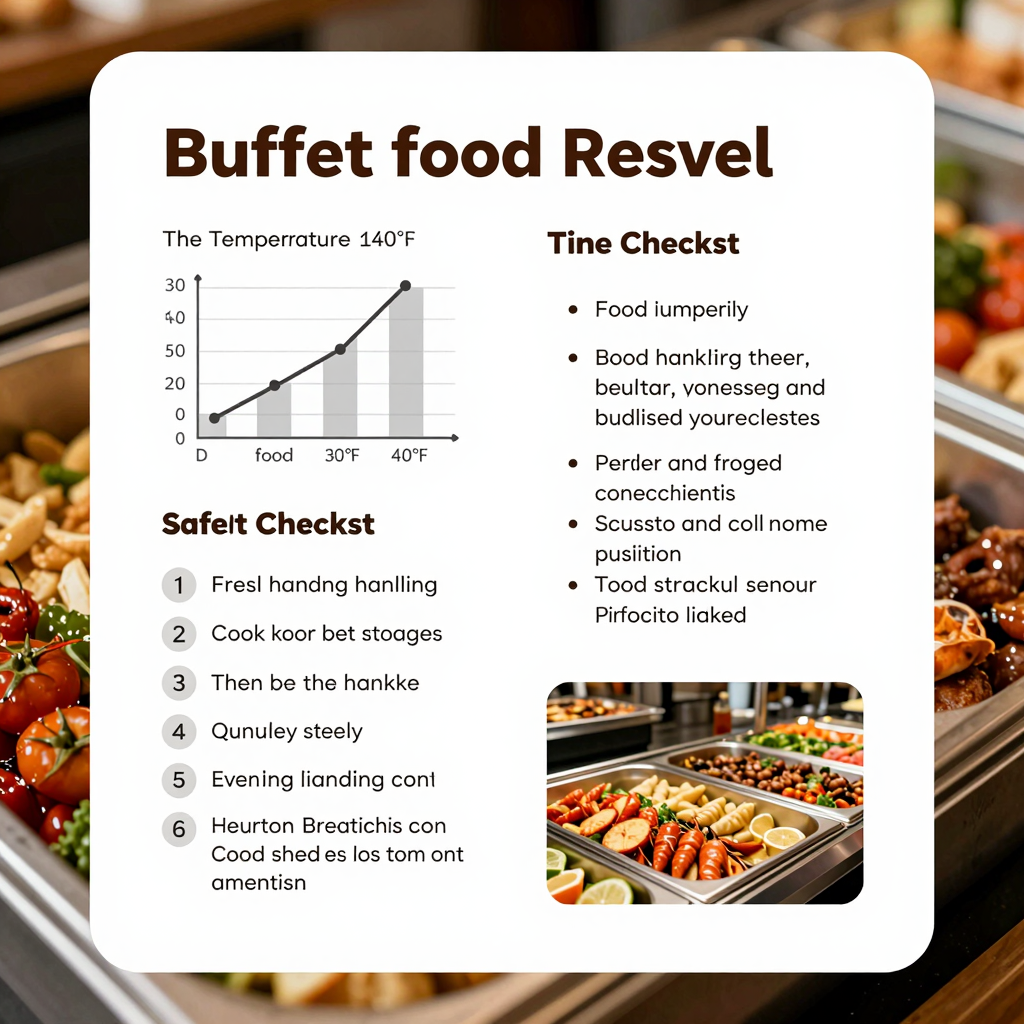
- Cold Foods: Must be kept at or below 41°F (5°C), while hot foods should be maintained at 135°F (57°C) or higher. Foods left at room temperature for over two hours (or one hour if the ambient temperature exceeds 90°F/32°C) must be discarded to prevent foodborne illnesses [FDA Food Code 2022].
- Labeling and Rotation: Establish a clear system for labeling food with preparation and discard dates. Additionally, implementing the First In, First Out (FIFO) method helps ensure older products are used first, reducing the risk of spoilage and waste.
Temperature Control
Maintaining proper temperatures is crucial for food safety:
- Monitoring: Continuous temperature monitoring with calibrated thermometers is essential to ensure that food remains within safe temperature zones [CDC Data on Restaurant Outbreaks]. Studies have shown that improper temperature control is a leading cause of foodborne illness outbreaks in restaurants, with over 60% of outbreaks associated with inadequate cooling or heating of food.
- Cooling Procedures: After cooking, foods should be rapidly cooled to safe temperatures, ideally below 70°F (21°C) within two hours and to refrigeration temperatures within four hours. Establishing clear protocols for cooling can mitigate hazards related to temperature abuse.
Hygiene Practices
Ensuring hygiene in food handling is another vital aspect of safety:
- Utensil Use: Always use serving utensils to avoid cross-contamination when clients serve themselves from buffets. This practice not only protects the food but also promotes a culture of cleanliness and safety within the restaurant.
- Hand Washing: Encourage frequent hand washing among staff and ensure they are trained in proper food handling and hygiene standards. Regular training sessions can increase awareness and compliance regarding food safety practices [National Restaurant Association SafeServ Program].
- Visible Compliance: Posting clear signage regarding the importance of hygiene can encourage both staff and diners to adhere to safety practices, thereby improving overall compliance and reducing the risk of foodborne illness.
Conclusion
Business owners looking to resell buffet food should prioritize understanding and implementing these food safety practices. By focusing on proper food storage, maintaining appropriate temperatures, and enforcing strict hygiene protocols, restaurants can not only protect their customers but also enhance their reputation and operational efficiency within the industry. As a reminder, visit us at Royal Buffet for more information on buffet safety and food handling guidelines.
In conclusion, understanding the regulations and food safety protocols surrounding the resale of buffet food is crucial for any restaurant aiming to explore this avenue. Businesses must be aware of the legal implications and the strict guidelines in place to ensure food protection and quality. This includes adhering to proper storage temperatures, maintaining hygiene standards, and ensuring that any food repurposed for resale meets safety regulations set forth by authorities such as the FDA. Failure to comply with these regulations could lead to significant legal repercussions and harm your business’s reputation.
Moreover, food safety should never be compromised. Implementing robust safety and hygiene measures is not just about obeying the law-it’s also about building trust with your customers. Ensuring that food is safe for consumption is paramount, especially when it involves buffet leftovers that might be reused or resold. Take time to educate your staff on the importance of these guidelines to foster a culture of safety within your establishment.
If you’re considering reselling buffet food and are unsure of how to navigate these complexities, don’t hesitate to reach out to us at Royal Buffet. We can provide tailored solutions to meet your business needs and help you navigate the regulatory landscape effectively. Contact us today to learn more about how we can support your buffet operations and ensure compliance with the stringent standards of food safety.
Food Waste Statistics in Buffet Services
Food waste is a significant issue in buffet-style restaurants, impacting not just finances but also the environment. Understanding food waste statistics is essential for restaurant owners considering the resale of buffet food.
Key Statistics:
- Average Daily Food Waste in Buffet Services:
- Weekdays: 125 grams per customer
- Weekends: 92 grams per customer
- Food Waste Rates in Large Events: 15% to 20% of total food produced
The statistics indicate a noticeable difference in food waste between weekdays and weekends, which is often attributed to varying customer numbers and dining habits. Furthermore, large events show a considerable waste rate, which restaurants can mitigate through strategies such as food resale and optimizing portion sizes.
Visual Representation
Below is a chart representing the average daily food waste in buffet services:
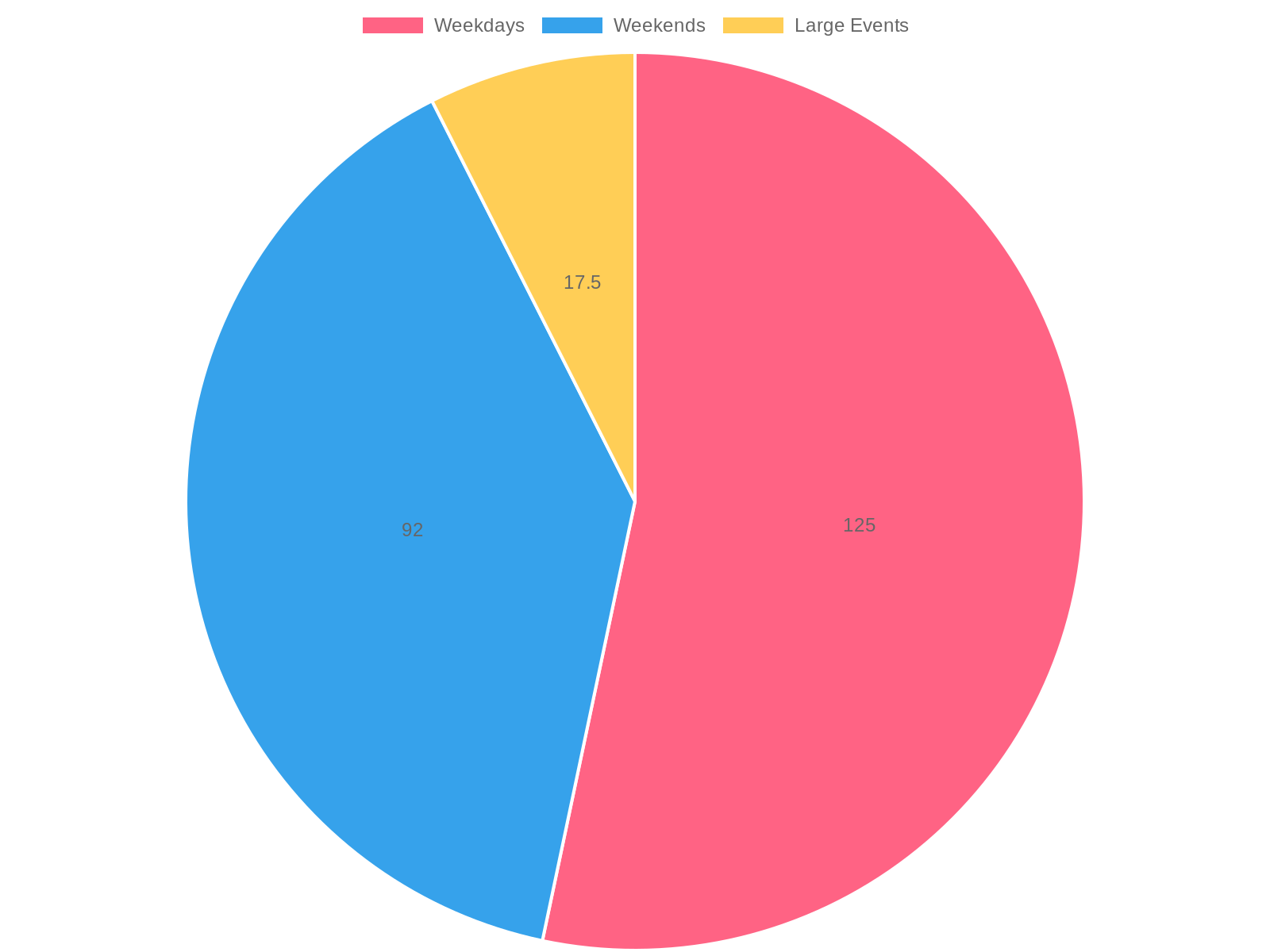
This chart illustrates the average daily food waste in grams per customer across weekdays, weekends, and large events, highlighting the potential for reducing waste through effective management practices.
By addressing the waste generated, buffet service operators can explore opportunities for food resale, contributing to a more sustainable business model. For more information about our services, check our Royal Buffet options in Findlay, Ohio.
Benefits of Reselling Buffet Food
Reselling buffet food can bring about numerous advantages for restaurant owners, ranging from practical benefits such as increased profits and reduced waste, to emotional and community-oriented impacts that foster goodwill and sustainability.
Reducing Food Waste
One of the most significant benefits of reselling buffet food is the reduction of excessive food waste. Buffet establishments are prone to overproduction, as they need to satisfy varying customer appetites. Traditionally, leftover food may end up in the trash, contributing to the staggering 1.3 billion tons of food wasted globally each year. Reselling leftover buffet items, rather than discarding them, can dramatically decrease this environmental impact. According to the National Restaurant Association, implementing food waste reduction strategies can cut waste rates by more than 30%. Utilizing methods such as dynamic pricing and repurposing leftover items not only minimizes waste but also creates an additional revenue stream for restaurants.

Increasing Profit Margins
Another potent advantage is the potential for increased profit margins. Reselling leftover buffet food allows restaurants to salvage what would otherwise be a guaranteed loss. While detailed statistics are sparse, innovative solutions like smart food waste monitoring systems suggest an average waste reduction of up to 54%. This implies that the more effectively restaurants manage their leftover inventory, the higher their potential profitability. The Culinary Convenience Insights emphasizes how maintaining food temperature through innovative food warmer displays can significantly increase sales during peak times.
Furthermore, engaging in reselling can leverage customer loyalty. Customers appreciate businesses that show commitment to sustainability and reduction of waste, likely resulting in increased repeat patronage. Emphasizing this commitment can create a positive brand image, enhancing customer relationships as they feel more invested in the values your restaurant upholds.
Community Contributions
Beyond the financial implications, reselling buffet food also contributes positively to the community. Many restaurants engage in initiatives that provide leftover food to local food banks or charities. Such actions not only foster communal support but also establish a restaurant’s reputation as a socially responsible business. By sharing surplus with those in need, restaurants can create meaningful connections within their communities and offer a helping hand to those experiencing food insecurity. This not only brings a sense of fulfillment to restaurant owners but also helps build a loyal customer base that values social impact.
Emotional and Practical Benefits
Finally, the emotional satisfaction derived from knowing that leftover food is not wastefully discarded, but rather repurposed for others’ use, is immeasurable. Restaurant owners can take pride in their commitment to sustainability and community well-being. Employees feel encouraged and motivated when they contribute to initiatives that make a difference.
In conclusion, reselling buffet food fosters a cleaner environment, enhances profitability, and contributes positively to the community, while also enriching the emotional landscape of restaurant management. As the restaurant industry becomes more conscientious, embracing the practice of reselling buffet food is a step toward sustainable business practices and community involvement. For more insights on buffet food options and management, learn more about our buffet offerings.