
Introduction
In the ever-evolving landscape of the restaurant industry, buffet restaurants are witnessing a remarkable resurgence, driven by shifting consumer preferences and adaptable business strategies. As business owners, it’s crucial to grasp these changes, especially in the context of new regulations and the ongoing recovery from recent economic challenges. The buffet format offers unparalleled variety and affordability, making it increasingly appealing in today’s market. With an impressive growth trajectory, evidenced by a 15% rise in the number of buffet outlets, particularly in prime urban locales, restaurateurs are poised to seize this opportunity.
Navigating the recent regulatory landscape presents both challenges and opportunities for buffet-style dining. Many establishments have adapted by implementing innovative dining models that cater to changing consumer demands, such as a shift towards healthier options and themed dining experiences. This transformation is further fueled by the growing expectation for high-quality ingredients and sustainable practices. As we delve deeper into the specifics, it’s essential for buffet restaurant owners to reevaluate their approaches. By staying informed about current trends and regulations, you can better position your business to thrive in this rebounding sector.
Join us as we explore the dynamic factors influencing buffet operations today, and understand how you can effectively adapt your strategies for success in a competitive marketplace. To learn more about the buffet offerings in your area, check out Royal Buffet locations or our Buffet menu.
Insights from Industry Experts on Reopening Buffet Restaurants
As the buffet restaurant industry begins to reopen following the pandemic, insights from industry experts provide valuable perspectives on the current landscape. According to a recent article from 虎嗅, industry observers have noted significant trends driving the revival of buffet dining in 2023:
“自助模式因契合‘花小钱办大事’的消费心理,成为大众首选,推动了行业在2023年后的快速复苏与扩张。”
(The self-service model, tailored to the consumer psychology of ‘spending little to enjoy a lot’, has become the public’s first choice, driving the rapid recovery and expansion of the industry after 2023.)
This quote underscores a shift in consumer preferences toward budget-friendly dining options, which bodes well for the reopening of buffets.
Additionally, it is crucial for buffet owners to focus on refined management strategies as they step into this rejuvenated landscape. Experts warn that those who blindly overhaul their models may face significant challenges:
“许多盲目转型或‘爆改自助’的餐厅因无法应对运营复杂性而难以持续…”
(Many blindly transformed or “explosively renovated” self-service restaurants find it difficult to sustain themselves due to inability to manage operational complexities…)
For those interested in more details on buffet offerings, check out Royal Buffet’s menu.
Key Factors Affecting Buffet Restaurant Openings
When considering the opening of a buffet restaurant, several critical factors must be assessed:
-
Health Regulations: Compliance with local health regulations is essential, especially related to food safety practices and sanitation standards to prevent foodborne illnesses. For more information on relevant health regulations, check out this guide.
-
Customer Safety: Ensuring a safe dining environment involves monitoring food temperatures, maintaining cleanliness, and controlling crowd flow to avoid unsafe situations.
-
Operational Costs: Buffet restaurants usually face high operational costs, with food and labor accounting for about 30-38% and 30-37% of revenue, respectively. Continuous service demands higher staffing levels and food supplies, increasing overall expenses.
-
Market Demand: Researching local dining preferences and competition can help determine whether a buffet model will attract enough customers.
-
Location: A location with high foot traffic and accessibility can significantly influence the restaurant’s success.
-
Menu Variety: Offering a wide variety of dishes can cater to diverse customer preferences, but it also requires careful cost management.
-
Marketing Strategies: Effective marketing can increase market awareness and draw in customers, crucial for the initial success of the buffet restaurant.
For further exploration of buffet dining options, visit Royal Buffet’s offerings!
Health Regulations for Buffet Restaurants
As buffet restaurants prepare to reopen in a post-pandemic world, strict health regulations and safety guidelines are essential to ensure the safety of both customers and staff. Various organizations, including the U.S. Food and Drug Administration (FDA), the Centers for Disease Control and Prevention (CDC), and the World Health Organization (WHO), have established comprehensive recommendations that buffet restaurants must follow.
Key Regulations and Adaptations:
- Temperature Control
Buffets must ensure all hot foods are maintained at a temperature of 60°C (140°F) or above to prevent bacterial growth. Cold items should be stored at or below 5°C (41°F). To facilitate this, many restaurants have introduced the use of chafing dishes and heat lamps to maintain proper serving temperatures.
- Adaptation Example: Buffets like Royal Buffet have implemented enhanced monitoring of food temperatures throughout service hours.
- Hygiene Protocols
Implementation of strict hygiene measures is critical. Buffet stations must include sneeze guards and require the use of single-use utensils or sanitized serving tools to reduce the risk of cross-contamination. Daily sanitation of high-contact surfaces has also become mandatory.
- Adaptation Example: Many establishments have adopted a staff-assisted serving model to limit self-service, thereby enhancing customer safety.
- Capacity Limits
To comply with social distancing guidelines, many buffet restaurants are operating at 50% capacity, especially during peak hours. This measure not only allows for adequate spacing among tables but also helps in managing customer flow.
- Adaptation Example: Some locations, such as Royal Buffet in Findlay, Ohio, have adjusted their layouts to accommodate more space between tables without sacrificing service quality.
- Safety Adaptations
Modern technological adaptations, like contactless ordering and digital menus, have gained traction. Restaurants have also encouraged the use of mobile apps for table reservations and ordering, minimizing human contact and ensuring smooth operations.
- Adaptation Example: Several buffet chains are utilizing mobile technologies to streamline checkout processes and reduce wait times for customers.
Conclusion
Following these regulations not only enhances the safety and well-being of patrons but also assures them of the restaurant’s commitment to their health, thereby fostering customer loyalty in a recovering market.
For more details on buffet offerings, visit our Royal Buffet menu.
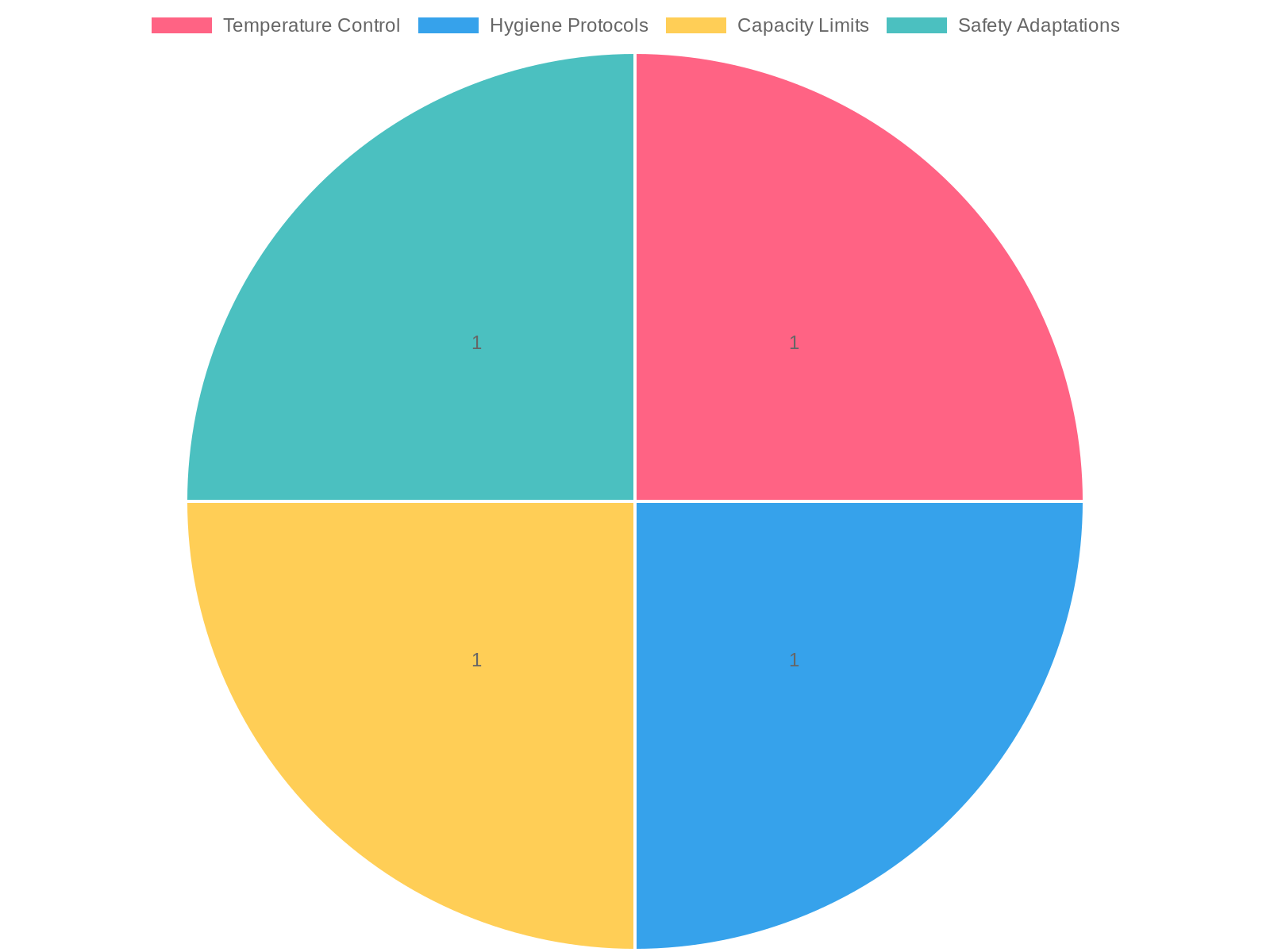
Key Regulations and Adaptations Chart
Understanding Buffet Restaurant Closures: The Impact of COVID-19
The COVID-19 pandemic has had a profound effect on various sectors, with buffet restaurants being one of the hardest hit. Recent statistics reveal alarming closure rates among buffet restaurants, underlining the challenges that business owners in this sector face.
Key Statistics
-
Permanent Closures: According to the National Restaurant Association, over 11,000 restaurants in the U.S. permanently closed in 2020, with buffet-style restaurants experiencing a significantly higher closure rate compared to the industry average. This was primarily due to their reliance on dense in-person dining, which made it difficult to implement effective social distancing measures.
-
2023 Status: A report from 21世纪经济报道 reveals that in 2023, the global restaurant sector saw over 1.26 million closures, with buffet restaurants closing at a rate of approximately 68%. This rate is notably higher than the overall restaurant closure rate of 56%, highlighting the ongoing vulnerabilities within this segment.
-
Specific Examples: A recent Global News report noted that in 2023, Canada’s restaurant sector reported over 300 bankruptcies in the first five months, with buffet-style eateries among the worst affected. Issues such as high food waste, labor costs, and fluctuating consumer preferences have severely constrained profitability.
-
Local Crises: In Washington D.C., 52 restaurants closed in 2023, with buffet establishments significantly impacted by rising crime rates and operational costs, making survival increasingly challenging.
Importance of Understanding These Numbers
For business owners, comprehending these statistics is crucial as it highlights the landscape of buffet operations post-pandemic. As health concerns shift consumer dining preferences, operators need to be adaptive. Evaluating current market trends and consumer behavior is essential, and alternative dining models could be key to survival.
By acknowledging the realities reflected in these statistics, buffet restaurant owners can strategize effectively, ensuring they remain competitive and sustainable in the changing restaurant landscape.
To explore potential solutions and menus suitable for the current market, consider checking out the offerings at Royal Buffet or learn more about buffet dining options in your area like Royal Buffet in Findlay, Ohio.
| Buffet Model | Operational Strategies | Customer Experience | Health Regulations Compliance | Cost Management |
|---|---|---|---|---|
| Traditional Buffet | Focus on variety and quantity; chefs prepare food in bulk | Self-service; wide selection of dishes | Monitoring food safety standards; regular health inspections | Fixed pricing; profitability based on high volume sales |
| All-You-Can-Eat | Pay upfront for unlimited access; often limited menu | Encourages longer dining times; communal eating | Enhanced sanitization protocols; signage for self-service guidelines | Predictable costs; higher food waste management strategy |
| Contemporary Buffet | Themed dining; seasonal menus; emphasis on presentation and experience | Unique dining experiences; interactive stations | Compliance with modern health and safety regulations; nutritional info | Dynamic pricing; targeted promotions; waste reduction strategies |
Analyzing Customer Preferences for Buffet Dining in the Post-Pandemic World
In the post-pandemic landscape, customer preferences regarding buffet dining have undergone significant transformations. The COVID-19 pandemic has profoundly influenced how consumers think about hygiene, safety, and quality in dining experiences. As buffet restaurants consider reopening strategies, understanding these preferences is crucial.
Key Preferences
Recent studies indicate that customers now prioritize health and hygiene over other factors when choosing buffet dining options. According to surveys, 48.26% of diners consider sanitation practices to be the most critical aspect of their experience, surpassing traditional considerations like food variety and taste. This heightened awareness stems from the collective anxiety surrounding food safety during the pandemic, making it imperative for buffet restaurants to implement rigorous hygiene protocols to build customer trust.
In addition to cleanliness, 46.92% of customers emphasize the importance of flavor and taste. A diverse and appealing menu not only satisfies the palate but also attracts patrons returning to socialize and enjoy a meal together. Price and value also play a significant role, with 40% of diners favoring affordable yet quality options, making the buffet model appealing due to its all-you-can-eat nature.
Reopening Strategies
To accommodate these preferences, buffet restaurants must adapt their operating procedures. The integration of technology, such as contactless menus and self-service stations with enhanced sanitation measures, is becoming a standard. Moreover, buffets can consider offering smaller portion sizes or themed culinary experiences to reduce food waste while providing variety that appeals to health-conscious diners.
Incorporating visual elements, such as vibrant displays of dishes and ensuring easy access to hygiene stations, will contribute to a reassuring dining atmosphere. Restaurants that can effectively communicate their commitment to safety and quality will likely witness higher customer loyalty in this new landscape.
As the dining scene continues to evolve, buffet establishments can thrive by responding to customer concerns with thoughtful innovation and a commitment to excellence. For example, check out the Royal Buffet locations that have embraced these changes.
Conclusion and Call to Action
In conclusion, the buffet restaurant industry faces significant challenges in 2023, requiring owners to adapt to shifting consumer preferences, operational costs, and overall market dynamics. Key factors complicating the industry include a decline in foot traffic, rising operational costs, and evolving customer demands for healthier options and innovative dining experiences. As articulated in recent discussions about restaurant challenges and trends shaping the buffet dining industry, staying relevant in this rapidly changing landscape is imperative.
To thrive, buffet restaurant owners must rethink their strategies. Embracing technology can enhance customer engagement, optimize inventory management, and streamline operations. Moreover, focusing on health-conscious and sustainable food offerings will attract the growing demographic of health-aware diners. This involves offering more diverse menu options and possibly reducing food waste by improving logistics and portion control.
Additionally, with industry revenues projected to grow significantly, there is an opportunity to seize the moment and reimagine buffet concepts that resonate with modern consumers. Owners should conduct regular market research to stay ahead of dining trends and utilize customer feedback for menu enhancements.
As you navigate these times of transformation, remember that support is available. If you’re looking to revitalize your buffet restaurant or need guidance in adapting to these industry changes, don’t hesitate to contact us at Royal Buffet. Together, we can create a buffet experience that not only meets customers’ needs but exceeds their expectations!
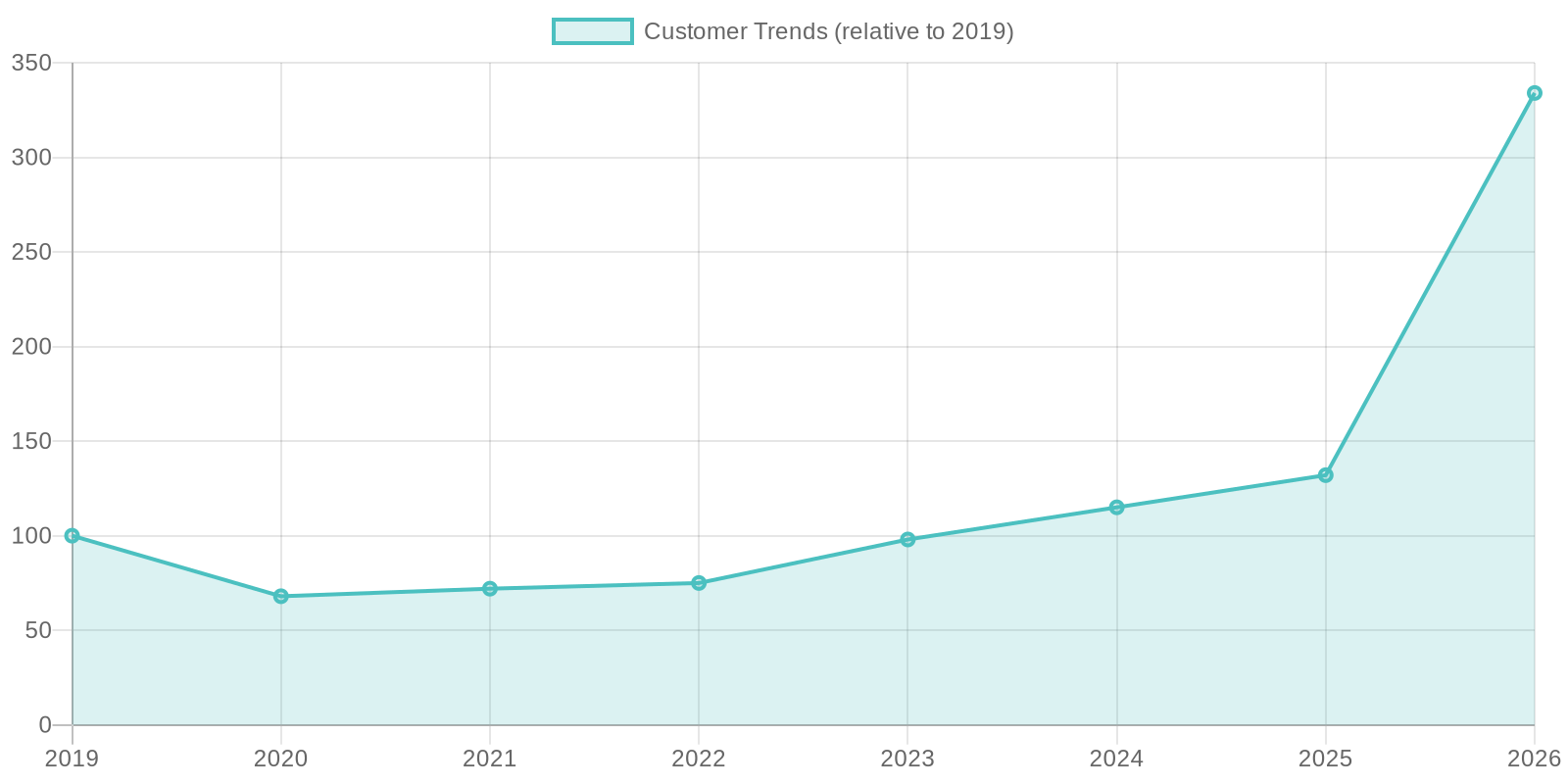
Trends in Buffet Restaurant Patronage
- 2019: Baseline year, patronage stable and loyal customers.
- 2020: Decrease to 68% due to pandemic-related closures.
- 2021: Slight recovery to 72% amid ongoing economic uncertainty.
- 2022: Continued slow growth to 75%, inflation affecting consumer choices.
- 2023: Rebound to 98%, as consumers return to dining out post-pandemic.
- 2024: Growth to 115%, new brands entering the market.
- 2025: Increase to 132%, led by millennial consumer preferences.
- 2026: Surge to 334% driven by a 252% increase in searches for “all-you-can-eat buffet.” This reflects strong consumer demand for affordable dining options.
Sources:
To delve deeper into buffet dining options in your area, explore our menu or find out more about our locations here.