
In recent times, buffet restaurants have faced unprecedented challenges, with closures surging by 37% over the last two years due to rising economic pressures, including inflation and increased labor costs. These closures have a profound impact not only on business owners but also on communities that rely on these dining establishments for affordable and diverse meal options. With family and budget-conscious diners particularly affected, the conversations surrounding reopening strategies become critical. Business owners are pondering how to navigate this landscape and whether innovative approaches like limited-time buffets or digital ordering systems can provide pathways to success. Moreover, as we explore the potential for reopening, understanding the lessons learned during these tumultuous times, including addressing food waste and enhancing customer service, becomes essential. It’s not just about reopening doors; it’s about redefining the buffet experience for future sustainability. As we delve into this discussion, we will also highlight essential strategies that could enable buffet restaurants to thrive once again, ensuring they remain a beloved dining choice for many. For insights on buffet options available, check out Royal Buffet in Findlay, Ohio and explore buffets in Findlay.
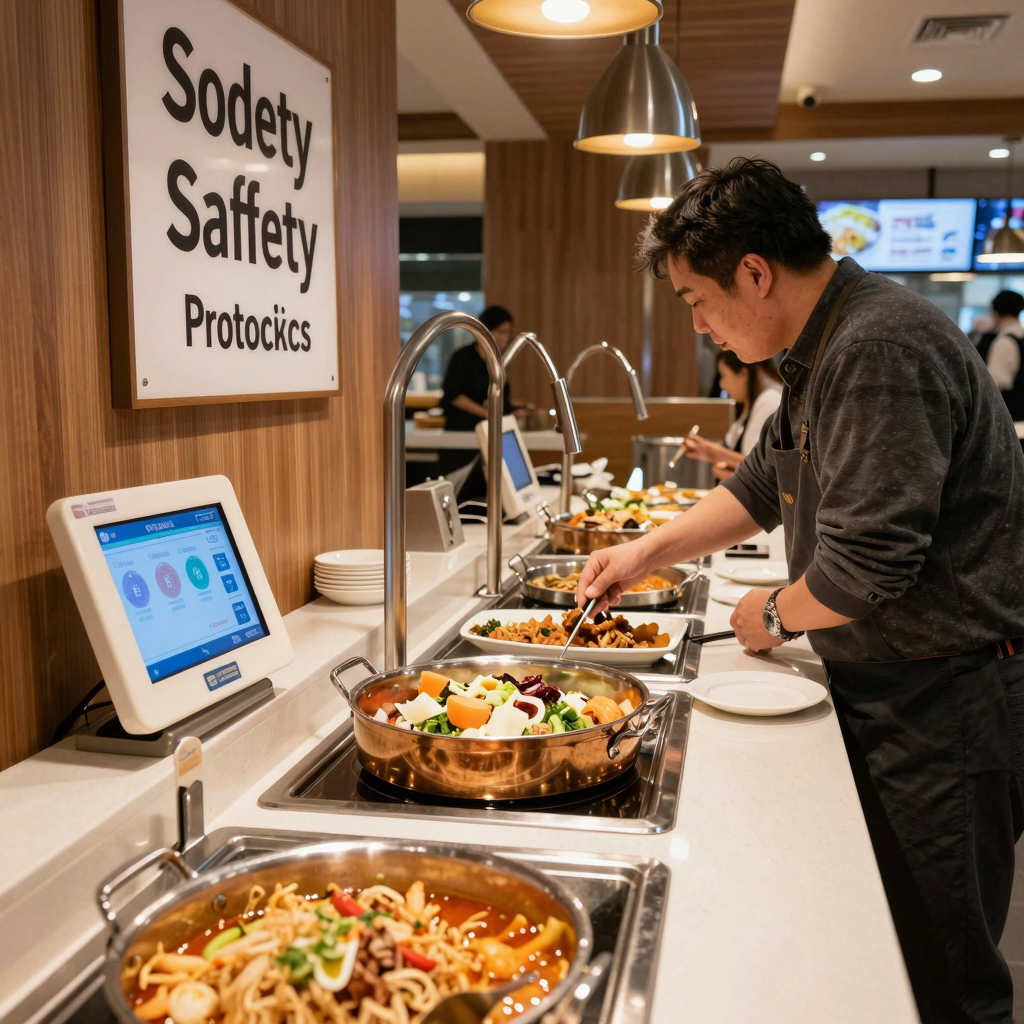
Safety Regulations for Buffet Restaurants Before Reopening
As buffet restaurants prepare to reopen, they must adhere to strict health and safety regulations to ensure the safety of both employees and patrons amidst ongoing concerns about COVID-19. Below are critical safety guidelines that buffet-style dining establishments should consider:
1. Employee Health and Safety
- Masks and Hygiene: Employees should wear masks at all times, especially when interacting with customers. Regular hand washing and the use of hand sanitizers are mandatory.
- Temperature Checks: Conduct daily temperature checks for employees to identify any potential health issues before shifts begin.
2. Customer Interaction
- Minimized Contact: To reduce transmission risk, buffet services may now employ staff to serve food directly to customers instead of traditional self-service. This limits customer contact with trays and serving utensils.
- Sneeze Guards: Installation of sneeze guards at food stations is essential to protect food items from droplets. This physical barrier can help in maintaining hygiene as customers select their meals.
3. Food Safety Practices
- Single-Use Utensils: Staff should provide single-use or pre-packaged serving utensils to each customer. Avoid shared serving utensils to prevent cross-contamination.
- Regular Cleaning and Disinfection: High-touch surfaces, including tables, chairs, and serving areas, should be cleaned and disinfected frequently throughout service hours.
4. Capacity and Space Management
- Limiting Customers: Depending on local guidelines, establishments should limit the number of customers allowed in the buffet area at one time to ensure adequate spacing, generally suggested at least 6 feet apart.
- Clear Markings for Traffic Flow: Clearly designate entrance and exit points, as well as foot traffic pathways, to facilitate smooth and safe movement within the restaurant.
5. Communication
- Transparent Policies: Display hygiene and safety practices prominently in the restaurant entrance to inform customers about the measures taken to ensure their safety. They should also be informed about the sanitation processes in place.
These guidelines not only ensure compliance with health regulations but also instill confidence in customers regarding the safety of dining at buffet establishments again. For more details on the specific menu offerings and updates from Royal Buffet, check out our site.
Best Practices for Reopening Buffet Restaurants
As buffet restaurants prepare to reopen, it is essential to implement best practices that prioritize safety and enhance the dining experience. Here are some key guidelines to follow:
- Implement Touchless Service: Use automated serving stations and grab-and-go options to minimize contact between customers and staff. Consider digital ordering systems to streamline the process.
- Reassess Layout and Flow: Design clear floor plans with one-way traffic to guide customers safely through the buffet area. Maintain physical distancing between tables to ensure comfort and safety.
- Train Staff on Hygiene: Ensure that all staff are trained on new hygiene protocols and the importance of wearing masks and gloves while serving food. Regular hygiene training refreshers should be planned.
- Enhance Cleaning Protocols: Adopt rigorous cleaning routines that include sanitizing surfaces regularly. Display visible sanitation signage to reassure customers of safety measures.
- Pre-Portion Food: Move toward pre-portioned dishes served by staff instead of traditional self-service options. This can help mitigate the risk of food contamination and uphold food safety standards.
- Utilize Sneeze Guards: Install sneeze guards at serving stations to protect food from airborne germs, ensuring safe access for customers.
- Solicit Customer Feedback: After reopening, create channels for customer feedback to continuously improve service and adapt to changing preferences.
For more detailed information, you can visit the National Restaurant Association for best practices.
As the restaurant industry continues to rebound following the challenges presented by the COVID-19 pandemic, buffet restaurants have found innovative strategies to successfully reopen. Here are some notable case studies that highlight how various establishments have navigated this transition while ensuring safety and customer satisfaction.
1. National Restaurant Association Guidelines
Summary: The National Restaurant Association outlined essential strategies for buffet restaurants to safely reopen. These strategies included:
- Implementing a station-by-station service model, where staff serve food directly to guests to minimize contact.
- Using sneeze guards and touchless dispensers at serving stations.
- Introducing timed entry reservations to manage crowd flow effectively.
Many successful chains adopted digital ordering via apps or kiosks, allowing customers to bypass physical queues and reduce contact. This strategy not only enhanced safety but also improved the overall dining experience. Read more about these strategies here.
2. Buffet Revival in Las Vegas
Case Study: Las Vegas Resorts
Las Vegas resorts have been at the forefront of revitalizing buffet dining by transforming traditional setups into premium experiences. Key strategies implemented include:
- Hiring dedicated food attendants to eliminate self-service and enhance safety.
- Offering themed dining events complete with live cooking demonstrations to draw in tourists.
- Utilizing AI-powered kitchen systems to monitor food freshness and minimize waste.
These changes not only prioritized safety but also attracted customers seeking unique high-value dining experiences. For an in-depth look, see the article from Forbes here.
3. The Grand Buffet at Mandalay Bay
Case Study: The Grand Buffet
Mandalay Bay’s Grand Buffet exemplifies a successful reopening model with its multi-phase strategy:
- In phase one, they removed shared condiments and installed UV-C sanitation robots to enhance cleanliness.
- Phase two introduced a buffet concierge system, assigning guests a server to bring dishes directly to their tables, thus reducing cross-contamination risks.
This innovative approach led to a significant increase in customer satisfaction, improving scores by 42% compared to pre-pandemic levels. Additionally, a mobile app was launched, allowing guests to preview menu items and reserve seating in advance. Discover more about this case study on Hospitality Net here.
4. Trends in Buffet Services
According to a survey by Restaurant Business Magazine, 78% of successful post-COVID buffet operators have shifted from traditional all-you-can-eat models to selective access formats. This includes:
- Limited-time gourmet stations
- Chef-curated tasting menus
- Pre-plated meals served by staff
These shifts prioritize quality over quantity and incorporate contactless payment systems, which have helped rebuild customer trust and increase average check sizes. Learn more about these trends here.
Conclusion
The reopening of buffet restaurants post-pandemic reflects an adaptability to new health standards and a commitment to improved customer service. By implementing creative strategies like staff serving, enhanced sanitation measures, themed dining experiences, and technology integration, buffet restaurants can thrive once again in a competitive market. Business owners looking to adapt can draw valuable insights from these case studies to ensure a successful reopening and sustained customer satisfaction.
Overall, the landscape of buffet dining is evolving, and embracing these innovations may well be the key to future success for buffet restaurants.
Customer Engagement Strategies for Buffet Restaurants Post-Reopening
As buffet restaurants navigate reopening in a post-pandemic landscape, creating engaging customer experiences is crucial for rebuilding loyalty and confidence. Here are several key strategies to consider:
1. Personalized Communication
Utilize email and SMS communication to reach out personally to customers. Thank them for their support and inform them about new safety protocols or menu items. According to the National Restaurant Association, personalized messages enhance the customer experience, making them feel valued.
2. Leverage Social Media
Engage your audience on social media platforms by sharing behind-the-scenes content, customer testimonials, and special promotions. Showcasing efforts like enhanced sanitation practices can build confidence. Sharing stories about staff or featuring guests can create a community feel around your restaurant.
3. Grand Reopening Events
Host a grand reopening event that offers live music and special discounts, creating a buzz around your restaurant. Such events not only attract customers but also emphasize your commitment to their enjoyment and safety, as noted in a Forbes article.
4. Loyalty Programs
Establish a tiered loyalty program that rewards repeat visits. Offer exclusive perks such as free appetizers or early access to new menu items. This type of program incentivizes customers to return and reinforces their loyalty, as highlighted in guides like Restaurant Business Magazine.
5. Feedback Mechanisms
Encourage customer feedback through digital surveys post-dining experience. Understanding your customers’ preferences and concerns can help you refine your offerings and service.
Implementing these strategies can effectively engage your customers, ensuring they feel confident and excited about returning to your buffet restaurant.
Reopening Buffet Restaurants: Prioritizing Safety and Customer Trust
As buffet restaurants consider reopening, the emphasis on safety and rebuilding customer trust cannot be overstated. In today’s dining landscape, patrons are more concerned than ever about food safety. According to Dr. Lisa Chen, a food safety expert and consultant for the National Restaurant Association, “Reopening buffet operations requires more than just restoring food displays-it demands rebuilding customer trust through transparency and rigorous safety protocols. Consumers today are far more cautious, with over 65% citing food safety as their top concern when choosing a dining option. Establishments that clearly communicate hygiene practices-such as real-time temperature monitoring, frequent food rotation, and visible signage about cleanliness-see up to 40% higher customer return rates compared to those that don’t.” This quote illustrates the importance of not only meeting safety standards but also effectively communicating these measures to customers.
Implementing visible safety measures is crucial in attracting customers back to buffets. Establishments can excel by demonstrating actions that prioritize safety, fostering an environment where customers feel secure. For instance, offering a ‘Safety First’ dashboard at every station displaying food temperatures and cleaning schedules can play a significant role in customer assurance.
Conclusion
In summary, as buffet restaurants look to reopen, prioritizing safety and transparency will be essential in rebuilding trust with customers, driving both initial visits and ensuring repeat patronage. For more insights on what this might look like, take a peek at our offerings at Royal Buffet.
Financial Implications of Reopening Buffet Restaurants
Reopening buffet restaurants calls for careful consideration of financial implications ranging from startup costs to potential revenue and long-term sustainability. As business owners look to emerge from recent market challenges, it is crucial to weigh both the initial investments required and the prospects for future growth.
Initial Costs
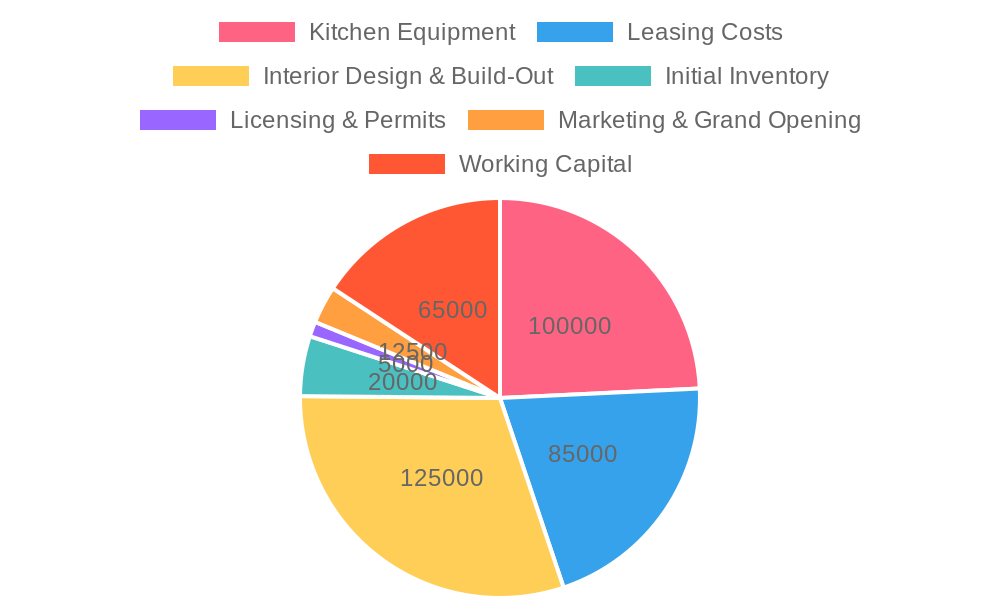
The initial financial outlay for reopening a buffet restaurant can be substantial. According to research sources like The Restaurant Guy and RestaurantOwner.com, startup costs in the U.S. typically range from $275,000 to $600,000. These costs can include:
| Expense Category | Typical Cost Range (USD) | Description |
|---|---|---|
| Kitchen Equipment | $50,000 – $150,000 | Commercial kitchen tools including ranges, fryers, etc. |
| Leasing Costs | $2,000 – $15,000/month (security deposit as well) | Costs vary based on location and size of space. |
| Interior Design & Build-Out | $50,000 – $200,000 | Construction, seating, and design elements. |
| Initial Inventory | $10,000 – $30,000 | Food supplies, beverages, serviceware, etc. |
| Licensing & Permits | $1,000 – $10,000 | Business licenses and health department permits. |
| Marketing & Grand Opening | $5,000 – $20,000 | Advertising and promotional events. |
| Working Capital (3-6 months) | $30,000 – $100,000 | Cover day-to-day operational costs until profitable. |
As illustrated, startup costs are substantial, varying depending on location and the extent of customized features. Such expenses necessitate detailed financial planning to ensure that the operation begins on stable footing.
Buffet Restaurant Startup Cost Distribution
Potential Revenue
Revenue generation for buffet restaurants can be substantial if executed correctly. It is common for a buffet restaurant to generate a gross profit of approximately 60-70% on the price of each meal. With an established and consistent customer base, buffets can anticipate annual revenues upwards of $1 million. For example, based on a successful buffet seating 150 customers at an average spend of $15, daily revenues can reach upwards of $2,250, equating to over $800,000 annually, assuming a 365-day operational year.
Long-term Financial Health
The sustainability of buffet restaurants largely depends on consistently attracting customers and managing costs wisely. With careful pricing strategies and a clear understanding of operational expense management, owners can expect to break even typically within the first 1-3 years of reopening. However, it is essential to remain adaptive to market changes by continually refining menu offerings and marketing strategies.
To summarize, while the costs of reopening buffet restaurants can be significant, with the right strategies in place, they have the potential to yield substantial revenue and contribute to long-term financial health. Owners should conduct thorough market research, leverage promotional strategies, and ensure high service quality to thrive in a competitive landscape. For a deeper dive into specific locations, visit Royal Buffet locations for insights into performance comparisons across various sites.
In a post-pandemic world, this careful planning will not only facilitate reopening but will also help in re-establishing robust operations successfully for years to come.
Cost Analysis for Reopening Buffet Restaurants
As buffet restaurants consider reopening after pandemic closures, it is crucial for business owners to evaluate the costs associated with implementing necessary safety measures against the potential revenue recovery. This cost analysis outlines significant expenses and projected revenue recovery rates to guide buffet owners in making informed decisions.
Key Expenses for Implementing Safety Measures
Reopening buffet restaurants requires a variety of safety enhancements. Here’s a breakdown of typical costs:
| Category | Cost Estimate | Notes |
|---|---|---|
| Sneeze Guards (per station) | $150 – $300 | Installation cost per buffet station |
| HVAC Upgrades | $5,000 – $15,000 | For improved air quality and circulation |
| Sanitation Staff | $20 – $25/hour | Ongoing labor cost for enhanced cleaning |
| Contactless Systems (POS, ordering, payments) | $3,000 – $8,000 | One-time installation and setup cost |
| Total Estimated Initial Investment | Varies | Depending on restaurant size and specific needs |
Projected Revenue Recovery
The pandemic has altered consumer behavior, which affects the potential revenue buffet restaurants can expect upon reopening:
- High-End Buffets: Restaurants in this category have seen a projected 40% increase in dine-in traffic by Q4 2023, indicating strong demand as customer confidence returns.
- Mid-Tier Establishments: In contrast, many mid-tier buffets report only a 15% recovery. Consumer hesitation to dine in during peak hours remains a challenge for these establishments.
Average Monthly Revenue
According to industry reports, the average monthly revenue for buffet restaurants pre-pandemic was approximately $50,000. This figure serves as a baseline for evaluating future earnings once operations resume. However, keep in mind that this average can fluctuate significantly based on location, customer preferences, and the effectiveness of safety measures in rebuilding trust.
Conclusion
The cost analysis clearly illustrates that while reopening buffet restaurants comes with considerable expenses, particularly regarding safety measures, there is also a promising potential for revenue recovery. Stronger demand favors high-end establishments, indicating a significant opportunity for those willing to invest in safety and customer satisfaction. For more information on how to navigate the reopening process and enhance customer confidence, check out the Royal Buffet menu or visit our dining options in Findlay, Ohio.
Conclusion
In conclusion, the landscape for buffet restaurants has transformed dramatically in recent years, particularly in response to the challenges posed by the COVID-19 pandemic. As we explored, many buffet-style dining establishments faced significant disruptions due to their shared and communal service style, which raised health concerns among patrons. However, adaptive strategies have emerged to address these issues:
- Contactless Solutions: Restaurants are increasingly adopting technology through apps for contactless ordering, which minimizes physical interaction between staff and customers, thus enhancing safety.
- Modified Service Models: The move away from traditional self-service buffets to chef-prepared dishes served at tables has gained popularity. This approach not only enhances customer safety but also caters to a more individualized dining experience, fostering confidence among diners.
- Rigorous Sanitation Protocols: Adhering to strict hand hygiene practices, using single-use utensils, and implementing regular surface disinfection are just a few of the critical measures recommended by the CDC and embraced by responsible restaurant owners.
As buffet restaurants embark on this new journey of safety and innovation, it is crucial for business owners to remain proactive in adopting these solutions. The success of a restaurant now hinges not just on the quality of food, but significantly on the perceived health and safety of the dining environment.
If you are a restaurant owner navigating these challenging times, we encourage you to explore comprehensive safety solutions tailored to your needs. At Royal Buffet, we understand the unique challenges you face, and we are here to support you in ensuring your establishment is not only compliant but thriving. Contact us today to discover how we can assist you in creating a safe and welcoming dining experience for your customers!
Buffet Restaurant Safety Measures
As buffet restaurants look towards reopening, implementing robust safety measures is crucial to ensuring customer confidence and compliance with health regulations. Here are some of the key safety measures being adopted:
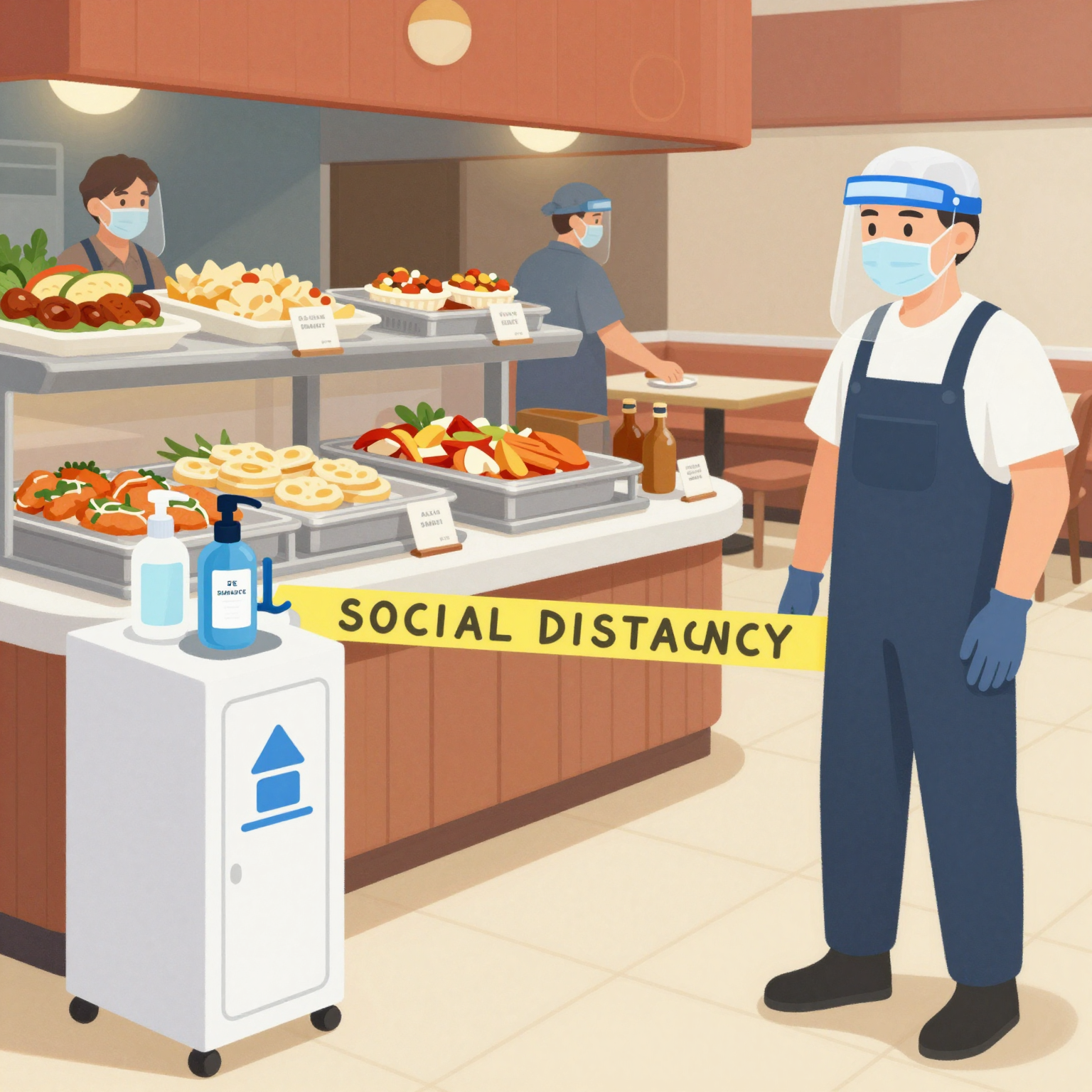
- Sanitization Stations: Ensuring hand sanitizer is readily available at entry and throughout the buffet area is essential to maintain hygiene.
- Social Distancing: Markers on the floor help maintain safe distances between customers, reducing crowding and ensuring guests can safely navigate the buffet.
- Protective Gear: Staff are equipped with gloves and masks to minimize the risk of contamination while handling food.
- Sneeze Guards: Installing sneeze guards is vital for food displays to protect against potential airborne contaminants.
Recent studies have indicated that buffet restaurants are actively enhancing their safety protocols post-pandemic. For instance, a 2023 study highlighted crucial measures, such as:
- Regular sanitization of serving utensils (90% implementation)
- Use of sneeze guards (80% implementation)
- Staff visibly wearing gloves and masks (70% implementation)
Stay updated on the latest trends in buffet dining by checking out the Royal Buffet and our menu options at Royale Buffet Findlay.
As restaurants navigate these challenging waters, maintaining safety and cleanliness will be pivotal in restoring the buffet experience.