
Are Buffets Sprayed to Fill Customers’ Stomachs?
Have you ever wondered if restaurants resort to spraying their buffets to stretch the limits of your appetite? This provocative question isn’t just fodder for dinner table discussions; it touches directly on critical issues facing restaurant owners today, particularly in the buffet segment. With customer satisfaction and minimizing food waste at the forefront of the industry’s concerns, understanding the intricacies of buffet operations becomes essential. Buffets are supposed to provide an abundant feast for patrons, yet owners must walk a fine line between offering variety and preventing excessive waste. In a world increasingly attentive to sustainability and responsible dining, addressing the strategies employed during buffet service is more relevant than ever. Restaurant owners can’t afford to ignore how perceptions like these influence customer behavior and satisfaction, potentially driving or deterring foot traffic to their establishments. How do buffets balance these challenges, and what insights can be gleaned from popular practices? Read on to uncover the truth about buffets and their approach to creating a fulfilling dining experience.
For more insights on buffet offerings in your area, check out Royal Buffet’s Findlay, Ohio menu and discover how local establishments are meeting customer expectations!
Insights into the Buffet Industry
The buffet industry has shown remarkable resilience and growth, reflecting broader trends within the restaurant sector. In 2023, the overall revenue of the Chinese catering industry surpassed 5.2 trillion yuan (approximately 760 billion USD), marking a notable growth of 20.4% compared to the previous year. While precise statistics for buffets are often rolled into other dining categories, this growth indicates a recovering market that buffers the industry as a whole, as dining trends shift post-pandemic. The industry is anticipated to continue its upward trajectory, with expectations of reaching deeper revenues in the coming years.
As consumers emerge from the pandemic’s grip, their expectations from buffet dining have evolved significantly. According to a recent Ipsos report, diners now prioritize food quantity and quality more than ever. Key focus areas for customers include:
- Hygiene and Safety: Enhanced safety protocols are paramount, with diners now expecting strict adherence to sanitation measures.
- Food Quality: Freshness of ingredients and variety in offerings are critical, as customers are increasingly discerning about taste and health.
- Transparency: Guests want real-time information regarding dishes, including ingredients and nutritional content.
Further research highlights a shift in customer priorities over time. Customers initially focus on factors like waiting time and cost performance, but as they become frequent diners, aspects such as the dining environment and the freshness of the food gain importance. For buffet operators, maintaining high quality and freshness, while actively innovating to meet these evolving customer standards, is essential for success in a competitive marketplace.
Common Buffet Practices in Restaurants
Effective buffet management involves various strategies and practices to optimize food preparation and portion control. Here are some common practices restaurants utilize:
-
Food Display and Presentation:
-
Use multi-tiered display stands to enhance visual appeal and maintain food temperatures.
-
Implement warming/cooling devices to keep food at safe temperatures, preventing bacterial growth.
-
Portion Control Measures:
-
Employ standard serving utensils and portioned-serving plates to minimize food waste and control servings.
-
Encourage “small plate, multiple trips” strategies to help customers take only what they can eat, thereby reducing excess consumption.
-
Food Preparation Techniques:
-
Plan food quantities based on historical data and reservations to reduce over-preparation.
-
Utilize color-coded or smaller dinnerware to influence customer serving sizes, impacting how much food they take.
-
Food Safety Practices:
-
Regularly monitor food temperatures with thermometers and adhere to strict time limits for food display (e.g., hot food within 4 hours, cold food within 6 hours).
-
Ensure staff use serving utensils like tongs or ladles to avoid hand contact with food, maintaining hygiene standards.
By adopting these practices, buffet restaurants can promote efficient operations, enhance customer experience, and minimize waste. For more on how buffets can be managed effectively, learn more about buffet management practices.
Consumer Perceptions on Buffet Food Quality and Safety
The perception of food quality and safety in buffet settings has become increasingly critical among consumers, particularly with practices such as food spraying to enhance freshness. Studies show that diners are particularly concerned about food safety aspects, which are largely influenced by visible hygiene practices and the manner in which food is presented.
Key Concerns
Consumer perceptions often revolve around several significant concerns:
- Safety Risks: Issues like temperature control, cross-contamination from shared utensils, and prolonged food exposure are at the forefront of diner concerns.
For instance, a study published in Food Control highlighted that many diners express significant concerns due to potential risks associated with self-service dining environments, noting that environmental factors can increase the risk of foodborne illnesses
(Food Control Study). - Visual Appeal: The importance of appearance is paramount; vibrant colors and well-organized displays can significantly enhance perceived food quality.
The Role of Spraying Food
The act of spraying food, often interpreted as a measure to retain moisture and freshness, has nuanced implications:
- Positive Indicators: A study in the Journal of Food Science and Technology notes that light, visible spraying can enhance the perceived freshness of buffet items, particularly in fruit and salad displays (
Food Science Journal). - Possible Skepticism: Conversely, excessive or unregulated spraying can raise questions about hygiene. If consumers observe spraying practices without proper precautions-such as using clean water-it can evoke concerns over microbial contamination.
Building Trust Through Transparency
A significant portion of diners (62%) feel uncertain about buffet food safety, as reported in an International Journal of Hospitality Management study. The research underscores the importance of transparency regarding food handling processes, including the rationale behind spraying techniques (Hospitality Management Study).
To foster confidence among consumers, restaurants are encouraged to:
- Clearly communicate the purpose and safety of their food spraying practices.
- Implement strict hygiene measures, including visible monitoring and labeling systems.
Conclusion
As consumer awareness regarding buffet food quality and safety continues to grow, ensuring transparency in food handling and adhering to safety standards becomes imperative for restaurant owners. Implementing these practices can significantly enhance customer trust.
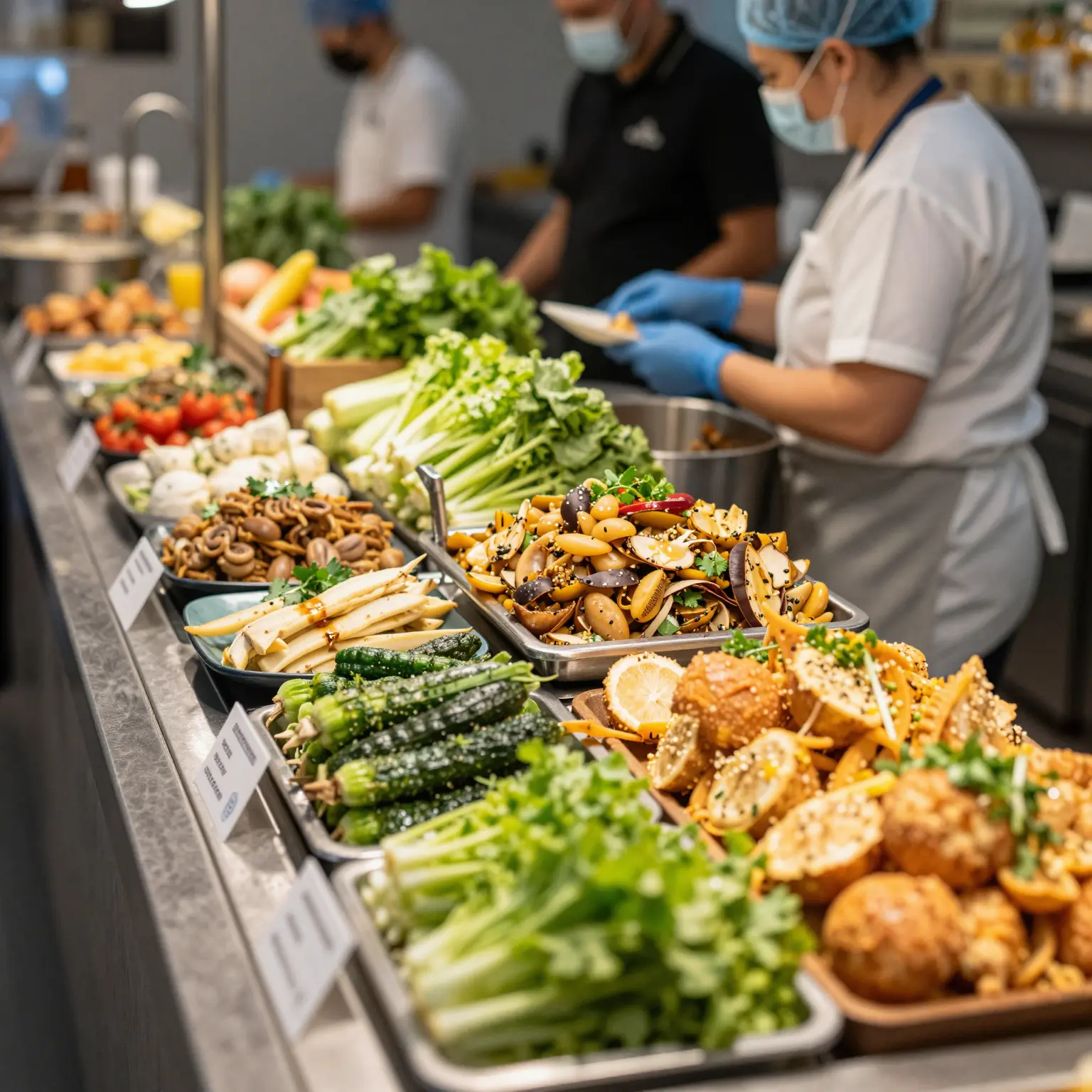
For more insights, explore our offerings at Royal Buffet.
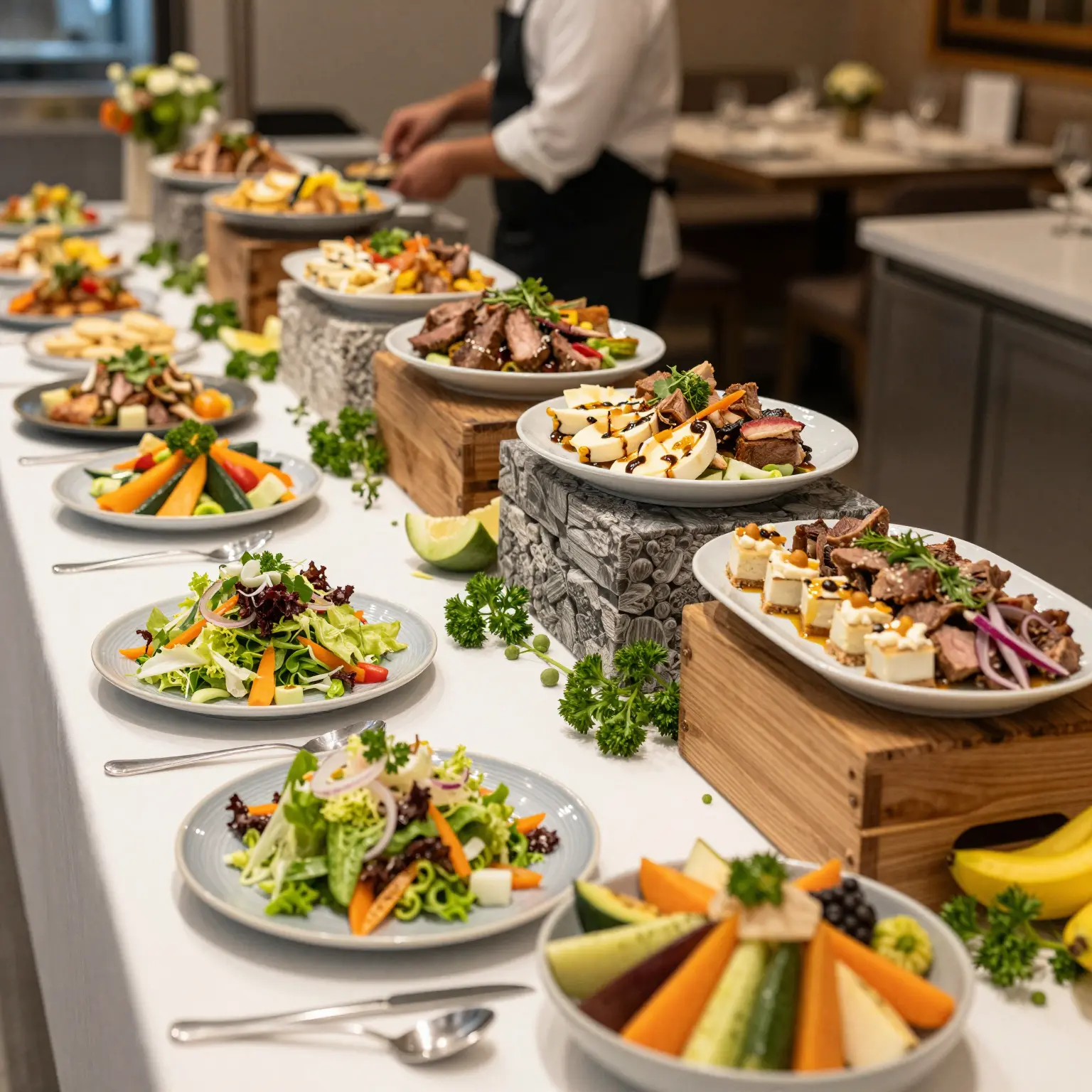
“To reduce risks at buffets, restaurants should ensure hot food is kept above 63°C and cold food refrigerated, replace hot food after two hours and cold food after four, and avoid topping up old food.”
Comparison Table of Buffet Management Techniques
The following table compares different buffet management techniques regarding their effectiveness on customer satisfaction and food waste:
| Technique | Impact on Customer Satisfaction | Impact on Food Waste |
|---|---|---|
| Self-serve Stations | Customers enjoy freedom and variety, leading to higher satisfaction. | Can lead to increased waste if not monitored effectively. |
| Trained Service Staff | Enhances the dining experience and ensures quality service. | Reduces waste as staff can guide portions and choices. |
| Food Choice Monitoring | Implements tracking of how much food is being taken, allowing adjustments. | Reduces waste through informed decisions based on demand. |
| Smaller Plates | Encourages customers to take less food, helping portion control. | Significantly lowers waste as customers are less likely to overfill. |
| Portion Control Strategies | Implementing suggestions for serving sizes increases value perception. | Effectively decreases waste by limiting excess on plates. |
| Reservation Management | Pre-planning guest lists helps tailor food quantities accurately. | Minimizes surplus and waste by aligning food prep with attendees. |
Additional Resources
For more insights on buffet management and customer satisfaction, you can check out the Royal Buffet locations and find information about buffet styles.
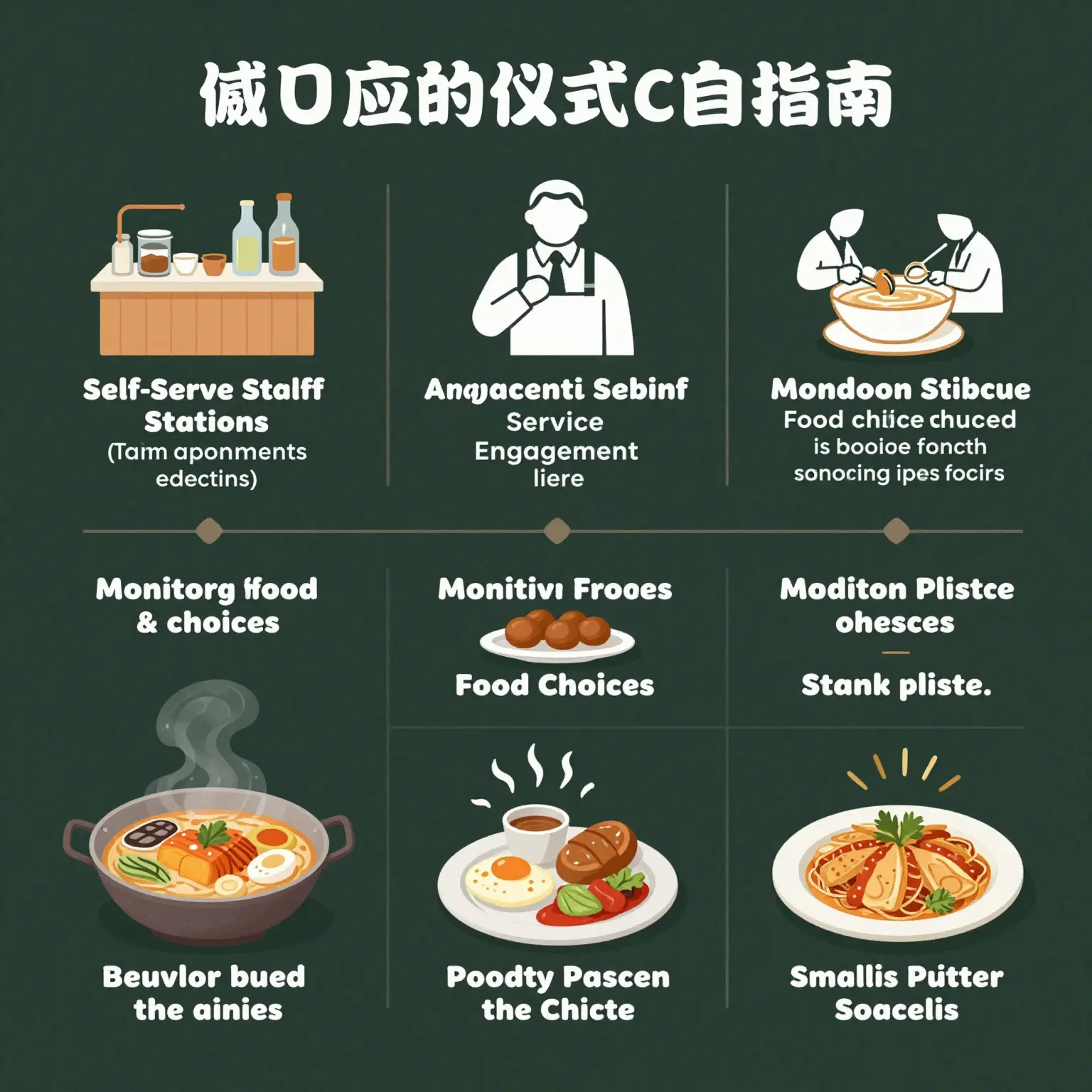
In summary, utilizing effective buffet management techniques is essential for increasing customer satisfaction and reducing food waste, contributing to a more sustainable business model.
Legal Considerations in Buffet Food Safety
Ensuring food safety in buffets is both a legal and ethical responsibility for restaurant owners. Various regulations govern the operation of buffets to protect public health and maintain high standards of safety. Here are some key legal considerations that restaurant owners must adhere to:
1. Food Safety Modernization Act (FSMA)
The FSMA, implemented by the U.S. Food and Drug Administration (FDA), represents a major overhaul of food safety regulations. It mandates that all food establishments, including buffets, develop comprehensive food safety plans based on risk assessments. Restaurant owners must ensure that foods are prepared, stored, and served at appropriate temperatures. For example, hot foods must be kept at a temperature of 135°F (57°C) or higher, while cold foods must remain at or below 41°F (5°C) to prevent bacterial growth.
2. Hazard Analysis and Critical Control Point (HACCP)
A crucial framework for managing food safety in buffets is the HACCP system, which involves identifying potential hazards and implementing controls at critical points during food handling. Elements of HACCP relevant to buffets include:
- Preventing cross-contamination by keeping raw and cooked foods separate.
- Regular monitoring of food temperatures to ensure compliance with safety standards.
- Adequate sanitization of equipment and serving areas to reduce contamination risk.
3. Local Health Department Regulations
In addition to federal laws, state and local regulations can vary significantly. Many jurisdictions require buffet operators to obtain special permits and pass inspections that assess compliance with health codes governing sanitation and food handling. For instance, food must be displayed in a manner that protects it from contaminants, such as using sneeze guards and proper food coverings.
4. Equipment and Employee Training
The types of equipment used (e.g., heating lamps, cooling units) must meet safety standards. Moreover, employee training is essential. Staff should be educated about proper food handling techniques, allergy awareness, and hygiene practices.
In conclusion, adhering to food safety regulations in buffet operations not only ensures compliance with the law but fosters trust with customers by demonstrating a commitment to their health and well-being. For more information on establishing effective buffet operations, you may want to explore Royal Buffet locations.
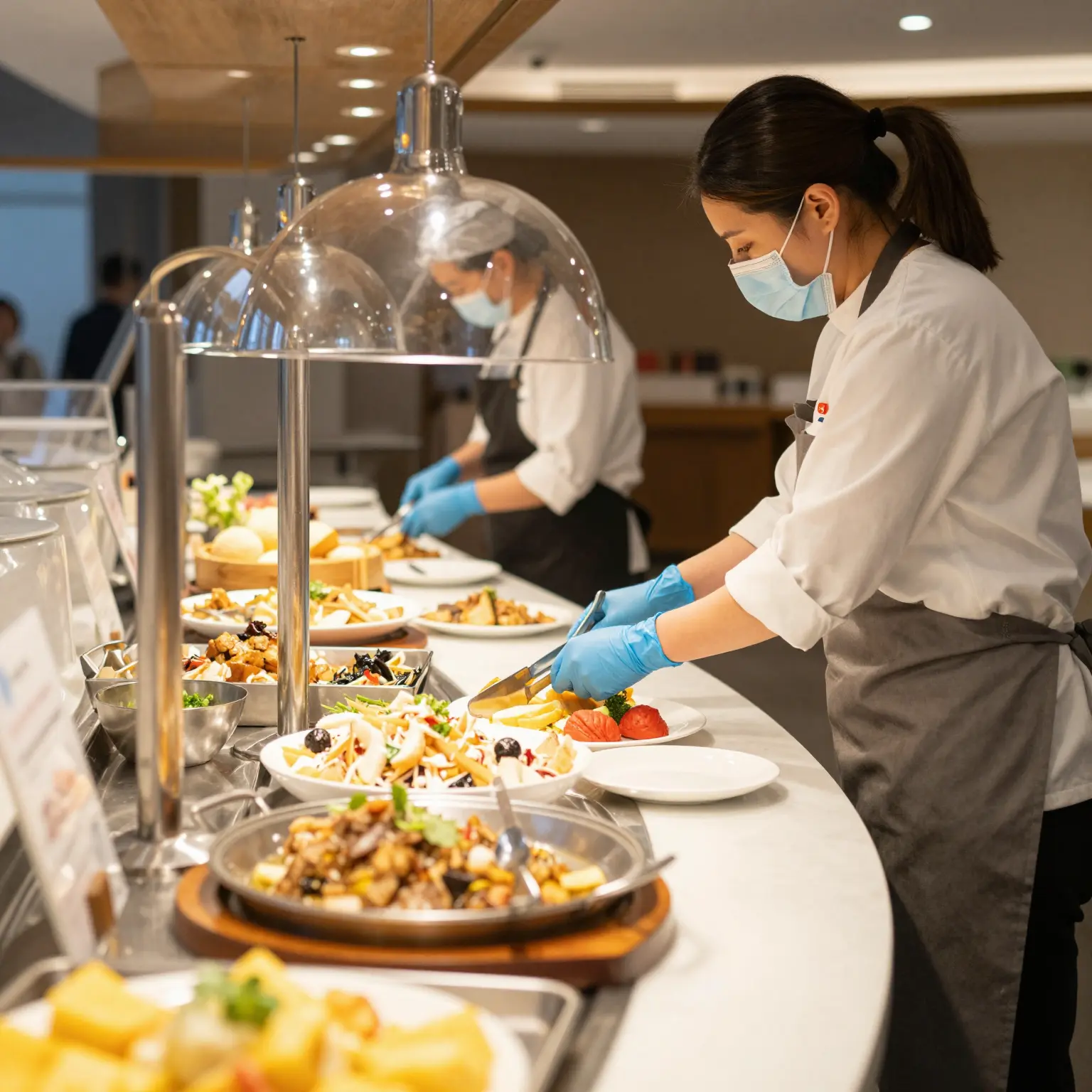
Conclusion
In conclusion, effective food management practices are paramount for buffet restaurants seeking to enhance customer satisfaction and operational efficiency. The key insights gathered through various sources underscore that a well-structured buffet not only attracts patrons but also retains them through superior service and food quality. Implementing smart technology and data-driven solutions can greatly streamline operations, from inventory management to customer preferences analysis, thereby reducing waste and improving profitability. It’s imperative that restaurant owners recognize the critical role these management practices play in sustaining competitiveness in the bustling food service industry.
A robust food management strategy ensures that fresh, diverse menu options are always available, meeting the evolving tastes and preferences of diners. Additionally, adherence to stringent hygiene standards and transparent food sourcing reinforces customer trust and brand loyalty.
As the culinary landscape continues to evolve, restaurants must adapt and innovate. We encourage all restaurant owners to explore enhanced food management solutions and develop strategies that reflect current trends. At Royal Buffet, we understand the challenges faced in buffet management and stand ready to support your restaurant’s needs. Don’t hesitate to reach out for guidance on optimizing your buffet operations and enhancing the dining experience for your guests. The time to act is now-transform your buffet into a thriving culinary destination!
With a strong commitment to improving food management practices, your buffet restaurant can significantly boost its success and customer loyalty in today’s competitive environment.
Word Count: 245
Buffet Dining Trends: A Comprehensive Overview for Restaurant Management
As the buffet dining industry continues to evolve, understanding recent trends is essential for restaurant management, particularly for those establishments focused on maximizing customer satisfaction and efficient operations. This article explores current buffet trends, statistical data, and the resulting implications for customer expectations and restaurant management strategies.
Current Trends in Buffet Dining
-
Focus on Health and Sustainability
There is a growing demand for health-conscious and sustainable dining options. According to a 2023 report, consumers are paying closer attention to the nutritional information and sourcing of ingredients when choosing buffet dining. More than 60% of customers consider the transparency of ingredient sourcing a crucial factor in their dining decisions. Restaurants are responding by incorporating healthier dishes and promoting environmentally friendly practices such as reducing food waste through intelligent replenishment systems. -
Technology-Driven Solutions
Technology plays a vital role in enhancing the buffet experience. Smart ordering systems and digital menus are becoming increasingly popular, streamlining the dining process and allowing for greater customization of meals. This trend is aligned with the desire for personalized dining experiences, which have significantly improved customer satisfaction levels. -
Thematic Buffets
Themed buffet events, such as ‘Flame World’, are on the rise, particularly among younger diners. Such events have seen participation rates increase by 42% year-over-year in 2023. These unique themes attract guests seeking novel experiences and give restaurant managers a competitive edge by diversifying their offerings. -
Pricing Strategies
Pricing trends in the buffet sector are also changing. More establishments are adopting dynamic pricing models that can fluctuate based on peak and non-peak dining hours. For example, in Singapore’s PARKROYAL on Beach Road, lunchtime buffets are priced around S$59, while peak hours can see prices soar to S$89. This strategy appears effective, as consumers have shown a willingness to pay higher prices for high-quality and themed menu experiences. -
Reduced Food Waste Initiatives
With increased consciousness about food waste, many buffets are implementing measures to mitigate this issue. For example, some establishments have introduced rules against takeout containers to maintain food quality and fairness among diners. While these policies may be controversial, they reflect a growing understanding of the importance of sustainable practices within the industry.
Impacts on Restaurant Management
The aforementioned trends demand adjustments in restaurant management to align with customer expectations:
-
Menu Design: Chefs and managers should focus on creating menus that reflect health trends while still appealing in terms of convenience and variety. Flexible and seasonal menus that change regularly can help keep offerings fresh.
-
Investment in Technology: Implementing technology that simplifies the dining process and raw ingredient sourcing transparency is essential. This includes investing in apps for ordering and feedback, as well as data systems that monitor food quality and waste.
-
Marketing and Promotion: Creative marketing strategies that highlight themed events and unique dining experiences are necessary to attract and retain customers. Social media platforms are particularly effective for promoting these events.
-
Customer Education: It’s important for buffet restaurants to educate patrons about new sustainable practices and policies. Clear communication can foster understanding and compliance, encouraging diners to embrace changes aimed at sustainability.
-
Operational Efficiency: As buffets increasingly focus on reducing food wastage, restaurants may need to refine their operational processes. This could include better forecasting for food preparation quantities based on customer trends and behaviors.
Conclusion
The buffet industry in 2023 reflects significant shifts towards health-conscious dining, technological advancements, thematic experiences, and sustainability. For restaurant owners, adapting to these changes is crucial not only for customer satisfaction but also for operational efficiency and profitability. Embracing these trends with open-minded management approaches can lead to revitalized dining experiences that cater to the evolving expectations of today’s consumers.
For more insights and to explore the offerings at Royal Buffet, learn more about our menu and dining philosophy here.
Ensuring a buffet dining experience that resonates with hospitality’s traditional roots while being innovative and responsive to trends is the key to thriving in this competitive landscape.