
In the bustling world of the restaurant industry, buffet-style dining presents unique service challenges and opportunities, particularly when it comes to tipping practices. Understanding the nuances of tipping at buffets is crucial for business owners aiming to optimize customer satisfaction while maintaining operational efficiencies. Traditionally, national customs dictate that tipping at buffets is less expected compared to full-service establishments; most casual buffets in the U.S. are structured with no-tipping models since the meal price includes service fees. However, this landscape is evolving. In upscale or high-end buffets, where servers may provide additional assistance, a small gesture of appreciation-typically $1 to $5 per person-can enhance guest experiences and encourage repeat visits. Restaurant owners must adapt to these changing expectations to ensure both staff satisfaction and customer loyalty. For more insights on how a buffet experience can attract patrons, check out our guide on Royal Buffet in Findlay, Ohio and Royal Buffet Menu.
Understanding Tipping in Buffet Restaurants
Historical Context of Tipping
Tipping has a long history, dating back to the sixteenth century in England, where the practice began among the wealthy who gave small amounts of money to servants as a token of appreciation for their service. By the eighteenth century, this practice expanded to include inns and guesthouses, where patrons would reward hospitality staff. Interestingly, post-World War II, many European countries moved away from tipping, instead favoring service charges included in the bill, while the United States retained and even solidified tipping as an essential component of its dining culture. Today, tipping often serves not only as a reward for exceptional service but also as a measure of social expectations; not leaving a tip can sometimes be seen as a social faux pas.
Current Trends in Buffet Tipping
In recent years, the practice of tipping at buffet-style restaurants has undergone significant changes, particularly accelerated by evolving consumer expectations and post-pandemic dining behaviors. According to a 2024 National Restaurant Association report, only 18% of buffet patrons currently tip, a sharp decline from 35% in 2020. This shift is largely attributed to a growing number of establishments adopting a “service-inclusive” model where a fixed fee incorporates all service costs, thereby eliminating the tradition of tipping altogether.
Restaurants like Golden Corral have announced plans to move to a flat service fee, aiming to provide stability in staff wages and improve customer clarity. Furthermore, while many diners feel that they should not tip in self-service buffet scenarios, there remains a tradition of leaving small gratuities-often around $1 to $2 per person-in premium buffets that offer table service, such as those in upscale hotels.
Conclusion
Understanding the nuances of tipping at buffet restaurants is crucial for restaurant owners looking to navigate these changes effectively. As the industry continues to evolve, staying informed about consumer preferences can help dining establishments maintain a competitive edge. Exploring more about buffet offerings, such as those at Royal Buffet, can provide valuable insights into providing exceptional service while adapting to current trends in tipping.
Factors Influencing Tipping at Buffet Restaurants
Tipping at buffet restaurants can vary greatly based on several factors. Understanding these influences can help restaurant owners tailor their service and improve customer satisfaction. Here are the main factors that can influence a customer’s decision to tip at a buffet:
- Service Quality: The level of attentiveness and service quality provided by the staff plays a significant role. If servers are friendly, attentive, and responsive to customer needs, customers are more likely to leave a tip.
- Food Quality: High-quality food that meets or exceeds customer expectations often leads to increased tipping. If customers enjoy their meal and the variety offered, they feel more inclined to tip generously.
- Ambiance and Atmosphere: A pleasant dining environment, including cleanliness and decor, can positively influence tipping behavior. Comfortable seating and a nice atmosphere can encourage customers to leave a tip as a reflection of their overall enjoyment.
- Employee Interaction: Personalized interactions such as greetings, smiles, and small talk can create a connection with customers. According to a study, regular check-ins by staff can increase tips significantly.
- Cultural and Regional Differences: Customers’ tipping behaviors can be affected by their cultural background and personal beliefs about tipping. Some cultures may view tipping as mandatory, while others may see it as optional.
- Duration of Stay: The longer customers stay, the more likely they are to tip, particularly if they receive ongoing assistance.
For buffet owners, understanding these dynamics can lead to improved service strategies. Learn more about our offerings at Royal Buffet.
Regional Variations in Tipping Practices
Tipping is a nuanced practice that varies widely across regions and cultures, significantly affecting service standards in the hospitality industry. For business owners, understanding these differences is crucial for setting appropriate service expectations, especially in buffet-style restaurants like Royal Buffet.
North America
In the United States and Canada, tipping is deeply ingrained in the service culture. Customers typically tip between 15% and 20% of the total bill at restaurants, which is often vital for servers whose base pay may be below minimum wage. A $1-$2 tip per bag for hotel porters and gratuities for taxi drivers and housekeepers is also common. The expectation of tipping is not just a form of appreciation; it plays a crucial role in the income of service staff.
Europe
European tipping practices differ significantly from those in North America and can vary among countries. In Germany, customers may leave a tip of 5% to 10%, often rounding up the bill. Conversely, in France, it is commonly accepted that a service charge is included in the bill, making additional tips rare. Generally, European countries may have lower tipping norms compared to the U.S., and in some places, tipping can even be considered unnecessary or inappropriate.
Japan
Japan stands apart with an almost non-existent tipping culture. Offering a tip in Japan can be seen as rude or demeaning since service workers take pride in their job and believe that their salary should suffice. Therefore, business owners in locations with a Japanese influence should educate their staff and customers alike about this unique practice.
Southeast Asia
In countries like Thailand and Vietnam, tipping is not a requirement but is often appreciated. Visitors may leave small amounts of money to show gratitude for good service, which could be a few dollars or local currency notes. However, it is essential for businesses to convey comfort in tipping practices for tourists while respecting local customs.
For a visual representation of how the tipping expectations vary globally, see the chart below:
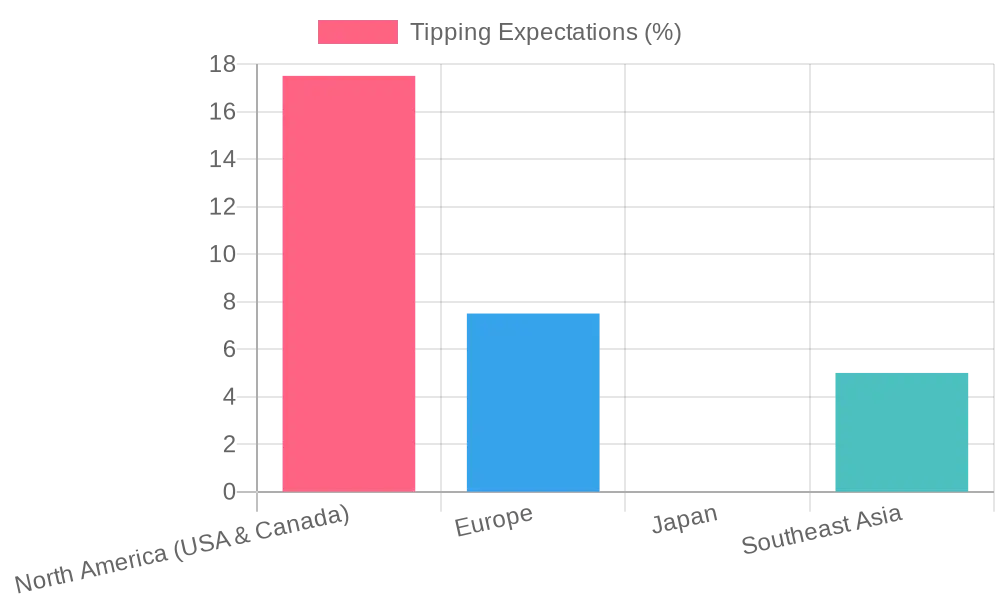
By being aware of these regional differences in tipping practices, business owners can better train their staff, manage customer expectations, and create a welcoming atmosphere for patrons from diverse backgrounds.
Tipping Expectations Across Different Dining Experiences
Understanding tipping culture is crucial for business owners in the restaurant industry, especially when considering how different dining formats influence customer expectations regarding gratuities. Below is a table summarizing the typical tipping percentages across various dining experiences:
| Dining Experience | Expected Tip Percentage | Notes |
|---|---|---|
| Fine Dining | 18% – 20% | Service is table-side; higher tips are expected for exceptional service. |
| Buffet Style | 10% – 15% | Tipping is often optional; customers may tip based on beverage service or exceptional assistance. |
| Fast-Casual | 0% – 10% | Tipping is not expected; however, it can be encouraged for takeout and delivery services. |
Insights and Tips for Business Owners
- Fine Dining: In fine dining establishments, where service is personalized, a tip of 18% to 20% is the standard norm. Customers typically feel justified in providing higher tips for exceptional service (The Points Guy).
- Buffet Style: At buffet restaurants like those featured at Royal Buffet, tipping expectations can vary. While it is not mandatory, many patrons leave a tip of around 10% to 15%, especially if staff helps with drinks or takes away dishes.
- Fast Casual Dining: In fast-casual restaurants where customers often order at a counter, tipping is usually not expected. However, a small tip for takeout or delivery is appreciated, particularly if service exceeds the norm.
By understanding these expectations and communicating them clearly to customers, restaurant owners can foster a positive dining atmosphere that encourages gratuity without confusion.
Implications of Not Tipping at Buffet Restaurants
The act of tipping at buffet restaurants can have significant implications for both customers and restaurant owners, particularly around financial impacts on wait staff, as well as overall service quality.
Financial Impacts on Wait Staff
In a buffet setting, many customers assume that the service staff is compensated fairly through the buffet prices and may not consider tipping necessary. However, studies indicate that the income of wait staff can significantly suffer without tips. According to a report from The Atlantic, many buffet restaurants adopt a model that includes a service fee in the total bill rather than relying on gratuities. While this offers some financial stability, it often results in lower overall wages compared to traditional dining establishments that rely on tips.
In addition, a National Restaurant Association (NRA) report highlighted that around 78% of buffet restaurants have moved toward service charges. This may reduce income uncertainty but still fails to provide wait staff with higher earnings typical of non-buffet restaurants where tipping is customary.
Overall Service Quality
On the flip side, the absence of tipping can influence the quality of service. A study published in the Harvard Business Review shows that in restaurants with no tipping policies, service quality often improves as employees are more motivated to provide consistent, high-quality service rather than adjust their demeanor based on the expected tip. Without the pressure to rely on tips, wait staff may feel less anxious about their earnings, leading to improved job satisfaction and retention. Similarly, research from Cornell University emphasizes that when tipping is eliminated, service quality does not decline; rather, it becomes more equitable, as employees are not incentivized by individual customer behavior.
Conclusion
In summary, not tipping at buffet restaurants poses financial challenges for wait staff while potentially affecting service dynamics. While customers might see the lack of tipping as a cost-saving benefit, it often undercuts the quality of service and financial stability of the employees. Restaurant owners must navigate these implications carefully to ensure fair compensation while maintaining service standards that attract clientele. To explore buffet options that balance tips and service quality effectively, visit our Royal Buffet for insightful dining experiences.
Tipping Behaviors in Buffet-Style Restaurants: Insights for Business Owners
Tipping in buffet-style restaurants is a complex issue influenced by various factors, including cultural norms, service perceptions, and the self-service nature of buffets. Recent studies provide illuminating insights into these behaviors that can aid restaurant owners in designing strategies to encourage customer tipping.
Key Findings from Recent Studies
- General Tipping Trends
- A study published in the Journal of Hospitality and Tourism Research indicates that approximately 78% of customers at buffet restaurants do not leave tips. Of those who do tip, the amounts are typically small, ranging from $1 to $5. The likelihood of leaving a tip increases when customers perceive better service quality or when there are clear cues like “Please Tip” signs visible in the restaurant.
- Another study from Cornell University highlighted that visual prompts can increase tipping rates by 18%, illustrating the importance of customer engagement strategies.
- Cultural Influences
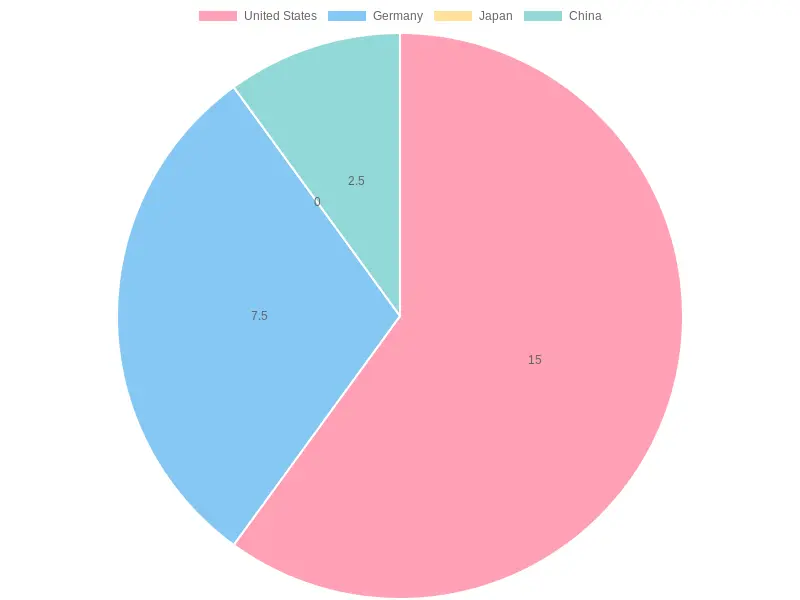
- Research comparing tipping practices in buffet restaurants across different countries revealed that tipping expectations differ widely:
- United States: Tipping is expected, usually around 15%.
- Germany: Tipping is less common, typically about 5-10% of the bill.
- Japan and China: Tipping is rare and often considered rude, with most diners providing little to no gratuity.
- These cultural backgrounds significantly affect customer behavior regarding tipping, indicating that international restaurant operations must consider local customs.
Recommendations for Buffet Owners
To boost tipping, buffet restaurants might take actions such as:
- Implementing clear visual cues encouraging tips.
- Training staff to provide excellent service that enhances customer experiences.
- Creating a clean and welcoming environment, as it affects perceived service quality.
For more tips on enhancing customer experiences at your buffet, explore the Royal Buffet.
Understanding Buffet Tipping Etiquette
When dining at a buffet-style restaurant, many diners often wonder if leaving a tip is necessary. Unlike traditional dining experiences where servers take orders and deliver food, buffets operate on a self-serve model. However, this doesn’t mean that tipping isn’t appreciated.
Why Consider Tipping?
- Service and Maintenance: Buffets may have staff that clean tables, replenish food, and assist diners despite the self-service model. Tipping acknowledges their efforts.
- Customized Service: If a server provides exceptional service, such as recommending dishes or accommodating dietary needs, it’s courteous to recognize that with a tip.
Recommended Tipping Guidelines
Typically, a tip of 10-15% of the total bill is appropriate at buffet restaurants, though this can vary based on the level of service received. It’s essential for business owners to train their staff on how to provide great service, which can encourage patrons to tip more generously. Learn more about buffet dining preferences.
Buffet dining can be an enjoyable experience, and understanding the tipping etiquette can enhance the overall satisfaction for both diners and staff.
Conclusion
In summary, understanding tipping customs in buffet-style restaurants is critical for business owners striving to cultivate a positive dining experience and maintain a reputable brand. As revealed in recent studies, a significant portion of patrons are often unsure about whether to tip, which can lead to confusion and dissatisfaction. Clear communication regarding tipping policies-whether it’s signposting that tipping is not required or appreciated-helps alleviate this ambiguity. For instance, a notable 68% of customers may not expect to tip at all, but those who do typically appreciate exceptional service from staff who go above and beyond, such as refilling drinks or clearing plates.
Additionally, recognizing and adhering to regional tipping norms not only enhances customer satisfaction but also supports staff morale and reduces internal conflicts regarding tip distribution. Business owners should implement training programs that equip staff with knowledge about local practices and ensure consistent messaging across their dining establishments. This approach fosters a smoother operational workflow and increases the likelihood of returning customers, thus directly contributing to the profitability of the business.
The emphasis on creating a positive atmosphere where customers feel comfortable addressing staff and expressing gratitude-when necessary-can often be achieved through non-monetary recognition programs, bolstering team spirit and service excellence. Therefore, as a business owner, it’s essential to stay informed and adaptive regarding tipping customs to encourage both customer loyalty and employee satisfaction. For more insights, consider exploring buffet-style dining strategies or local buffet locations.
The significance of this understanding cannot be overstated; it plays a crucial role in paving the way for a thriving buffet restaurant experience that aligns with customer expectations and enhances overall satisfaction.
Call to Action: Connect with Zoomlion
At Zoomlion, we understand the challenges business owners face, especially in a competitive landscape. Whether you are seeking efficient solutions for construction operations, advanced technology for manufacturing, or innovative machinery for logistics, we are here to help you meet your specific needs. Our mission is to empower businesses by providing high-quality, reliable products tailored to your operational requirements.
We invite you to reach out to us to discuss your unique challenges and explore how we can support your business growth. Our team of experts is ready to provide personalized consultations that address your goals and objectives.
Why wait? Start the conversation today! Request a quote or schedule a meeting with us to learn more about our extensive range of machinery and services that can elevate your operations. We pride ourselves on fostering long-term partnerships built on trust and mutual success. Let’s work together to achieve remarkable outcomes for your business.
Don’t miss out on the opportunity to enhance your operational efficiency and differentiate your company from the competition. Contact Zoomlion today to discover solutions that fit your needs, and together, let’s drive your business forward.