
In recent years, the norms surrounding tipping in the hospitality industry have undergone significant changes, leaving many diners questioning the necessity of tipping in various dining settings. One such scenario is tipping at hotel buffet-style restaurants. Traditionally, tips were a way to reward exceptional service; however, the casual, self-service nature of buffets complicates this convention. As these dining experiences evolve, do we still owe a gratuity to staff who oversee the buffet line? This question not only affects diners but also poses a challenge for business owners who rely on tips as part of their staff’s income. Understanding the expectations and implications of tipping at hotel buffet-style restaurants can help restaurant owners navigate this complex landscape while ensuring their employees are fairly compensated for their efforts. If you’re interested in more insights into buffet dining, explore Royal Buffet’s offerings that blend quality with service.
The Importance of Tipping in the Hospitality Industry
Tipping is a deeply ingrained tradition in the hospitality sector, especially within restaurants, where it plays a vital role in employee compensation. In many regions, particularly the United States, tips can make up a substantial portion of a server’s earnings-often exceeding 70% of their total income. This compensation model not only supports restaurant staff but also significantly influences the quality of customer service.
Role of Tips in Employee Earnings
The reliance on tips underscores a critical aspect of service industry compensation. Generally, servers often earn a lower hourly wage, as the industry anticipates that gratuities will supplement their income. This system incentivizes employees to provide excellent service, as their earnings directly correlate with customer satisfaction. Research shows that attentive service is more frequently rewarded with higher tips, fostering a competitive environment where both service quality and guest experience are paramount. However, the system is not without its flaws; many employees experience the stress of income instability, particularly during slower business periods where tips may diminish.
Impact on Customer Service
Effective hospitality tipping etiquette encourages better service and enhances the overall dining experience. Studies indicate that servers are more likely to go the extra mile when they expect generous tips. Interestingly, tipping behaviors can often stem from social norms rather than strictly performance-based metrics; customers may feel pressured to tip regardless of the service quality. This reality creates an uneven landscape where diligent workers may not always receive the recognition they deserve.
Despite its challenges, tipping remains essential in ensuring that service workers can earn a livable wage. Business owners should recognize the impact of tipping practices and create environments that encourage fair compensation and outstanding service. For those interested in exploring buffet options that adhere to these standards, Royal Buffet offers a glimpse into quality dining experiences across various locations.
Tipping Practices at Buffet-Style Restaurants Globally
Tipping norms can significantly vary from one culture to another, especially when dining at buffet-style restaurants. Understanding these practices is essential for business owners, particularly those working in the hospitality and dining industries. Below is a table that outlines tipping practices across different countries, including the recommended tip percentage and cultural insights:
| Country | Recommended Tip Percentage | Cultural Insights |
|---|---|---|
| United States | 15-20% | Tipping is expected, especially where service is involved. Even at buffets, gratuity is customary if servers assist at the table. The average tip for Chinese tourists is only 5.3%, highlighting cultural differences. |
| Japan | 0% | No tipping culture exists, and it may be seen as inappropriate. Staff are compensated fairly, and service is considered part of their job. |
| China | 0-5% | Tipping is not traditionally practiced, and generally, no tip is expected at buffets. However, in high-end venues, small tips may be given. |
| Italy | 0% | Tipping is uncommon, with service charges often included in the bill. Leaving extra money can be seen as unnecessary or inappropriate. |
| Mexico | 10-15% | Common when service is provided. If servers assist at the buffet, a tip between 10-15% is appreciated. Some places may include a service charge, but additional tips are welcome. |
Understanding these diverse tipping practices can aid businesses in managing customer expectations and enhancing the dining experience. For more tips on managing a buffet restaurant, learn more about buffet strategies. Moreover, consider the cultural context when engaging with international customers to ensure positive impressions and satisfaction.
For further insights into buffet dining in Ohio, check out our Royal Buffet locations or our menu.
Common Misconceptions About Tipping in Buffet Settings
Tipping myths surrounding buffet service can lead business owners to misinterpret their guests’ expectations. Here are three prevalent misconceptions about tipping at buffets that it’s important to clarify:
Misconception 1: Guests Always Have to Tip Well
One of the most common myths is that guests are expected to tip a significant amount at buffets, similar to full-service restaurants. However, most buffet-style restaurants operate on a self-service model, where patrons assist themselves to food. According to USA Today, it is not standard to tip unless service has been rendered, such as if staff clear plates or refill drinks. A modest tip, typically $1-$2, is appropriate only for exceptional service.
Misconception 2: Tips Are Mandatory Regardless of Service
Many believe that regardless of the service level, tipping is mandatory in buffet settings. This is not the case. Experts suggest that even in upscale buffets, where some assistance may be provided, tipping should reflect the level of service the guest receives. In fact, tipping should be reserved for situations where servers actively engage with guests, as outlined by The New York Times.
Misconception 3: Everyone Should Tip the Same Amount
It is a misunderstanding that all guests at a buffet should tip an equal amount, similar to other dining situations. Each guest’s experience may vary based on the individual server interaction. Thus, tips should be personalized. As per Forbes Travel Guide, a typical tip in self-serve settings is not required unless personalized service was provided. This means that guests should feel empowered to tip based not on expectation but on the quality of service they experienced.
By addressing these misconceptions about tipping in buffet service, business owners can provide clear guidance to their guests and enhance their dining experience.
Factors Influencing Tipping Behavior at Buffet-Style Restaurants
Tipping at buffet-style restaurants can be influenced by various factors, which reflect both customer expectations and social norms. Here’s a list of key factors that might influence whether a customer chooses to tip:
-
Quality of Food: The perceived quality and taste of the food can sway customers to tip more generously. When patrons enjoy their meal, they may feel inclined to reward that experience.
-
Service Level: Although buffet-style restaurants typically have less personalized service, the attentiveness of staff can significantly impact tipping behavior. If servers are prompt in clearing plates or refilling drinks, customers may feel more compelled to tip.
-
Social Norms: Many customers tip due to social expectations rather than the quality of service received. There’s a prevailing belief that tipping is a customary practice regardless of service quality.
-
Alcohol Consumption: Studies show that customers who consume alcohol tend to tip more. This could be attributed to loosened inhibitions or a feeling of enhanced enjoyment during their dining experience.
-
Personal Choice: Ultimately, individual preferences and values play a crucial role. Some diners may choose to tip based on personal principles or beliefs about fair compensation for workers.
Understanding these factors can help restaurant owners in devising strategies to encourage tipping and enhance staff compensation. To learn more about buffet dining experiences and customer behavior, check out Royal Buffet and Tipping Etiquette.
Tipping Trends in Buffet-Style Dining: Recent Insights
Tipping behavior in the restaurant industry has been evolving, and buffet-style dining establishments are not immune to these changes. Recent studies and surveys reveal significant trends in tipping practices, particularly in buffet contexts. Here, we will summarize findings from various research sources that highlight the shifting attitudes towards tipping in buffet-style restaurants.
Key Findings from Recent Studies
-
Declining Tipping Rates
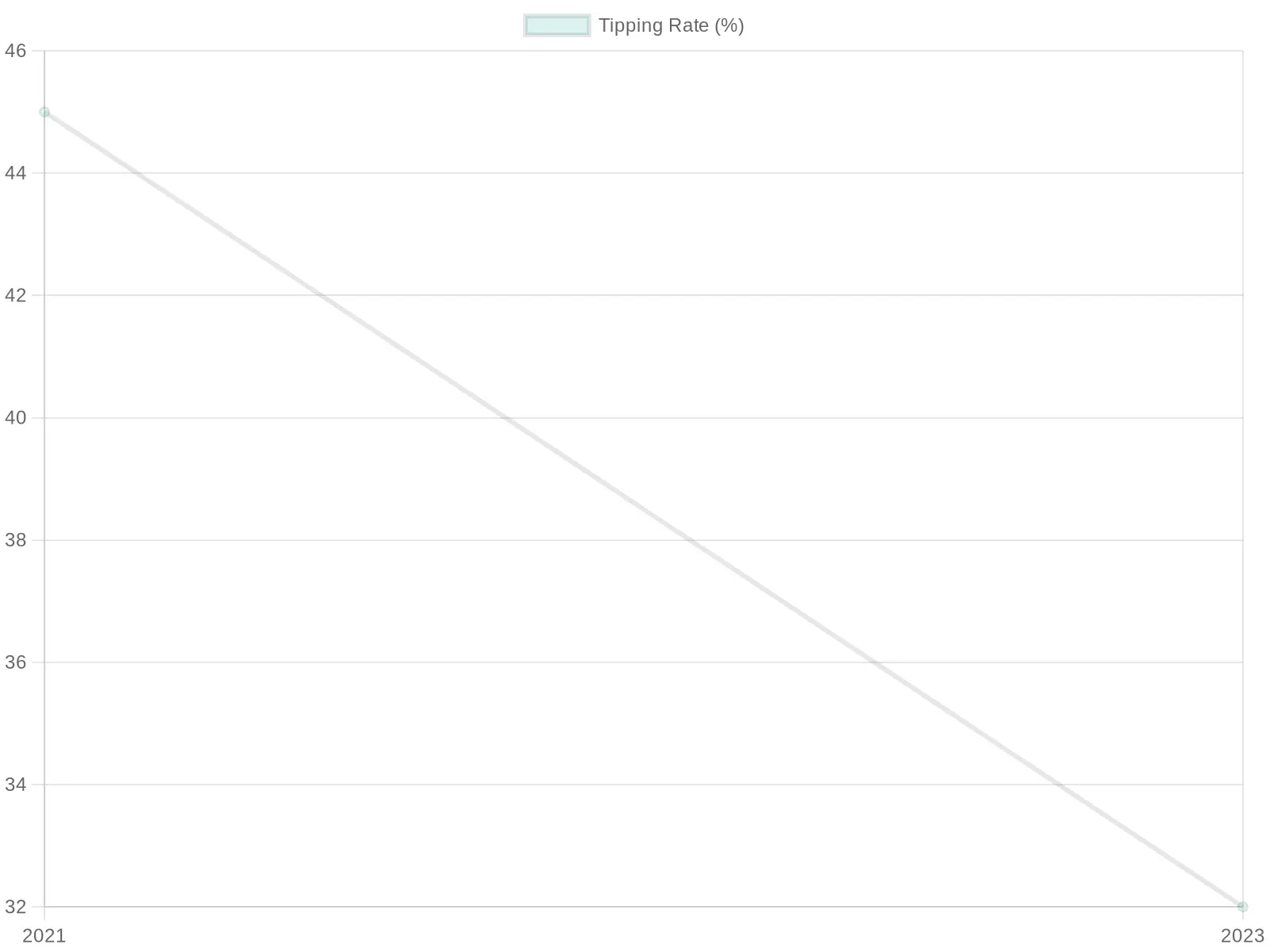
A study from the National Restaurant Association (NRA) conducted in October 2023 found that only 32% of diners tip at buffet-style restaurants, a notable decrease from 45% in 2021. This decline is a result of diners feeling uncertain about whether gratuity is expected at buffets, which leads many to skip tipping altogether. This sentiment reflects a broader trend of diners favoring transparency regarding tipping expectations in dining establishments.Year Tipping Rate (%) 2021 45 2023 32 Source: National Restaurant Association’s Tipping Trends Report, 2023.
-
Different Rates Across Dining Formats
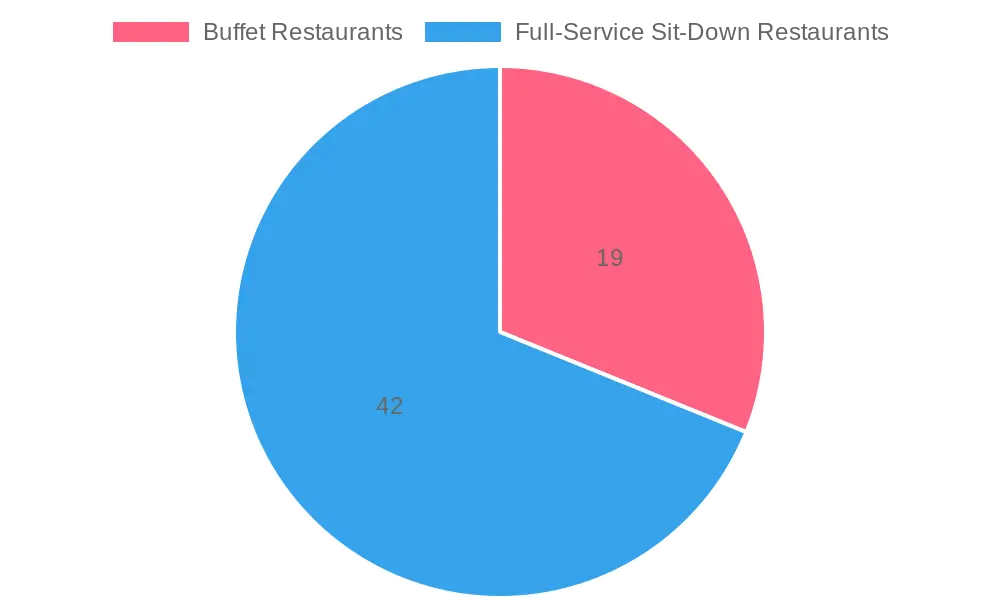
A behavioral study published by Cornell University’s School of Hotel Administration in July 2023 reported a stark contrast in tipping behaviors: 19% of patrons tipped at buffet restaurants, compared to 42% in full-service restaurants. This discrepancy suggests that the buffet format, perceived as a more self-service experience, diminishes the perceived obligation to tip, even when servers are actively providing assistance in refilling dishes and clearing tables.Category Tipping Rate Buffet Restaurants 19% Full-Service Dining 42% Source: The NPD Group, 2023.
-
Consumer Attitudes Towards Tipping
A national survey by Pew Research Center in September 2023 found that while 71% of respondents acknowledge the importance of tipping for service workers, only 54% feel confident in their tipping practices. Notably, among buffet patrons, 41% reported never tipping, primarily due to lack of clarity about expected gratuities. Generational differences were also highlighted, with younger diners less inclined to tip compared to older generations.
Implications for Business Owners
The declining tipping rates at buffet-style restaurants indicate a pressing need for business owners to clarify tipping expectations to enhance customer understanding and potentially improve their staff’s earnings. Implementing a mandatory gratuity policy or providing guidance on tipping directly on the menu can help mitigate confusion and encourage diners to leave a tip. As consumer preferences continue to evolve, staying attuned to these trends is essential for maintaining competitive service in the restaurant industry.
For more insights into buffet dining experiences, check out our Royal Buffet locations and our menu offerings here.
The Allure of Buffet Restaurants
Buffet restaurants have become increasingly popular due to their diverse offerings and the flexibility they provide to patrons. The visual appeal of a buffet setting can greatly enhance the dining experience. Imagine walking into a vibrant restaurant where long tables are laden with a colorful assortment of dishes. From fresh salads and savory entrees to scrumptious desserts, the choices seem endless, inviting diners to sample a bit of everything.
The warm atmosphere, characterized by friendly staff and the lively chatter of happy diners, creates a welcoming environment. Guests can freely navigate their dining experience, selecting what they desire and returning for seconds or even thirds without any restrictions.
For business owners considering opening a buffet-style restaurant, understanding the visual and sensory appeal of such settings is crucial. A beautifully arranged buffet can draw in customers and enhance their overall dining experience. If you’re exploring more about buffet options, be sure to check out Royal Buffet for inspiration.

Diners frequently wonder about etiquette related to tipping at buffet restaurants. While some may believe that tipping is unnecessary when serving themselves, it’s important to consider the service provided by the staff. Understanding these dynamics can lead to a more respectful dining experience for all involved. For those interested in more details, you can learn more about tipping practices in buffet restaurants.
The Impact of Not Tipping on Restaurant Staff in Buffet-Style Settings
Tipping may seem like a routine practice in the restaurant industry, but its absence can have profound implications, particularly for staff in buffet-style settings. Understanding the emotional and financial toll of not tipping can help business owners foster a more supportive environment for their employees.
The Emotional Toll on Staff
When patrons choose not to tip, it sends a subtle yet powerful message to the staff: their hard work is undervalued. Many restaurant employees depend on tips as a significant part of their income; a lack of tipping can lead to financial instability, resulting in heightened stress levels. This emotional strain makes it challenging for staff to maintain the friendly, welcoming atmosphere that is vital in buffet settings. Workers might feel less motivated to provide top-notch service when they know their efforts may go unrewarded.
The Financial Repercussions
Not tipping also impacts the financial well-being of restaurant workers. In buffet-style restaurants, where the expectation to tip is often lower than in traditional dining settings, employees can face difficulties supporting themselves and their families. A blog post from Forbes highlights how establishments that employ no-tipping policies report higher job satisfaction and employee retention. This proves that financial stability leads to a more productive and committed workforce.
Positive Effects of Tipping
Conversely, when guests do tip, they contribute to a culture of appreciation and respect. The act of tipping acknowledges the hard work and dedication of servers, who are often the frontline staff responsible for customer satisfaction. This recognition can lead to improved morale among workers, fostering a sense of belonging and motivation.
Conclusion
In conclusion, the decision to tip-or not-wields significant power over restaurant staff’s financial and emotional wellbeing. As a business owner, promoting a culture of appreciation for hard work can yield significant benefits for both employees and customers. Consider this as you foster a supportive environment in your buffet-style restaurant, and reflect on the importance of acknowledging service quality. By making a conscious effort to encourage tipping, you invest not just in your employees’ happiness but in the overall success of your establishment. To learn more about how you can create a welcoming atmosphere, check out Royal Buffet.
Employee Compensation Differences
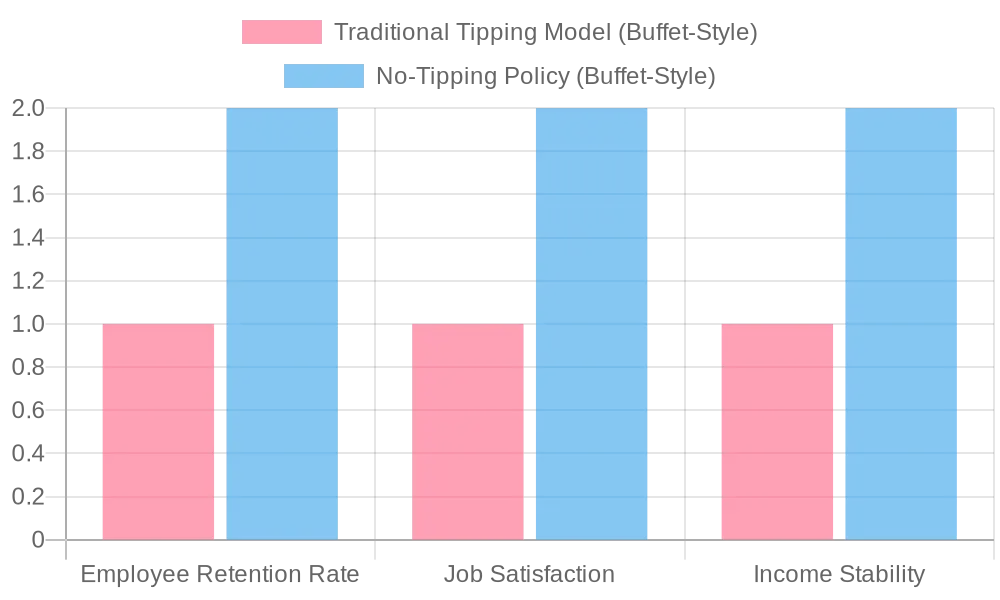
To provide a clearer perspective, here’s a comparison of staff compensation in buffet-style restaurants under traditional tipping models versus no-tipping policies:
| Metric | Traditional Tipping Model | No-Tipping Policy |
|---|---|---|
| Employee Retention Rate | Generally low; high turnover | Generally higher; stable wages |
| Job Satisfaction | Often lower; pressure for tips | Generally higher; feeling respected |
| Income Stability | Unpredictable; fluctuating | Stable; consistent base wage |
Tipping Trends at Buffet Restaurants
Tipping at buffet-style restaurants has evolved significantly over the past five years, driven by the rise of digital payment systems and the phenomenon known as “tipflation.” Customers have observed a shift in tipping patterns, especially as many buffet restaurants have begun to utilize preset tip options during the checkout process.
As you can see in the chart below, the average tip percentage has increased from 15.2% in 2019 to 21.3% in 2024. Concurrently, the percentage of customers tipping unintentionally, due to default preset amounts, has surged from 18% to 52%. This indicates a growing trend where patrons, particularly younger demographics, find themselves giving tips without the traditional cue associated with full service restaurants.

Key Insights
- 2019-2024 Trends: The increased use of digital payment systems has changed customer behavior towards tipping in buffet settings.
- Consumer Awareness: While many diners appreciate the convenience, there is growing confusion regarding the expectation and etiquette around tipping in buffets. For business owners, understanding this trend is crucial in adjusting service models and payment processing methods to align with customer expectations.
- Industry Response: Restaurants are encouraged to communicate their tipping policies clearly, ensuring patrons are informed about what tips are for, to foster better relationships with customers.
For more insights into customer behavior and restaurant operations, consider visiting our Royal Buffet page.
Conclusion
In conclusion, understanding the tipping culture at hotel buffet-style restaurants is crucial for both restaurant owners and patrons. While many hotel dining experiences include service charges, it’s important to recognize the efforts of service staff who go the extra mile. Tipping not only rewards exceptional service but also fosters a positive dining environment that is beneficial for hospitality leaders. The nuances of this practice can help business owners create a more inviting atmosphere, ultimately enhancing guest satisfaction.
Moreover, reaching out to your restaurant’s management team can provide valuable insights into service options that cater to your specific needs. As indicated by recent trends, such as the surge in demand for convenient dining services like telephone reservations, staying connected with restaurant offerings can greatly improve customer satisfaction. Whether you are exploring Royal Buffet’s various menu options or seeking tailored service solutions, our team is here to support you.
Take the next step in optimizing your dining experience-contact us today for more information about how we can assist you in elevating your restaurant service and customer interactions!