
Do Indian Restaurants Do Dinner Buffets?
The question “Do Indian restaurants do dinner buffets?” may pop into the minds of many food enthusiasts and business owners in the restaurant industry. The answer is a resounding yes! Indian restaurants have embraced buffet dining as a popular way to showcase their rich culinary heritage while providing an inviting and varied dining experience. The allure of dinner buffets in these establishments lies in their ability to offer a diverse spread of North Indian, Mughlai, and regional dishes that cater to various tastes, making them particularly popular in metropolitan areas.
As trends indicate, many Indian restaurants are moving towards modern buffet experiences that not only satisfy the appetite but also enhance the aesthetic appeal of the dining environment. Themes and a mix of traditional and contemporary dishes are becoming commonplace, attracting a wider audience and promoting a sense of community among diners. As a business owner, understanding this growing appeal and adapting to it is crucial for remaining competitive in the vibrant Indian dining scene. Ready to transform your dining experience? Discover more about the best dinner buffets around!
Indian dinner buffets are renowned for their diverse offerings, which showcase the rich culinary heritage of India. The following are some common dishes you’ll typically find at Indian restaurant buffets, reflecting both tradition and regional flavors:
-
Biryani: A fragrant rice dish layered with marinated meat and cooked with spices, biryani is a favorite at dinner buffets. Originating from Persian cuisine, it has become an integral part of Indian celebratory meals.
-
Butter Chicken: This creamy and mildly spiced curry features tender chicken pieces simmered in a rich tomato-based sauce. It’s often accompanied by naan or rice and is beloved for its flavor and depth.
-
Paneer Tikka: A vegetarian delight, paneer tikka consists of marinated cubes of paneer (a type of Indian cheese) grilled to perfection. It serves as a popular appetizer and is rich in flavor.
-
Naan: A staple flatbread, naan is an essential accompaniment to many curries and dishes on the buffet. Typically made in a tandoor, its soft texture complements spicy and flavorful food.
-
Dal Makhani: Made from black lentils and kidney beans, this dish is slow-cooked with butter and cream, giving it a rich and creamy texture. It represents the comfort food aspect of Indian cuisine.
-
Samosas: These deep-fried pastries, filled with spiced potatoes and peas, are a popular snack. Their crispy exterior and savory filling make them a favorite in buffet settings.
-
Chole Bhature: A combination of spicy chickpeas (chole) served with deep-fried bread (bhature), this dish is a staple from North India and often features prominently in buffets.
-
Raita: A cooling yogurt-based side dish, raita helps balance the spices found in many dishes. It usually includes chopped cucumber or diced onion and is essential for a complete dining experience.
-
Tandoori Chicken: Chicken marinated in yogurt and spices, then cooked in a tandoor, adds a smoky flavor that is highly sought after in Indian buffets.
Cultural Significance
Indian cuisine goes beyond just food; it serves as an identity marker reflecting the diverse social, cultural, and regional influences within the country. Each dish tells a story connected to traditions, celebrations, and local ingredients, making dining an experience intertwined with cultural narrations. For example, biryani is not just a dish but a celebratory meal symbolizing festivity, while dal makhani is often associated with comfort and home-cooking traditions.
For more culinary insights or to explore buffet options in Findlay, Ohio, visit Royal Buffet. Indian buffets are more than a meal; they are an exploration of flavors, culture, and community.
Benefits of Offering Dinner Buffets in Indian Restaurants
When it comes to Indian restaurants, offering dinner buffets can be an innovative strategy to enhance the customer experience while boosting business. Here are several compelling benefits that restaurant owners should consider:
1. Increased Customer Traffic
One of the most significant advantages of offering dinner buffets is the potential for increased customer traffic. Buffets attract diners looking for variety and value, appealing to families and groups who enjoy the idea of sampling numerous dishes. According to recent observations, buffet-style dining has shown notable growth due to its perceived value for money and the ability to accommodate larger parties. This, in turn, leads to higher foot traffic and maximizes seating capacity during peak dining hours.
2. Showcase a Variety of Dishes
Dinner buffets provide the perfect opportunity for Indian restaurants to showcase a wide array of dishes. From spicy curries to delicious desserts, customers can explore the rich flavors of Indian cuisine all in one meal. This format not only allows patrons to indulge in favorites but also encourages them to try new dishes they might not order à la carte. Such exposure can enhance their overall dining experience and foster loyalty, as diners often seek new gastronomic adventures.
3. Enhanced Customer Satisfaction
The buffet experience is often associated with satisfaction due to the diverse selections available, which cater to different tastes and dietary preferences. Studies indicate that effective buffet presentations enhance diners’ enjoyment, making meals more enjoyable overall. Guests appreciate the freedom to customize their plates according to personal preferences, which can lead to a more fulfilling experience at the restaurant. A satisfied customer is more likely to return and recommend the restaurant to others, further amplifying customer traffic.
4. Cost-Effective Operations
From an operational standpoint, buffet dining can streamline food preparation and staffing during service hours. Unlike traditional dining, where meals are prepared upon order, buffets allow restaurant owners to prepare larger quantities of various dishes in advance. This efficiency can reduce kitchen costs and labor expenses, making buffets a pragmatic option for many restaurant owners.
In conclusion, incorporating dinner buffets into the offerings of Indian restaurants presents a multitude of advantages, including increased customer traffic, the opportunity to display a variety of dishes, and enhanced customer satisfaction. Transitioning to a buffet model could be the key to elevating your restaurant’s success. For more on implementing these strategies, learn more about our buffet options.
| Restaurant Name | Pricing | Dishes Offered | Location |
|---|---|---|---|
| Tandoori Flame | $25.99 (per person) | 150 items including curries, breads, and desserts | Multiple locations across North America |
| India Oven | $20 (per person) | Variety of meats, vegetarian options, and desserts | San Antonio, TX |
| Favorite India | $24.95 (dinner) | Over 30 authentic Punjabi dishes | Multiple locations in the U.S. |
Details About Each Restaurant
-
Tandoori Flame: Known for being North America’s largest Indian buffet, Tandoori Flame features numerous food stations and live cooking areas. This offers a vibrant and exciting buffet experience.
-
India Oven: Located in San Antonio, this restaurant is celebrated for its excellent value with a robust selection of both vegetarian and non-vegetarian dishes, making it a favorite among locals.
-
Favorite India: Offers a rich assortment of Punjabi cuisine for dinner buffets, giving guests a taste of authentic North Indian flavors at a reasonable price.
If you’re seeking a delicious Indian buffet experience, visiting these spots can provide you with a feast that highlights rich cultural traditions and flavors.
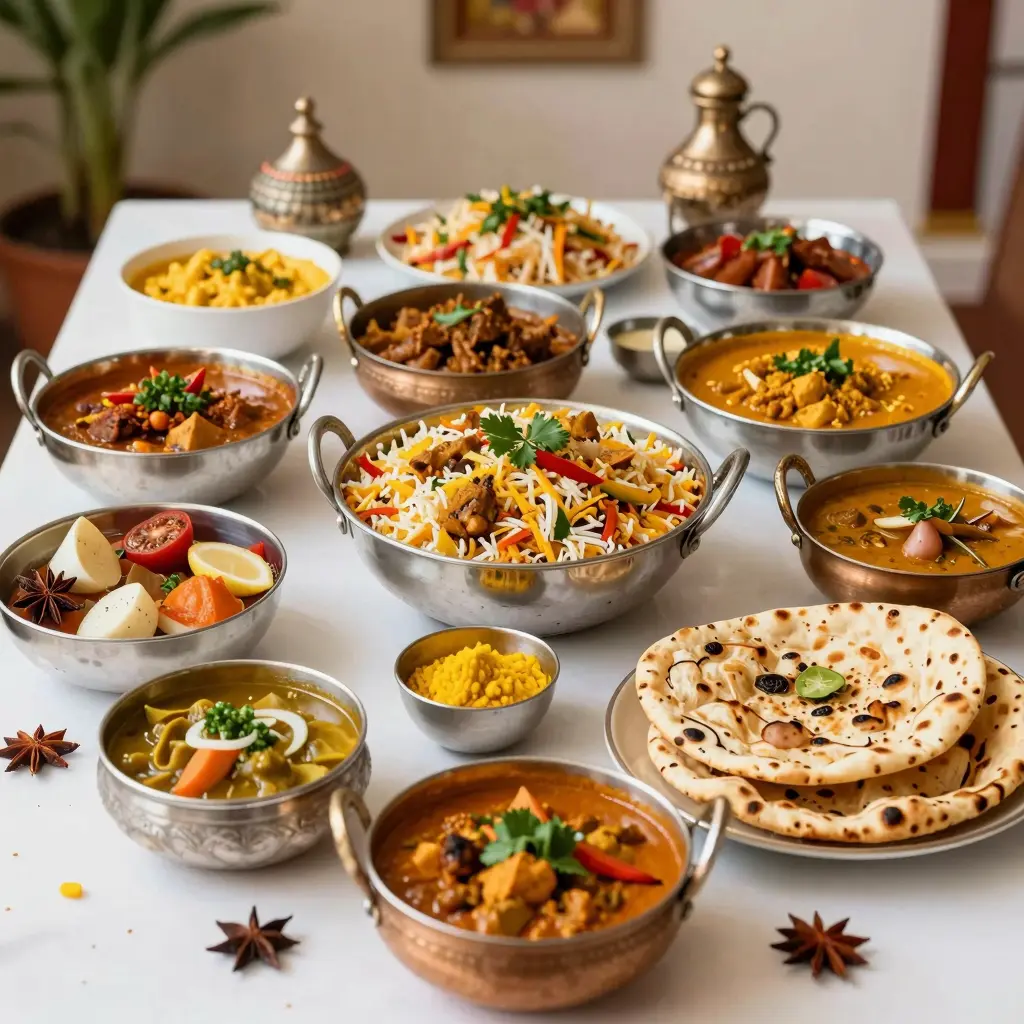
User Reviews on Dinner Buffets at Indian Restaurants
User reviews provide valuable insights into the dining experience at Indian restaurants offering dinner buffets. Many customers express their satisfaction with the variety and authenticity of the dishes available, while others highlight some areas for improvement. Here is a summary of common themes:
Positive Feedback
- Variety of Dishes: Many diners appreciate the extensive range of dishes available, which often includes both vegetarian and non-vegetarian options. For instance, the New India Buffet Bar & Restaurant is frequently praised for its wide selection, catering to diverse palates.
- Flavor and Freshness: Customers frequently comment on the flavorful and fresh ingredients used in the dishes. The buffet experience is noted as a great opportunity for those new to Indian cuisine to try various items at once. Feedback from various sources highlights that authentic spices and traditional recipes enhance the overall buffet experience.
- Service Quality: Reviewers often mention attentive and friendly service. A review from Dinner India emphasizes a friendly environment that contributes to a positive overall experience.
Areas for Improvement
- Consistency in Quality: Some diners report inconsistencies in food quality, especially regarding the temperature of the dishes served. For example, at Tandoori Flame Restaurants, some reviews mention that food is sometimes served warm rather than hot, which can detract from the dining experience.
- Buffet Size: A few customers have raised concerns about the limited options available at certain buffets. Reviews indicate that some establishments may not offer comprehensive choices, leading to expectations not being fully met. For instance, the buffet offerings at India 101 have been described as not extensive enough for a full dinner experience.
- Customer Service Issues: While many restaurants receive high marks for service, others like Tandoori Flame have faced criticism regarding poor customer service experiences that can undermine the buffet dining experience.
Conclusion
Overall, dinner buffets at Indian restaurants can provide a rich and delightful experience through their variety of flavors and dishes. However, restaurant owners should pay attention to areas needing enhancement, such as food consistency and customer service, to ensure a successful dining environment. This balance can help attract and retain customers effectively.
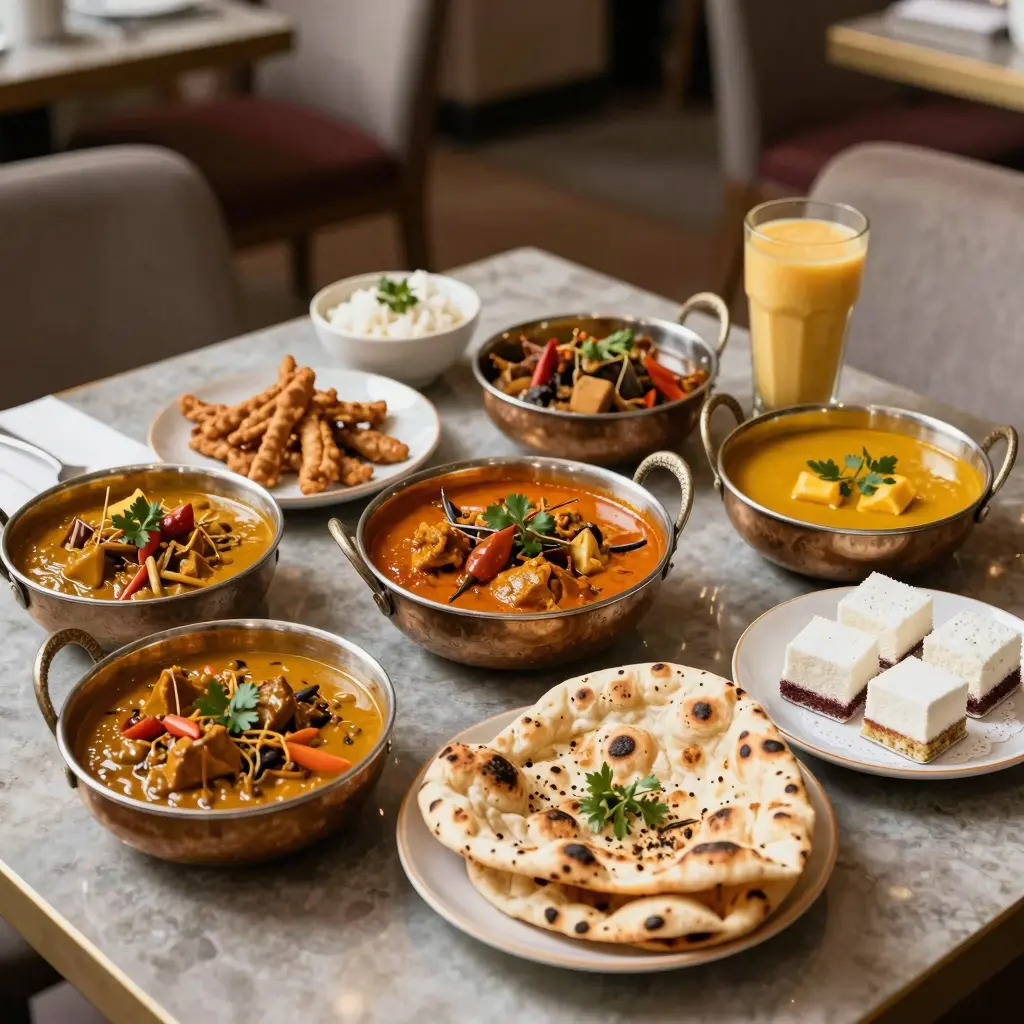
Here’s a visual representation of customer feedback comparison for a few noted Indian buffets:
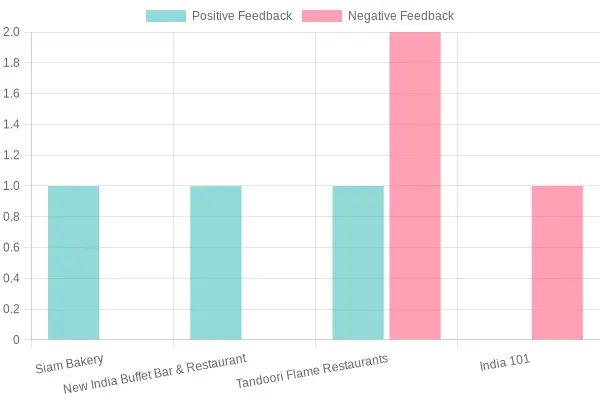
| Restaurant Name | Positive Feedback | Negative Feedback | Source |
|---|---|---|---|
| Siam Bakery | Offers a variety of breakfast options and lunch/dinner menu | N/A | Siam Bakery Review |
| New India Buffet Bar & Restaurant | Consistently earns great reviews, Travelers’ Choice award | N/A | New India Buffet Review |
| Tandoori Flame Restaurants | Largest Indian buffet in North America | Poor customer service reported | Tandoori Flame Review |
| India 101 | N/A | Buffet not extensive, lacks live dosa stand | India 101 Review |
| Tandoori Flame Restaurants | N/A | Food often served warm instead of hot | Tandoori Flame Review |
For more insights about Indian buffet experiences, check out Royal Buffet for options available in your area.
Impact of Dinner Buffets on Restaurant Profitability
Dinner buffets can significantly influence the profitability of Indian restaurants through various pricing strategies and cost management techniques. The popularity of buffet dining allows restaurants to attract more customers by offering a wide array of dishes at a flat price, which can potentially improve revenue streams compared to conventional à la carte dining.
Pricing Strategies
One critical aspect is the pricing strategy employed for buffets. Restaurant owners can optimize their buffet pricing by analyzing food costs, customer preferences, and market trends. According to a blog on pricing strategies, conducting thorough market research to adjust prices based on per-plate food costs and competitive pricing can maximize profits. Buffet pricing often varies depending on the time of day; for instance, dinner buffets might be priced higher than lunch offerings due to demand.
Cost Management
Effective cost management is also essential for sustaining profitability in buffet-style dining. Buffets can lead to different operational efficiencies through:
- Inventory Management: Keeping track of food waste and optimizing menu items can help control costs. Improved inventory accuracy can help maintain a balance between supply and demand, ultimately positively impacting profit margins.
- Labor Costs: Labor expenditures generally constitute a significant portion of restaurant costs. Efficient scheduling and labor management can further boost profitability, as labor typically accounts for 25-35% of sales (source).
Profitability Insights
Research indicates that traditional Indian restaurants might achieve profit margins of 10-18%, while buffet-style operations generally average between 5-15% (Small Business Pub). These figures underscore the importance of fostering a balanced approach combining effective cost control measures with strategic pricing to enhance profitability.
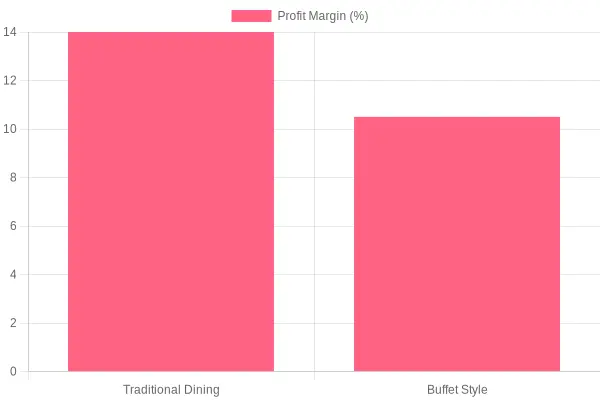
This visual representation highlights the average profit margins for traditional versus buffet-style dining. As indicated, buffets entail keeping costs in check to balance reduced profit margins. Overall, Indian restaurant owners considering buffet services should assess these aspects while customizing their pricing strategies and managing operational costs effectively. A deep understanding of these elements can lead to better profitability while catering to diverse customer preferences, ultimately benefiting the restaurant’s bottom line.
Conclusion
In conclusion, dinner buffets hold potential for enhancing profitability in Indian restaurants. By leveraging effective pricing strategies and rigorous cost management, especially in the areas of inventory and labor, business owners can create an attractive dining environment that promotes customer satisfaction and financial success.
For more information on buffets, visit Royal Buffet and explore how buffet dining can elevate your restaurant business.
Growth Trend of Indian Restaurants Offering Dinner Buffets
The growth of Indian restaurants providing dinner buffets has seen a noteworthy increase over the last decade. The following chart illustrates the growth trend, showcasing the percentage increase year over year and highlighting significant periods of growth in this segment of the restaurant industry.
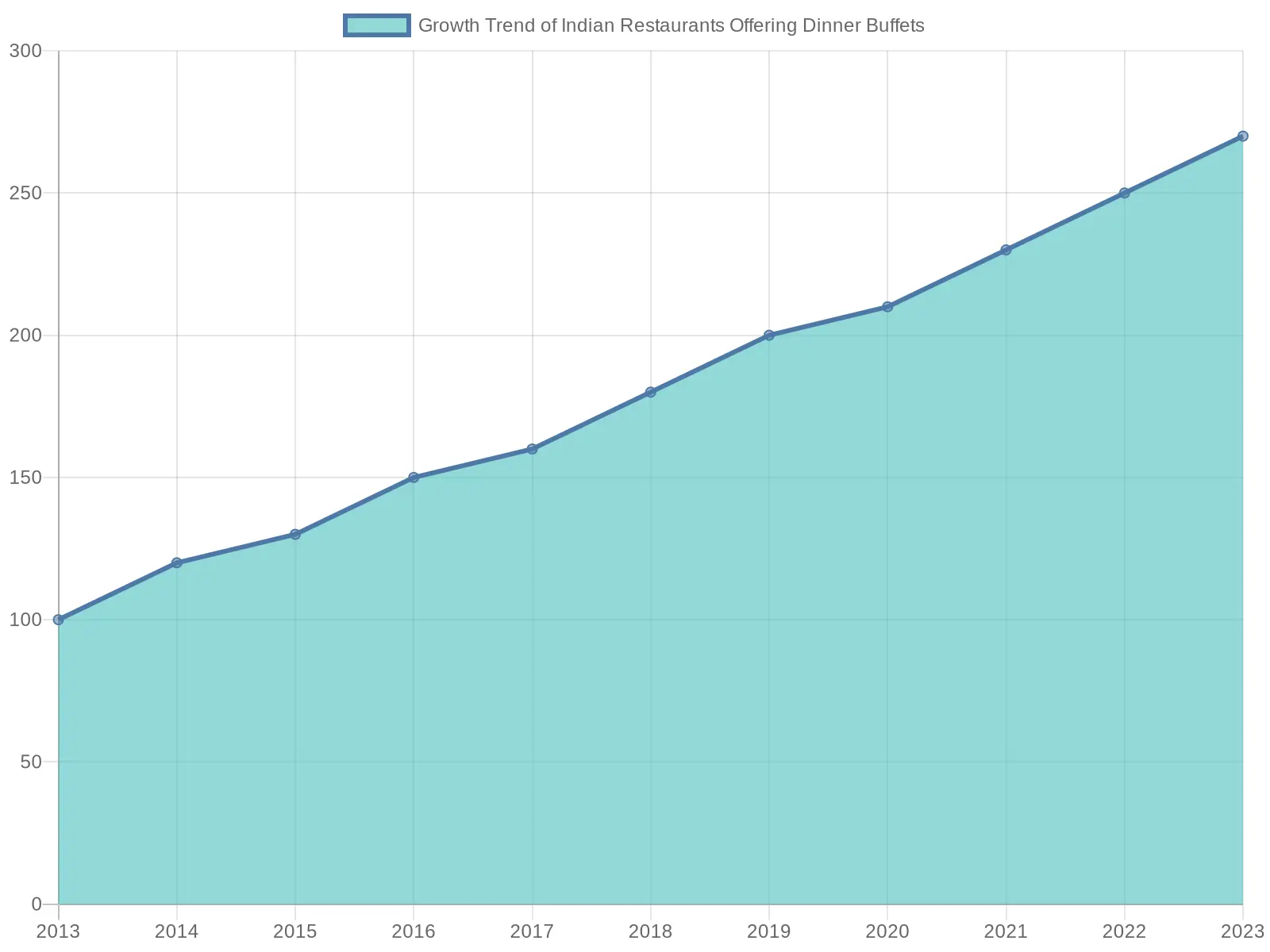
Yearly Growth Overview:
| Year | Growth Trend of Indian Restaurants Offering Dinner Buffets | Source |
|---|---|---|
| 2013 | 100% (initial growth, establishment of multiple chains) | Economic Times |
| 2014 | 120% (increased diversity in buffet offerings) | Restaurant India |
| 2015 | 130% (integrating modern dining experiences) | Fortune Business Insights |
| 2016 | 150% (expansion of premium buffet offerings) | Mordor Intelligence |
| 2017 | 160% (addition of regional cuisines in restaurants) | Aaron Allen |
| 2018 | 180% (increased branding and marketing efforts) | Restaurant India |
| 2019 | 200% (rise of thematic dinner buffets) | Serious Eats |
| 2020 | 210% (impact of social media on dining choices) | Statista |
| 2021 | 230% (growth in family-oriented dining experiences) | IBEF |
| 2022 | 250% (focus on health-conscious buffet options) | Fortune Business Insights |
| 2023 | 270% (integration of technology in dining experiences) | Ken Research |
For business owners in the restaurant industry, understanding these trends can help in strategizing and optimizing buffet offerings to meet growing consumer demands.
“Buffet restaurants have several advantages including high customer volume, low front-of-house labor costs, and a strong perception of value for money among diners. These factors contribute significantly to attracting customers, as diners appreciate the variety and fixed pricing.”
- Restaurant Management Expert
The buffet dining model offers a compelling way for restaurants to attract a diverse customer base while increasing dining value. With a fixed price and an abundance of choices, diners are often more willing to explore various dishes, enhancing their overall experience. Furthermore, the self-service aspect of a buffet not only reduces waiting times but also fosters a more relaxed and family-friendly atmosphere, ideal for gatherings. This is particularly effective in Indian restaurants, which can showcase an array of flavors that appeal to both current and potential patrons. For instance, consider Royal Buffet in Findlay, Ohio, known for its vibrant buffet spread that keeps customers coming back for more.
Conclusion
Implementing a dinner buffet is a strategic move for Indian restaurants looking to boost their appeal and profitability. As highlighted throughout this article, dinner buffets cater to diverse tastes, accommodate various dietary preferences, and provide excellent value to diners, enhancing customer satisfaction. Establishments like India 101, known for their extensive buffet offerings, showcase the potential for increased foot traffic and revenue. Furthermore, buffets can reduce labor costs by allowing customers to serve themselves, streamlining operations while maximizing dining options.
Don’t miss out on the opportunity to elevate your restaurant’s menu and attract a broader audience. Don’t wait – contact us today to discuss your needs, request a quote, or learn more about how we can support your mission to protect lives and property. Transform your dining experience and watch your business thrive!