
Jimmy Buffett, the legendary singer-songwriter known for his laid-back lifestyle and iconic tunes like “Margaritaville,” extended his influence far beyond music with his chain of restaurants. These establishments, including the famous Margaritaville franchise and the “Cheeseburger in Paradise” chain, have not only captivated fans but have also posed intriguing questions about the profitability of themed dining for business owners. How can restaurants inspired by a musical brand thrive in a competitive market?
As we delve into the world of Jimmy Buffett restaurants, we find that they embody more than just a culinary experience; they represent a unique business model that combines entertainment, nostalgia, and a vibrant dining atmosphere. Buffett’s ventures have reportedly contributed to his substantial net worth, estimated at $1 billion, showcasing the financial potential for restaurateurs who can strike a chord with their audience. However, given recent challenges in the restaurant industry, particularly in the post-pandemic landscape, one must wonder about the long-term viability and profitability of such themed establishments.
For entrepreneurs and business owners, understanding the dynamics behind the success of Jimmy Buffett restaurants can provide valuable insights into brand management, customer engagement, and niche marketing strategies. The question remains: can the spirit of Margaritaville sustain profitability for future ventures in a rapidly evolving dining landscape? This exploration not only sheds light on Buffett’s remarkable business empire, but also offers lessons for aspiring restaurateurs aiming to turn their passion into profit.
The History of Jimmy Buffett’s Restaurant Brand
Inception of Margaritaville
The history of Margaritaville dates back to 1987, when the first restaurant opened its doors in Key West, Florida. Created by musician Jimmy Buffett and co-founder Chi-Chi’s, the restaurant concept emerged from Buffett’s iconic song “Margaritaville,” epitomizing a laid-back lifestyle that celebrates tropical settings and carefree fun. This inaugural location quickly became a favorite among tourists and locals alike, laying the groundwork for a brand that would grow substantially over the decades.
Expansion Milestones
As the popularity of the restaurant grew, so did its reach. In 1993, Margaritaville opened its second location in Orlando’s Universal CityWalk, a move that solidified its status as a dining and entertainment destination. This expansion was pivotal, as it introduced the brand to a wider audience, especially families and tourists visiting the amusement parks.
By the mid-1990s, Margaritaville’s success prompted further growth with new locations cropping up in key tourist destinations across the United States. By 2003, the total number of Margaritaville restaurants was around 20, each designed to reflect the island-inspired vibes characteristic of Buffett’s music.
A Global Reach
The early 2000s marked an era of international expansion for the brand. Notably, Margaritaville began to establish franchises abroad, with restaurants opening in the Bahamas, Jamaica, and Mexico. This global reach illustrated the brand’s influence and the universal appeal of the tropical lifestyle. As of 2025, there are over 30 Margaritaville locations worldwide, bringing Buffett’s vision of a relaxed, beachy dining experience to countless fans around the globe.
Continuing Development and Recent Milestones
Recent developments for Margaritaville include the diversification of its offerings beyond restaurants. The brand has expanded into the hospitality sector, with themed hotels and retirement communities emerging under the Margaritaville name. Notable openings include Margaritaville Resort in Pigeon Forge, Tennessee, in 2019 and plans for a new locale in Boston announced in 2021. These expansions reflect a savvy approach to branding, tapping into various markets while retaining the core principles of relaxation and fun that define Margaritaville.
Conclusion
The restaurant evolution of Margaritaville showcases the power of a strong brand connected to a beloved cultural icon. Jimmy Buffett’s restaurant chain has not only thrived but has evolved into a multifaceted lifestyle brand that continues to expand. The rich history of Margaritaville serves as an inspiring case study for business owners looking to create lasting and impactful brands. For more on evolving restaurant brands, you can learn more about Royal Buffet.
| Location | Estimated Revenue (2022) | Year |
|---|---|---|
| Margaritaville Key West | $15 million | 2022 |
| Margaritaville Nashville | $20 million | 2022 |
| Margaritaville Las Vegas | $25 million | 2022 |
| Margaritaville Island Resort | $30 million | 2022 |
| Margaritaville Orlando | $18 million | 2022 |
| Margaritaville Myrtle Beach | $12 million | 2022 |
Key Insights
- Margaritaville as a brand attracted over 20 million visitors annually, bolstering its revenue primarily through licensing and franchising deals.
- The overall revenue reach for Margaritaville was estimated at about $2.2 billion in 2022.
For further details on the success of Margaritaville restaurants, you can learn more about their impact on the restaurant industry.
The profitability and unique brand appeal illustrate why many business owners may consider tapping into similar hospitality ventures.
Business Strategies of Jimmy Buffett’s Restaurants
Jimmy Buffett, renowned for his music and laid-back lifestyle, has skillfully translated his artistic identity into a successful restaurant empire, including the renowned Margaritaville chain. His business strategies encompass innovative marketing techniques, strategic partnerships, and exceptional customer engagement, all of which play a crucial role in profitability. Here’s how these strategies manifest in his restaurant operations.
Marketing Techniques
Buffett employs a unique marketing approach that blends his musical persona with the dining experience. His advertising strategy revolves around creating a lifestyle brand that resonates with fans and patrons alike. Here are some key components of his marketing techniques:
- Lifestyle Branding: By integrating his music and the “island life” ethos, Buffett has created a compelling brand that attracts customers seeking leisure and enjoyment. His restaurants are not just places to eat; they are experiential venues that provide entertainment, enhancing customer retention.
- Community Engagement: Buffett’s marketing strategies often emphasize community involvement. This includes sponsoring local events and engaging with local charities, which not only fosters goodwill but also builds a loyal customer base that feels connected to the brand. For instance, events hosted at Margaritaville often feature local musicians, drawing crowds and creating a vibrant atmosphere that benefits the community and the restaurant.
Strategic Partnerships
Strong partnerships enhance Buffett’s brand presence and attract a broader audience. Some notable aspects include:
- Collaborations with Artists and Brands: Buffett has formed alliances with various artists and brands, which help to expand his restaurant reach. For example, collaboration with beer brands for exclusive beverage offerings allows cross-promotion, drawing in fans of both the restaurant and the partner brand.
- Franchising Model: The Margaritaville franchise model has enabled Buffett to expand his brand without heavy capital investments. This model leverages local entrepreneurs’ knowledge and resources, ensuring sustainability and adaptability in new markets, while also enhancing profitability through royalty and licensing fees.
Customer Engagement Strategies
Engaging customers effectively is crucial for any restaurant’s success. Buffett’s approach includes:
- Immersive Dining Experiences: Each Margaritaville location is designed to provide a unique dining experience filled with music, food, and vibrant décor that reflects the “no worries” lifestyle promoted in his songs. By creating an immersive experience, Buffett increases customer satisfaction and encourages repeat visits.
- Loyalty Programs: Implementing loyalty programs that reward repeat customers helps drive ongoing patronage. This encourages guests to return more often, contributing to higher average spending over time. Programs may include discounts, exclusive member events, or rewards for referrals.
- Feedback Mechanisms: Jimmy Buffett’s restaurants often take advantage of customer feedback through surveys and social media interactions. By actively listening to customers and incorporating their suggestions, the restaurants can adapt their offerings and enhance overall satisfaction.
Influencing Profitability
The integration of these business strategies directly influences profitability. Here are some examples:
- Increased Customer Retention: Studies show that retaining existing customers can increase profits by 25% to 95%. Buffett’s focus on customer engagement ensures that patrons return, leading to consistent sales growth over time. This retention strategy is particularly effective in buffet-style dining, where guests are likely to bring family and friends, amplifying sales.
- Strategic Pricing and Promotions: Implementing tiered pricing structures and promoting special events further boosts profitability. During off-peak hours, offering incentives encourages larger crowds when they might not otherwise visit, optimizing revenue generation throughout the day. For instance, discount nights or themed events attract diverse demographics, increasing footfall.
Conclusion
Jimmy Buffett’s business strategies highlight the importance of innovative marketing, strategic partnerships, and effective customer engagement in running a profitable restaurant business. By merging his brand identity with his culinary ventures, he not only attracts loyal customers but also creates a scalable and profitable business model. For those interested in further exploring buffet concepts similar to Buffet’s strategies, check out Royal Buffet for insights on effective buffet management.
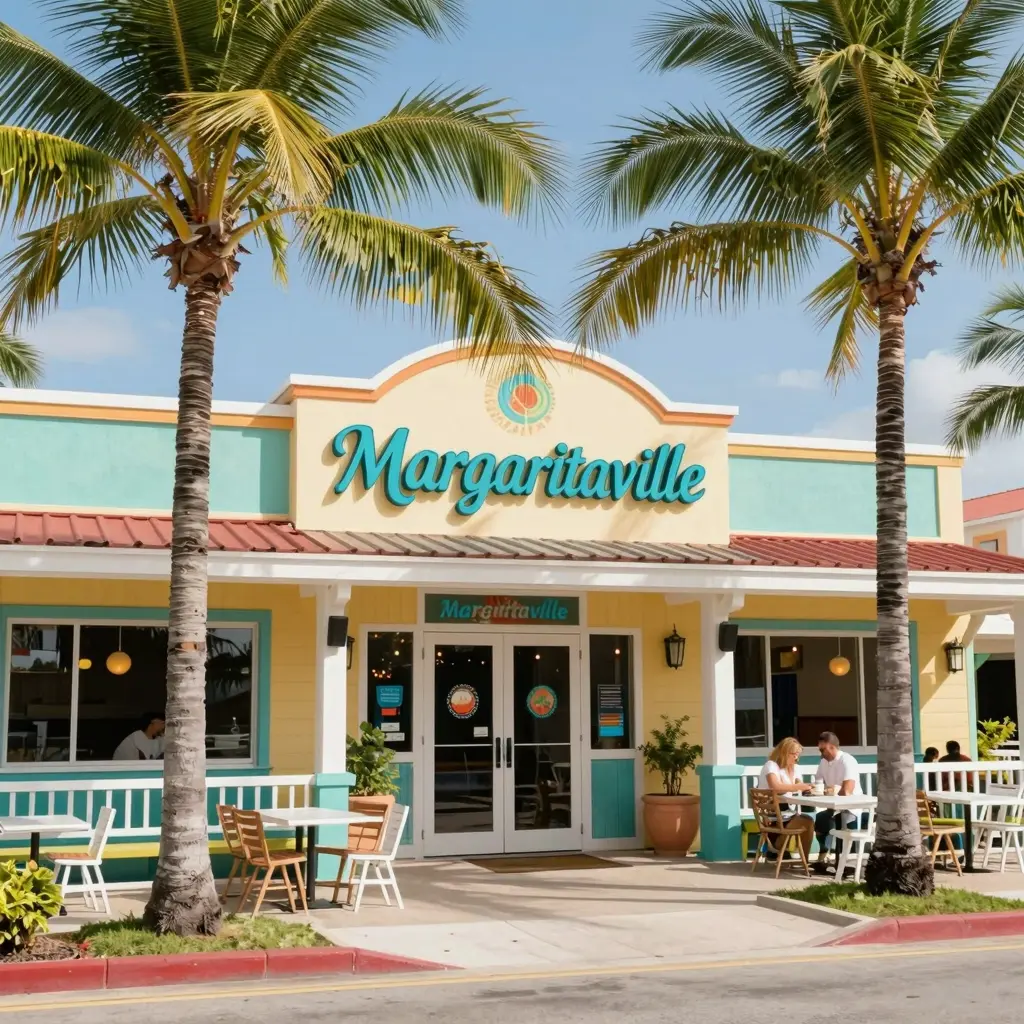
Exploring Restaurant Profit Margins: Insights into Jimmy Buffett’s Ventures
Introduction
The restaurant industry is notorious for its tight profit margins. With numerous factors affecting profitability, understanding these margins is crucial for aspiring or existing business owners. This article delves into the profit margins of the restaurant industry, examining how Jimmy Buffett’s restaurant ventures compare to these standards.
Profit Margins in the Restaurant Industry
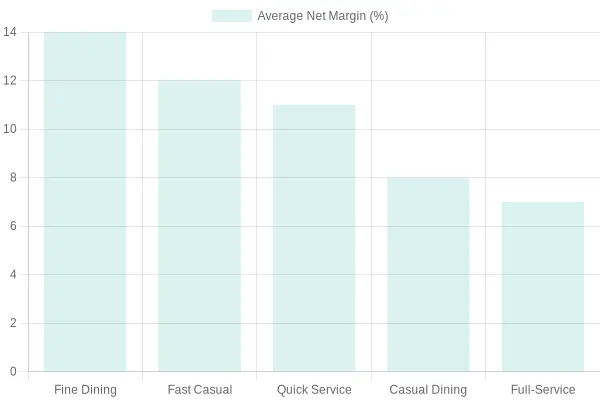
According to recent reports, the average net profit margin for full-service restaurants ranges from 3% to 9%. Here’s a breakdown of profit margins by type of restaurant:
| Restaurant Type | Average Net Margin |
|---|---|
| Fine Dining | 14% |
| Fast Casual | 12% |
| Quick Service | 11% |
| Casual Dining | 8% |
| Full-Service | 7% |
As illustrated, fine dining tends to have the highest margins, while full-service and casual dining restaurants typically have lower margins. These figures highlight the competitive and narrow profitability landscape that restaurant owners navigate.
Comparison with Jimmy Buffett’s Restaurants
Jimmy Buffett’s restaurant chain includes the popular Margaritaville, known for its vibrant atmosphere and themed dining experience. While specific profit margins for Margaritaville restaurants are harder to ascertain, we can infer that they likely operate within the industry’s profit margin range, considering their full-service status.
What Sets Margaritaville Apart?
- Unique Brand Experience: Margaritaville restaurants are not just about food; they offer a lifestyle and entertainment experience. This could potentially enhance customer loyalty and increase repeat visits, providing a benefit in terms of margins.
- Market Positioning: A well-established brand like Margaritaville can command higher prices, further allowing for better margins despite the competitive pricing in the restaurant sector.
- Cost Management: Management plays a critical role in profitability. Efficient operations, including ingredient sourcing and labor management, can differentiate successful entities from others.
Industry Challenges Affecting Profit Margins
- Rising Costs: From ingredient prices to labor costs, various economic factors can squeeze profit margins for restaurants.
- Economic Fluctuations: In the wake of economic downturns or crises (like the COVID-19 pandemic), the restaurant sector often suffers, impacting profitability across the board.
- Competition: With numerous dining options available, establishments must continuously innovate and manage costs effectively to remain competitive.
Conclusion
In essence, while Jimmy Buffett’s restaurant ventures operate in an environment characterized by narrow profit margins (3% to 9% on average), their unique positioning and brand identity may provide them with opportunities to thrive within this challenging landscape. Restaurant owners looking to boost their profitability should constantly evaluate their operational strategies, market positioning, and customer experiences.
For more insights and a rich array of buffet options, check out Royal Buffet. For those in Ohio, learn about our offerings at Royal Buffet in Findlay.
Visual Insight
Here’s a chart illustrating average net margins by restaurant type:
Challenges Faced by Jimmy Buffett in Maintaining Profitability at His Restaurants
Running a successful restaurant, particularly in a competitive landscape, presents a myriad of challenges. For Jimmy Buffett’s restaurant ventures, various factors can impact profitability and sustainability, especially considering the hospitality industry’s dynamic environment. Here are some of the primary challenges:
-
Local Competition: The restaurant industry is notorious for its high level of competition. Local eateries, especially those that can provide unique or niche offerings, can significantly impact customer traffic. Buffett’s restaurants must continually innovate to retain and attract customers.
-
Operational Costs: Fluctuations in food prices and labor costs pose ongoing challenges. Increased overhead can tighten profit margins. As pointed out in a 2023 report, many restaurants are struggling to maintain profitability due to rising operational expenses.
-
Changing Consumer Preferences: Modern diners are increasingly diverse in their tastes and dietary requirements. Adapting menus to include healthier, plant-based options or accommodating dietary restrictions is essential, yet it may lead to increased complexity in kitchen operations and supply chains.
-
Seasonality: Many of Buffett’s restaurants, located in tourist destinations, may experience seasonal fluctuations in customer traffic. During off-peak seasons, revenue can dip significantly, which complicates financial planning and staffing.
-
Economic Factors: Macroeconomic trends such as inflation can lead to increased costs for raw ingredients and labor. The restaurant industry is particularly sensitive to these shifts, which can pressure profit margins; reports indicate profit margins for many restaurants have been averaging around 4.5% in recent years (Gitnux).
-
Regulatory Challenges: Compliance with health regulations, labor laws, and environmental regulations can add layers of complexity and cost to restaurant operations. Navigating these legal frameworks is crucial for operational efficiency and risk management.
-
Catering to Diverse Groups: With a global tourism appeal, Buffett’s restaurants must appeal to a wide variety of customers, from families to solo travelers. Managing a menu and atmosphere that satisfies all demographics can be a daunting task.
In conclusion, Jimmy Buffett’s restaurants, like many establishments in the hospitality sector, navigate a complex array of challenges in striving for profitability. Addressing these issues with strategic management approaches will be critical for their success in the current economic landscape. For insights on effective strategies in restaurant management, check out our guide on hospitality management which explores best practices and innovative solutions.
In conclusion, Jimmy Buffett’s ventures, particularly his restaurant chains like Margaritaville, exemplify the blend of personal branding, marketing savvy, and understanding of customer wants and needs in the restaurant industry. While specific profitability figures are scarce, it’s clear that Buffett’s strategic decisions, such as selling the Cheeseburger in Paradise chain for $11 million and expanding the Margaritaville footprint, reflect a successful business approach. This illustrates that with a well-crafted brand and thoughtful management, restaurant owners can create thriving businesses that resonate with patrons.
As a business owner, there’s much to glean from Buffett’s success and approach to the restaurant industry. Embracing creativity and identifying unique selling points are crucial steps you can take towards achieving profitability in your ventures. If you’re looking to expand your knowledge or need support in navigating the restaurant landscape, don’t hesitate to contact us today for insights and assistance. Together, we can explore the opportunities that await in the culinary arts!
Jimmy Buffett’s Philosophy on Profit in Restaurants
Jimmy Buffett has built an empire around the concept of ‘island escapism,’ a philosophy that permeates his music and business ventures, especially his restaurants. One of his notable quotes that reflects both profitability and creativity in business is:
“The most important thing is to be creative. You should never stop creating, no matter what you’re doing. If you stop creating, you die.”
This sentiment encapsulates Buffett’s approach to entrepreneurship, emphasizing continuous innovation and adaptability in the restaurant industry. His Margaritaville brand and related ventures showcase how embracing creativity can lead to significant profitability.
Additionally, understanding the balance between maintaining a fun, laid-back atmosphere while ensuring quality and service has been crucial to his success. His restaurants don’t just serve food-they provide an experience that aligns with his artistic brand, attracting a wide audience who resonates with his carefree lifestyle.
For more insights into how Buffet has created a profitable restaurant business, you can explore Royal Buffet locations or check the Royal Buffet menu.
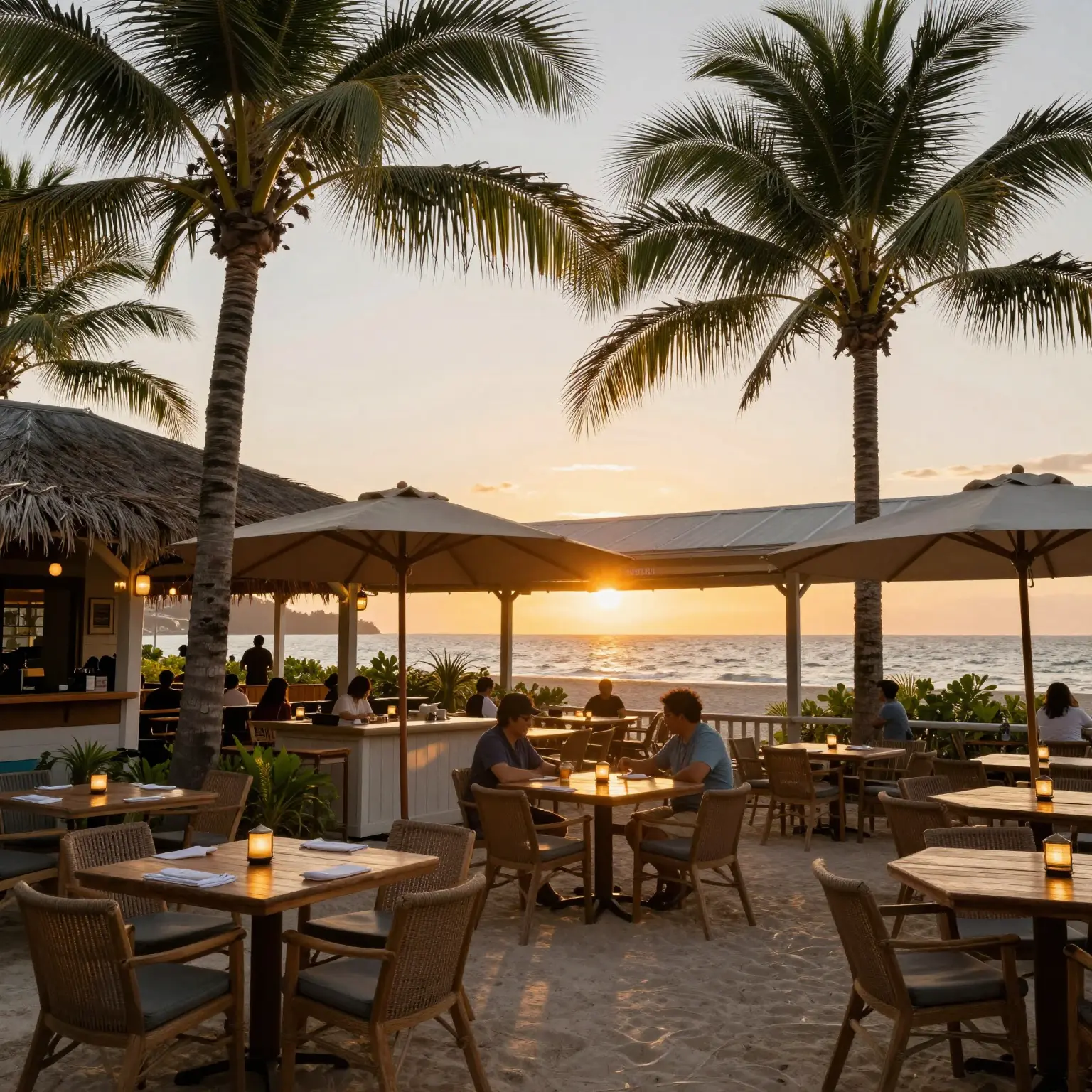
His unique ability to blend leisure with business is a lesson for all entrepreneurs seeking to create something beyond just a meal-something that presents a lifestyle.
Whether you’re running a casual diner or a sophisticated restaurant, Buffett’s philosophy of creativity and enjoyment can provide inspiration for your own profitable ventures.
Analyzing the Customer Experience at Jimmy Buffett’s Restaurants
Customer experience is a pivotal aspect of the restaurant industry that significantly impacts profitability. In the case of Jimmy Buffett’s Margaritaville restaurants, the customer experience is intricately woven into the brand’s identity and plays a crucial role in its success.
The Tropical Ambiance
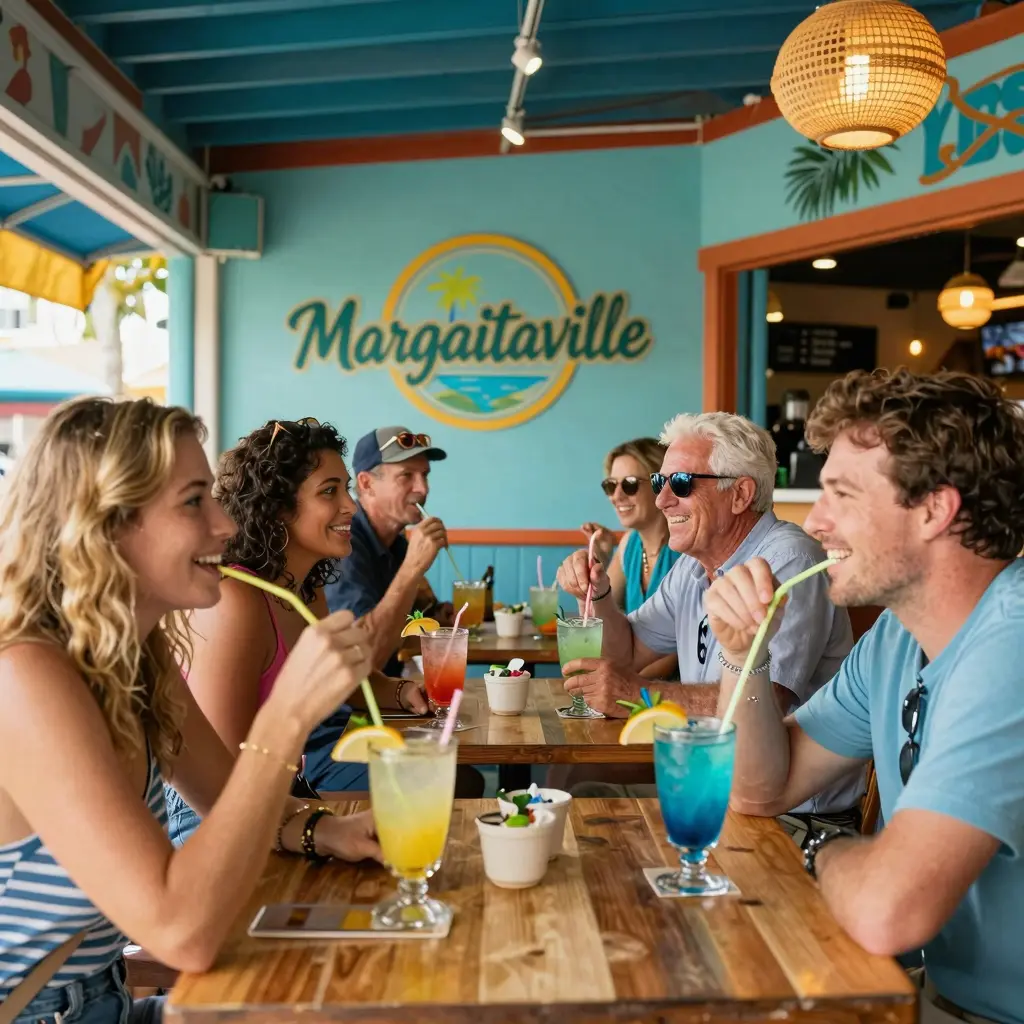
One of the standout elements of the customer experience at Margaritaville is its vibrant and tropical ambiance. Each location is designed to evoke the feeling of being in a beachside paradise, characterized by bright colors, island-themed decor, and relaxing music. This festive atmosphere not only attracts customers but keeps them lingering longer, enhancing the likelihood of additional expenses on food and drinks. As noted in a Tripadvisor review, patrons particularly enjoy the enjoyable environment, where the thematic decor effectively reflects the laid-back lifestyle that Jimmy Buffett promotes.
Exceptional Service
In addition to a fantastic ambiance, the level of service provided at Margaritaville locations significantly contributes to the overall customer experience. Staff members are often described as friendly and attentive, enhancing the dining experience by making customers feel valued and welcomed. This personalized service encourages repeat visits and positive word-of-mouth marketing, which are essential for maintaining a loyal customer base. Acknowledging the importance of customer satisfaction, Margaritaville’s emphasis on service quality aligns with their profitability model, fostering an engaging and satisfying dining journey for all guests.
Creative Branding
Branding plays a substantial role in Jimmy Buffett’s restaurants, encapsulating the essence of leisure and fun. The Margaritaville brand is more than just a restaurant; it represents a lifestyle that resonates with many customers seeking a carefree escape from daily life. The connection between the brand and its audience is strengthened through themed events and live performances at various locations, providing unique experiences that customers cannot find elsewhere. According to a New York Times article, this lifestyle branding supports not only the restaurants’ financial viability but also its rapid expansion across new locations, indicating a growing customer base eager for the Margaritaville experience.
Conclusion
In the competitive landscape of the restaurant industry, Jimmy Buffett’s Margaritaville restaurants stand as a testament to the powerful impact of customer experience on profitability. Through a unique blend of ambiance, exceptional service, and strong branding, these establishments effectively attract and retain customers. The attention to detail in creating a celebratory and enjoyable dining experience not only elevates customer satisfaction but also contributes to the chain’s ongoing success and profitability. Business owners looking to enhance their restaurants can learn valuable lessons from the Margaritaville model, focusing on creating an inviting atmosphere and quality service.
For more insights on effective restaurant strategies, explore our offerings.