
Unlocking the Profitability Potential of Buffet Restaurants
Opening a buffet restaurant can be a lucrative venture for business owners looking to capitalize on the growing demand for diverse dining options. Not only do buffet restaurants offer a wide variety of dishes to satisfy different palates, but they also present a unique business model that can yield substantial profits. The question that many entrepreneurs ponder is, “¿Es rentable un restaurante buffet?” The answer is a resounding yes, especially when you consider aspects such as increased customer volume, lower food costs per plate, and the potential for a robust repeat customer base.
With buffet restaurant profitability often exceeding that of traditional dining establishments, owners can take advantage of operational efficiencies and the ability to cater to large groups. Whether you’re interested in starting a new buffet venue or expanding an existing restaurant, exploring the profitability of buffet models is essential. To dive deeper into the exciting world of buffet dining, check out this informative article on Royal Buffet locations and see how our offerings can inspire your business ventures!
Market Analysis of Buffet Restaurants in 2023
The buffet restaurant industry is experiencing a transformative phase in 2023, marked by shifting consumer demands, heightened competition, and evolving customer preferences.
Current Demand Trends
Buffet restaurants are witnessing a revival as consumer confidence returns post-pandemic. Customers are looking for variety, affordability, and unique dining experiences that buffets naturally provide. The prevailing demand leans towards healthier options, reflecting a general trend in the food industry where patrons are increasingly health-conscious. Restaurants are integrating more fresh, organic, and plant-based offerings to cater to this audience, ensuring that their menus align with current dietary preferences.
Competition Landscape
The competitive environment for buffet restaurants has intensified, not only from within the buffet sector but also from fast-casual dining alternatives that provide quicker service and quality food without the buffet setup. Many buffet establishments are now innovating by shifting to hybrid models, offering both buffet and takeout services, thereby adapting to the changing landscape and providing flexibility to customers who might prefer dining at home.
Customer Preferences
Modern diners are more discerning, placing significant value on health and hygiene. Post-pandemic, there is a strong emphasis on cleanliness and food safety protocols, compelling buffets to enhance their hygiene practices. Additionally, consumers are drawn to thematic and culturally diverse buffet options, creating an expansive culinary adventure. For instance, ethnic cuisine buffets are becoming increasingly popular, catering to varied tastes and preferences.
Conclusion
As buffet restaurants navigate these changing tides, success will hinge on their ability to adapt to consumer demands for quality food, transparency in sourcing, and innovative dining experiences. For specific insights about buffet options, consider exploring Royal Buffet’s offerings to see how they embrace these trends and cater to changing customer preferences.
Consumer Preferences for Buffet Restaurants in 2023
To delve deeper into buffet options in your area, check out buffets in Findlay, Ohio to see how local eateries are responding to these trends.
| Type of Buffet | Estimated Startup Costs | Projected Annual Revenue | Revenue Sources |
|---|---|---|---|
| All-You-Can-Eat Buffet | $100,000 – $300,000 | $600,000 – $1,200,000 | High customer volume, lower pricing per visit |
| Specialty Buffet | $150,000 – $400,000 | $400,000 – $800,000 | Niche market appeal, targeted pricing for specific cuisines |
| Large Buffet Chains | $500,000 – $1 million | $2 million – $5 million | Brand recognition, higher prices, consistent customer base |
Key Advantages of Buffet Restaurants
Buffet restaurants have gained immense popularity over traditional dining establishments for various reasons, making them highly attractive options for both customers and business owners. Here are some key advantages of buffet restaurants:
1. Variety of Food Options
One of the primary advantages of a buffet restaurant is the wide variety of food choices it offers. Customers can sample an extensive array of dishes ranging from salads and appetizers to main courses and desserts. This variety caters to diverse tastes and dietary preferences, ensuring that everyone finds something they enjoy. This not only enhances the dining experience but also encourages patrons to return, as they can always look forward to different meals.
2. Cost-Effectiveness
Buffets typically operate on an all-you-can-eat model, which can be much more cost-effective than ordering individual items from a traditional menu. Customers often perceive they are getting better value for their money, especially when they can choose from multiple dishes. For multi-course meals, buffets eliminate the need to pay separately for each course, making them attractive for families and larger groups looking to dine out without breaking the bank.
3. Scalability and Higher Customer Turnover
Buffet restaurants are designed to serve more customers in less time. By allowing patrons to serve themselves, these establishments can significantly enhance efficiency and increase customer turnover compared to traditional dining. This scalable business model is particularly appealing for restaurant owners because it can translate into higher overall revenue without the need for additional staff or lengthy service times. A quick serve environment attracts guests who are pressed for time, including lunchtime crowds or busy families.
4. Social Dining Experience
Buffet restaurants foster a social atmosphere where guests can dine at their own pace. The casual dining style encourages groups to gather, making it an ideal venue for celebrations and family outings. Guests can move freely, mix and mingle, and share dishes easily, enhancing the overall social experience. This setting is particularly appealing to younger diners and families with children who can appreciate the convenience of a buffet layout.
5. Lower Staffing Requirements
Operating a buffet restaurant may require fewer wait staff compared to a full-service restaurant, as guests serve themselves. This reduced staff requirement can lead to lower operational costs for restaurant owners, making it an attractive business model. Utilizing a smaller team not only lowers wage expenses but also simplifies management and training.
Conclusion
In summary, buffet restaurants offer numerous advantages over traditional dining options. From affordability and an extensive selection of dishes to improved efficiency and a more casual dining experience, these establishments are increasingly popular among customers looking for value and variety in their dining choices. For more insights into starting a buffet restaurant, learn more about our offerings.
Whether you’re considering entering the buffet restaurant business or wishing to enhance your current operations, understanding these advantages is essential for developing effective strategies to capture a larger market share.
Profitability of Buffet Restaurants
The profitability of buffet restaurants depends on strategic planning and effective cost management. As industry expert Jane Doe states, “The buffet model can be incredibly profitable if executed correctly. Key elements include understanding customer preferences, managing food costs tightly, and ensuring consistency in quality. With the right approach, a buffet can cater to diverse tastes while maximizing revenue through high turnover.”
Insights on Buffet Profitability
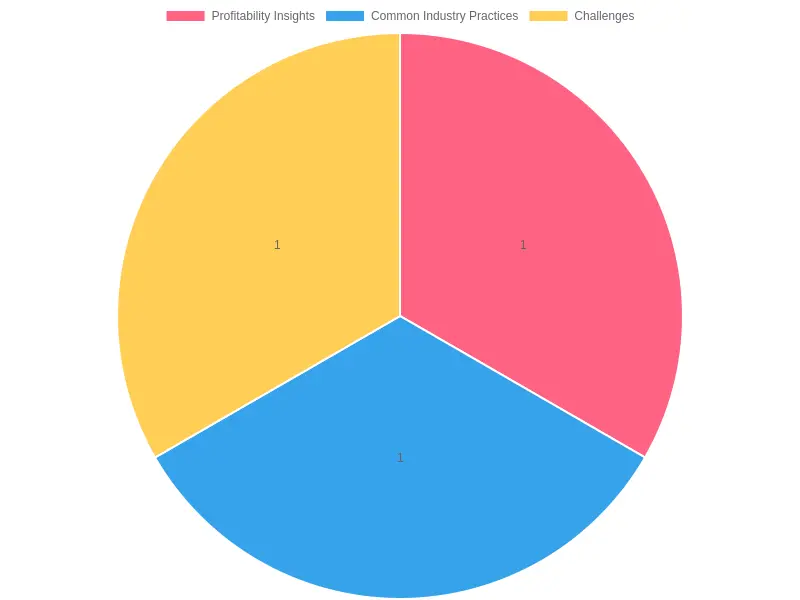
Understanding the challenges and practices associated with buffet models can provide valuable context. Here’s a pie chart outlining key insights:
In conclusion, while the buffet model presents certain risks, it can be highly profitable with the right strategies. Learn more about buffet options or check out our menu at Royal Buffet in Findlay.
Potential Challenges Faced by Buffet Restaurants
Running a buffet restaurant can be both rewarding and challenging. Here are some of the common challenges that buffet restaurants often encounter:
1. Food Waste
One significant issue prevalent in buffet establishments is food waste. A buffet model inherently encourages diners to take more food than they can consume, often leading to substantial leftovers. In fact, studies indicate that restaurants waste approximately 22-33% of the food they prepare, which can severely affect profitability. Mitigating this waste is not just environmentally responsible; it’s crucial for maintaining a healthy bottom line. Implementing strategies such as careful forecasting and portion control can aid in reducing this excess.
2. Staffing Requirements
Buffet restaurants typically require a larger staff than traditional dining formats to oversee food stations, manage customer service, and maintain cleanliness. This can lead to higher labor costs, which eat into profit margins. Furthermore, attracting and retaining skilled employees can be a challenge in a competitive labor market, especially in the dining industry where turnover rates are notably high.
3. Health and Safety Regulations
Buffets are subject to stringent health and safety regulations, including food safety management systems to prevent spills and contamination. Adhering to these regulations requires regular training for staff and constant monitoring of food temperatures and hygiene practices. Failure to comply can lead to costly fines and damage to the restaurant’s reputation.
4. Customer Preferences and Experience
Diners in buffet restaurants are often expecting variety; however, too many choices can overwhelm them, leading to dissatisfaction. It’s crucial to strike the right balance between offering a diverse menu and maintaining the quality of food. Additionally, maintaining a pleasant dining environment is vital for customer retention and word-of-mouth marketing.
5. Competition
The buffet model faces fierce competition, not only from other buffet restaurants but also from fast-casual dining options and other innovative formats that cater to changing consumer preferences. Adapting to trends, such as healthier food options or sustainable practices, can be essential in standing out in a crowded marketplace.
As buffet restaurants navigate these challenges, success often comes down to strategic planning and adaptability. For instance, understanding local competition and refining operational efficiency can significantly improve profitability. To explore how buffet dining can thrive in today’s market, consider checking out resources like Royal Buffet for insights into successful buffet operations.

Conclusion
In summary, buffet restaurants present a lucrative opportunity for aspiring business owners, especially in today’s competitive dining landscape. The concept of offering a diverse selection of dishes at a fixed price not only attracts a broad audience but also incentivizes repeat visits from satisfied patrons.
Buffet models leverage bulk purchasing and efficient food management to maintain profitability, making them a sustainable choice for eateries. The current trends suggest an increasing preference for buffet-style dining, where variety and value are prioritized, aligning perfectly with consumer desires for both family dining and special occasions.
If you’re considering diving into the buffet restaurant industry, now is an excellent time to explore your options. We invite you to learn more about opening a Royal Buffet and see how we can support you in your journey toward success. Contact us today to discuss further inquiries and steps to embark on this exciting venture!
 \n\nThis chart depicts customer preferences regarding buffet elements including types of cuisine, price sensitivity, and dining frequency. It illustrates how diners prioritize different aspects when choosing buffet restaurants, contributing to the understanding of effective business strategies for buffet-style establishments.