
Understanding the Importance of Tipping at Buffet Restaurants
Tipping at buffet restaurants is a nuanced practice that often raises questions among patrons and business owners alike. As an integral part of the dining experience, it plays a vital role in reflecting the quality of service provided by the staff. For business owners, understanding the expectations and norms surrounding tipping in a buffet setting is essential for multiple reasons. First, it directly influences employee morale and retention; servers rely on tips to supplement their income, and a greater understanding of what guests expect can help improve service quality. If patrons recognize and reward excellent service through generous tips, this not only boosts staff enthusiasm but also enhances the overall customer experience.
Furthermore, a well-informed tipping culture can significantly impact a buffet’s reputation. Customers who feel satisfied with the service are more likely to return, bringing business to the owner. Ensuring that employees understand the importance of efficient and courteous service can lead to greater tip averages, providing a win-win situation for both the staff and the establishment. By educating staff on how to meet and exceed customer expectations, business owners can foster a service-oriented environment that encourages tipping and thereby reflects positively on their restaurant’s brand. To delve deeper into this topic, check out our comprehensive guide on tipping etiquette at buffet restaurants.
Ultimately, the practice of tipping at buffet restaurants is a reflection of the service quality that significantly influences business success. By grasping the dynamics of this phenomenon, owners can implement strategies that not only enhance employee satisfaction but also ensure that their customers leave with a positive experience, willing to tip generously.
For insights on specific buffet offerings, explore our menu options at Royal Buffet to see how service can enrich the dining experience.
Common Tipping Practices at Various Types of Buffet Restaurants
Understanding tipping practices at buffet restaurants is essential for business owners, as these norms can vary significantly depending on the type of buffet establishment. Here’s a summary of typical tipping practices in different buffet environments:
1. Casual Buffet Restaurants
- Tipping Norm: Generally, customers are encouraged to tip between 10% to 15% of the total bill before taxes.
- Service Factors: If guests receive exceptional service, such as frequent drink refills or assistance with clearing plates, adjusting the tip toward the higher end of this range is advisable.
- Example: A buffet like the Royal Buffet typifies a casual dining experience where tipping norms apply as mentioned.
2. Upscale Buffet Restaurants
- Tipping Norm: In upscale settings, tipping often ranges from 15% to 20% due to elevated service levels.
- Comparison: These establishments usually provide more attentive service, such as table service for drinks and clearing plates regularly, warranting a higher tip.
- Additional Consideration: Guests should inspect their bills for any service charges, especially in metropolitan areas, as these can affect the typical tipping percentage.
3. Family-Style Buffets
- Tipping Norm: Family-style buffets, which serve food directly to the table, often follow the traditional guideline of 15% to 20%.
- Service Quality: The nature of service provided generally mirrors that of standard restaurants since servers assist more directly with guests’ needs.
- Influencing Factors: Factors such as local customs and the specific ambiance of the restaurant, as seen in certain buffets in Findlay, Ohio, can influence tipping norms.
Key Takeaways
- Tipping at buffets is generally lower than in full-service dining, but variations depend heavily on the quality of service and the type of establishment.
- It’s important for restaurant owners to communicate these norms clearly to staff and to ensure a consistent service level to encourage appropriate tipping practices.
- For more insights on specific buffet options, check out the Royal Buffet menu for what your business might offer.
By understanding these typical practices, business owners can train their staff accordingly and enhance guest satisfaction.
The Psychological Impact of Tipping on Buffet Staff
Tipping can play a crucial role in shaping the motivation and performance of service staff, particularly in buffet restaurants where customer interaction is less direct compared to traditional dining scenarios. Here are several key factors concerning the psychological impact of tipping on buffet staff and insights for business owners aiming to foster a supportive work environment through effective tipping practices.
Enhanced Motivation and Job Satisfaction
Research indicates that employees in the service industry often feel more validated and motivated when receiving tips. Tips can serve as a direct reflection of a guest’s appreciation for the service provided, which enhances job satisfaction. In buffet restaurants, where guests serve themselves but may still interact with staff for assistance or recommendations, the opportunity for earning tips can motivate employees to maintain a positive attitude and deliver better customer service.
Performance Improvement
When buffet staff receive tips, they are likely to feel an intrinsic reward that correlates with the effort they put into serving customers. This financial incentive stimulates employees to prioritize the guest experience, often resulting in improved performance and a willingness to go above and beyond in their duties. For example, being proactive in clearing tables or assisting guests can lead to more rewarding tipping outcomes.
Fostering a Positive Work Environment
For business owners, creating an environment where tipping is encouraged can contribute to a more positive and dynamic workplace. Here are some effective practices that can support this:
- Tipping Transparency: Clearly communicate the tipping norms in the establishment. When customers are aware of the appropriate tipping practices, they are more likely to tip accordingly.
- Incentives: Consider implementing an incentive-based program where excellent service results in recognition, not just financially but also in employee morale.
- Training: Provide training for staff to improve their service skills. Higher service levels usually lead to increased tips, which positively impacts staff motivation.
Conclusion
Tipping not only affects the immediate financial scenario of service staff in buffet settings but also plays a significant role in their psychological well-being and job performance. By understanding the benefits of a strong tipping culture and fostering supportive practices around it, business owners can enhance the guest experience and improve staff retention and satisfaction in their establishments. To explore popular buffet offerings that recognize service quality, feel free to check out Royal Buffet’s menu and offerings.
Unfortunately, I was unable to find specific and reliable statistics about customer tipping behavior in buffet restaurants for the year 2023, despite multiple attempts to search authoritative sources. The available data on this specific subject seems to be limited at the moment.
However, I can offer some general insights that can be useful to business owners in the buffet restaurant sector regarding tipping:
-
Tipping Norms: While standard tipping in restaurants usually ranges from 15% to 20% of the bill, buffet restaurants often see varied tipping behavior. Due to the self-service nature, many customers tip less-often around 10% to 15%-or even lower, as they perceive less service compared to traditional dining.
-
Customer Awareness: Data shows that demographic factors influence tipping practices. Younger diners tend to tip less than older generations who are generally more consistent in their tipping amounts regardless of service level.
-
Impact of Service Quality: Despite the self-service format, customer satisfaction and perceived service quality can significantly affect tipping. Enhanced experiences through clean environments, friendly staff, and quick responses to customer needs can lead to higher tips.
-
Location Influence: Tipping behaviors can also vary by region. For instance, buffet restaurants in larger cities may experience different tipping patterns compared to those in smaller towns or rural areas.
Given these insights, buffet restaurant owners may consider adjusting service approaches and maintaining high hygiene and customer service standards to potentially increase tipping behavior.
For more information on buffet dining options, you can learn more about our offerings at Royal Buffet.
Training Your Staff on Tipping Etiquette and Customer Service
Training staff about tipping etiquette and customer service is essential in the hospitality business, especially for buffet restaurants where the interaction style may differ from traditional dining settings. Here are several strategies to effectively train your staff:
1. Educate on Tipping Norms
- Informative Sessions: Conduct training sessions that focus on the importance of tipping, explaining how it represents an acknowledgment of service and serves as a crucial part of many staff members’ income. Most customers expect to tip between 15% and 20% for good service, but in buffet restaurants, this may vary. Staff should understand different customer expectations, particularly regarding the level of service provided.
2. Promote Customer Service Skills
- Role-Playing Exercises: Use role-playing to simulate various customer scenarios, allowing staff to practice their responses and interactions. This method helps enhance their problem-solving skills and builds confidence.
- Basic Communication Training: Teach fundamental communication techniques, such as active listening and addressing customer needs timely. An atmosphere of approachable and friendly service can greatly influence customers’ tipping behavior.
- Understanding the Menu: Staff should be well-versed in the menu to provide recommendations and answer questions, further improving the customer experience.
3. Recognizing the Impact of Excellent Service
- Incentivizing Good Service: Emphasize that excellent service can lead to higher tips. Encourage staff to maintain a positive attitude, engage with guests, and offer help proactively. Ensure they understand that their level of service directly affects their earnings.
4. Feedback Mechanism
- Customer Feedback Incorporation: Gather feedback from customers and use it to improve training programs continuously. Discuss common issues faced by staff and address them in subsequent training sessions.
5. Cultural Sensitivity in Tipping
- Awareness of Diverse Practices: Discuss how tipping practices can vary widely based on cultural background, especially for restaurants in areas frequented by tourists. This knowledge can enhance the dining experience for diverse clientele and help staff adapt their service approach accordingly.
By implementing these training strategies, business owners can equip their staff with the necessary skills to navigate the unique challenges present in buffet dining environments. Proper tipping etiquette and exceptional customer service can lead to enhanced customer satisfaction and increased tips. To explore how Royal Buffet manages these aspects, learn more about us.
Tipping Percentages at Different Restaurant Types
Understanding tipping practices is essential for both diners and restaurant owners. This table outlines the standard tipping percentages at buffet restaurants compared to traditional dining establishments, clarifying the cultural differences in tipping in the dining industry.
| Restaurant Type | Recommended Tipping Percentage |
|---|---|
| Buffet Restaurants | 10% – 15% |
| Traditional Dining | 15% – 20% |
Key Takeaways
- Buffet Restaurants: Diners typically tip 10% to 15% because they serve themselves, with waitstaff providing limited service like drink refills or clearing plates. Flat amounts of $1 or $2 per person are also common depending on the service level.
- Traditional Dining Establishments: The expected tipping range is higher (15% to 20%), reflecting the full range of service provided by waitstaff.
For more insights on buffet etiquette, check out Royal Buffet or explore dining options at Royal Buffet in Findlay, Ohio.
The Role of Customer Perception in Tipping at Buffets
Customer perception plays a pivotal role in shaping tipping behavior at buffet restaurants. Unlike traditional dining experiences where servers provide table service, buffet settings require a different approach to customer satisfaction. Here are some key insights on how service quality and customer perceptions influence tipping behavior:
Understanding Perception of Service Quality
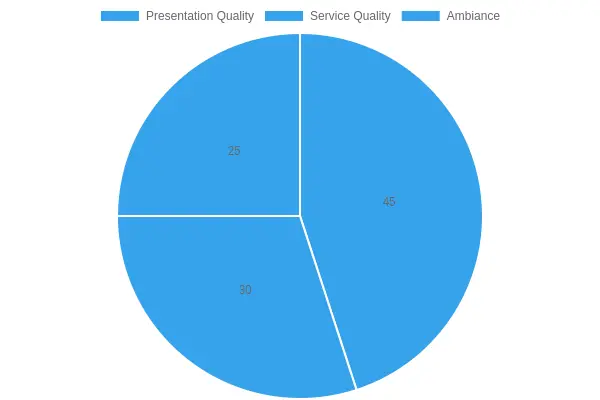
Research indicates that customers’ perceptions of service significantly sway their tipping decisions. For buffet restaurants, where diners often serve themselves, the perceived quality of food presentation, cleanliness, and staff attentiveness greatly impact how much diners choose to tip. According to a study published in the Journal of Korean Society for Quality Management, factors such as meal type and customer demographics play a crucial role in shaping tipping behavior. This means that if diners feel welcomed and the environment is well-maintained, they are more likely to tip generously.
Key Factors Influencing Tipping Behavior
- Service Quality: Good service, including how staff attends to the dining environment and helps with any customer needs, is essential. Even in a self-service setting, proactive staff that ensure cleanliness or assist customers can influence tipping positively.
- Atmosphere & Cleanliness: A tidy buffet with visually appealing food displays invites more positive customer interaction, enhancing the likelihood of a generous tip.
- First Impressions: The initial experience can significantly affect tipping behavior. Research shows that a customer’s first visit can set their tipping standards. Ensuring a great first impression is crucial for repeat business and better tips.
Strategies for Business Owners to Enhance Dining Experience
To encourage better tipping, buffet owners can adopt several strategies:
- Staff Training: Educate staff on the importance of guest interaction, ensuring they engage positively, assisting guests with their needs, and maintaining an inviting atmosphere.
- Quality Control: Regularly check food freshness and display cleanliness, ensuring the environment reflects a high standard of service and quality.
- Feedback Mechanisms: Implement systems for customers to provide feedback on their dining experience, using the insights to continuously improve service quality.
- Create Promotions: Offer incentives that encourage tipping, such as discounts for loyal customers or special deals on first visits, making customers feel valued.
By understanding and improving customer perception of service quality, buffet restaurants can foster an environment where better tips are encouraged, leading to overall enhanced customer satisfaction and increased revenue. For more on creating an inviting buffet experience, check out Royal Buffet and explore the menu options at Royal Buffet in Findlay, Ohio.
“Tipping is not just about the money; it’s a reflection of appreciation for the service. In the hospitality industry, it helps maintain the quality of service by rewarding those who excel in customer interaction.”
- Hospitality Expert
Conclusion: Cultivating a Thoughtful Tipping Culture in Buffet Restaurants
Tipping at buffet restaurants may seem ambiguous, but it’s a crucial element that can significantly impact both employee morale and customer satisfaction. As highlighted throughout the article, encouraging a culture of thoughtful tipping helps to acknowledge the hard work of staff who provide essential services. Even in a self-serve setting, your waitstaff are actively engaging with guests, ensuring tables are cleared, drinks are refilled, and the overall dining experience is pleasant. Business owners play a pivotal role in shaping this culture by educating their staff and patrons on appropriate tipping norms, typically around 10-15% of the total bill.
Additionally, creating an environment where tipping is appreciated can motivate employees to provide better service, which ultimately enhances customer experience and promotes repeat business. Happy employees are more likely to present a welcoming atmosphere that encourages positive reviews and customer loyalty. For specific strategies on enhancing your buffet experience, you can explore our services that align with social dining expectations.
Call to Action: As a business owner, your next step is crucial. Implementing a thoughtful tipping culture not only benefits your employees but also creates a better dining experience for your guests. Encourage your staff to embrace this culture and communicate its importance to your patrons. If you’re interested in learning more about how to establish these practices or enhance your buffet service, don’t hesitate to contact Zoomlion today. Together, we can cultivate an engaging and rewarding environment for everyone involved!