
Royal Buffet and Grill in Reisterstown, Maryland, stands out as a family-friendly restaurant that consistently captures the attention of local diners. Known for its rich variety of dishes in a vibrant atmosphere, the buffet-style restaurant contributes significantly to the local dining scene, making it a point of interest for potential business collaborations and partnerships. This article delves into the culinary offerings and the dining experience at Royal Buffet, providing insights pertinent to business owners considering ways to attract a wider customer base through diversified food and service options. In the first chapter, we will explore the unique culinary offerings that set Royal Buffet apart. In the second, we will examine customer feedback and the overall dining experience to understand better the restaurant’s appeal.
A Tapestry of Flavor: The All-You-Can-Eat Experience at Royal Buffet Reisterstown
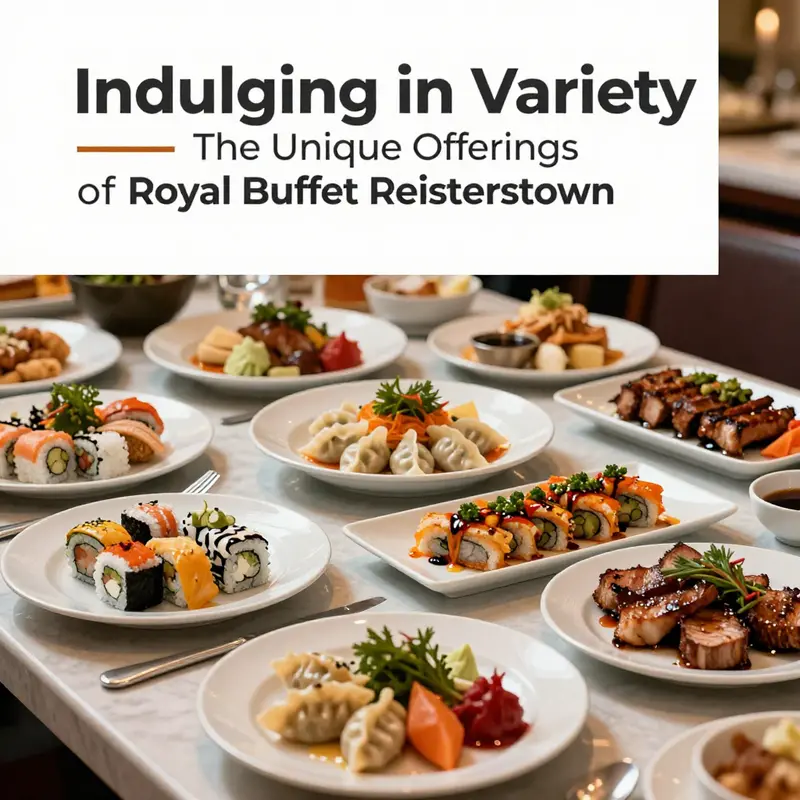
The all-you-can-eat buffet concept can be a plunge into a crowded room of choices, yet Royal Buffet and Grill in Reisterstown creates a sense of discovery that keeps diners returning. Located on a quiet stretch of Chartley Drive, the restaurant feels less like a single dining-out decision and more like a weekly ritual of sampling, comparing, and settling into familiar favorites that morph as the hours pass. The atmosphere is buoyant but never loud, a family-friendly cradle of conversation where the clatter of plates is part percussion and part compass, guiding conversations from small talk to plans for the next visit. What makes this space compelling is less the sheer volume of food than the thread that holds it together: an ongoing effort to present a broad, approachable table where every guest can find something that resonates with their current mood.
From the moment a guest steps inside, the buffet’s layout reveals a conscious design. Stations are arranged to guide a natural arc through taste and texture—crunchy starter salves near the front, warm comfort dishes in the center, and more daring flavors toward the back. The American staples share the foreground with robust Chinese plates, bright Mexican offerings, and aromatic Indian dishes, each presented in generous portions that promise value without inviting waste. The variety isn’t merely a catalog of genres; it’s a deliberate invitation to cross boundaries, to juxtapose a spoonful of fried rice with a spoonful of saffron-inflected curry, and to let curiosity steer the meal as much as hunger does.
The magic, as many patrons notice, lies not in a single standout dish but in the buffet’s ability to sustain a whole evening of tasting. The kitchen operates in rhythms rather than bursts, a choreography that ensures the spread remains generous and fresh over the hours. You can watch trays glide back and forth: steaming warmers reconstituting flavors, sauces coaxed to a simmer at a station, and trays swapped with practiced efficiency. The result is a dining experience that feels continuous rather than episodic, a sense that there is always something new just a few steps away. This is not a merely logistical achievement; it is the embodiment of a kitchen philosophy that values both abundance and consistency.
Guests often arrive with questions about the sheer scale of the operation, about how so much food can be prepared, held, and rotated without dulling the palate. The curiosity is not misplaced. A dining room rumor circulates in polite whispers and nods: the kitchen’s organization is the quiet backbone of the buffet’s appeal. Behind the scenes, cooks and attendants must monitor temperatures with vigilant care, rotate preserves and proteins to maintain freshness, and reassemble plates in a way that preserves warmth without overloading any single station. The result is subtle, becoming evident in the first bite of a dish that tastes neither reheated nor tired but balanced and bright. The coherence across the lineup—whether a familiar American comfort item or a comforting nod to a more global palate—speaks to a kitchen that respects the integrity of a large, diverse audience.
One guest’s observation, captured in a recent TripAdvisor note, crystallizes this dynamic: “All you can eat buffet with lots and lots of variety. How can they prepare so much food and how long do they reheat it?” The question hints at the very challenge the restaurant meets daily. The answer, whispered by seasonality and routine rather than by loud proclamation, is careful planning and steady discipline. The kitchen likely operates with a rotation system that ensures new batches arrive on schedule while older trays are retired at a pace that preserves texture and aroma. What diners experience—the steady tempo of flavor and the reliable presence of favorites—stems from this disciplined, almost quiet, operational tempo.
The effect on the dining table is immediate and practical. The buffet allows for a flexible dining rhythm, letting families pace themselves around napkins and conversation, rather than forcing a single, fixed course. Children wander between stations with the comfortable ease of a scavenger hunt, sampling bites that are approachable in size and flavor, while adults balance plates with more ambitious choices. The experience becomes less about the pressure to finish a single plate and more about the pleasure of a curated, evolving spread. And because the menu spans American standards alongside a spectrum of international options, entrances into new flavors feel like discoveries rather than obligations. This is the heart of the restaurant’s appeal: a culinary map that invites exploration and keeps pace with a group’s shifting desires over the course of a meal.
The warmth of the service complements the generosity of the food. Staff members move with a calm efficiency, guiding guests toward dishes that suit dietary needs or personal tastes without hovering. There is a sense that the team understands the rhythm of a family dinner and respects the comfort of a casual lunch, a balance that matters when a crowd of varying ages and appetites shares a single space. The dining experience is thus anchored not only in what is on the table but in how it is served: plates cleared with unhurried courtesy, refills offered with a smile, and a readiness to adapt to the pace of conversation rather than the speed of a clock. The human element helps transform a large buffet from a logistical feat into a familiar, welcoming scene.
The breadth of the menu supports a practical, family-oriented approach to dining. Parents can guide younger guests through a spectrum of textures and flavors, using the buffet as a gentle classroom that celebrates curiosity and appetite in equal measure. Conversations drift from what’s hot and crispy to what tastes comforting and familiar, and then to those dishes that surprise with a subtle peppery lift or a delicate bouquet of spices. In this way, the supper hour becomes less about narrowly defined tastes and more about a shared journey through a landscape of food. The experience is less about choosing a single favorite and more about returning to the table with new glimpses of flavor to discuss and compare.
What sustains such a breadth of offerings over time is a commitment to consistency that diners can trust. Even as guests drift from station to station and plate to plate, there remains a familiar baseline of quality: a balance of seasonality and preparation that keeps dishes approachable without dulling their character. The word “freshness” surfaces frequently in feedback, not as a marketing promise but as a lived reality visible in the zesty brightness of a citrus-based glaze, the comforting warmth of a soy-infused sauce, and the aromatic lift of a well-seasoned herb. The kitchen’s ability to maintain flavor across a broad spectrum of dishes, while ensuring that each bite remains satisfying, is a quiet but essential achievement. It signals a dining room that has learned to balance quantity with quality, generosity with restraint, and variety with a sense of place.
For locals and visitors alike, the Reisterstown location offers more than a meal; it offers a social milestone—a place where families mark birthdays, friends gather after a long day, and coworkers unwind with a shared plate or two between conversations. The restaurant’s setting—bright, welcoming, and easy to navigate—contributes to a sense of belonging that complements the food’s generosity. In a region where dining options proliferate, Royal Buffet and Grill stands out not only for its breadth but for the way it coalesces around the value that matter most to many diners: the assurance that a meal will be satisfying, friendly, and reasonably priced.
For readers who want to explore more about the restaurant’s approach and its presence in Reisterstown, a detailed profile exists at the restaurant’s own site. It offers a sense of how the location fits into the broader family of Royal Buffet outlets and how the local team embodies the brand’s philosophy in a way that resonates with this particular community. Royal Buffet and Grill Reisterstown MD provides a useful gateway to understand how a global concept adapts to a distinct neighborhood, turning a simple buffet into a textured experience shaped by hours, hospitality, and a tasting map that invites daily revisits.
In sum, the Royal Buffet Reisterstown experience captures something essential about modern family dining: abundance that respects appetite, cultural variety that invites curiosity, and service that makes a large, bustling space feel intimate enough to become a familiar haunt. It is a practical celebration of appetite and a thoughtful invitation to explore. The kitchen’s quiet discipline yields a chorus of flavors that remain accessible to the casual diner while offering enough nuance to satisfy the more adventurous palate. And within that balance lies the restaurant’s enduring appeal: a welcoming, dynamic space where the idea of a shared meal still holds a central, resonant place in everyday life.
External resource: For a firsthand perspective on the dining experience and to read a contemporary review, see the TripAdvisor entry referenced in related materials: https://www.tripadvisor.com/RestaurantReview-g307459-d2618336-Reviews-RoyalBuffetandGrill-Reisterstown_Maryland.html
Feasting in Reisterstown: A Candid, Immersive Look at the All-You-Can-Eat Experience at Royal Buffet
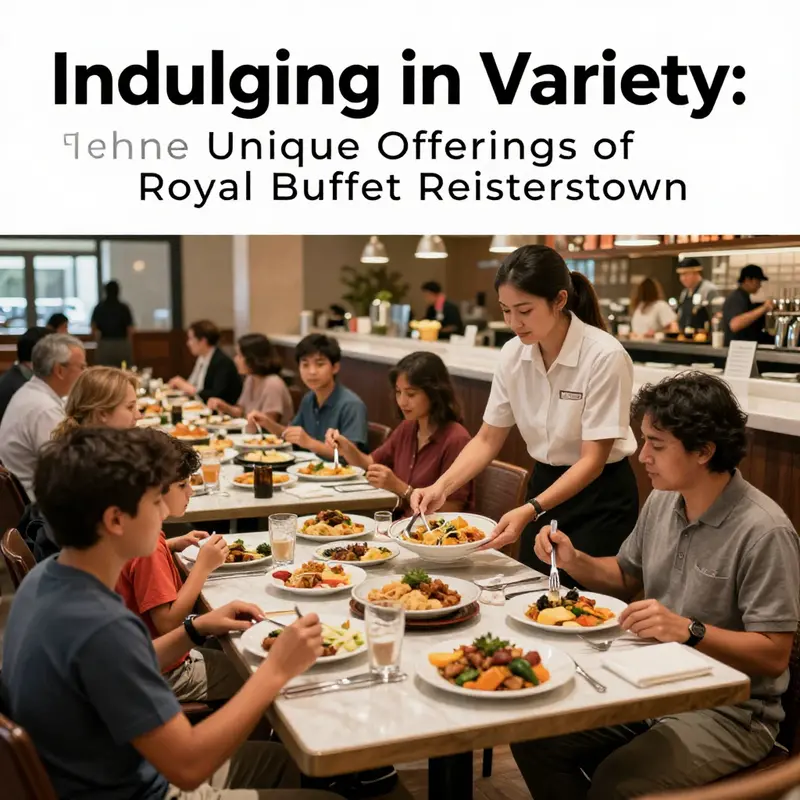
The moment you step onto Chartley Drive in Reisterstown, a wave of aroma and activity invites you into Royal Buffet and Grill, a place that treats dining as a lively, family-friendly event rather than a simple meal. The building emits a confident energy, and inside, the dining room resonates with the chatter of guests sampling a broad spectrum of cuisines, all pulled together under one expansive roof. This is not a quiet, orderly restaurant where every dish is plated with ceremonial care; it is a bustling, all-you-can-eat corridor of flavors where families, friends, and solo wanderers alike converge to trade bites for stories. The setting feels designed for those who want to do more than eat—they want to explore, compare, and linger as they move from station to station with a plate that grows heavier and a sense of satisfaction that grows lighter in equal measure. In this kind of place, the mood matters almost as much as the food, and Royal Buffet succeeds in creating an atmosphere that feels dynamic, welcoming, and occasionally frenetic in a way that mirrors the rhythm of a big family gathering on a weekend afternoon.
The layout speaks to abundance. A long parade of buffet stations runs along one side of the room, each station signaling a different locale in a global pantry: seafood glistens at one end, a row of well-seasoned chicken preparations glows in the middle, and a sushi counter with neatly arranged rolls punctuates the line. A hibachi station sits nearby, where skilled chefs flip meats and vegetables on a sizzling iron stage, turning raw ingredients into theater as much as nourishment. The sheer variety invites a kind of culinary scavenger hunt, and the social texture of the experience grows out of that curiosity. Parents steer baited bites toward their children, who lunge at crispy items and bright-colored treats with the enthusiasm only a kid can muster, while adults circle back to the more familiar favorites or boldly test something new they spotted on a neighboring plate. It is the kind of place where a group can settle into a sensory rhythm—sampling sushi and soups, then shifting to a savory hot dish, and finally returning to a comforting, familiar plate before thinking about dessert.
From a value standpoint, the buffet is positioned with clear pricing signals: lunch is priced at $17 per person and dinner at $26 per person. Those price points place Royal Buffet in a familiar mid-range tier for a family-friendly establishment, especially one that promises breadth alongside abundance. The invitation is to linger, to let the plate accumulate not merely meals but a mosaic of tastes and textures. In this sense, the restaurant offers more than sustenance; it provides a kind of culinary passport that travelers and locals alike can stamp with every return visit. It is easy to imagine this environment becoming a shared ritual for a neighborhood that values variety and the chance to sample multiple cuisines in one sitting. The family dynamics are palpable: grandparents nod approvingly at a plate of seasoned seafood, teens chase daring new bites, and younger children chase dessert domes with the same urgency they reserve for birthday candles elsewhere.
Yet the experience is not without its complexities. The very trait that makes Royal Buffet compelling—the sheer volume and speed of service—also creates a set of challenges that are common to high-traffic buffet operations. Observers note that the restaurant manages large quantities of dishes at once, a system that can strain the delicate balance between warmth, freshness, and reusability of food throughout the service period. Guests frequently wonder how long certain items sit on warmers, whether the fish stays crisp in the steam, and how the kitchen maintains a consistent level of texture and flavor when the line of guests keeps moving. These questions matter less when the plate is still alive with bright, fresh flavors and generous portions, but they emerge with greater clarity when diners reflect on the overall continuity of quality across dozens of trays and multiple rounds of service. It is a reminder that, in a design built for volume, attention to every dish matters as much as attention to the overall flow of the room.
The culinary mix at Royal Buffet is a study in contrasts. The seafood station offers glistening shrimp and a range of fish that seems to promise a light, delicate counterpoint to the robust, spiced flavors found in the fried chicken and stir-fry sections. Sushi provides a different kind of satisfaction—a precision in roll and balance that invites careful tasting and repetition, especially for guests who appreciate the subtleties of vinegared rice and fresh fillings. The hibachi experience, meanwhile, supplies the drama of live cooking, a moment of performance where a chef’s choreography becomes part of the meal’s theater. Watching the hibachi chef slice, sear, and toss ingredients adds a sense of occasion to the dining experience, transforming a quick lunch into a small, shared performance. The broad array is especially appealing for families and groups with varied tastes, offering an opportunity for collaboration—one person savors a seafood plate, another revisits the sushi, and someone else investigates the hibachi grill with a friend. In this sense, the restaurant functions as a social ecosystem as much as a culinary one, where the act of choosing flavors becomes a collective ritual rather than a solitary pursuit.
With respect to the social texture that accompanies the meal, diners frequently use the setting to anchor conversations about food, travel, and routine. The experience becomes a canvas for storytelling—the way a child negotiates a first bite of spicy chicken, the exchange between siblings over a sushi roll, the subtle nod of approval from a parent after a plate is cleared, and the shared glance that signals a second helping of a favorite dish. The room hums with these interactions, a soundtrack of chewing and chatter that reinforces the sense that this is a place built for togetherness. The staff plays a crucial supporting role in sustaining that mood. The servers move with a practiced pace, clearing plates efficiently while maintaining a friendly demeanor. Their presence helps emphasize that the buffet is not merely a pit stop for calories but a curated social event where hospitality is woven into the act of eating.
From a planning perspective, the operating hours have not been publicly disclosed, so prospective guests are wise to check maps or call ahead to confirm when the doors are open. This uncertainty adds a layer of practical intrigue to the experience, encouraging a sense of anticipation and a willingness to adapt plans around the restaurant’s schedule. It also underscores the importance of flexibility when visiting a high-volume, all-you-can-eat concept. Those who are prepared for a potentially brisk cadence between stations—where lines form, plates fill, and circles begin again—often leave with a more relaxed relationship to the meal, embracing the idea that a buffet is a dynamic performance rather than a single, static event.
For readers who want to gauge the experience through the lens of social media, Royal Buffet has become a topic of interest beyond the dining room. Platforms like TikTok and Trip.com feature candid reviews that highlight a spectrum of impressions—from service speed to cleanliness, taste, and presentation. A TikTok review in particular captures the lively essence of the venue, illustrating how the restaurant can perform differently across visits depending on crowd size, kitchen tempo, and the day’s particular lineup of dishes. The rapid, visually driven snippets provide a counterpoint to the more measured impressions that come from in-person visits, offering a snapshot of the buffet’s varying moods and moods. This social media openness is a reminder that dining in a high-volume buffet is not a fixed experience; it shifts with the crowd, the kitchen’s pacing, and even the passing of a single service cycle.
While the overall sentiment around Royal Buffet remains largely positive, the conversation around quality and preparation points to a nuanced reality. Guests acknowledge that keeping a large, rotating roster of dishes fresh and well-presented requires meticulous attention and ongoing adjustments. Questions about how long items stay warm, how often trays are rotated, and how the kitchen calibrates seasoning and texture across dozens of offerings are not criticisms so much as invitations for the restaurant to demonstrate transparency in its processes. Those who approach the experience with this awareness often find their expectations aligned with what the buffet can reliably deliver: a broad, affordable, family-friendly array of flavors that invites sampling without demanding careful, course-by-course dining discipline. In other words, the restaurant sets a practice of generosity—an invitation to try more than a single dish, with the understanding that the costs of scale may introduce variability in some meals while still delivering consistent warmth and breadth across the vast menu.
The broader significance of Royal Buffet Reisterstown, then, lies not only in the dishes on the trays but in the way the venue curates a sense of shared dining. It offers a model of hospitality where variety is the anchor and pace is the parameter. The dining room becomes a place where different culinary geographies meet, where the wagons of sushi and hibachi roll alongside fried favorites and comforting classics, and where the arrival of a crowd shapes the moment just as much as the arrival of a plate. For any reader who approaches Royal Buffet with curiosity rather than a fixed expectation, the experience can be a telling reflection of how a community negotiates appetite in a space designed to accommodate many voices at once.
For those who want a practical path to planning a visit, the chapter’s observations suggest embracing flexibility: plan for a longer visit if possible, prioritize the stations that promise the most personal favorites, and use the hibachi line as a centerpiece for a shared, interactive moment with companions. Since hours are not always clearly posted, a quick check before departure can spare disappointment and help align expectations with the restaurant’s current service window. The social and sensory cues—the warm steam, the clang of utensils, the sizzle from the hibachi—together create a vivid portrait of a dining experience that is less about flawless execution of a single dish and more about the communal joy of exploration and abundance. In that sense, Royal Buffet Reisterstown becomes less a restaurant and more of a social experiment in appetite—an invitation to taste widely, to observe how a kitchen marshals a city of cravings, and to measure personal satisfaction by the volume and variety of bites that accumulate over a single, lively meal.
Readers who want to learn more about the venue or explore related locations can visit the broader network of Royal Buffet properties, including the dedicated page for Royal Buffet and Grill Reisterstown MD, which echoes the sense of place and the brand’s overarching approach to family-friendly, all-you-can-eat dining. Royal Buffet and Grill Reisterstown MD.
External resource: a candid, firsthand impression of the experience is available in a TikTok review, which captures the energy and the interplay of variety and service at the venue. https://www.tiktok.com/@savorthefeast/video/7345678901234567890
Final thoughts
Royal Buffet and Grill has established itself not only as a go-to dining spot for families in Reisterstown but also as a potential partner for local business owners. By offering an array of culinary delights in a welcoming atmosphere, the restaurant invites patrons to enjoy a unique dining experience that keeps them coming back. For business owners, the insights into menu variety and customer experience at Royal Buffet provide valuable lessons in attracting and retaining customers in a competitive market. As diners continue to seek variety and quality in their meals, establishments like Royal Buffet can lead the way in meeting these demands effectively.