
Royal Buffet in Hoffman Estates, Illinois, not only offers a rich dining experience centered around Chinese cuisine, seafood, and sushi but also serves as a prime venue for business owners seeking a vibrant setting to impress partners, clients, and employees. This article delves into the multifaceted dining experience Royal Buffet provides, showcasing its unique ability to cater to various business dining needs. Subsequently, we will explore its convenient location and accessibility, key components that contribute to making Royal Buffet an appealing destination for business gatherings.
A Culturally Rich Spread: The Dining Experience at Royal Buffet in Hoffman Estates
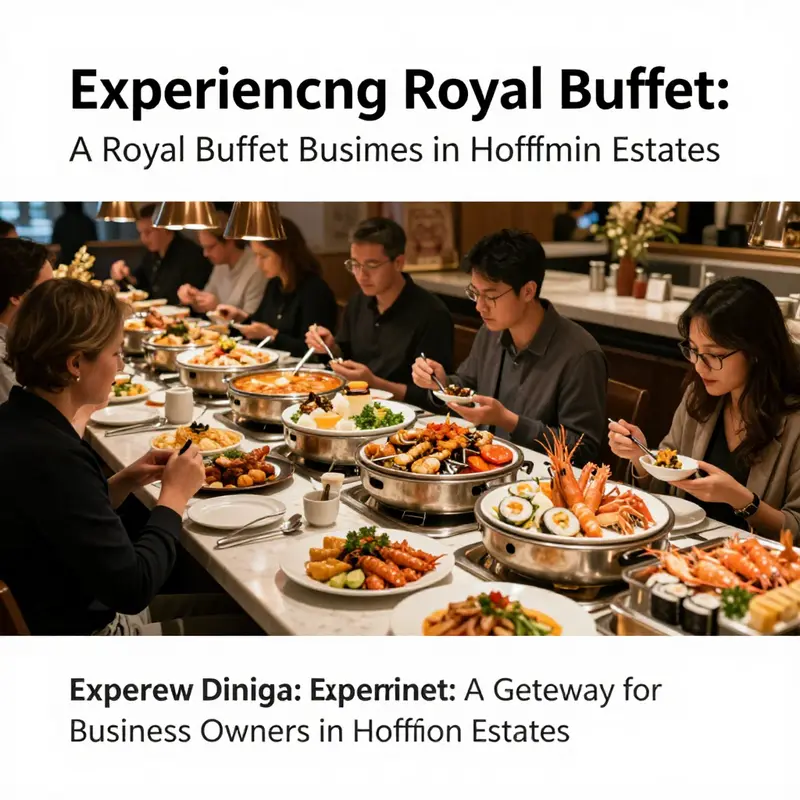
From the moment you step into Royal Buffet in Hoffman Estates, the space feels welcoming, blending comfort with anticipation. The restaurant sits near the heart of a busy suburb, a place where families, colleagues, and friends converge to share a meal that promises breadth as much as depth. The scent of garlic, sesame, and soy drifts through the air, mingling with the sizzle from the kitchen. The setting is bright and spacious, designed to accommodate a steady flow of guests while still feeling intimate enough for a quiet conversation across a table. It’s not just a place to eat; it’s a place to gather, to sample a little something from many places at once, and to do so without the pressure of a rigid timetable.
What makes the experience at Royal Buffet especially compelling is the breadth of its buffet without losing a sense of intentional curation. The lineup embraces sushi, Chinese classics, seafood, and grilled favorites, all arranged to invite exploration rather than adherence to a single culinary narrative. The sushi station sits as a tempting gateway, offering pieces that glisten with freshness and a careful balance of texture and flavor. It’s easy to begin with a few delicate rolls and then pivot to the heartier offerings that follow. The fish is chilled to the right temperature, the rice is prepared with a pliable firmness, and the fruit-forward accents—thin cucumber ribbons, subtle wasabi heat, a whisper of ginger—help each bite land with polish rather than excess.
Moving beyond the raw and cold, the hot stations present a broader tapestry. The Chinese selections speak to a familiar repertoire—fried dumplings with crisp exteriors, scallions and garlic that perfume the air without overpowering the palate, and favorite braised dishes that accent the umami of soy and slow-cooked meats. There is a rhythm to how these dishes cycle back to the steam table, a telltale sign that the kitchen is attentive to both freshness and variety. The Korean barbecue elements—whether a smoky, sesame-scented glaze or a lightly charred edge on a marinated slice—offer a different sensory experience, inviting diners to pair grilled notes with the cooler counterpoints of fresh vegetables and sesame-laced sauces.
The setting itself plays a quiet, supporting role to the food. Clean lines, well-spaced tables, and a steady turnover of guests contribute to a dining environment that feels inclusive rather than cramped. Servers are consistently present without hovering, which matters in a buffet where the pace of a meal can become as important as the dishes on offer. Plates are cleared with practiced ease, sometimes before you realize you’ve finished a course, and drinks are replenished with a reliability that keeps conversation flowing without interruption. There is a certain rhythm to this service that makes the meal feel less like a sprint and more like a stroll through a curated food market, where each station offers its own highlight but the overall journey remains cohesive.
Even at the heart of this abundance, the experience isn’t simply about quantity. The quality of the offerings—the balance of textures, the freshness of seafood, the warmth of a freshly fried item, the delicate brightness of a well-made noodle dish—gives the buffet a sense of thoughtfulness. While some guests weigh value against price, many arrive with a pragmatic appreciation for the breadth on display. The dinner experience, as noted by patrons and reflected in the restaurant’s own alignment with local dining expectations, sits at a higher price point than lunch, a distinction that rewards the diner with an expanded selection and a more generous sampling of premium items. In contrast, lunch presents a more accessible entry to the same broad concept, maintaining the same spirit while offering a friendlier price point and a tempo that suits midday plans. The practical reality of the menu—detailed price brackets and hours—helps families and workgroups synchronize their meals, whether they’re seeking a quick, budget-conscious bite or a longer, more leisurely feeding hour.
The narrative around Royal Buffet also carries the weight of modern guest reviews, a chorus of voices that reflect a spectrum of expectations. On review platforms, the restaurant holds a respectable rating based on a solid base of guest feedback, a figure that signals overall satisfaction with nuance. Patrons frequently praise the breadth of the menu and the dependable service that makes a big meal feel approachable. The sentiment is rarely about the absence of choice; rather, it centers on the perceived balance between cost, speed, and the opportunity to taste a wide range of dishes within a single, cohesive dining experience. In practice, many diners leave with a sense of having received both value and variety, a combination that aligns well with the restaurant’s aim to be a family-friendly, mid-range destination rather than a premium, date-night venue. When you weigh these perspectives together, the dining room’s energy—its bustling pace, the easy camaraderie that comes with shared plates, and the comforting familiarity of certain dishes—often wins out, especially for large groups and weekend gatherings.
Location plays its part as well. The Hoffman Estates setting places Royal Buffet within easy reach of nearby hotels, a practical detail for travelers who want a convenient, all-in-one dining option after long days of meetings, travel, or exploration. The proximity to accommodations with amenities like indoor pools and complimentary breakfasts makes the buffet feel like a natural extension of a comfortable stay rather than a detour from planned itineraries. This alignment with local lodging adds to the restaurant’s appeal for visitors who are navigating a mix of business and leisure with a desire for variety, value, and a dependable dining rhythm.
What to expect in terms of price and timing is another thread that helps shape the experience. Lunch hours are designed to be approachable for families and budget-minded guests, with a breadth of choices arranged to encourage sampling and casual dining. Dinner, on the other hand, carries a brighter energy but a price tag that reflects the premium of additional dishes and the refined pacing that comes with later dining hours. The menu’s evolution over the day—how certain favorites rotate back onto the steam table or are refreshed at the sushi bar—keeps the experience dynamic rather than predictable. A guest’s first impression often includes noticing the sheer scale of the buffet line, followed by a moment of delight as the eye moves from one tempting station to the next. Others arrive with a specific craving—perhaps the sushi or a beloved nimono—and find the environment supportive, allowing a quick, satisfying hit of familiar flavors alongside surprising discoveries.
The narrative of a meal here also carries a social dimension that’s easy to overlook in a buffet setting. A shared table becomes a micro-community: voices mingling over a plate of noodles, a couple navigating a small tasting journey, or a family introducing younger diners to a spectrum of tastes. It’s not merely about filling a plate; it’s about collecting a set of memories formed by the order in which dishes arrive, the way a sauce-enhances a bite, and the moment a child discovers that a particular crab rangoon is better when tasted with a pinch of chili oil. In this sense, the dining room operates as a democratic space where preference and pace shape the evening as much as the culinary lineup does. The staff’s attentiveness supports this social fabric by ensuring that thirsty guests aren’t left waiting, that bowls are kept topped, and that the overall tempo remains comfortable for conversation and discovery alike.
A practical traveler’s note helps frame the visit in a way that respects both planning and spontaneity. Given the sheer variety on offer, a good strategy is to start with a relaxed survey of the stations, then move through categories with a light touch rather than trying to conquer everything in one pass. The sushi counter invites careful sampling—precision in each cut and an eye for balance between freshness and seasoning—before transitioning to hot dishes that showcase the kitchen’s more robust capabilities. The seafood choices, often found near the live-factored sections of the buffet, reward a moment of patience as shells are cracked and the flavors of the sea are coaxed into the plate via sauces and roasting methods. If the crowd seems to be a deciding factor, consider timing that coincides with typical lull periods: late afternoon windows or early evening hours can yield a calmer dining room experience and steadier access to a broad range of dishes without long waits.
The cultural texture of the menu, while anchored in familiar Chinese, Japanese, and Korean influences, resonates with a broader sensibility about sharing and variety. The chef-driven impulse to rotate items—introducing new flavors while maintaining favored staples—speaks to a restaurant that understands both the comfort of the familiar and the thrill of discovery. Even within the same station, a simple shift in seasoning or a new glaze can alter a dish’s character enough to invite a fresh comparison to its earlier incarnation. This fluidity is part of what makes a visit feel substantial and worth repeating, especially for guests who approach the buffet as a culinary conversation rather than a straightforward meal. It’s a place where a family’s tradition of gathering for a feast can meet a traveler’s wish to taste a little of many places at once, all without leaving the same dining room.
Ultimately, the dining experience at Royal Buffet in Hoffman Estates is best understood as a balanced proposition. It offers breadth without sacrificing the care that makes a meal memorable: attentive service, a clean and inviting environment, and a menu that respects both the appetite and the budget of a diverse guest base. The venue’s strength lies in its ability to translate a dozen cuisines into a single, coherent experience—one that invites exploration, rewards repeat visits, and anchors a community in a place where the appetite for variety is as much a social habit as a culinary interest. For those who are curious about the restaurant’s broader footprint, a quick look at related profiles and local narratives can illuminate how Royal Buffet fits into Hoffman Estates’ evolving dining landscape and how it can serve as a reliable anchor on a night when options feel plentiful but time feels finite.
Finding Your Way to a Hoffman Estates Buffet: Location, Parking, and Seamless Access
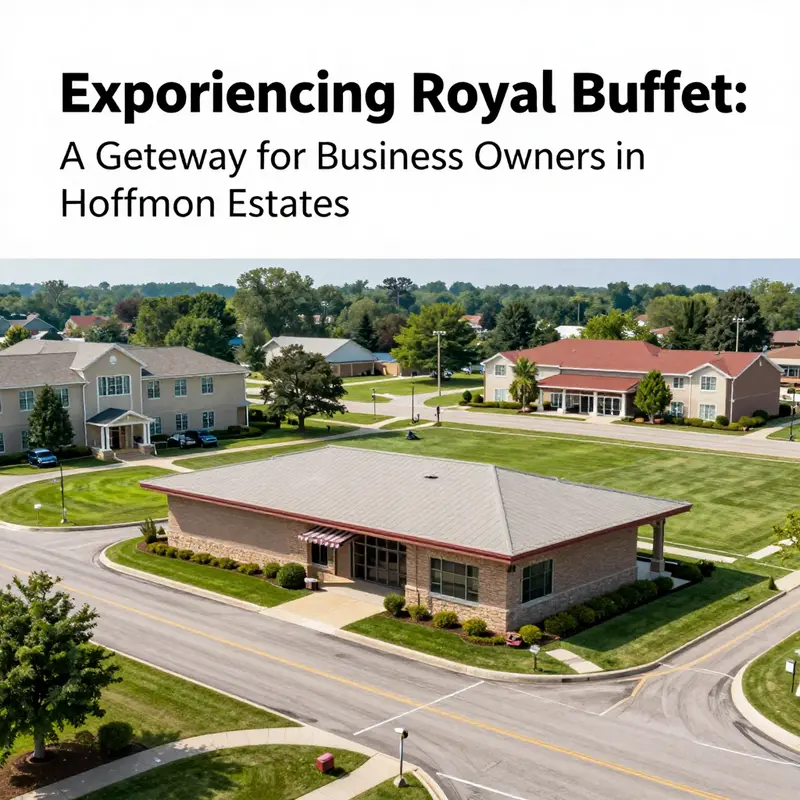
The quiet rhythm of a family-friendly suburban dining scene often begins with something as simple as a well-placed door and a moment of easy arrival. In Hoffman Estates, a mid-range dining option with broad appeal sits tucked into a retail cluster that blends convenience with a sense of everyday celebration. The restaurant, located at 31 Golf Center in the Hoffman Estates area, sits within a larger Golf Center shopping complex, a setting that deliberately prioritizes practicality for diners who come with cars, strollers, and a plan to savor a long, varied meal rather than a quick bite. Its position matters as much as its menu. Approach, park, and enter, and the experience begins with a straightforward, family-friendly logic: a glass-walled facade, a bright, welcoming interior, and a rhythm that accommodates both a weekday lunch crowd and weekend family dinners. The location choice here matters because it reduces friction for guests who juggle work schedules, activities, and travel itineraries. The address is easy to memorize, and the surrounding roads have been designed to move traffic smoothly in and out of the center, a small but meaningful detail when planning a trip that may include little ones pulling at sleeves or grandparents steering in from a nearby hotel corridor. The practical reality of this Hoffman Estates site is that it invites frequent visits, not just occasional stopovers, thanks to its accessible parking and level entrances that eliminate common barriers for strollers and mobility devices. The on-site parking area is ample, with clear signage guiding guests to spaces that minimize steps from car to door. The logic here is simple: guests arrive, find a spot with ease, walk a short distance, and step into a dining space that signals comfort from the first moment. There is something telling about a restaurant’s ease of access; it sets the tone for how people move through the restaurant’s dining arc—from greeting to table to the first bite and beyond. In a region where choices are plentiful, the ability to park near the entrance and to maneuver in and out of a lot without complex navigation becomes a quiet differentiator that families, travelers, and local residents notice and appreciate. The design of the space around this Hoffman Estates location is a reminder that accessibility is not merely a legal obligation but a practical strategy for delivering a reliable dining experience. Diners do not need to map out a maze of corridors or navigate a tangle of escalators; instead, they find a straightforward path, a steady rhythm of entry that invites them to slow down just enough to take in the aroma of sesame oil and garlic while the kitchen hums with activity behind a clean, unobtrusive service line. The surrounding area adds to this sense of ease. The Golf Center complex is well known to locals for its convenient footprint, and nearby landmarks help guests orient themselves even if they are visiting Hoffman Estates for the first time. The experience of finding the restaurant begins long before stepping through the door. It starts with the simple act of entering a familiar zone of commerce, where parking and access become a small map of possibilities that reassure visitors that a satisfying meal is within reach. This sense of straightforward access matters just as much as the menu itself, because it shapes expectations about timing, energy, and the overall rhythm of a family excursion or a spontaneous weekend meal. Hours of operation reinforce this logic. The venue follows a schedule designed to span lunch through dinner on weekends and to accommodate shorter lunch windows during the workweek. On weekdays, the venue opens at 11:00 AM and closes at 3:00 PM, offering a lunch service that fits neatly into a mid-day break or a casual weekday family outing. Saturdays extend to the evening, with service running from 11:00 AM to 9:30 PM, a generous window that invites late lunches, early dinners, and a leisurely pace after afternoon activities. Sundays mirror the Saturday hours, providing a steady opportunity for a relaxed weekend meal that can accommodate a late lunch followed by post-dining strolls or shopping. This schedule is not merely a timetable; it is a reflection of the community’s patterns and expectations. For many families, the availability of a reliable lunch option during the week is a practical boon, while the weekend hours create space for social meals that anchor a day around shared plates and conversation. Accessibility here extends beyond clock time and into the physical cues that help guests plan their visit. The parking lot’s layout, the proximity of entrances, and the absence of long stair climbs translate into a sense of hospitality that is immediate and inclusive. For travelers staying at nearby hotels, the journey from rest to table is often shorter than anticipated, with the hotels themselves offering amenities that complement a day of travel or a day of exploration around the city. A traveler might park the car, stroll into the air-conditioned comfort of the dining hall, and find a seating area that accommodates a family group or a quick, efficient table for two. The overall accessibility of the site is enhanced by the surrounding infrastructure, which supports dependable transit by car and by foot. For those who prefer to navigate by maps or mobile directions, the exact location sits within a net of local roads that are familiar to regular drivers in the Hoffman Estates area. A quick mapping check in real time can confirm a preferred route that avoids construction zones or heavy traffic during peak times. The practical takeaway for a visitor is simple: with on-site parking, a straightforward approach to the main entrance, and hours that align with both weekday commitments and weekend leisure, the location contributes a level of predictability that many diners value highly. It allows a family to coordinate a lunch break between extracurriculars, or a group of colleagues to plan a weekend gathering that transitions smoothly into the evening. While the menu and the culinary variety draw attention, the location quietly underpins the whole experience by removing friction and offering a dependable gateway to a broad array of flavors. Proximity to established hospitality options in the area adds another layer of convenience. In particular, the venue sits within a short drive of several hotels that cater to travelers seeking a comfortable base with easy access to meals without venturing far from their rooms. This proximity matters because it makes the experience accessible to out-of-town guests who may be in the area for business, a conference, or a short family trip. The ability to drive from a hotel, park once, and dine without complicated transfers speaks to a larger pattern of suburban dining that prioritizes convenience alongside variety. For locals, this location also serves as a reliable anchor for weekend family meals, school events, and spontaneous gatherings with friends who drive in from neighboring neighborhoods. The routine is predictable enough to build into a weekly cadence: a meal that offers a broad spectrum of dishes, a setting that can accommodate different ages and tastes, and a location that remains easy to reach during the busiest seasons. The accessibility of the site is complemented by practical information that helps guests plan with confidence. The restaurant can be reached directly at (847) 885-0688 for reservations or updates, a number that becomes a quick touchpoint when schedules shift or when a larger party needs to be accommodated. In the broader digital footprint, real-time directions and up-to-date location details are available via MapQuest, which provides a reliable way to verify route options and parking availability before departing. For readers seeking a direct path to further specifics about the location, a dedicated page exists that mirrors the address and the access features described here. This internal resource can be helpful for those who prefer a concise, location-focused overview, offering a bridge between planning and arrival. If you want to explore a concise, location-specific resource that consolidates the address and access details, you can follow this link: royal-buffet-hoffman-estates-illinois. The page provides a direct pointer to the Hoffman Estates site and supports readers who wish to confirm the address, parking options, and hours in one place before they set out. In addition to practical access, the surrounding neighborhood adds a layer of experiential context. The Golf Center complex is a gateway to a broader suburban shopping and dining ecosystem, where the act of arriving is part of a larger day. Affordability and value consistently emerge as themes in this part of the metropolitan area. The restaurant positions itself within a mid-range price tier, a factor that resonates with families and groups who value variety and quantity without sacrificing quality. The alignment of price, menu breadth, and location makes the dining experience accessible to a wide audience, from local residents who seek a dependable weekday lunch to visitors looking for a comfortable weekend outing after a round of golf or a nearby shopping excursion. The pairing of a straightforward arrival experience with a diverse culinary portfolio is, in many ways, what makes this Hoffman Estates site a practical anchor for an evening or a day’s plan. The ease of access—ample parking, direct entrances, and clear signage—ensures that time spent in transit never overshadows time spent around the table. The chapter’s core argument about location and accessibility is that the material conditions of arrival shape expectations for the entire dining journey. When guests feel welcomed to enter with minimal friction, they are more likely to linger, sample a broader range of dishes, and extend their time with companions. That is the subtle but meaningful value that a well-situated suburban venue offers within a crowded dining landscape. For readers who want to verify directions in a real-world context, MapQuest provides a practical, up-to-date reference point that can help avoid delays and ensure a smooth departure from any starting location. Directions are a click away, and the route options can adapt to traffic patterns and travel needs as they evolve. In the end, the location’s accessibility is less a single feature and more a composite of parking ease, straightforward entry, predictable hours, and neighborhood convenience. This combination helps explain why the Hoffman Estates site remains a reliable choice for families and groups seeking variety, value, and a meal that can be enjoyed without the friction that sometimes complicates suburban dining. The chapter closes not with a distant plan but with a practical invitation: when you are ready to turn a moment of hunger into a shared experience, the path to the door is laid out with clarity, and the rest follows with the natural flow of a well-timed lunch or dinner. For those who want to confirm the precise route before setting out, consult a live map, and if you need a reminder about the exact address or the hours of operation, the dedicated page linked above and the MapQuest directions are reliable companions on the journey. External directions resource: https://www.mapquest.com/map?address=31%20Golf%20Center%2C%20Hoffman%20Estates%2C%20IL%2060169
Final thoughts
Royal Buffet offers more than just a meal; it provides an experience tailored for business owners looking to foster relationships and create memorable moments. The restaurant excels in its diverse menu, catering to varied tastes and dietary preferences, making it an ideal choice for business lunches or casual meetings. Coupled with its strategic location, Royal Buffet stands out as a prime venue for professional dining. Embrace the opportunity to elevate your business interactions in a welcoming and engaging environment.