
Understanding the intricacies of tipping at buffet restaurants is essential for business owners in the hospitality sector. Many buffet formats exist, each with unique service levels, and awareness of these nuances can significantly impact customer satisfaction and employee morale. This article will delve into three key areas: the type of buffet and its influence on tipping etiquette, country-specific norms that dictate behavior, and how varying service levels affect the tipping landscape. Together, these insights provide a holistic view of whether you should tip at a buffet restaurant and how to navigate this practice effectively.
null
null
Tipping at the Buffet: When Service Calls for a Reward and How Cultures Shape It
The question of whether to tip at a buffet restaurant rarely has a single, simple answer. It sits at the intersection of how a buffet is run, the level of personal service you receive, and where you are in the world. The core idea that helps most diners is straightforward: if someone is providing service to you beyond the basic act of keeping the line moving, a tip is usually expected or, at the very least, appreciated. If you scan the scene and no one seems to be attending to you beyond refilling a glass when you ask, the etiquette shifts toward a no-tips-needed approach. This is more than a rule of thumb; it reflects how modern buffets balance self-service with hospitality.
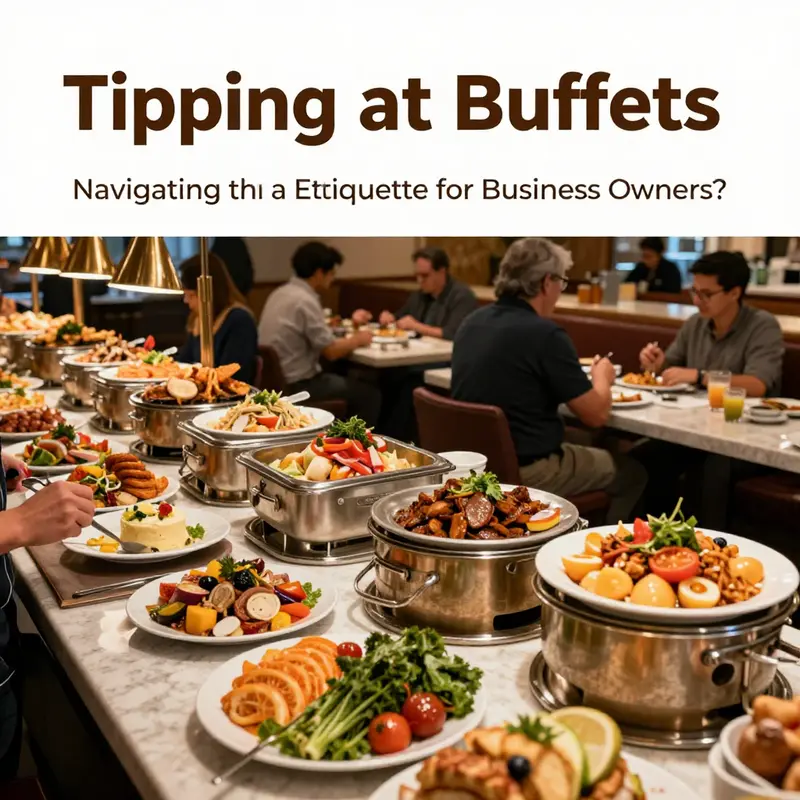
Buffets come in three broad flavors, and each carries its own tipping expectation. A self-service buffet, where guests grab plates, serve themselves, and only see staff in the background for table clearing, typically does not invite tipping at all. The staff’s primary role is upkeep: clearing trash, bussing tables, and perhaps cleaning a spill. In that setup, tipping would feel out of place to many guests, and it’s often unnecessary. A limited-service buffet, which blends self-service with light table service—think drink refills, occasional plate clearing, and a few staff-led touches—invites a small nod to appreciation. In this middle ground, a modest tip, such as a dollar or two per person, is commonly appreciated when the service is attentive. Then there is the full-service buffet, where waitstaff deliver drinks, take orders, and offer recommendations as if you were dining at a traditional restaurant. Here tipping is expected in many places, with percentages mirroring those you’d use at a sit-down meal.
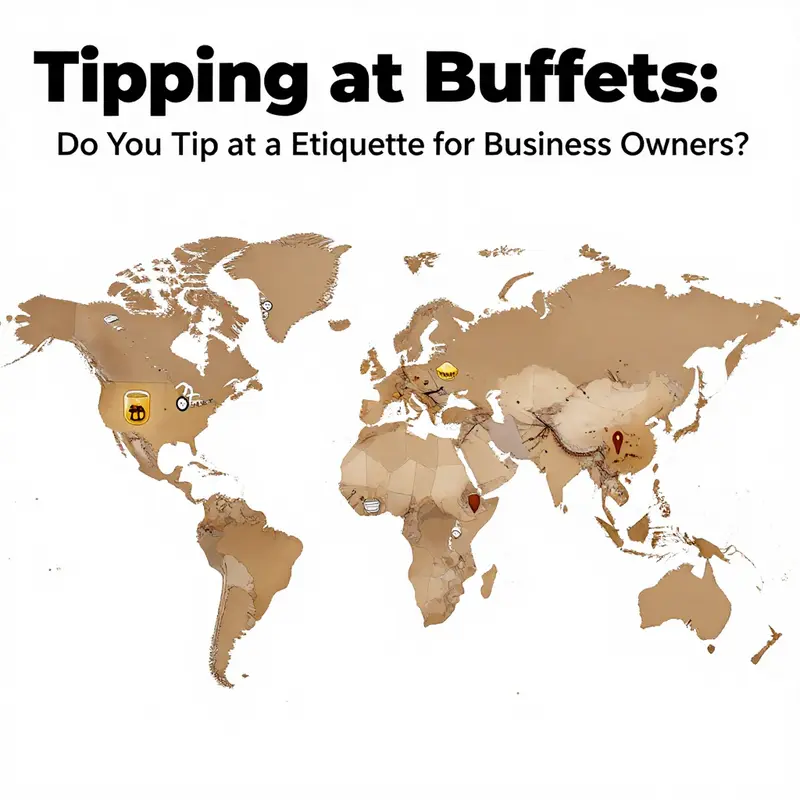
Across regions, the patterns vary, and travelers often find themselves negotiating a cultural landscape as dynamic as the buffet itself. In the United States and Canada, where service workers rely on tips to bridge wage gaps, the guidance is clear: for full-service buffets, aim for roughly 15–20% of the total bill, while limited service might call for about $1–$2 per person if the service is genuinely attentive. In many parts of Western Europe, tipping remains customary in practice, though service charges may be bundled into the bill. Guests often round up or leave a small amount to acknowledge good service. Asia presents a different picture: tipping is frequently minimal or discouraged, and in some places a service charge is already included. The goal is respect for local norms rather than applying a universal standard. Nordic countries tend to be more generous in expectation around tipping, but the practice remains modest because employers often pay higher base wages. In regions such as South America and the Middle East, the etiquette is more nuanced; staff may not prompt for tips, but a gesture of gratitude for extra help is typically welcomed.
The guiding principle remains practical and observable: if someone is serving you, not merely maintaining the buffet line, a tip is likely appropriate. Look for signs of personal attention—someone delivering drinks, clearing plates, offering a sauce, or providing thoughtful recommendations. If these acts are present, tipping follows suit. If the service is limited to keeping the buffet stocked and the environment clean, you can generally forgo tipping. In many ways, this framework makes buffet tipping less about a fixed percentage and more about a dialog with service quality and cultural expectation. It is easier to navigate when you assess the moment rather than fixate on a number.
For those who want to anchor their experience to a tangible reference, a practical cue can be found in specific dining moments. If you notice a staff member who guides your choices, refills your water without prompting, or clears dishes with a smile, that is the moment to consider a small tip, especially in the United States or Canada. Conversely, if you simply refill your own drink, clear your own plates, and the staff’s role ends at keeping the line organized, tipping is less likely to be expected. If you’re curious about the menu and setting at a notable buffet, you can explore more about Royal Buffet’s offerings here: Royal Buffet Menu.
In the broader context of global dining culture, resources such as BBC Travel offer detailed perspectives on tipping across regions, which can be a useful compass when you travel. For a broader view of tipping norms around the world, see BBC Travel’s overview: https://www.bbc.com/travel/article/20240528-the-truth-about-tipping-around-the-world.
Reading the Service Signals at Buffets: When to Tip and Why Service Levels Matter
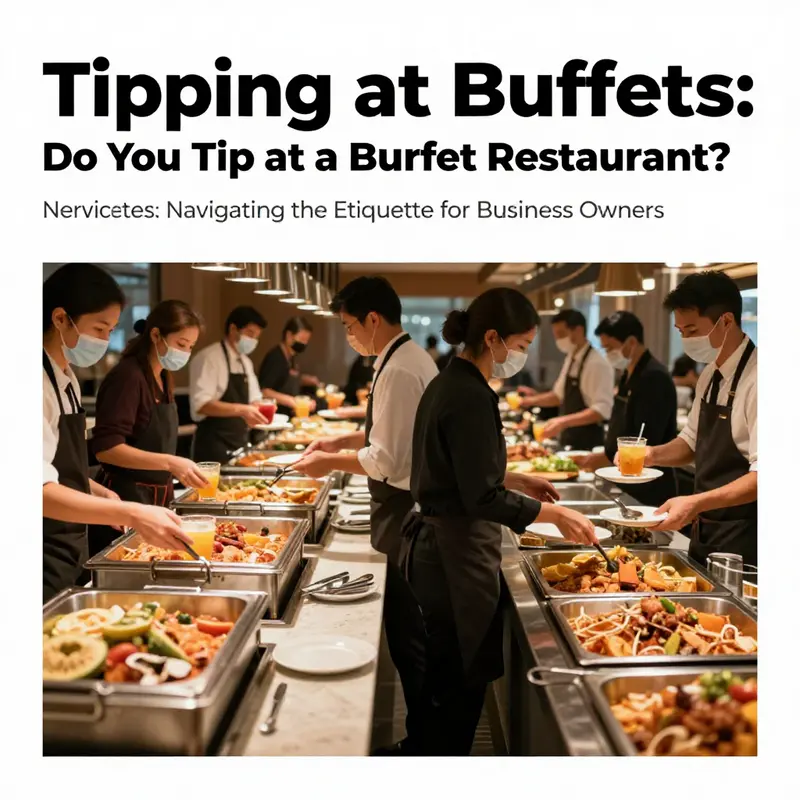
Tipping at a buffet isn’t a fixed rule, and that ambiguity can feel tricky in a dining landscape that blends self-serve practicality with moments of genuine hospitality. The simplest way to navigate it is to read the service level, not the sign at the entrance. The buffet world generally falls into three service models, each shaping expectations in distinct ways. At all-you-can-eat, fully self-serve establishments, guests move through stations with minimal staff interaction beyond seating, refills, and occasional cleanup. In this setup, tipping is typically not expected, since the staff’s role is to maintain the line and reset tables rather than to provide personal service during the meal. You can enjoy the array of dishes and move on without calculating a tip, which can be a relief for families and groups seeking speed and simplicity. Yet, as with many rules in etiquette, there are subtle exceptions. If the venue introduces even a small touch of personal service—someone delivering beverages to the table, or a server offering sauces or special accommodations—the tipping conversation begins to shift. The moment a staff member steps into your dining experience in a way that feels personal, a gratuity becomes a natural reflection of appreciation for that extra care.
Semi-assisted buffets blend self-serve with light table service. Think of hotel brunches where you refill a drink, someone clears plates, or staff can bring you sides or sauces upon request. In these environments, a modest tip is commonly appreciated, and for many guests it’s almost expected when service is attentive. The guidance here is practical: consider $1–$2 per person, especially if a server’s attention enhances the meal through timely refills, helpful recommendations, or a smoother overall dining flow. This level of service creates continuity with a sit-down restaurant experience, minus the formal dining setting, which makes tipping feel congruent with the value received. The math isn’t complicated, but the signal is clear: you’re not just self-serve; you’re in a hybrid space where staff contribute to the comfort and enjoyment of your table.
Full-service buffets, the higher tier of this spectrum, mirror a traditional restaurant experience. Waitstaff take drink orders, deliver plates, offer guidance on dishes, and maintain a steady presence throughout the meal. In many North American cities, tipping at this level follows the familiar restaurant standard: 15–20% of the total bill, recognizing the ongoing attention and skill required to coordinate beverages, plates, and service across a bustling setting. In this context, the tip isn’t an afterthought; it’s a direct acknowledgment of the service team’s commitment to making the meal seamless. For travelers, the nuance is important as well—some venues incorporate service charges into the bill, which can alter the tipping expectation. The key is to align your generosity with the visible effort: a prompt drink, a clean plate, thoughtful menu guidance, and a consistent, respectful presence all signal service above the bare minimum.
Across borders, the tipping landscape shifts with culture and policy. In the United States and Canada, the practical rule is straightforward: tip for attentive service, with the percentage adjusted to the level of service and the setting. In many European and Asian contexts, tipping is less customary or factored into service charges, and in places like Japan, tipping can be considered inappropriate. Even within a single country, the buffet segment can veer from casual to premium, so the room for judgment remains essential. The most reliable compass remains the same: observe who is serving you beyond basic line maintenance. If someone brings you drinks, clears plates, or offers tailored assistance, a gratuity is appropriate and appreciated. If not, the absence of personal service often suggests that no tip is expected. This approach respects both the staff’s labor and the guest’s experience, avoiding over-tipping in low-service contexts and under-tipping in high-service ones.
The practical rhythm of tipping at buffets becomes clearer when you listen to the service cues rather than the buffet format alone. In most semi-assisted environments, you’ll encounter a tipping sweet spot that acknowledges the value of consistent care without inflating the expectation. In full-service settings, the guideline mirrors standard dining etiquette, with attention to how well the staff execute the flow of beverages, timing, and table maintenance. For readers seeking a concise reference, a practical takeaway is simple: if someone serves you, not just maintains the buffet line, a tip is likely warranted. If you notice regular drink refills, timely plate clearing, and a willingness to accommodate special requests, generosity is justified. For those curious about concrete regional norms and evolving etiquette, deeper analyses are available in reputable etiquette discussions. In the meantime, the everyday practice can be distilled into a straightforward habit: when service adds value beyond self-service, reward it. And when the buffet remains purely self-serve, enjoy what you paid for and move on without a tip. For more context on global etiquette, see broader discussions at the referenced resource. Meanwhile, if you’d like to explore a typical buffet experience that blends service with variety, you can learn about related offerings at Royal Buffet. For international perspectives on tipping etiquette, broader guidance is provided by external etiquette analyses: https://www.thespruce.com/buffet-tipping-etiquette-around-the-world-4819736.
Final thoughts
In conclusion, whether to tip at a buffet restaurant is influenced by several factors including the type of buffet, service style, and local tipping customs. As a business owner, being knowledgeable about these aspects can enhance your service offerings and customer experience. By understanding when to expect a tip and how much, you can demystify the tipping process for your patrons, creating a more welcoming and informed dining atmosphere. Ultimately, encouraging fair tipping practices aligns with fostering a healthy relationship between staff and guests, enhancing the overall hospitality experience.