
Introducción: Cómo Abrir un Restaurante Buffet
Abrir un restaurante buffet puede ser la clave para transformar tu visión empresarial en una experiencia culinaria irresistible. Este modelo de negocio, popular entre los comensales, ofrece una variedad gastronómica que no solo satisface el apetito, sino que también atrae a un amplio espectro de clientes en busca de valor y diversidad. La naturaleza self-service de los buffets permite a los comensales elegir sus platos favoritos, lo que puede traducirse en una mayor satisfacción y lealtad del cliente.
Para los propietarios de negocios, el buffet representa una excelente oportunidad de maximizar el beneficio por cada cliente; al permitir que las personas se sirvan a sí mismas, puedes optimizar costos de personal y desperdicio de alimentos. Además, con estrategias adecuadas de marketing y una oferta variada de platos, tu restaurante puede convertirse rápidamente en un destino popular dentro de la comunidad. Desde la elección del menú adecuado hasta la decoración y el servicio, cada detalle juega un papel crucial en el éxito de tu buffet. Si deseas aventurarte en el mundo de la gastronomía, aprende más sobre cómo abrir tu restaurante buffet y conviértete en parte de este emocionante sector que sigue en auge.
En este artículo, exploraremos los pasos esenciales y las mejores prácticas para lanzar tu propio restaurante buffet, asegurando que tu inversión no solo sea exitosa, sino también gratificante. ¡Prepárate para descubrir el arte de crear una experiencia culinaria que tus clientes recordarán!
Cómo Abrir un Restaurante Buffet: Pasos Iniciales
Emprender en el sector de la restauración puede ser una experiencia emocionante y desafiante. Si estás pensando en cómo abrir un restaurante buffet, aquí te presentamos un listado ordenado de los pasos iniciales que debes seguir para llevar a cabo tu proyecto con éxito:
-
Realiza Investigación de Mercado
Investiga la demanda de buffets en tu área, analizando a tus competidores y entendiendo las preferencias de los consumidores. Puedes consultar estudios de mercado disponibles, como los de Forbes. -
Desarrolla un Plan de Negocios
Elabora un plan de negocios detallado que incluya tus objetivos, un análisis de la competencia, la estructura organizativa, las proyecciones financieras y tu propuesta de valor única. Este documento será clave para la obtención de financiamiento. -
Elige una Ubicación Estratégica
La elección del local es fundamental. Busca un lugar con alta visibilidad y accesibilidad, preferentemente en áreas con tráfico peatonal significativo. Considera factores como la demografía local y la competencia cercana. -
Cumple con las Regulaciones Locales
Asegúrate de entender y cumplir con todas las regulaciones y licencias necesarias para operar un restaurante en tu localidad, incluyendo la obtención de permisos de salud y de servicios alimentarios. -
Diseña el Menú y la Configuración del Buffet
Define los tipos de comida que ofrecerás y cómo estará dispuesta la comida en el buffet. Asegúrate de incluir opciones que atraigan a un amplio rango de clientes. También planifica el diseño del espacio para facilitar un flujo eficiente. -
Contrata Personal Calificado
Recluta chefs y personal de servicio con experiencia. Es crucial contar con un equipo que comprenda la importancia de la calidad en la presentación y el servicio al cliente en un buffet. -
Establece un Plan de Marketing
Desarrolla una estrategia de marketing efectivo para atraer a clientes, que puede incluir redes sociales, promociones locales y eventos de apertura. Recuerda que un buen marketing es esencial para darte a conocer. -
Apertura y Evaluación Continua
Una vez que todo esté preparado, es hora de abrir tus puertas. Monitorea constantemente el desempeño del restaurante y busca retroalimentación de los clientes para realizar mejoras continuas. Visita el sitio de Royal Buffet para obtener inspiración y consejos adicionales.
Cada uno de estos pasos te guiará en el proceso de abrir un restaurante buffet exitoso. Planifica cuidadosamente y prepárate para enfrentar los desafíos que surgirán en el camino.
Legal Requirements for Opening a Buffet Restaurant
Starting a buffet restaurant can be a rewarding venture, but it is essential to understand and comply with the legal requirements involved. From permits and licenses to health regulations, each step ensures that your business operates smoothly and legally. Here’s a comprehensive guide on the necessary legal requirements for opening a buffet restaurant.
Key Permits and Licenses
Opening a buffet restaurant involves navigating through various legal requirements. Here’s a look at the essential permits and licenses you need:
| 许可证/执照类型 | 目的 | 发证机构 | 具体要求 |
|---|---|---|---|
| 营业执照 (Business License) | 法律上允许企业合法开展经营活动。 | 市场监督管理局 (Market Supervision and Administration Bureau) | – 企业名称预先核准 – 经营范围明确(如餐饮服务) – 法定代表人身份证明 |
| 食品经营许可证 (Food Business License) | 允许从事食品生产、销售或餐饮服务。 | 市场监督管理局 | – 餐饮服务场所符合食品安全标准(如布局合理、有消毒设施) – 食品安全管理人员持证上岗(如健康证、食品安全管理员培训合格证) – 食材采购渠道合法,有索证索票记录 |
| 食品安全管理员培训合格证 (Food Safety Manager Certification) | 证明负责人具备食品安全管理知识。 | 地方市场监督管理局或指定培训机构 | – 参加官方组织的食品安全培训并考试合格 |
| 健康证 (Health Certificate) | 确保直接接触食品的员工无传染性疾病。 | 县级以上疾病预防控制中心 (CDC) | – 体检项目包括肝功能、胸透、粪便检查等 – 每年需复检 |
| 消防安全许可证 (Fire Safety Permit) | 保证餐厅在发生火灾时能有效疏散和扑救 | 应急管理局 (Emergency Management Bureau) | – 完成消防设计审核 – 通过消防验收(如安装烟感报警器、灭火器配置达标) – 消防演练记录 |
| 环境影响评价批复 (Environmental Impact Assessment Approval) | 评估餐厅运营对环境的影响,确保合规。 | 生态环境局 (Ecological Environment Bureau) | – 编制环评报告书或报告表(根据规模) – 通过专家评审并取得批复 |
| 排污许可证 (Pollution Discharge Permit) | 允许将废水排放至市政管网或指定区域。 | 生态环境局 (Ecological Environment Bureau) | – 安装油水分离器等预处理设施 – 排放水质符合《污水综合排放标准》 |
Health Regulations
Health regulations are vital for any restaurant, especially buffets where food safety is paramount. Here are the critical aspects you need to focus on:
- Food Safety Management: Implement a robust food safety management system to prevent foodborne illnesses. This includes proper food storage, preparation, and serving practices.
- Employee Training: Ensure that all staff handling food undergo proper training in hygiene and food safety regulations. They must possess valid health certificates.
- Regular Health Inspections: Be prepared for frequent inspections by health departments to ensure compliance with local health regulations.
Conclusion
Navigating the legal landscape of opening a buffet restaurant might seem daunting, but understanding and adhering to these requirements will set a solid foundation for your business. Ensuring compliance not only safeguards your restaurant’s reputation but also enhances customer trust.
By making sure that all legal requirements are met, you can focus on creating a wonderful dining experience for your customers. For more insights into buffet operations and locations, check out Royal Buffet locations to find examples of successful buffet dining choices.
| Buffet Style | Features | Cost Range (per person) | Operational Differences |
|---|---|---|---|
| Modern Industrial Buffet | Minimalist, metal/wood finishes, layered lighting | $35 – $65 | Premium materials, energy-efficient lighting, higher operating costs |
| Family-Friendly Theme | Colorful, playful, kids’ zones (candy stations, cartoon-themed) | $15 – $30 | Lower overheads, focused on family experience, self-service |
| Sustainable Green Loft | Natural wood, indoor greenery, local sourcing | Slightly higher pricing | Eco-friendly packaging, composting, local ingredients, wellness focus |
| Affordable Fusion Buffet | Mix of Sichuan, Cantonese, Japanese, Korean dishes | $15 – $30 | Efficient kitchen workflows, standardized prep, bulk purchasing |
| Breakfast Buffet | Focus on breakfast items, varied menu | Approximately $10 – $20 | Short hours, streamlined inventory, self-service |
| Dinner Buffet | Wide variety, including hot and cold dishes | $20 – $40 | Longer hours, varied menu, higher staffing needs |
This comparison table provides key insights into different buffet restaurant styles for business owners considering opening a buffet. For more detailed operational and menu planning, visit Royal Buffet.
Success Case Study: Dragon’s Bite – A Buffet Phenomenon
“In a bustling Singapore, Dragon’s Bite by Our Dining Place implemented a striking strategy: an unlimited lunch buffet priced at just S$7. This amazing value combined with a diverse selection of dishes, such as sambal squid and seafood tofu, quickly captivated diners, driven largely by social media buzz. However, as demand surpassed expectations, the restaurant faced significant operational challenges including limited seating capacity and ingredient supply stress. To manage the overwhelming responses, they adapted their strategy by limiting the number of shrimp per table and shifting from reservations to walk-in only. This case illustrates the immense potential of low-cost buffets in attracting customers while highlighting the critical challenges in maintaining service quality and sustainable operations during high demand.
Source: Taste Atlas
What can be learned?
- Value Pricing: Offering a compelling price point can attract large crowds.
- Flexibility: Being able to adapt to customer demand is crucial for success.
- Operational Efficiency: Implementing effective management practices helps maintain quality even during peak times.**
- Leverage Social Media: Utilizing platforms for promotion can significantly boost visibility and engagement.

For more insights, learn more about buffet strategies that capitalize on customer trends.
Buffet Dining Trends: Key Statistics
In recent years, the buffet dining industry has witnessed significant changes driven by consumer preferences and market dynamics. Here are some important statistics to consider:
- Average consumer spending: In 2023, the average consumer spent approximately 105 yuan per visit to buffet establishments.
- Revenue growth: The total restaurant revenue reached 52,890 billion yuan, marking a 20.4% increase compared to previous years.
- Consumer preferences: A recent survey indicated that the freshness of ingredients is the primary factor influencing consumer choice, accounting for 78% of preferences, followed closely by cleanliness and variety.
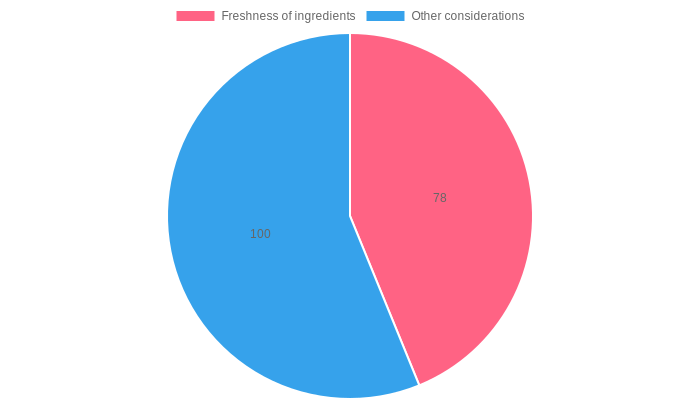
This chart illustrates the distribution of factors influencing buffet dining preferences, showcasing the importance of ingredient freshness in decision-making.
Why These Trends Matter
Understanding these statistics can help restaurant owners tailor their offerings to meet consumer expectations and capitalize on the growing market.
Planificación de Menú para Buffet Efectivo
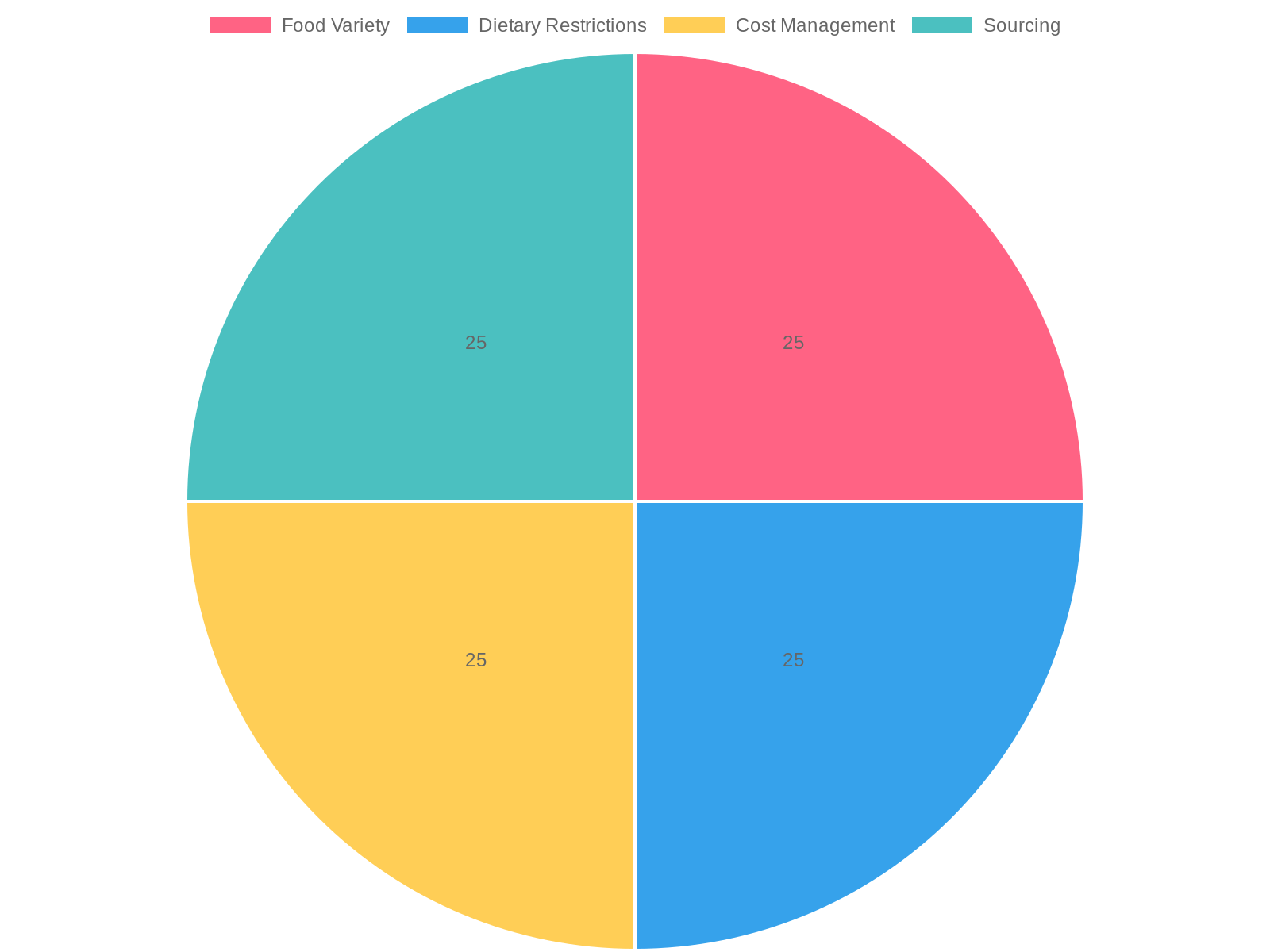
La planificación del menú de un buffet es una parte crucial en la apertura de un restaurante buffet. Un menú bien diseñado no solo atrae a los clientes, sino que también asegura la rentabilidad del negocio. A continuación, exploramos cómo planificar un menú de buffet eficaz, teniendo en cuenta la variedad de alimentos, las restricciones dietéticas, la gestión de costes y la obtención de ingredientes.
1. Variedad de Alimentos
La variedad en el menú es esencial para satisfacer los distintos gustos y preferencias de los clientes. Un menú equilibrado debería ofrecer:
- Diferentes tipos de platos: Incluyendo aperitivos, platos principales, postres y bebidas. Es aconsejable incluir al menos 5-10 opciones en cada categoría para mantener el interés de los clientes.
- Cocinas variadas: Combinar elementos de distintas culturas culinarias, como platos asiáticos, mediterráneos y americanos.
- Opciones de proteínas: Proveer una mezcla de carnes, pescados, aves y alternativas vegetarianas y veganas para abarcar todas las preferencias de estilo de vida.
Consejo: Presenta la alimentación de manera atractiva, utilizando colores de diferentes ingredientes para hacer que el buffet sea visualmente atractivo.
2. Restricciones Dietéticas
Hoy en día, la atención a las restricciones dietéticas es fundamental para evitar problemas de salud y mejorar la satisfacción del cliente. Considera lo siguiente:
- Etiquetado claro: Asegúrate de que cada platillo esté claramente etiquetado con posibles alérgenos (ej., gluten, frutos secos) y categorías dietéticas (ej., vegano, sin gluten).
- Opciones especiales: Dedica un área del buffet a platos específicamente sin gluten o veganos para asegurar que estas opciones sean claramente visibles y en diferentes recipientes para evitar la contaminación cruzada.
Consejo: Consigue un asesor de nutrición para revisar el menú y ayudar a identificar opciones saludables y adecuadas para los clientes con restricciones alimentarias.
3. Gestión de Costes
Controlar los costos es esencial para mantener la rentabilidad. Aquí hay algunas estrategias:
- Usar ingredientes de temporada: Optar por productos de temporada, que son generalmente más frescos y económicos.
- Empleo eficiente de ingredientes: Aprovechar las sobras, utilizando partes de ingredientes en múltiples platillos para reducir desperdicios.
- Previsión precisa de clientela: Utilizar datos históricos para anticipar el número de clientes y así ajustar las cantidades de comida a preparar.
Consejo: Establece un presupuesto de menú que contemple todos los costos, desde los ingredientes hasta el servicio, y ajústalo según las ventas estimadas.
4. Obtención de Ingredientes
La calidad de los ingredientes impacta directamente en la experiencia del cliente. Para un suministro efectivo:
- Sourcing local: Buscar proveedores locales que puedan ofrecer productos frescos y de temporada, lo que también contribuye a la sostenibilidad.
- Relaciones comerciales sólidas: Establecer relaciones con los proveedores puede resultar en mejores precios y la posibilidad de obtener productos exclusivos.
- Transparencia: Privilegiar proveedores que practiquen métodos de producción sostenibles y cuenten con certificaciones que garanticen la calidad y la seguridad alimentaria.
Consejo: Visita a los proveedores y participa en el proceso de selección para asegurarte de que sus prácticas alineen con tus valores y estándares de calidad.
Conclusión
La planificación de un menú de buffet eficaz involucra un enfoque cuidadoso hacia cada uno de estos aspectos. Al considerar la variedad, las restricciones dietéticas, la gestión de costes, y la obtención adecuada de ingredientes, puedes establecer un buffet que no solo era atractivo y delicioso, sino también exitoso económicamente. Para más información sobre cómo manejar un buffet exitosamente, visita Royal Buffet y explora sus diferentes ofertas.
Staffing and Training for a Buffet Restaurant
Hiring and training staff in a buffet restaurant is crucial for ensuring operational success and providing an exceptional dining experience. With a variety of roles to fill and specific training needs, it’s essential to establish clear processes and best practices.
Key Roles in Buffet Restaurants
A buffet restaurant typically requires a diverse team to manage both front-of-house and back-of-house operations. Here are some essential roles:
- Food & Beverage Supervisor: Oversees the daily operations, ensuring food safety standards, supervising staff, and managing dining experiences. They play a vital role in maintaining high service levels and customer satisfaction. Learn more about this role.
- Buffet Server: Responsible for providing excellent service to guests. This includes replenishing food stations, maintaining cleanliness, and ensuring guests’ needs are met. Each server needs to understand menu items and maintain food safety standards. Read about their responsibilities here.
- Kitchen Staff: This includes roles such as chefs, line cooks, and kitchen assistants who prepare and maintain food quality. Efficient food preparation and organization are key to a successful buffet service. Find out about these roles.
- Front-of-House Staff: Includes hosts, cashiers, and other customer-facing roles that manage the guest experience from the moment they enter. They must be friendly and efficient in handling customer flow and inquiries. Learn about the front-of-house structure.
Effective Hiring Practices
When hiring staff, consider the following best practices:
- Clearly Defined Job Descriptions: Develop clear and detailed job descriptions for each role. This will attract candidates who have the necessary skills and experience.
- Diverse Recruitment Channels: Utilize job boards, social media, and local community networks to reach a wider audience.
- Culture Fit: Look for candidates who align with your restaurant’s values and culture, as this promotes a harmonious workplace.
Comprehensive Training Programs
Training is essential for maintaining service quality and operational efficiency. Implement the following strategies:
- Hands-On Training Modules: Utilize practical training sessions where new hires shadow experienced staff. This approach allows them to learn in real-time. Explore key training topics.
- Microlearning Techniques: Break training into short, digestible segments focusing on different aspects of the role. This improves retention and reduces the overwhelm often felt by new employees. Incorporate quizzes and role-playing to reinforce learning.
- Continuous Development Opportunities: Encourage ongoing training through workshops and seminars to help staff advance their skills. More knowledgeable employees can better serve customers, improving the overall dining experience.
Best Practices for Staff Management
- Regular Feedback: Conduct regular performance reviews and provide constructive feedback. This fosters a culture of growth and accountability.
- Motivation and Incentives: Recognize and reward hard work through incentives such as bonuses or employee of the month programs. Motivated employees tend to perform better and provide superior service.
- Team Building Activities: Create a positive work environment through team-building exercises that enhance communication and camaraderie among staff.
By implementing these staffing and training strategies, buffet restaurant owners can create a well-functioning team dedicated to delivering outstanding service and delicious food. Proper training and hiring processes not only improve employee retention but also enhance customer satisfaction, leading to a thriving restaurant business.
Conclusion and Call to Action
Opening a buffet restaurant can be a rewarding venture, blending culinary creativity with a unique dining experience that appeals to a wide array of customers. The key points to consider include:
- Understanding Your Audience: Identifying your target market is crucial. Buffets attract diverse groups-families, business meetings, and large gatherings-due to their variety and self-service format.
- Cost-Effectiveness: Buffet dining often provides a more economical choice for both the restaurant and patrons, with fixed pricing allowing diners to enjoy a range of dishes according to their preferences and dietary needs, making it a popular choice among diners
- Efficient Operations: Operating a buffet may require different staffing models compared to traditional dining styles, often resulting in reduced labor costs while still delivering a satisfying dining experience.
- Quality and Variety: Maintaining high-quality food options and diverse selections is essential for customer satisfaction. Regular menu updates and emphasizing fresh ingredients can attract repeat customers.
- Location and Setup: Choosing the right location and designing the layout efficiently can greatly impact your restaurant’s success. Warm and welcoming environments encourage diners to linger longer and enjoy their meals.
As the buffet restaurant industry continues to evolve, successful operators are those who embrace innovation, such as implementing technology for better service efficiency and incorporating new dining trends.
If you’re considering opening a buffet restaurant or want to elevate your current establishment, our Royal Buffet team is here to help you navigate every aspect of starting your business. We offer expert guidance and can assist you in designing a standout buffet that meets your vision and customer expectations.
Don’t wait to bring your dining dreams to life! Contact us today for personalized assistance and to request a quote for our services. Together, we can create an unforgettable buffet experience that keeps customers coming back for more!