
Tipping at buffet restaurants can often be a source of confusion for patrons and restaurant owners alike. While there are general guidelines regarding how much to tip, the specifics can vary greatly depending on the type of service received and the local culture. This guide aims to equip business owners with the essential knowledge to navigate tipping policies effectively. We will explore the distinctions in tipping based on service type, the implications of automatic gratuity, and how tipping customs differ across countries to empower owners in fostering a positive dining experience.
Read the Service, Not the Buffet: Tipping Etiquette at Buffet Restaurants
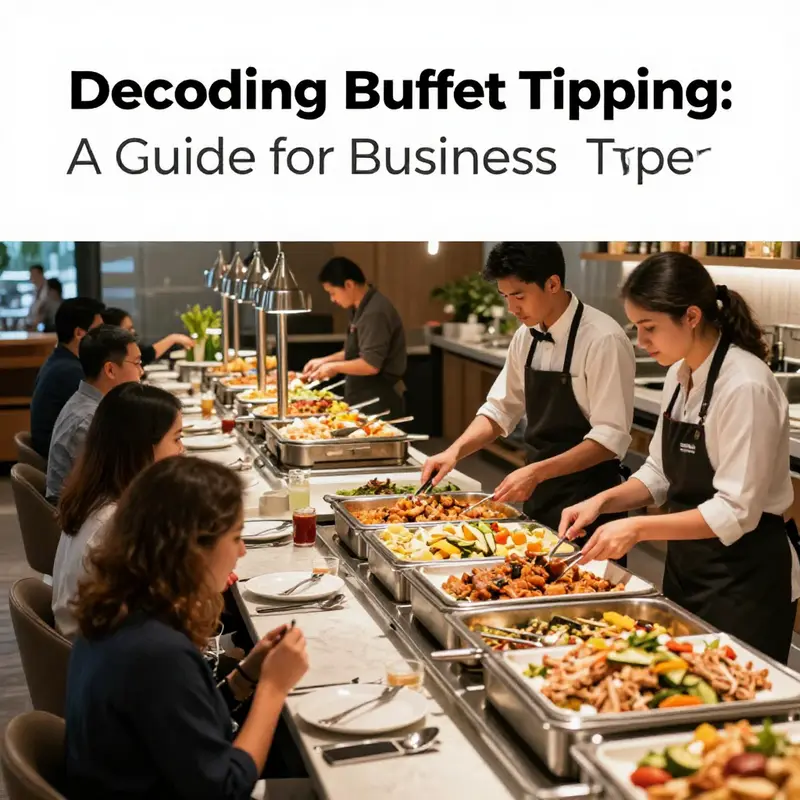
Tip decisions at a buffet hinge more on the human touch than on the food layout itself. The buffet format is a backdrop, while service is the act that commands whether a tip is earned. When you enter a venue, you encounter a spectrum of staffing roles: stations staffed by attendants who stock and refresh, waitstaff who clear, refill, and take orders, and sometimes attendants who carry meals from the line to your table. The right tip grows from the level of service you actually experience. In practice, reframe the question from how much for a buffet to how much did the staff enhance the meal through attentive care. A well-run buffet can be welcoming, but a truly attentive one leaves guests feeling seen and well cared for, and that is where tipping should reflect value received rather than the format you chose.
Service tier one is the standard self-service model. Here, guests serve themselves, clear their own plates, and mostly interact with staff around the stations in a limited way. In this setup, tipping is generally not expected. The labor costs for keeping the lines flowing and the stations tidy are already built into the price of admission for many venues. That said, if a staff member goes beyond the ordinary, perhaps they notice you need a refill without asking, or they provide extra utensils or special sauces with a smile, it is perfectly appropriate to show appreciation with a small gesture. The emphasis remains on whether there was direct, personal service that supported your dining experience beyond the basics of self-service.
The second tier, a semi-assisted buffet, introduces more opportunities for recognition. In these settings, staff may refill drinks, clear plates from the table, deliver items you order from the line to your table, or offer specialized assistance like sides or condiments. The tipping default in these cases typically lands in a modest range: about $1 to $2 per person per meal, reflecting the added personal contact without assuming the level of service found in a full-service restaurant. Some guests and etiquette guides encourage considering a larger tip if the service feels consistently attentive or if staff members anticipate needs before you voice them. The important distinction is consistency and visibility of care: the staff should be delivering noticeable service, not merely performing routine tasks.
A full-service buffet, while rarer, mirrors the expectations you would hold at a traditional sit-down meal. In luxury hotels, resort dining rooms, or premium cruise setups, servers may take drink orders, deliver dishes to your table, and provide sustained attention throughout the meal. In these environments, tipping aligns with standard full-service etiquette: 15 to 20 percent of the meal’s total cost or a similar proportion of the individual check if you are dining by the course. The line between buffet and restaurant blurs in these moments, and guests should tip proportionally to the breadth and quality of service. It should be clear these are not moments of minimal interaction but of ongoing, personalized assistance.
Beyond the service type, it is essential to recognize that automatic gratuities can complicate tipping norms. In many venues, especially for larger parties, an automatic gratuity around 18-20 percent may be added to the bill. Receipts should be checked to confirm whether a gratuity is included. If it is, consider whether the service warranted an extra tip. Exceptional, memorable service can justify an additional amount beyond the automatic line, but when a gratuity is already included, a second tip is generally not expected unless service exceeded the standard.
Cultural differences also color tipping expectations. In the United States, semi-assisted or full-service buffets typically invite tipping, while self-serve formats expect less. Across Europe, tipping at buffets is often not required, with small gestures deemed polite but optional. In some Asian countries, tipping is not customary and can even be frowned upon, as service wages are structured differently. In parts of the Middle East and North Africa, tipping may be customary, particularly in higher-end hotels where a modest tip for good service is common. When traveling or dining in unfamiliar regions, observe local norms and err on the side of respectful restraint if you are unsure.
A practical approach to tipping at buffets blends observation with proportion. If staff are actively clearing, refilling drinks, or delivering items to your table, a modest tip is appropriate. If staff remain at the stations and interact only as needed to maintain the buffet line, tipping is not required. The guiding principle is simple: tip for the service you receive, not for the format you choose. For many diners, the most reliable rule is to err on the side of generosity when the service extends beyond basic expectations and to refrain when there is little direct service involved.
For readers seeking a real-world frame of reference, consider a local example that illustrates the range of service models in practice: Royal Buffet Findlay Menu (https://royalbuffet.shop/royal-buffet-findlay-menu/). It provides a tangible sense of how different service interactions can shape tipping expectations in a casual to semi-formal buffet environment. In any case, the final guidance remains consistent: if staff interact with you beyond seating, a tip of $1-$2 per person is reasonable; if they actively serve your food at the table, tip as you would for a regular meal—15-20 percent of the total bill. The subtlety lies in recognizing service that adds value to your dining journey rather than adhering to a universal percentage that may not reflect the moment’s realities.
For broader etiquette on buffet tipping across contexts, see additional guidance at external resources that synthesize regional practices and evolving norms: https://www.thespruce.com/tipping-at-buffets-etiquette-rules-4789695
Buffet Gratuities Demystified: How Much to Tip When Automatic Gratuity Applies

Tipping at a buffet restaurant often feels like navigating a gray area between self-serve practicality and service that rises above the line. The question of how much to tip at a buffet is not fixed; it depends on the level of staff involvement, the restaurant’s location, and whether an automatic gratuity is already built into the bill. A thoughtful approach starts with reading the room and the receipt alike, because practice varies as much as plates and steam.
At the core, the service model you encounter should guide your generosity. Self-serve buffets, where you grab your own food, clear your own plates, and only occasionally request a drink refill, tend to be lean on staff interaction. In that setup, tipping is not expected in many casual venues. Wages typically cover labor costs, and the cost of service is absorbed into the experience. When you notice staff stepping beyond the basics—refilling beverages, clearing tables promptly, offering sauces and sides, or assisting with special requests—the equilibrium shifts. A modest tip acknowledges that extra attention. In practice, many guests consider a range of about $1 to $2 per person fitting for semi-assisted service, especially when a server’s attentiveness makes the difference between a routine meal and a smooth, comfortable dining experience.
The tier above, the full-service buffet, resembles a traditional sit-down restaurant more than a self-serve station. Servers may take drink orders, deliver drinks and courses, refresh stations, and manage the flow of guests in a crowded dining room. In this scenario, the expectation aligns with standard restaurant tipping: a tip in the neighborhood of 15% to 20% of the meal cost is common, reflective of the high level of personal service and the additional labor involved in coordinating a multi-course experience centered at the table. The operative idea is simple: when staff are actively doing work that improves the dining experience—whether it’s bringing a plate you didn’t request, bussing tables during peak hours, or guiding you through a hot-and-cold dish selection—tip beyond the bare coverage of a self-serve model.
A crucial wrinkle in modern buffet etiquette is automatic gratuity. In many U.S. buffets, particularly for larger groups or special events, an automatic gratuity of 18% to 20% may be added to the bill. This fee can appear without explicit notice at the bottom of the receipt, and it is essential to verify whether it has been included before deciding how much to tip in cash or at the table. If the automatic gratuity is already in place, tipping again can amount to double tipping, unless you feel the service exceeded expectations beyond what the gratuity covers. The practical rule is straightforward: read the receipt, assess the service you received, and adjust your generosity accordingly. When the gratuity is clearly included and service has been solid but not extraordinary, many guests refrain from additional tipping. If, however, you believe the service warranted special commendation beyond the standard, you might consider a small cash gesture in addition to the automatic charge, but only if you’re certain it won’t be counted twice on the bill.
Cultural context also colors tipping norms. In the United States, tipping is a routine acknowledgment of semi-assisted or full-service buffet work. Europe tends to view buffets with a lighter tipping hand, and in some places tips are not expected at all even when service is present. In parts of Asia, tipping can feel inappropriate or unnecessary, as service staff are paid fair wages and tipping is not customary. The Middle East and North Africa often expect tips in high-end hotels or luxury restaurants, where a small percentage or a per-person amount can be appropriate for good service. The range broadens depending on local culture and the particular restaurant’s service philosophy. For travelers and locals alike, the key is to observe and adapt: the crowd’s behavior, how staff engage with guests, and whether service staff are actively taking initiative beyond basic duties.
In practice, many diners use a simple heuristic to navigate these variations. If staff interact with you beyond seating—clearing plates, restocking beverages, guiding you through the buffet, or delivering items to your table—a tip of $1–$2 per person can be a prudent baseline. If service is comparable to a traditional restaurant, including course delivery and attentiveness at the table, tipping 15–20% of the meal is reasonable. If an automatic gratuity is present, use that as the anchor and reserve cash tips for exceptional moments only. This approach helps you avoid over-tipping where it isn’t needed and ensures recognition where service goes above and beyond.
For readers seeking a quick reference to the kinds of menus and formats that often accompany these tipping practices, a visit to the Royal Buffet Menu can be informative. It offers insight into how the dining experience is structured, which in turn informs expectations about service levels and tipping. You can explore this here: Royal Buffet Menu.
When in doubt, observing the crowd offers practical guidance. If servers are consistently assisting guests—refilling drinks promptly, clearing plates to maintain clean lines, or offering special sauces or additions—tipping toward the higher end of the recognized ranges signals appreciation for their effort. If staff are stationed at the buffet with minimal interaction beyond keeping the lines moving, a lighter approach is appropriate. And always, before you decide, review your bill for an automatic gratuity. It is a safeguard against double tipping and a reminder that etiquette in a buffet setting is not about rigid rules but about fair acknowledgment of genuine service.
To anchor these observations in established guidance, consult reputable resources that outline industry standards for tipping. For authoritative guidance, refer to the U.S. hospitality sector resources that discuss tipping guidelines and best practices, keeping in mind that local customs can adjust the exact expectations.
External resource: AHLA tipping guidelines provide detailed context on how gratuities are approached in various settings and for different party sizes, helping you calibrate your response in real time. Learn more here: https://www.ahla.com/industry-resources/tipping-guidelines
A Global Compass for Buffet Gratuities: How Much to Tip at Buffet Restaurants Across Borders
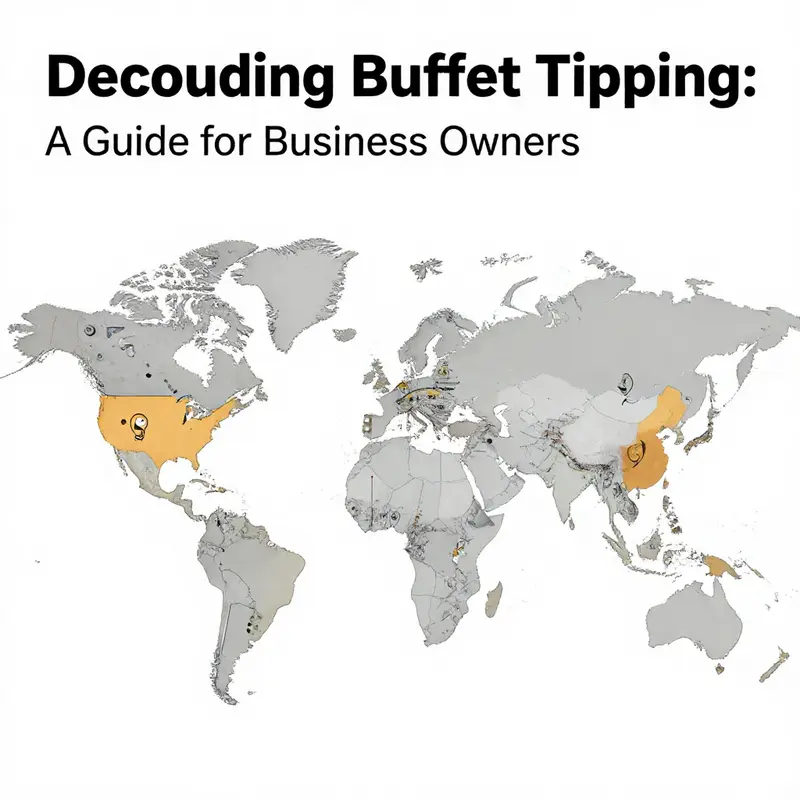
Buffet dining sits at an interesting crossroads of self-service and service culture. The amount you tip at a buffet restaurant hinges on three factors that vary from place to place: the level of staff involvement, the local tipping norms, and the specific venue’s policies. There is no single rule that fits every table, yet a practical framework emerges when you connect how the service unfolds with the expectations that culture and economy have built around it. In many buffets, staff energy stretches beyond keeping the food hot and the stations stocked. When they clear dishes, refill drinks, or fetch items you request, the dynamic shifts from a purely self-serve encounter to a service experience that deserves acknowledgement. Understanding this distinction helps you tip fairly and avoids both undercompensation and uncomfortable moments at the end of the meal. The core idea is simple: tip based on service level, not merely the presence of a buffet line. If the interaction remains largely at the food stations with minimal guest contact, tipping is correspondingly modest. If a team members out front or at your table makes the experience smoother through attentive service, your gratuity should reflect that added value. And in the rare case of a full-service buffet, where servers deliver beverages to your table, memorize orders, and curate a more restaurant-like rhythm, tipping follows the familiar table-service percentage model. In practical terms, you’ll often see a spectrum from no tipping for self-serve meals to a 15–20 percent range when the service feels like a traditional dining experience. The middle ground—semi-assisted buffets with drink refills, timely table clearing, and the occasional personalized touch—usually warrants a modest per-person amount. The guideline of about one to two dollars per person in those scenarios captures the appreciation for service that goes beyond basic station maintenance, without conflating it with full-service dining where the percentage rule applies more directly. For venues that automatically add gratuity, the calculation changes again. Automatic gratuities—common in larger groups or certain venue policies—typically land in the 18–20 percent zone, sometimes pre-calculated as part of the bill. If a gratuity is already included, you should not feel obliged to add another standard tip for ordinary service; you might still honor exceptional moments with a discretionary amount, but the baseline work is already recognized. This approach avoids double-tipping and respects local practice. Cultural norms further shape expectations. In the United States and Canada, tipping is common when service is provided, though self-serve buffets lessen the necessity. In the United Kingdom, tipping is often optional, with a preference for leaving a small amount per person only when service stands out, and many venues include service in the menu price. Germany tends to embed the service charge in the bill, making extra tipping less customary unless staff offer personal attention. In Japan, tipping is generally discouraged or even politely refused, as good service is considered a standard wage expectation rather than an occasion for gratuity. France sits somewhere in between, where a modest tip is possible if service is notable but not obligatory at every buffet, especially when the buffet is mainly a self-serve setup. Australia mirrors this cautious approach; tips aren’t required, yet a well-timed gratuity is welcome in venues where staff actively enhance the dining experience, such as by maintaining a clean table area or providing thoughtful refills and assistance. In other regions, particularly in luxury hotels or high-end venues, expectations may tilt toward a higher level of service, and a corresponding tip acknowledges that extra effort. The central principle remains clear: observe and adapt. If you see staff actively clearing plates, refilling drinks promptly, or bringing items to your table, a tip is a respectful nod to that work. If the staff’s role is mostly to supervise the buffet line with limited interaction, a lighter gesture is appropriate. When in doubt, choosing a modest amount and adjusting after you assess the service can prevent over- or under-tipping. Local context matters, and sometimes the most concrete clue is what fellow diners are doing. A practical touchstone is to think about the service beyond seating. In a given city, a venue’s tone—whether it leans casual or upscale—will naturally color expectations. For travelers curious about a specific location, it helps to know the service culture of that place. For example, in Findlay, a quick check of the local menu and service notes can reveal how staff typically engage with guests. See the menu-focused detail at Royal Buffet Findlay Menu to sense how actively staff participate beyond the core buffet line, and to calibrate your tipping accordingly. This approach keeps your response to service fair and proportional, avoiding assumptions based on the buffet format alone. The overarching takeaway is that tipping should reflect actual service delivered, not the mere fact that a buffet is present. When staff go beyond the basics—clearing plates, assisting with seating arrangements or drink service, or delivering items to your table—recognize that effort with a fair gratuity. If service remains at a minimal level, your generosity should be correspondingly restrained. Always check the bill for an included gratuity before tipping again, and let cultural norms guide your decision. For readers seeking a broad, authoritative frame, industry guidelines provide a stable reference as tipping norms evolve. External guidance from hospitality associations can help anchor your expectations in current practice. External resource: https://www.ahla.com/industry-resources/tipping-guidelines
Final thoughts
Grasping the nuances of tipping at buffet restaurants is crucial for business owners who aim to create an enjoyable dining experience. The level of service, the presence of automatic gratuity, and the cultural context all play critical roles in determining how much to tip. By understanding these factors, owners can cater to their customers’ expectations while promoting staff satisfaction. Embracing this knowledge not only fosters a positive atmosphere but also reinforces a respectful relationship between diners and service personnel.