
Tipping at buffet restaurants varies significantly based on the level of service and local customs. For restaurant owners, understanding how much to tip is crucial not only for staff satisfaction but also for fostering a positive dining experience. This guide delves into the different types of buffets and the corresponding tipping etiquette, while also exploring the varied perspectives on tipping practices across the globe. By considering these facets, business owners can create an environment where both guests and staff feel valued.
Reading the Service Staircase: How Much to Tip at a Buffet Based on the Level of Attention You Receive
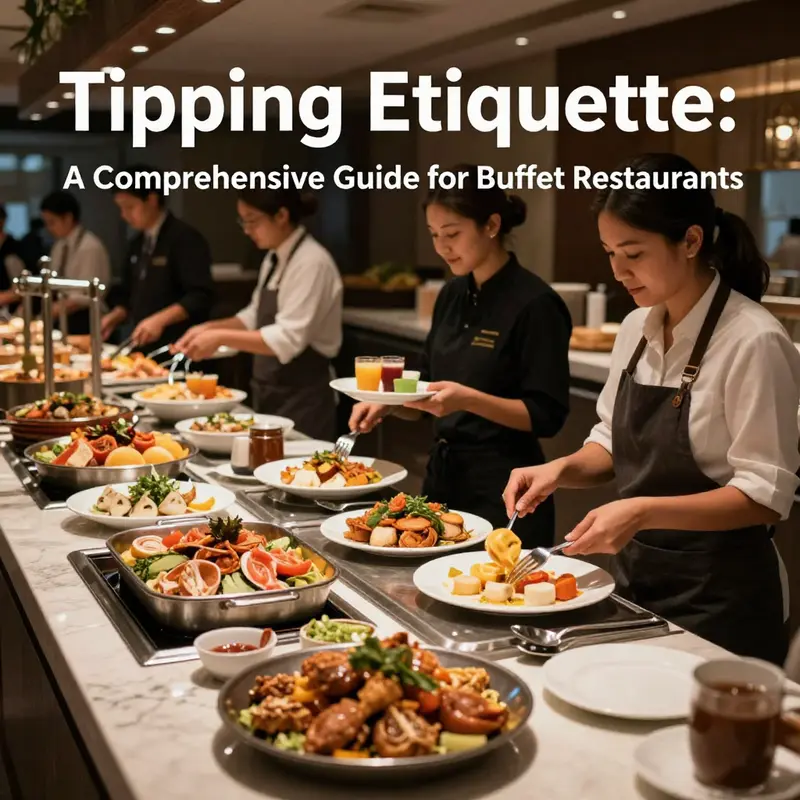
Tipping at a buffet is rarely about a single action, like passing a tray or grabbing a plate. It hinges on the quality and visibility of service—the moments when a staff member refills a drink, clears a plate, or answers a special request. The question, then, is not simply whether a buffet is self-serve, but how many service duties are performed during your meal and how consistently they occur. In practical terms, this means reading the service staircase as you dine: if the staff stays mainly out of sight and your interaction is limited to seating and occasional drink refills, the tipping expectation is modest or even nil. If you notice attentive refinements—drinks replenished promptly, plates cleared without prompting, or sauces and utensils offered with a friendly explanation—the proper gratuity becomes more tangible. And in high-end settings where servers deliver items to the table, monitor multiple requests, or oversee smooth transitions between stations, tipping follows a more robust standard. The aim is to reward actual service, not simply the act of eating at a buffet. This approach respects the labor behind the experience, while also keeping the practice fair for diners and sustainable for workers who often rely on tips as a significant portion of their income.
Within the spectrum, there are three broad service models that shape tipping norms. First, basic self-service buffets, which emphasize diner independence. In these environments, staff effort is typically limited to food stations maintenance and table clearing, and tipping is generally not expected. That said, a small gesture—such as $1 or $2 per person—can be a courteous acknowledgment if a bussing team consistently clears tables or drinks are regularly refilled without being asked. It signals appreciation for quiet, steady work that otherwise goes unnoticed in a casual setting. Second, semi-assisted buffets, where staff actively refill drinks, clear plates between courses, and assist with condiments or sides, invite a more tangible gratuity. A per-person range of about $1 to $2 is common here, reflecting the additional steps these team members take to keep the table pleasant and functional throughout the meal. Third, full-service buffets, found in luxury venues or premium hotel brunches, involve a higher level of care: servers may take drink orders, deliver certain dishes to the table, and supervise seating or guest requests with visible attentiveness. In such contexts, the expectation shifts toward a stronger gratuity. Many guests tip $2 to $5 per person or more, especially when the dining experience lasts beyond an hour and service is ongoing. Some establishments may automatically include a gratuity on the bill, which is why a quick check of the receipt is essential before tipping.
Evaluating the service you receive at a buffet means paying attention to the staff’s presence and responsiveness. If a server checks in with a friendly question, offers suggestions, or ensures water glasses stay refreshed, those signals justify a higher tip relative to what you might give in a strictly self-serve setting. Conversely, if staff interactions remain strictly transactional—seating, dish return, and no other intervention—then a modest tip, or none at all, aligns with the level of service. The goal is to tip in proportion to the effort you observe, not to measure the meal against a fixed price tag. In this light, a practical rule of thumb emerges: if someone serves you directly or if you notice consistent, proactive assistance, tip accordingly. If the service is occasional or limited, keep the gratuity conservative. A cautious approach keeps guests fair and helps staff across the spectrum of buffet formats.
For readers exploring a particular venue, proximity can shape both expectation and generosity. If you’re curious about a specific Findlay location—how it handles service, and what you might expect on a busy weekend—the Buffet Findlay, Ohio page offers context about the setting and menu while illustrating how service levels translate into tipping choices. Such local cues reinforce that tipping is situational and anchored in real experience rather than a one-size-fits-all rule. And while local norms guide behavior, a broader etiquette frame still matters. Contemporary guidance in respected outlets emphasizes that tipping should reflect the service delivered and the guest’s overall experience, not just the presence of food at a station. This perspective helps balance fairness to kitchen, bussing staff, and servers who coordinate complex movements across a dining floor.
In the end, the framework remains practical and portable: no tip for pure self-service; a small tip for routine refills and plate clearing; and a more generous gesture when the staff take active steps to elevate the dining moment. If in doubt, observe the staff’s engagement and err on the side of courtesy—tip more when service is noticeable, and adjust downward when it is absent. As the dining landscape evolves, so do expectations, but the core principle endures: gratuity should reflect the service you experienced, not the price of the food alone. For broader context on how etiquette evolves across regions and formats, consult contemporary guidance from trusted outlets.
External resource: The New York Times offers a detailed 2026 guide on buffet tipping etiquette, which complements local practice with broader insight: https://www.nytimes.com/2026/02/13/dining/buffet-tipping-etiquette-us.html
The Tip That Fits the Plate: Etiquette and Guidelines for Tipping at U.S. Buffets
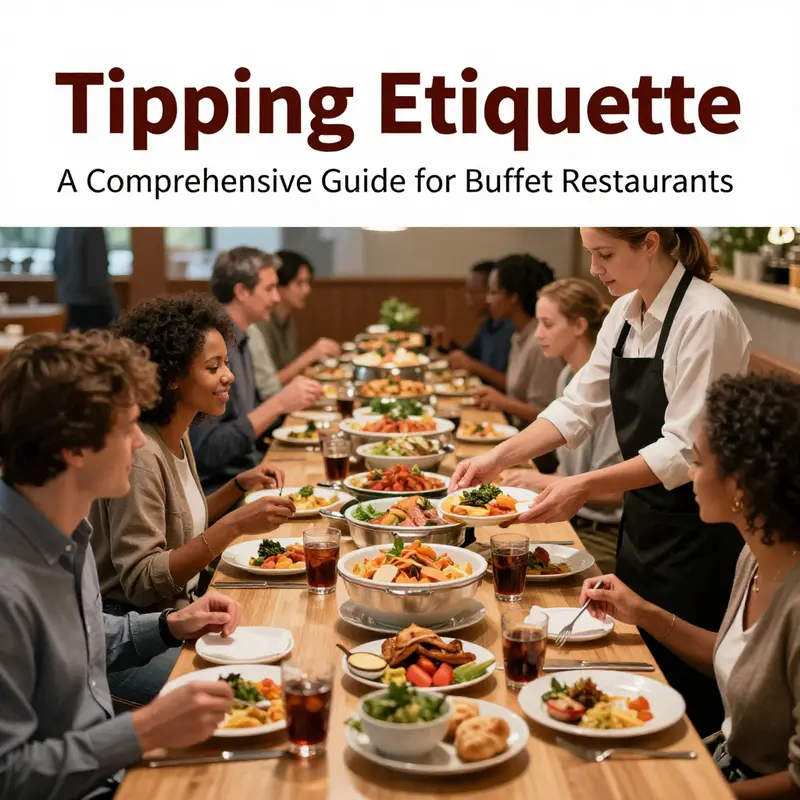
Walking into a buffet is a lesson in contrast. The spread may look like a simple buffet line, but the service model behind it can vary as much as the dishes on offer. At one end you have self-serve formats where guests essentially move through the space with minimal staff interaction beyond seating and occasional drink refills. At the opposite end you encounter semi-assisted or full-service setups, where staff refill beverages, clear plates, arrange condiments, and attend to special requests. Understanding these differences matters, because tipping in a buffet setting is less about a fixed ritual and more about recognizing the level of care you receive. In the United States, this means tipping aligns with the service you actually experience, not with the number of trays you sample. The unspoken standard is simple: when someone serves you directly, a tip is appropriate; when the interaction stops at the moment you grab your plate, the gesture is less necessary. This distinction helps keep tipping fair for staff while respecting guests’ budgets and expectations on a busy dining day.
The guidelines that unfold from this distinction are practical and straightforward. For all-you-can-eat, self-serve formats, tipping is generally not expected. Your role is mostly to select, move along, and maintain the flow of others through the line. In semi-assisted environments—where staff refill drinks, clear plates, and perhaps offer sauces or sides—a tip of about $1 to $2 per person is customary. This amount acknowledges the extra tasks that help keep the meal comfortable and clean for the table you share with others. In full-service buffet settings—where servers may take drink orders, deliver plates to your table, and provide a higher level of attentiveness—the customary tip rises to roughly $2 to $5 per person, especially if the meal runs longer than an hour or if the service spans several courses. It’s also wise to check the bill for any automatic gratuity, which may apply to larger parties or certain high-end venues; if gratuity is included, you should adjust your additional tipping accordingly.
Beyond the numbers, the act of tipping is about reading the staff’s engagement with guests. If servers actively refill drinks, clear dishes, bring condiments, or answer questions about the buffet, a tip signals appreciation for effort and presence. If staff interactions are minimal—perhaps the staff simply maintains stations and clears tables without asking questions—your tip can be modest or optional, depending on your sense of fair exchange and the complexity of the visit. A good rule of thumb is consistency: if you notice that service quality improves or declines during your visit, you can adjust your tip to reflect that experience. For families or groups, some people prefer tipping per person to reflect varying appetites and service needs, while others lean toward a per-table approach that keeps the practice simple. Either way, the key is to anchor your choice to what you actually receive rather than to a preconceived standard.
Regional differences also shape expectations, though the core principle remains intact: tipping is a recognition of service, not a mandatory fee. In some areas, the presence of a service charge or gratuity on the bill can shift the amount you give or even replace it altogether. In others, gratuity is less common, and a small extra tip is a thoughtful gesture for attentive service, especially during busy times when staff juggle multiple guests. The most reliable approach is to observe how staff interact with your group. If they go beyond the basics—checking in, assisting with dietary questions, or facilitating clean tabletop changes—a small tip complements that attentiveness and reinforces good service culture. To connect this guidance with broader buffet experiences and related etiquette, you can explore additional perspectives at Royal Buffet. Royal Buffet.
In practice, the modest, attentive tip is part of a fair economy for workers who keep buffet operations functioning smoothly. It reflects a balance between a guest’s budget and a server’s time, labor, and skill. The amounts aren’t fixed rules carved in stone, but well-supported guidelines that respond to the service you encounter. Think of tipping as a room-temperature gesture—neither a grand donation nor a token that should be forced on every visit. Instead, let it reflect the actual care you received: a refill on a sharp, cold drink; a swift, clean clearing of plates; a thoughtful suggestion that helps you navigate a large spread. When in doubt, a quick, proportional tip aligned with the level of service provides clarity for both guests and staff alike.
For readers seeking a current, authoritative frame of reference on tipping norms, contemporary consumer guidance remains a valuable resource. See the latest recommendations and regional nuances at the external resource: https://www.consumerreports.org/tipping-etiquette/2026-tipping-guidelines/ .
From Self-Serve to Service: A Global Look at How Much to Tip at a Buffet
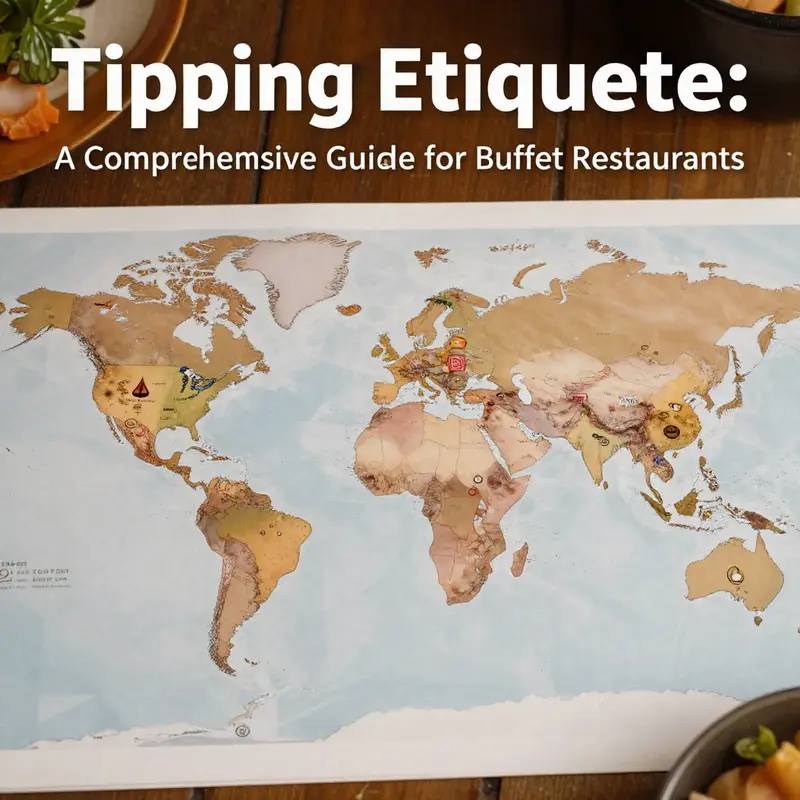
Buffet dining sits at an interesting crossroads between self-serve practicality and table-service hospitality. The amount you tip, or whether you tip at all, hinges on how much service you actually receive. Buffets come in a spectrum—from the casual, self-serve line where staff mainly maintain stations and clear trays, to upscale hybrids in luxury hotels or on cruise ships where servers take drink orders, shuttle plates to tables, and offer attentive touches throughout the meal. The tipping decision, then, follows the rhythm of the service you encounter. In the United States, this means a practical rule of thumb that aligns with the level of attention, rather than a single universal percentage. Self-serve experiences typically require no gratuity because the interaction is minimal; semi-assisted settings, such as hotel brunches or more polished buffets, deserve a modest gesture; and full-service buffet experiences, where servers anticipate needs and maintain a dining flow, justify a more generous acknowledgment. In everyday terms, many guests in the U.S. gravitate toward a per-person amount for ease—often a dollar or two when drink refills and plate clearing are present, and two to five dollars per person when the service clearly travels beyond basic refills and tray resets. Crucially, when a gratuity is listed on the bill, or when a service charge is included, that amount should be honored rather than double-tipped, which can feel awkward in any culture.
Across the United States, the cues you notice in the dining room help you calibrate your tip. If staff refill drinks, clean up countertops, and answer questions beyond seating, those behaviors signal that tipping is expected. If a staff member merely points you to the right station or brings condiments once, the gesture remains considerate but modest. The hospitality consensus emphasizes: if someone serves you directly, tip accordingly. A subtle takeaway from seasoned guests and experts is to observe the service level before you decide how much to give. A modest tip—often in the $1–$2 range per person for semi-assisted service—still conveys appreciation for the extra mile, while full-service experiences can justify a higher per-person amount, typically $2–$5, especially if your meal stretches into hours of attentive service. In upscale or hybrid buffets, 15–20% of the total bill is a familiar benchmark for those who receive sustained service, whether at a hotel buffet or on a cruise. This percentage reflects a broader etiquette pattern in high-service environments and remains a useful anchor when the experience clearly extends beyond self-service.
Because tipping customs differ widely, travelers should also consider local norms beyond their immediate dining room. In Canada, where full-service buffets mirror U.S. expectations, a 15–20% tip is common. In the United Kingdom, tipping at casual buffets is less routine, and many venues rely on automatic service charges rather than additional gratuities. In parts of Europe such as France, Germany, and Italy, tipping tends to be optional and focused on exceptional service, with many restaurants including a service charge in the bill rather than relying on tips. Japan and much of East Asia generally view tipping as inappropriate, a reflection of cultural standards about service as a responsibility rather than a perk. In the Middle East and North Africa, tipping can be expected in higher-end settings where luxury hospitality is the norm. These variations underscore a broader principle: what works in one country can be misunderstood or even deemed rude in another.
For travelers and locals alike, the simplest approach is to tip in proportion to the perceived service and the local custom. When service is visible and ongoing—refills, table clearing, questions answered, or special requests accommodated—consider moving toward the higher end of the regional expectations. When service is minimal, a small token or none at all can reflect the standard practice without diminishing the gratitude you feel for a well-run meal. And if a gratuity is already included, acknowledge that fact and proceed accordingly to avoid duplicating generosity that could confuse staff or diners alike.
To connect this discussion to real-world buffet planning, consider how a menu and its accompanying service model translate into tipping norms. For a sense of how a buffet’s range of dishes can align with service styles, see the Royal Buffet Menu. The broader takeaway remains clear: tipping should reflect quality of service while respecting the cultural context of the place you’re dining. What feels generous in one country may be insulting in another, so when in doubt, observe, ask if a service charge is included, and let local norms guide your gratuity.
External reading: for a broader, international perspective on tipping etiquette, see The New York Times guide at https://www.nytimes.com/2026/02/13/travel/international-tipping-etiquette-guide.html.
Final thoughts
In summary, navigating the nuances of tipping at buffet restaurants requires an understanding of the service provided, the local customs, and international practices. By equipping yourself with this knowledge, you establish a foundation for better service and improved guest satisfaction. Encouraging appropriate tipping not only benefits your staff but also fosters a culture of appreciation that enhances the overall dining experience.