
Starting a buffet restaurant is an enticing venture, promising the opportunity to cater to diverse tastes and create a unique dining experience. However, success in this competitive industry requires a thorough understanding of market dynamics, legal frameworks, and operational strategies. Properly executed, each phase of establishing your restaurant can set the foundation for enduring profitability. This guide unfolds in three critical chapters, detailing market research and business planning, clarifying legal structures and licensing, and strategizing your location and facility setup. These interconnected elements will equip you with the insights needed to launch and sustain a thriving buffet restaurant.
From Insight to Opening: Market Research and a Practical Blueprint for Launching a Buffet Restaurant
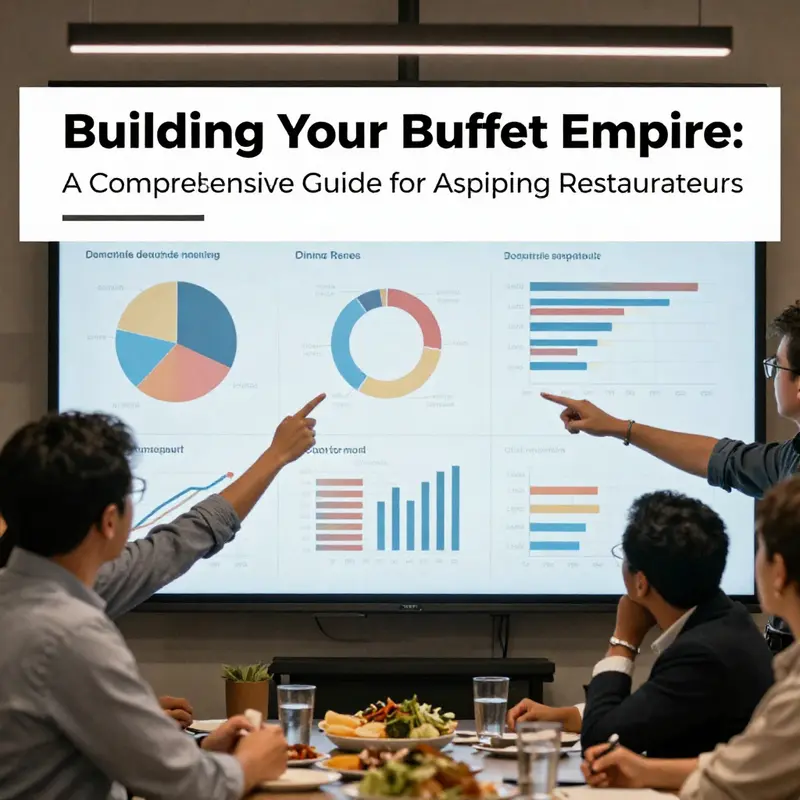
Market research and a well-constructed business plan are the backbone of a buffet restaurant that can survive the inevitable early years. This chapter treats research not as a one-off hurdle but as a continuous, earthy discipline that guides concept choices, location decisions, menu thinking, staffing strategies, and ultimately the financial pathway to profitability. The work begins long before a shovel meets concrete and continues through the first months of operation. When done rigorously, it reframes risk from a looming threat into a set of knowable variables that can be measured, tested, and optimized.
Concept validation is the natural starting line. Rather than betting the entire kitchen on a single idea, you test it with a low-cost pop-up or a temporary dining event. These trials reveal what guests actually want beyond what you believe they want. You watch for patterns in attendance, note which dishes draw the most attention, and gather candid feedback about taste, portion size, and pacing. Price sensitivity is another critical measure. A modest price adjustment can dramatically alter turnout, particularly in a buffet format where perceived value hinges on the balance between variety, quality, and cost. The goal is not to prove a flawless concept on day one but to map a realistic demand curve and identify your niche within the buffet landscape—whether you emphasize healthy gourmet options, thematic cuisine, or a family-friendly, high-volume model. A practical menu test should steer you toward a core set of offerings that are both appealing and controllable, with room for seasonal rotation that keeps the experience fresh over time. A reference point for how menu design translates into perceived value can be found on the Royal Buffet Menu page, which demonstrates the visual logic of a well-curated, varied spread and how a few signature items can anchor an entire buffet narrative. Royal Buffet Menu.
Location selection follows concept clarity. Visibility and accessibility are not luxuries; they are operational imperatives. The site should sit in corridors of high foot traffic, near office clusters, transit hubs, or dense residential zones where lunch and dinner volume is predictable. Yet even a premier site can fail if the lease terms crush margins. Favor terms that cushion the early losses many sites experience, and anticipate expenses beyond rent, such as parking arrangements, waste management facilities, and the specific demands of a large, open-service format. A practical approach to site assessment recognizes that a buffet concept thrives where guests feel they can eat with both hands and eyes. The layout should enable a smooth flow from entrance to service lines, with clear sightlines to the kitchen and ample space for replenishment without compromising diners’ comfort. Local building codes, fire safety requirements, and ventilation standards all shape the feasibility of any chosen space and should be integrated into the early diligence process so that the plan remains executable rather than aspirational.
Beyond the tangible spaces, a robust business plan crystallizes the restaurant’s mission, concept, and operational backbone. The mission guides every decision, from the tone of guest interactions to the cadence of menu changes. The concept overview should describe the buffet’s core style, the thematic or dietary focal points, and the anticipated guest mix. Menu highlights are not merely a list of dishes; they function as a narrative about value, diversity, and quality. A staffing model complements this narrative by detailing the numbers, roles, and training paths required to sustain a large-service operation. Training, in turn, anchors consistent execution—from food safety compliance to the precise replenishment rhythms that keep food at its best during service. Marketing strategy is not an afterthought but a daily discipline: pre-opening buzz, loyalty programs, and ongoing engagement with both diners and the broader community. Operational workflow must demonstrate how food preparation, service, and cleanup interlock to minimize waste, optimize labor, and protect guest satisfaction.
Financial projections are where planning meets reality. Conservative revenue assumptions, plus buffers for disruptions, guard against over-optimistic startup folklore. The budgeting process should lay out capex needs for equipment, furnishings, and technology that supports portion control and waste management. A five-year outlook helps reveal the timing of the breakeven point, which in a well-executed buffet concept is often found by the second year. This horizon informs financing strategies, including debt service and potential equity infusion, and it helps align the business plan with practical milestones that lenders and partners expect to see. The recent financial landscape surrounding buffet concepts underscores the magnitude of upfront capital required: a substantial cash reserve is typically necessary to cover equipment, inventories, leasehold improvements, and technology investments. This reality can be daunting, but it also reinforces the value of phased builds, staged openings, and strategic partnerships that can share risk while preserving the integrity of the concept.
As you translate these insights into a formal plan, remember that the plan is a living document. It should evolve as you validate assumptions, test menus, and measure guest responses. The balance between ambition and realism is delicate but essential; overreaching can exhaust cash reserves, while underestimating demand can squander momentum. The five-year framework should be treated as a management tool rather than a prophecy, with quarterly reviews that adjust forecasts for actual performance, supplier costs, labor dynamics, and guest trends. A thorough plan also clarifies the sourcing strategy: not only where ingredients come from, but how consistency, freshness, and cost control are maintained at scale. Strong supplier relationships support a buffet’s openness to seasonal shifts, which keeps the menu dynamic without sacrificing profitability. In the same vein, stage-by-stage capital expenditure planning aligns equipment purchases with anticipated service levels, ensuring kitchen throughput meets guest expectations as the buffet grows.
To readers seeking a practical pathway that connects these elements to a tangible, executable blueprint, the road map you assemble should mirror the continuity of your guest experience. The menu, the space, the staffing, and the financials must speak to one another in a coherent story. Finally, as you refine the plan and prepare to move from ideas to occupancy, use authoritative resources to strengthen your approach. For broader guidance on building a kitchen-to-bankable plan, consult the following external resource: How to Open a Successful Restaurant from Scratch. This guide complements the hands-on testing and financial modeling with strategic insights, helping you navigate the path from concept validation to enduring operation.
The Legal Backbone of a Buffet Startup: Structure, Licensing, and Compliance
Choosing the right legal structure is the first real decision you face when turning a buffet idea into a business. It sets the stage for liability, taxation, and decision making as the venture grows. For many buffet concepts, an LLC offers a balance of personal asset protection and flexible management, along with pass-through taxation that keeps accounting manageable in the early years. A sole proprietorship keeps things simple but exposes personal assets to every business risk. A general partnership spreads liability and control across partners, which can be risky if roles aren’t crystal clear. A corporation provides the strongest shield but adds complexity, formalities, and potential double taxation unless you structure tax status strategically. The best choice depends on your risk tolerance, growth trajectory, and the scale you envision. Thoughtful alignment of structure with your plan informs every subsequent move—from lease negotiations and banking to supplier contracts and hiring practices. In many cases, an LLC stands as a prudent default for a new buffet operation because it supports future expansion while protecting owners from personal liability when things go sideways.
Once you’ve settled on a structure, the practical steps follow in a logical, sometimes tedious, order. Start with registering the business name to ensure uniqueness in your state and to secure the branding you’ll use on contracts, menus, and signage. Filing a DBA, or Doing Business As, prevents confusion if you choose to expand the brand or operate multiple concepts under distinct names. An Employer Identification Number, or EIN, from the IRS is essential for tax reporting, payroll, and banking. An EIN signals to vendors and lenders that you’re a legitimate entity with formal accounting. These filings may seem administrative, but they underpin credibility with landlords, investors, and financial institutions who expect clear governance and traceable business activity. A well-chosen structure coupled with proper registration also sets the stage for responsible growth, making it easier to add partners, raise capital, or spin off new concepts in the future.
A buffet’s legal entry door is a cluster of licenses and permits that varies by jurisdiction but follows a common logic. At minimum, you need a General Business License to operate legally within your city or county. A Food Service Permit confirms your kitchen meets basic health and safety standards for handling and serving food. A Health Department Permit comes with official inspections and ongoing oversight of sanitation, temperature control, and safe serving procedures. In many locales, you must obtain signage permits to display branding and, if your space accommodates outdoor seating, a sidewalk café permit as well. Depending on the building, you may require a Special Occupancy Permit if the restaurant sits in a shared commercial complex. The application packet often demands a floor plan, a complete list of equipment, and a written set of food-handling procedures. Missing items can stall inspections, delaying your opening and creating cash-flow pressures that ripple through staffing and inventory planning. The lesson is simple: map licensing requirements early, then work backward from the opening date to ensure every document is in hand before you serve your first customer.
Beyond these core licenses, compliance expectations extend into everyday operations. Food safety and sanitation must become ingrained habits, not episodic tasks. Employees who handle food should receive formal training aligned with local regulations, and managers should implement routine checks for proper storage temperatures, cross-contamination controls, and effective cleaning schedules. A buffet heightens risk in several ways, including prolonged display times for hot and cold foods and the need for meticulous replenishment procedures that prevent unsafe temperature zones. Clear, written standard operating procedures for display, replenishment, and frontline service help your team maintain consistent quality and minimize waste while protecting guest health. Establishing robust traceability for ingredients and strict inventory management supports cost control without compromising safety, a balance central to long-term profitability.
If you plan to serve alcohol, the licensing landscape becomes more complex. A separate liquor license requires additional applications, potential public notification, and background checks. Alcohol service can boost revenue but adds regulatory responsibilities, including precise inventory tracking, responsible-service training, and operating hour constraints that may differ from food-service rules. Planning for these elements before launch eliminates last-minute conflicts with your operating model and helps align staffing, POS configurations, and compliance checks from day one. In parallel, various ancillary permits may apply depending on your locale. Signage rules govern exterior advertising, while outdoor seating hinges on sidewalk permits. Environmental permits related to waste disposal and grease management may also come into play. Each jurisdiction layers requirements differently, so early consultation with a local attorney or a business advisor who specializes in hospitality can prevent costly missteps and keep the build-out on track.
Translating this regulatory framework into a practical startup plan means weaving compliance into every decision, from the lease you sign to the brand you build. A well-structured entity helps you manage risk in negotiations with landlords and suppliers and clarifies ownership shares for potential investors or future partners. It also clarifies tax planning choices and how you account for payroll, benefits, and workers’ compensation. The aim is not to create an obstacle course but to embed governance that supports steady operations, rapid adaptation to market shifts, and a consistent guest experience. A tangible example of how a buffet concept translates into brand strategy, systems, and compliance can be seen at Royal Buffet. This reference helps illuminate how licensing, corporate form, and day-to-day operations intersect from vendor contracts to menu design and staff training. For a broader, official roadmap to launching any small business—especially in the hospitality field—consult the U.S. Small Business Administration’s guidance and resources.
External resource: https://www.sba.gov
Grounded for Success: Location Strategy and Design Blueprint for a Profitable Buffet Restaurant
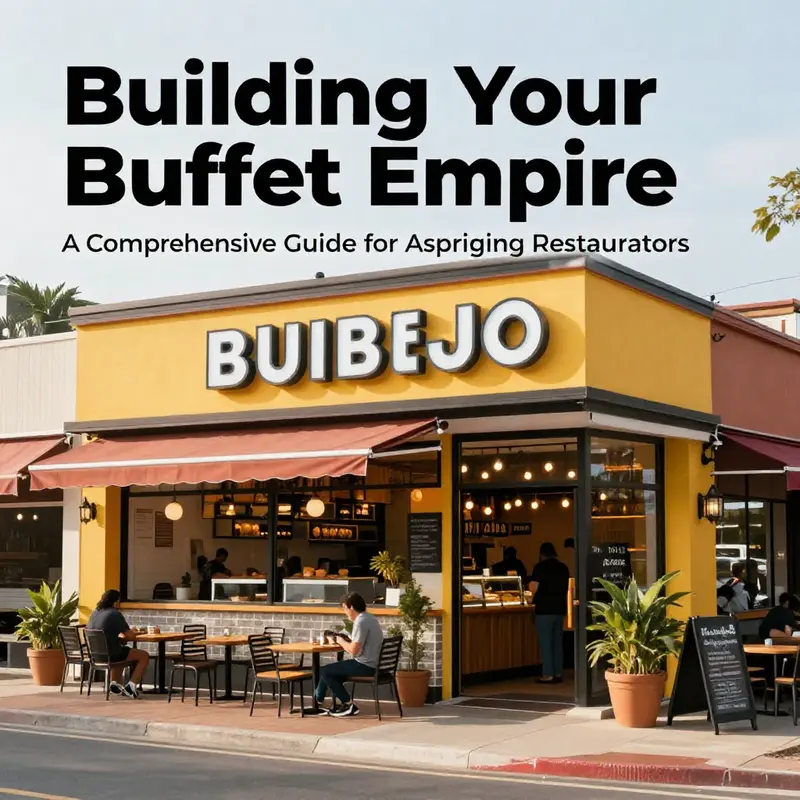
A buffet concept rests as much on where you stand as on what you serve. The right ground—the combination of location, access, and a floorplan engineered for flow—creates a powerful first impression and a sustainable rhythm for daily operations. In this chapter, the focus is not merely about picking a corner of a busy street but about embedding decision-making in a framework that links market reality, cost discipline, and guest experience. When you stitch together proximity to your core diners with a layout that moves people naturally and a space that supports efficient replenishment and compelling presentation, you set the stage for steady traffic, better margins, and a brand that feels seamless from arrival to departure. For aspiring operators, the path starts with a disciplined view of location and ends with a design that invites repeated visits as much as it invites social sharing. If you want practical guardrails to guide this process, consider how proximity, competition, and rentable space converge with a thoughtful, visually engaging facility.
Strategic location is the anchor of daily footfall and budget control. The ideal site sits where residential life and work life intersect within a 1-3 kilometer radius of homes for everyday diners and within about 5 kilometers of office districts where lunch crowds and after-work foot traffic accumulate. High-visibility sites in or near shopping centers, transit hubs, or bustling business corridors are especially productive because they create a predictable cadence of visitors who are already primed to seek a convenient, plentiful meal. The pragmatic goal is to capture a broad spectrum of guests while avoiding oversaturated pockets where competition dilutes both price point and guest trust. In practice, this means steering toward areas with healthy dining ecosystems but not a flood of similar concepts. Industry insights suggest that sites delivering more than around eight thousand pedestrians per day tend to offer the best visibility and conversion potential, a useful proxy when shortlisting locations and negotiating terms. Yet even with strong traffic, cost discipline matters. A reasonable rule of thumb is to keep rental costs under a quarter of total operating expenses. For a representative footprint—roughly 300 square meters—a target rent below a modest local threshold helps maintain a viable margin while allowing space for the buffet’s distinct look and flow. This balance between exposure and overhead is essential, because it determines how aggressively you can price, how deeply you can invest in fresh ingredients, and how robust your staffing model can be during peak times. For operators seeking practical illustrations and supplementary ideas, the discussion of location strategy available through industry-focused resources can provide valuable benchmarks. See Royal Buffet locations for insight into regional site strategies and how space choices complement branding. https://royalbuffet.shop/royal-buffet-locations/
Facility setup builds on the site choice by translating a site’s latent potential into a guest-friendly, repeatable experience. A well-planned floor layout is not a cosmetic flourish; it is a bottleneck-aware system designed to guide guests smoothly from entry through the appetite-building salad and hot stations to the final moments of the meal. A proven approach is a return loop or U-shaped path that confines the buffet line to an efficient radius, reducing average pickup distance to around eight meters. This geometry minimizes crowding and accelerates turnover without sacrificing the sense of abundance that defines a buffet. The sequence matters: an inviting entrance zone can feature a visually arresting salad or dessert station to draw people in; the main zone should spotlight high-value, visually appealing dishes like seafood, grilled proteins, or chef’s specialties; and the end zone should anchor staples that satisfy cravings and encourage additional rounds. The spatial logic must be mirrored in service logic. Staffing density should align with space; roughly one service staff member per ten square meters of floor area provides a baseline for replenishment and guest assistance. During peak periods, replenishment cycles every fifteen minutes become a crucial discipline to sustain freshness, avoid empty pans, and reduce waste through timely rotation. In parallel, a thoughtful facility plan must address safety and regulatory compliance—clear emergency routes, robust ventilation, proper plumbing, and fire suppression—so the environment supports consistent service rather than reactive fixes.
The aesthetic layer of the facility, while often overlooked, becomes a differentiator in a crowded market. The design should harmonize practicality with value perception. This means creating 3-5 Instagram-worthy stations that invite guests to share their experience and pull new diners into the story you’re building. A live pizza oven, a dynamic dessert concept, or an interactively presented sushi or noodle station can become focal points that translate into social proof and word-of-mouth recommendations. The goal is not to chase trends but to provide memorable touchpoints that reinforce the notion of abundance and variety without overwhelming the kitchen’s capacity. Pair these visuals with smart, energy-conscious choices: inventory management tools and energy-saving technologies can measurably cut waste by a few percentage points and trim electricity use, contributing to both sustainability and bottom-line impact over time.
Operational discipline threads through every decision, from layout to menu to staffing. The floor plan must support quick, visible replenishment and clean lines, while the menu design should leverage the space to present appealing choices and encourage cross-sampling. Seasonal items, clearly labeled ingredients, and deliberate dish choreography help guests navigate the buffet with confidence, while a linked supply chain guarantees consistent quality and cost control. Ongoing evaluation, through financial audits and guest feedback, should inform iterative tweaks to both the layout and the menu to respond to changing demand patterns without sacrificing the core experience. For operators who are contemplating expansion or brand partnerships, strategic location scouting, combined with a modular design vocabulary, can shorten launch timelines while maintaining the fidelity of the dining experience. The right space, designed for flow and supported by reliable operations, makes the buffet feel effortless to guests and highly scalable for the business.
In closing, the combination of a smart location strategy and a thoughtful facility setup creates a fortress for profitability in a buffet business. It is the backbone that supports predictability in traffic, consistency in service, and clarity in brand promise. The messaging should be clear to staff and guests alike: this is a place where abundance is accessible, where food quality is non-negotiable, and where every square meter is contributing to guest delight and financial resilience. For those who want to explore practical site examples and branding alignment, the internal resource on Royal Buffet locations provides a real-world lens on how location choices correlate with branding and guest expectations. This alignment matters because, at the end of the day, a buffet’s success travels with the map you choose and the space you build around it. External research and insights into location-driven performance, including global and regional analyses, reinforce the idea that proximity, cost discipline, and layout synergy are interdependent levers that determine whether a buffet goes from a crowded concept to a thriving, enduring business. External resource: The Importance of Restaurant Location in Business Success (Tencent Cloud Developer Community) https://cloud.tencent.com/developer/article/1974634
Final thoughts
Successfully launching a buffet restaurant involves strategic market research, meticulous legal planning, and a well-chosen location. These components are not just procedural; they are interconnected lessons that feed into your restaurant’s overall potential for success. By understanding your target demographic, complying with local regulations, and strategically setting up your space, you empower your restaurant to thrive in a competitive landscape. As you embark on this culinary journey, remember that diligence and adaptability will be your allies in creating a bustling buffet destination.