
Buffets have become a popular dining option, often seen in restaurants, hotels, and at events, but what exactly are they? This article explores the nuances behind the buffet format and whether it constitutes a restaurant type. The first chapter will clarify the concept of a buffet, while the second will investigate its classification relative to traditional restaurants. Finally, the third chapter will examine how buffet restaurants differ from other dining entities, providing a comprehensive overview relevant for business owners seeking to navigate the dining industry effectively.
Buffet Unveiled: Is It a Dining Style or a Standalone Concept?
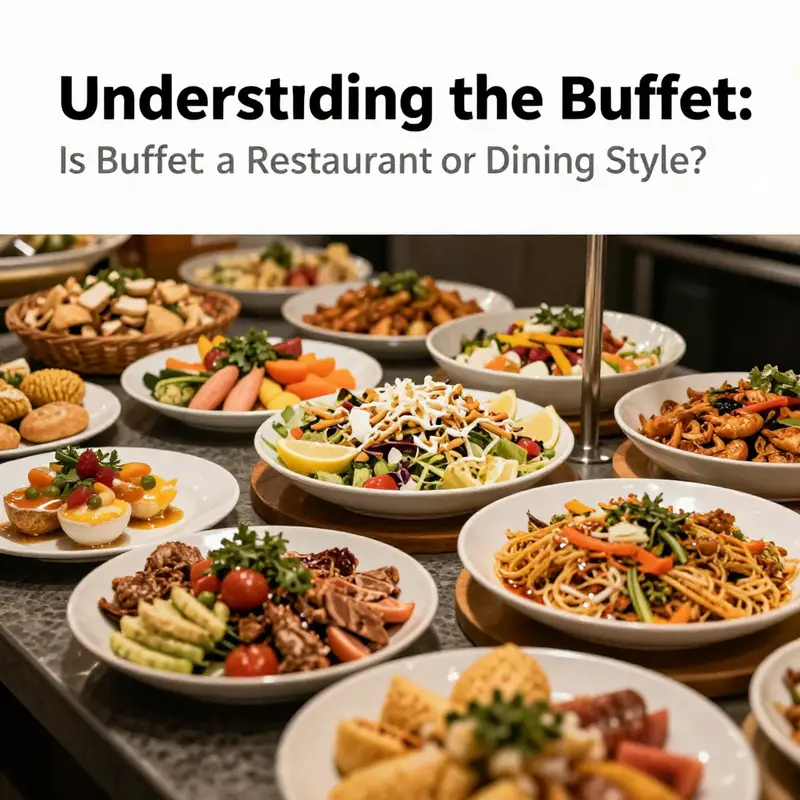
Buffet is more than a sign on a menu. It is a dining approach that redefines how people encounter food, not a single, fixed type of restaurant. At its core, a buffet is a setup and a method: a selection of dishes laid out where guests can move freely, serve themselves, and decide how much to take. This self-service principle shifts responsibility from the kitchen to the diner’s chosen pace, appetite, and curious taste. It is less a declaration of a restaurant’s identity and more a modality of service that can inhabit many kinds of spaces. When we speak of a buffet, we are describing a way of presenting and portioning food, not a locked-in brand or concept. The same buffet method can be found in luxury hotels with grand dining rooms, in casual family-friendly eateries, in corporate dining halls, and at bustling events like weddings or conferences. The character of the experience—whether it feels intimate, theatrical, efficient, or festive—emerges from the setting, the quality of the dishes, and how the space is organized, more than from any single sign on the door.
Within this framework, the term buffet restaurant often enters the conversation, and it is here that definitions can blur. A buffet restaurant is a restaurant that specializes in buffet-style dining as its primary format. In practice, many operations blur lines by offering multiple service modes under one roof. A hotel dining room might feature a prominent buffet for lunch while also providing an à la carte dinner menu or a themed buffet for special occasions. A family-friendly spot may present a daily or weekend buffet alongside add-on options for guests who prefer plated service. In such cases, the establishment leans toward the buffet experience as its core draw, yet it remains a restaurant in name because it serves meals to paying guests, has a kitchen, and adheres to general dining regulations. The wider point is simple: “buffet” describes how the food arrives and how diners interact with it, while “restaurant” describes the business entity that prepares and serves meals to guests. That nuance matters when you’re designing a dining plan, evaluating a venue, or simply trying to understand a menu.
The practical implications of a self-serve format extend beyond the tray lines and chafing dishes. A buffet’s charm lies in variety, autonomy, and pacing. Guests can chart their own tasting journey—sampling a bit of everything or plating a tall, single-plate feast. The approach can encourage discovery, with diners comparing flavors across different stations, textures, and cuisines in quick succession. But with that freedom comes responsibility: labeling must be clear, sauces and ingredients should be easy to identify, and portions must be managed so lines move smoothly and everyone has access to fresh options. From the operator’s perspective, a buffet demands careful station design, strict food-safety protocols, and precise waste management. The best setups balance abundance with efficiency, ensuring that hot dishes stay hot, cold items stay crisp, and staff remain ready to replenish, answer questions, and tidy up between seatings. The result can feel dynamic and generous, a social stage where guests meet their plates rather than a rigid, predetermined dining path.
Narratives about price and value also accompany buffet thinking. The self-serve model can translate into more predictable costs for the operator, particularly when portions are adjustable and guests pay for what they choose. Yet, it can also complicate budgeting when waste or overproduction rises, or when staffing needs shift to maintain the buffet’s rhythm. In today’s dining culture, where guests increasingly expect variety, flexibility, and a sense of autonomy, the buffet format often becomes a strategic tool rather than a mere tradition. It invites a particular rhythm of dining: a leisurely stroll through a room of options, a chance to revisit favorite dishes, and a communal sense of abundance. When menus or marketing describe a place as offering “buffet-style dining” or a “buffet dinner,” they are signaling a service experience rather than the whole identity of the business. It’s a cue about expectations, pacing, and the social texture of the meal.
To anchor this thinking in practical terms, imagine how a guest might navigate a space that foregrounds a buffet. They scan the stations, choose a path that suits their tastes, and then, once seated, they reflect on the variety they just explored. A well-executed buffet creates a bridge between appetite and occasion. It can feel celebratory in a wedding hall, comforting in a family restaurant, or efficient in a hotel lounge that serves travelers at odd hours. For readers weighing whether a particular venue fits a gathering—whether a casual lunch with friends or a formal dinner with colleagues—the distinction between buffet as a dining style and restaurant as a business helps align expectations with reality. If you want to see how a buffet-centric menu is presented, you can explore the buffet menu on the site: buffet menu.
External resources can illuminate this concept from another angle. A concise guide on buffet service emphasizes the core attributes of variety, display, and self-selection that define this dining format in practice. For a deeper dive into how buffet service operates in modern dining, refer to external insights at: https://www.linkedin.com/pulse/what-buffet-service-guide-popular-dining-style-george-johnson/.
Buffet as a Restaurant Format: How Self-Serve Dining Defines a Distinct Dining Experience
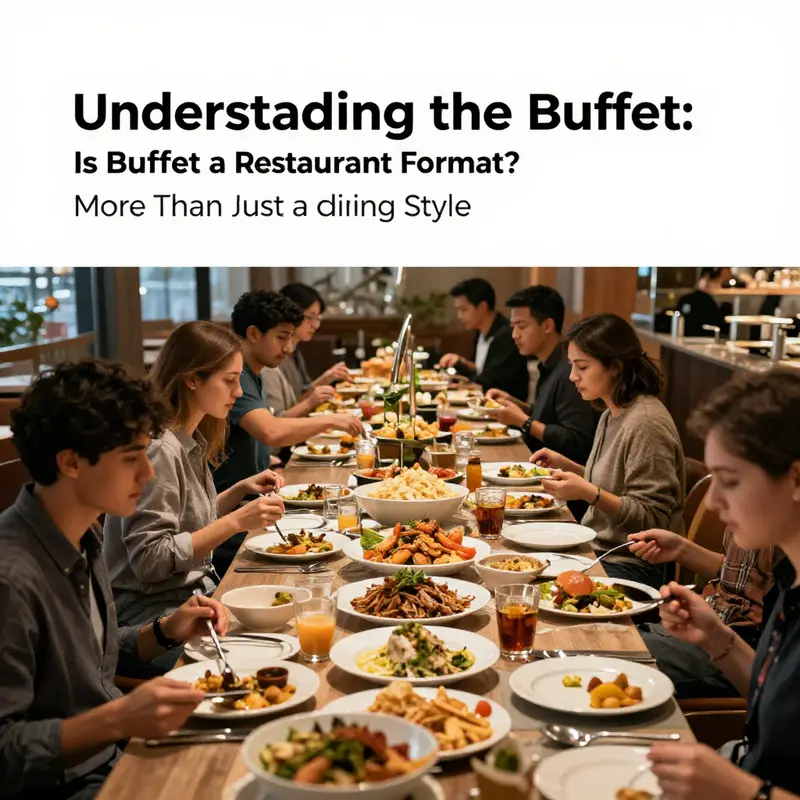
When people ask whether a buffet is a restaurant, the instinct is to reach for a simple yes or no. Yet the question deserves a more nuanced answer. A buffet is not merely a station of dishes; it is a complete dining format within the broader restaurant landscape. It defines how food is prepared, presented, accessed, and priced. In this sense, a buffet is a restaurant, but it is also a distinct family of eating experiences that emphasizes choice, autonomy, and abundance. The moment diners step up to a line of dishes and walk past warm steam tables, they enter a self-service model that shifts the balance of control from the server to the guest. This transfer is not a gimmick; it is the defining feature of the format. Guests decide what they want, how much they want, and when they want to move on. The environment supports this flow with wide displays, multiple stations, and a layout that invites a continuous, unhurried glide along the food array. While many restaurants incorporate buffet elements as part of a larger concept, a true buffet restaurant centers the self-serve experience as its core offering, often with a fixed price that grants access to all visible options. In other words, the buffet is a restaurant format, not merely a method of service inside a different concept.
To understand the buffet’s place in the industry, it helps to map its essential characteristics. A buffet is fundamentally a dining establishment with a defined space—a kitchen that produces the dishes and a service area that presents them. The centerpiece is the buffet line, a sequence of stations where hot dishes, cold presentations, and dessert options are laid out for selection. Food safety and replenishment are ongoing concerns; staff continually refresh items, monitor temperatures, and ensure variety remains appealing. Pricing typically follows a fixed-per-person model, which reframes the guest’s expectations: this is a meal with the potential to sample widely rather than a single, pre-ordered plate. The appeal lies in value—being able to cover a broad spectrum of flavors in one sitting, at a predictable cost. This structure resonates with families, groups, and travelers who value flexibility and efficiency as much as, if not more than, individualized course-by-course service.
Historically, the buffet concept emerged in the broader European dining culture of the 19th century and gained formal momentum in mid-20th century hospitality hubs. It evolved from informal, family-style offerings into a standardized format that could scale to larger audiences. In many modern venues, the buffet system has diversified beyond humble hotel atria into themed experiences that span international cuisines and culinary theatrics. This evolution underscores how the buffet, as a restaurant format, has adapted to regional tastes, seasonal ingredients, and hospitality technology. It is not a static relic; it is an adaptable framework that can accommodate everything from simple breakfast spreads to elaborate, curated displays that emphasize abundance and autonomy. Even in high-end settings, the core appeal remains the same: guests navigate a curated landscape of dishes on their own terms, guided by the layout, the labeling, and the pacing of the station refresh cycles.
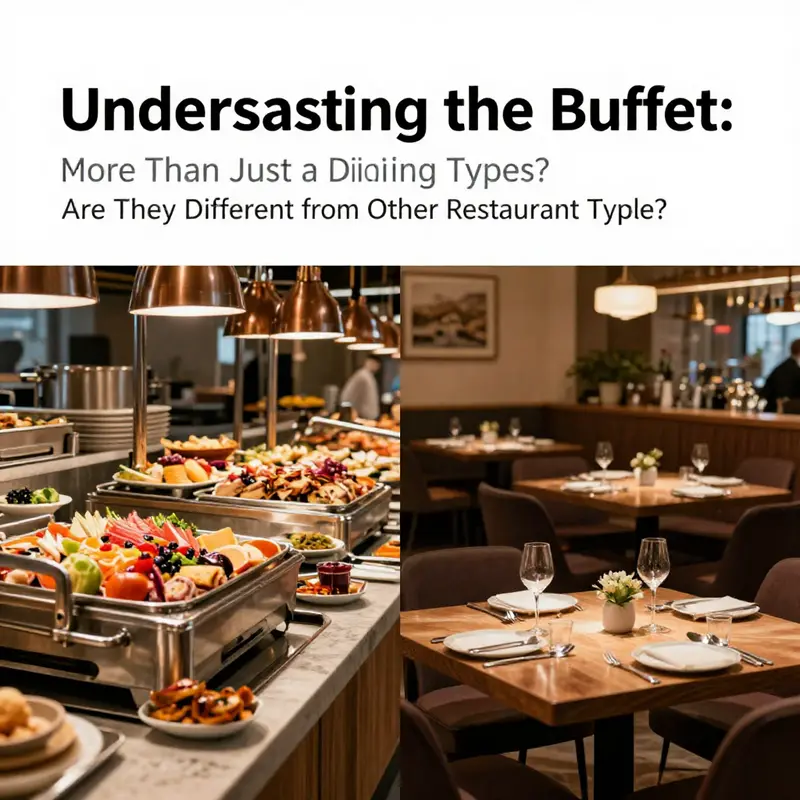
A close look at the dining experience reveals how a buffet contrasts with traditional à la carte service. In a typical sit-down restaurant, the pacing, portioning, and sequencing of courses are controlled by the kitchen and the service staff. The guest follows a curated path, and the plate-by-plate approach creates a particular rhythm and narrative. By contrast, a buffet hands control to the diner. The pace slows or accelerates according to appetite; repetition is possible, and sampling across categories—starches, proteins, vegetables, and desserts—becomes part of the experience. This autonomy also reshapes social dynamics. A buffet setting often enables casual, conversational dining as people wander between stations, chat with companions, and plan their own mini tastings. It can feel democratizing, especially for families or groups with diverse tastes, but it also raises critical questions about food waste and consistency. The best buffet operators balance generosity with discipline, ensuring freshness, variety, and mindful replenishment while maintaining the economic efficiencies that a self-serve format promises.
Operationally, a buffet demands a different set of priorities. Labor costs shift from front-of-house service to food preparation, display upkeep, and station staffing. Inventory management becomes a choreography of forecast, rotation, and timely restocking. The menu—if it can be called that in a buffet sense—must accommodate a broad range of tastes and dietary needs, from staples that hold heat well to rotating items that keep the experience from becoming monotonous. The result is not a casual, offhand approach but a carefully managed system where the perception of abundance is engineered through layout, lighting, signage, and the periodic refresh of dishes. In this sense, the buffet is both a technical and experiential achievement: a restaurant format that asks guests to participate in the culinary display while trusting the operation to deliver safety, variety, and value.
For readers who want to explore buffet options as a restaurant format in practice, consider how a typical buffet concept is presented in real-world dining spaces. The layout invites a walk-through experience, with clear stations that guide selection, and a kitchen that prioritizes consistent heat, freshness, and flavor across a broad spectrum of offerings. The interplay between choice and service yields a dining experience that can be expansive and affordable, yet still attentive to quality and hygiene. It is not purely about quantity; it is about the spectrum of possibilities presented to the guest. To see how a buffet menu is framed in a specific context, you can explore a sample menu that reflects the core philosophy of abundance and accessibility Royal Buffet Menu.
Ultimately, whether or not one labels a buffet as a restaurant depends on how precisely the term is used. In everyday discourse, people may refer to a “buffet restaurant” when describing a venue that centers this self-serve format. In more formal taxonomy, a buffet is a restaurant format—part of the wider ecosystem that includes traditional diners, chefs-driven eateries, and fast-casual concepts. The distinction matters when considering customer expectations, operational models, and the economics of hospitality. The buffet is a self-serve dining framework within which guests exercise choices, while the broader restaurant category includes many other formats. For a concise, authoritative definition of the term itself, see external resources that delineate buffet as both a serving style and a restaurant format: Cambridge Dictionary – Buffet. Cambridge Dictionary – Buffet
null
null
Final thoughts
In summary, while a buffet itself is not a restaurant, it represents a popular dining format that attracts a variety of guests seeking diverse culinary experiences. Understanding the distinctions between buffets and traditional restaurant formats can help business owners make informed decisions about dining options, catering to the evolving preferences of customers. Embracing the buffet style may enhance your restaurant’s appeal, ensuring you meet diverse dining needs effectively.