
Introduction to Restaurant Buffets and Their Profitability
Restaurant buffets have long been a favored dining option, attracting patrons with the promise of variety and value. The allure of an endless supply of delectable dishes, from savory entrees to decadent desserts, makes buffets a popular choice among consumers seeking both quantity and quality in their meals. However, the question arises: do these buffet-style establishments actually make money for their owners? While the appeal of buffets draws in large crowds, the operational costs, pricing strategies, and waste management significantly impact their profitability. In this exploration, we’ll delve into the financial dynamics of buffets, examining how they balance customer satisfaction with business sustainability, as well as strategies owners can adopt to maximize profit margins. For a deep dive into a successful buffet model, check out Royal Buffet in Findlay, Ohio.
Prepare to uncover the financial truths behind a beloved dining format!
Key Factors Affecting Buffet Profitability
Buffet restaurants can be a lucrative business model, but they face unique challenges that impact their profitability. Below are the primary factors influencing a buffet’s ability to be profitable:
-
Food Costs:
Food costs are one of the most significant expenses for buffet restaurants. The profitability can decrease dramatically due to factors such as: -
Food Waste: Buffets often overprepare food, leading to substantial waste. A study notes that optimizing food preparation based on demand can reduce costs. For instance, adjusting procurement practices can help mitigate overstocking and minimize waste.
-
Ingredients Pricing: Rising ingredient costs due to inflation or supply chain issues can squeeze margins. According to recent reports, over 54% of restaurant owners cite raw material costs as their biggest economic strain.
-
Labor Costs:
Labor expenses are another major consideration. Buffets require staffing not only for food preparation but also for maintaining the dining area. Factors include: -
Efficient Scheduling: Utilizing labor efficiently by scheduling employees according to peak hours can help maintain service quality while minimizing excess wages.
-
Employee Training: Investing in training can enhance service efficiency and minimize labor costs through cross-training employees to handle various tasks.
-
Pricing Strategies:
The effectiveness of pricing strategies directly influences profitability. Key elements involve: -
Dynamic Pricing: Adjusting prices based on demand or meal times can optimize revenue. For example, implementing different rates for lunch and dinner can attract various customer segments.
-
Value Perception: Setting prices that reflect the perceived value can prevent customers from feeling that they are paying too much, which can help maintain a steady flow of patrons.
-
Customer Volume:
Foot traffic is vital for any buffet to thrive. Factors to consider are: -
Marketing Strategies: Effective marketing can increase customer volume, especially if targeting demographics likely to frequent buffets. Special promotions and events can also draw in larger crowds.
-
Location: The restaurant’s location will greatly influence customer flow; a high-traffic area typically results in a higher volume of patrons.
In conclusion, for buffet restaurants to be profitable, they must carefully manage food and labor costs while implementing effective pricing strategies and attracting sufficient customer volume. Strategies like optimizing menu offerings and using historical data for demand forecasting can lead to improved profitability. Learn more about buffet profitability.
Additionally, adapting to the constantly changing economic landscape is crucial. As of 2023, average profit margins in the buffet segment hover around 10% to 13%, impacted by various external factors such as ingredient inflation and labor shortages source for statistics.
Comparing Buffet Costs vs. Traditional Dining Costs
Understanding the financial aspects of running a buffet versus traditional dining can aid restaurant owners in making informed decisions. Below is a comparison of average costs for food, labor, and overhead for each dining model.
| Category | Buffet | Traditional Dining |
|---|---|---|
| Food Cost | 34% | 31% |
| Labor Cost | 36% | 33% |
| Overhead Cost | 29% | 28% |
Source: 2026 Industry Statistics – Cafeterias, Grill Buffets, and Buffets (Published May 1, 2026)
Insights
- Buffets typically incur higher food costs due to a larger variety of items and potential food waste.
- Labor costs for buffets are elevated as they require more staff to maintain the serving area and provide customer service efficiently.
- Overhead costs tend to be similar, but buffets may require larger spaces which can increase rent.
By understanding these differences, prospective owners can strategize better to optimize their restaurant’s profitability. For those interested in exploring buffet options in Findlay, Ohio, or checking menu prices, learn more about our offerings here!
Consumer Appeal of Buffets
Buffets hold a unique allure for consumers, primarily driven by three key factors: variety, value, and convenience. Understanding these elements can help restaurant owners leverage the buffet model effectively in their business strategies.
Variety
One of the most compelling aspects of buffet dining is the variety of food options available. Consumers are drawn to the opportunity to sample and enjoy a diverse range of dishes all in one meal. According to a study by Statista, freedom of choice is a significant factor influencing dining decisions, with 73% of customers citing it as essential in their choice to dine at buffets. This self-service format allows customers to customize their plates, enabling them to cater to differing tastes and dietary preferences, which is particularly appealing in culturally diverse settings where cuisines such as Chinese, Italian, and American can all be found within a single buffet. Consumers relish the chance to create their unique meals, reducing food waste by allowing them to take only what they intend to eat.
Value
Value is another critical consideration for buffet-goers. Buffets typically offer a cost-effective way to enjoy a meal, especially for families and large groups. Many diners perceive buffets as a way to maximize their investment, aiming to sample as many dishes as possible to “get their money’s worth.” This perception is supported by data indicating that the buffet restaurant market grew 14% in 2021, driven significantly by the demand for economical dining options. Moreover, the ability to indulge in a range of foods without multiple separate orders is particularly attractive to budget-conscious consumers.
Convenience
The convenience of buffets cannot be overlooked. With no need to navigate a traditional menu, guests can quickly select their meals and return to their tables. This ease of service is appealing to busy individuals and families looking for a casual dining experience that minimizes waiting times. The buffet format accommodates various dining occasions, from family gatherings to casual outings with friends, enhancing its appeal across demographics.
In conclusion, the consumer appeal of buffets lies in their ability to offer variety, value, and convenience-all of which cater effectively to modern dining preferences. As food trends evolve, maintaining food quality and hygiene becomes crucial for buffets to retain attractiveness among customers. Business owners can enhance their buffet offerings by continuously adapting to consumer feedback and preferences, ensuring a satisfying dining experience that encourages repeat visits.
For those interested in exploring buffet options in specific locations, you may want to discover the Royal Buffet menu or learn more about buffet offerings in Findlay, Ohio.
Statistics on Buffet Popularity
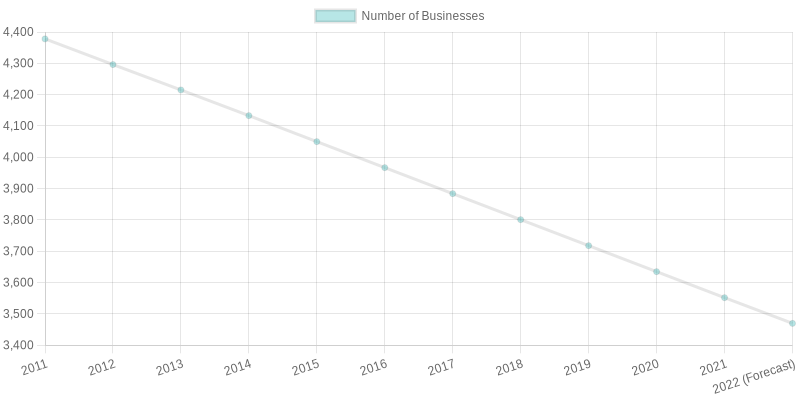
Recent statistics indicate a fluctuating yet notable popularity of buffet dining in the restaurant industry. According to Statista, the number of buffet restaurant businesses in the United States peaked at 4,378 in 2011, but has seen a gradual decline to 3,552 by 2021. The forecast for 2022 predicts a further reduction to 3,470 businesses. This data illustrates a retreat in the industry size, potentially influenced by changing consumer habits and preferences over the years.
Despite the number of buffet outlets declining, 2023 has introduced significant shifts in buffet dining trends. A recent LinkedIn article highlighted key trends:
- Creative Menu Presentations: Buffets are increasingly focusing on visually appealing displays to enhance dining experiences.
- Technology Integration: Adopted technologies, including digital ordering and self-service kiosks, are becoming standard.
- Sustainability Efforts: Many establishments are actively reducing food waste and promoting healthier options to meet consumer demands for balanced meals.
- Enhanced Hygiene Practices: Post-pandemic, customers expect higher cleanliness standards, integrating touchless services and transparent cleaning protocols.
The buffet segment is adapting to ensure longevity in a competitive dining landscape, emphasizing quality, innovation, and customer satisfaction. For more on specific buffet options, check out our royal buffet locations.
Optimizing Buffet Operations for Profitability
Running a successful buffet restaurant requires strategic planning to maximize profitability while minimizing waste. Here are effective strategies that restaurant owners can implement to enhance their buffet operations:
1. Demand Forecasting
Utilizing historical sales data and trends enables restaurant owners to predict customer demand accurately. This strategy helps prepare the right amount of food, substantially reducing overproduction and spoilage. With effective demand forecasting, restaurants can see a reduction in food waste of up to 25%, leading to profit margins increasing by 10-15%.
2. Portion Control
Implementing portion control is crucial for minimizing food waste. Standardizing serving sizes through cups or pre-portioned trays ensures consistency and reduces excess consumption. By doing so, establishments can reduce food costs by 8-12%, managing yields more effectively.
3. Menu Design
An intelligently crafted menu can have a significant impact. Buffet offerings should focus on high-margin items that incur less waste. By incorporating lower-risk dishes and using visual cues to highlight profitable items, restaurants can potentially increase average ticket values by 5-7% and reduce waste by as much as 20%.
4. Staff Training
Educating staff on waste monitoring and efficient food replenishment practices fosters a culture of awareness. Training staff to encourage customers to use smaller plates can decrease plate waste by 30% and improve overall efficiency by 15%.
5. Dynamic Pricing and Incentives
Set up time-based pricing or meal completion discounts to stimulate customer turnover during peak and off-peak hours. Such incentives can elevate customer turnover rates by 20-25% and increase revenue per seat hour by 12%.
6. Real-Time Monitoring Systems
Utilizing digital dashboards helps track food consumption and labor hours in real-time. These advanced systems enable restaurants to make immediate adjustments, improving operational efficiency by 30% and significantly reducing waste-related losses by up to 40%.
Implementing these strategies not only helps in cutting down unnecessary costs but can also elevate customer satisfaction and dining experiences. For further insights into buffet operations, check out Royal Buffet’s offerings for inspiration.
Buffet Profitability Overview
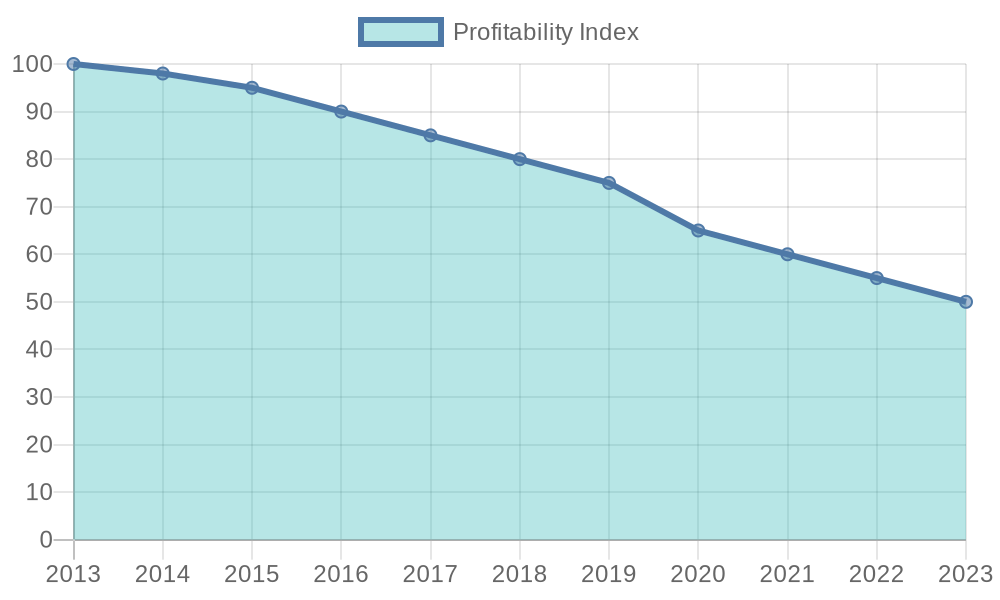
This chart illustrates the profitability trends of buffet restaurants from 2013 to 2023. Over the past decade, buffets have faced increasing challenges due to economic factors like rising food and labor costs, along with shifts in consumer preferences.
Chart: Profitability Trends of Buffet Restaurants (2013-2023)
Key Findings:
- Profitability Decline: The profitability index has consistently dropped since 2013, now at 50% of its original value.
- Food Inflation: A staggering 47% increase in food costs since 2013.
- Labor Costs: Labor expenses have risen by approximately 35% over the decade.
- Customer Traffic: There has been a significant decline in customer traffic, down 15% on average.
- Chain Closures: More than 35 major buffet chain locations were closed in 2023 alone, reflecting the ongoing struggles within this dining format.
Shifting consumer preferences towards healthier, localized options have contributed to these trends. For more information about launching a successful buffet concept, learn more about our approach.
Case Study: The Royal Buffet in Findlay, Ohio
Introduction
Buffet-style restaurants have become increasingly popular, drawing in customers with diverse food options and a communal dining experience. One prominent example is the Royal Buffet in Findlay, Ohio, which has achieved remarkable success in this competitive industry. This case study explores its operations, financial metrics, customer demographics, and unique selling propositions (USP).
Financial Metrics
According to Restaurant Hospitality Magazine, Royal Buffet operates at an impressive level within the buffet market. Key financial highlights include:
- Average Annual Revenue: Approximately $2.1 million.
- Net Profit Margin: Ranges from 6% to 8%, indicating solid management of costs and pricing strategies.
- Customer Average Spend: Around $15.50 per person, making it accessible for a wide range of customers.
- Growth Rate: The restaurant has seen a consistent annual growth rate of about 3% over the last three years.
Customer Demographics
The demographic landscape for Royal Buffet customers is diverse but primarily includes:
- Families: Families with children aged 6 to 14 make up about 60% of the weekday clientele, seeking variety and affordability.
- Younger Adults: On weekends, a significant portion of patrons-over 40%-are adults aged 25 to 45 looking for engaging dining experiences.
- Business Meetings: Approximately 20% of the customer base consists of business professionals hosting casual meetings or gatherings.
These insights align with findings from the National Restaurant Association, which highlights a similar demographic profile across the buffet industry.
Unique Selling Propositions
Royal Buffet distinguishes itself from competitors through a set of unique offerings:
- Diverse Menu: Featuring a wide assortment of cuisines, including Asian, Italian, and American dishes, catering to various tastes.
- Live Cooking Stations: This allows customers to see their food prepared fresh, enhancing the dining experience and providing an interactive element that appeals to both children and adults.
- Themed Nights: Specials like ‘Taste of Mexico’ and ‘Italian Feast’ attract repeat customers looking for new experiences.
- Loyalty Programs: A loyalty card program that rewards regular patrons with discounts and free meals after a certain number of visits.
Conclusion
The success of Royal Buffet in Findlay, Ohio, can be attributed to its effective combination of appealing menu options, innovative experiences, and strong customer engagement strategies. Financially, it has managed to maintain a healthy profit margin and consistent growth, despite the challenges posed by rising food and labor costs in the restaurant industry. For business owners looking to understand the dynamics of buffet restaurants, Royal Buffet serves as a prime example of how to innovate and thrive in a competitive marketplace.
Conclusion
In conclusion, restaurant buffets can indeed be a lucrative model for business owners when well-managed. With the potential for gross margins of 65-75%, which far surpasses traditional dining options, the buffet format enables owners to serve a larger volume of customers at a lower per-item price. Factors like minimizing waste through strategic food choices and controlling portion sizes are critical in ensuring profitability. Moreover, by implementing effective operational controls, such as waste management and plate fees, buffets can address common challenges while enhancing their bottom line.
If you are a business owner considering entering the buffet market, remember that this model not only caters to diverse customer needs but also significantly reduces labor costs while increasing service efficiency. Don’t miss the opportunity to expand your business potential by incorporating a buffet option. If you’re interested in learning how to set up or optimize a buffet in your restaurant, contact us today to discuss your needs and explore the possibilities for your establishment. Let’s make your buffet dreams a reality!