
Buffet restaurants attract diners with a promise of endless choices, yet this abundance can lead to significant food waste. Managing leftover food is essential not only for operational efficiency but also for complying with regulations and promoting sustainability. In this exploration, we will discuss how buffet restaurants proactively prevent waste, encourage consumer responsibility to combat leftovers, and navigate regulatory measures impacting leftover food management. Each chapter offers insights into best practices that can guide business owners in reducing waste while enhancing customer satisfaction.
Culinary Conservation: Mastering Buffet Waste Reduction Strategies
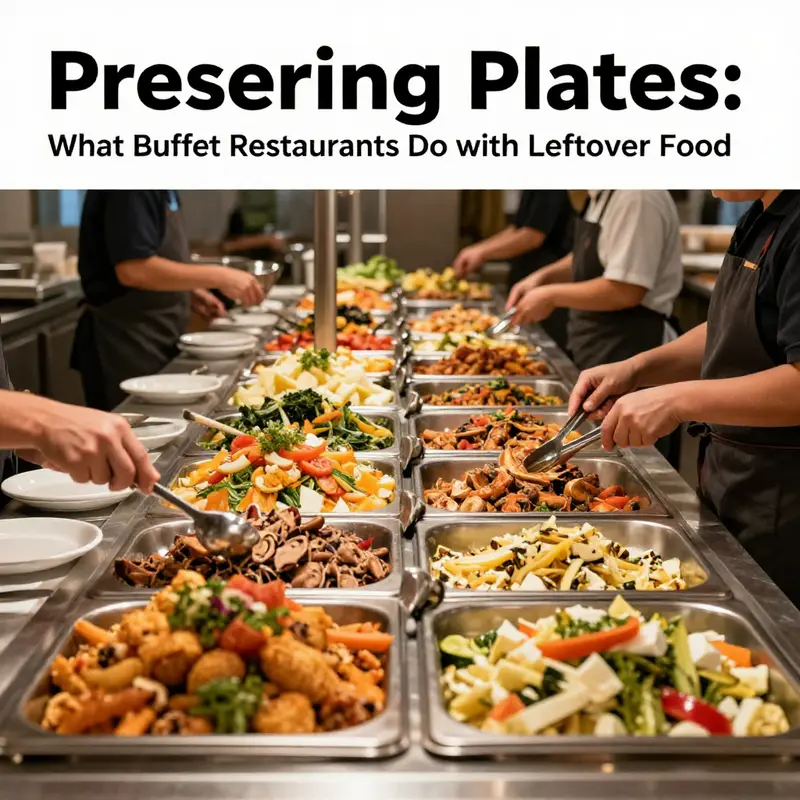
Buffet restaurants face a unique challenge that blends hospitality with environmental responsibility. They transform what many consider excess into opportunities for sustainability and resourcefulness. By carefully managing leftover food, these establishments demonstrate that every element of a meal, from preparation to plate, carries the potential to contribute to a greener future. Through strategies that range from dynamic portioning to innovative technology, buffet operators have developed a comprehensive approach that minimizes waste and maximizes efficiency.
The core of this approach begins with a commitment to prevention. Food waste is not simply an accidental by-product of service; it is something that can be systematically reduced with thoughtful planning. Buffet restaurants refine their menus by evaluating consumption trends and ordering ingredients in precise quantities, ensuring that only the necessary amount of food is prepared. This level of planning requires detailed observation of customer behavior and consumption patterns. As a result, establishments recalibrate offerings throughout the day so that the displayed food matches real-time demand. This practice, known as dynamic portioning, is a critical component in reducing the volume of unserved food that would otherwise be discarded.
Dynamic portioning goes hand in hand with vigilant staff monitoring. Attentive employees serve as both servers and stewards of the buffet line. They are trained to gauge when a patron may be tempted to overload their plate and gently remind them to consider a measured selection. Staff members also monitor the buffet table itself, adjusting the replenishment schedule to ensure that there is no excessive preparation of items that may linger uneaten. The subtle intervention by staff supports a culture of mindfulness, where customers learn to take only what they intend to finish, thus keeping waste to a minimum.
Embracing modern technology is another pivotal strategy in this ecosystem. Many buffet establishments now rely on digital dashboards that offer real-time tracking of food consumption and waste levels. These tools provide managers with valuable insights, allowing them to forecast demand with greater accuracy. When alerts signal a potential surplus, production can be scaled back immediately, reducing the likelihood of overflowing trays and tables laden with uneaten fare. Technology drives smarter decisions in food preparation, ensuring that the amount of food made available aligns with both customer needs and sustainability goals.
Beyond these operational strategies, many buffet restaurants have also instituted incentive programs to encourage responsible dining habits. Some venues reward customers for finishing their plates with small discounts or loyalty points, subtly shifting the focus from abundance to appreciation. These initiatives work to foster a culture where mindful consumption is celebrated rather than frowned upon. The incorporation of these incentive schemes not only nurtures customer behavior but also reinforces the restaurant’s dedication to sustainable practices. In doing so, the entire experience becomes part of a larger narrative that values resource management and communal well-being.
Community engagement also plays an essential role in mitigating food waste. Recognizing that not all surplus food can be consumed on the premises, many restaurants have built strong partnerships with local food banks and charities. Through careful quality assessments, surplus food that remains safe for consumption is donated to those in need. This practice not only helps to feed vulnerable populations but also ensures that excess resources are directed towards a beneficial cause rather than filling landfill sites. Similarly, items that cannot be redistributed are diverted to composting facilities or converted into animal feed, creating a cycle in which every morsel finds a new purpose.
In several regions, regulatory frameworks further encourage food waste reduction. For instance, in areas where strict anti-food waste laws are in place, policies exist to deter over-servicing. Customers who leave excessive amounts of food behind may incur a disposal fee, a measure that promotes disciplined ordering and consumption. Such policies, while seemingly strict, help to underline the importance of every bite and remind diners that overindulgence has tangible consequences. This blend of policy, education, and operational finesse makes the overall strategy all the more robust and effective.
At the heart of these efforts is an integrated system that captures every stage of the buffet process. From the initial order of ingredients to the final act of plate clearing, each step is scrutinized for potential waste. The technology employed not only tracks inventory but also monitors the pace at which food is consumed. This information is critical in adjusting the flow of the buffet line, ensuring that plates are replenished only as needed. In effect, the restaurant transforms potential waste into a valuable insight mechanism that continuously optimizes operations.
Education is inherent in every facet of this comprehensive strategy. Both staff and customers are informed about the importance of minimizing waste. Staff training emphasizes a proactive approach, with employees encouraged to offer gentle reminders and provide suggestions on portion control. Meanwhile, diners benefit from subtle cues strategically placed around the dining area that promote the idea of taking only what can be consumed. By instilling these values in everyone who interacts with the buffet, the establishment builds a community of participants who are mindful of their consumption and the broader impact it can have.
The practical results of these combined strategies are profound. Operational costs are reduced and food quality is maintained, while the environmental footprint of the restaurant is simultaneously minimized. The integration of these measures has transformed the way buffet restaurants operate, turning a potential source of waste into a model of sustainability. Each element—dynamic portioning, staff monitoring, technological innovation, incentive programs, and charitable partnerships—contributes to a finely tuned process that safeguards both resources and the environment.
Moreover, the ongoing evolution of these practices indicates that the industry is not resting on its laurels. Continual adjustments based on customer feedback, advancements in technology, and changes in regulatory requirements ensure that buffet restaurants remain agile and innovative. The combined effect of these efforts is a dynamic ecosystem where waste is minimized, customer satisfaction is upheld, and the community benefits. For those interested in a deeper exploration of these strategies, further insights are available in buffet menu insights.
Ultimately, buffet restaurants illustrate that food waste can be addressed successfully through foresight, technology, and community-minded practices. The strategies deployed in these settings reflect a broader commitment to sustainability and responsibility. Every portion managed responsibly adds up to a larger, positive impact on the environment. By converting excess food into an asset for both business and community, they set a benchmark for efficiency and ethical resource use. For more detailed research on these sustainable practices, readers can refer to this study.
Encouraging Accountability: How Buffet Strategies Transform Leftovers into Responsibility
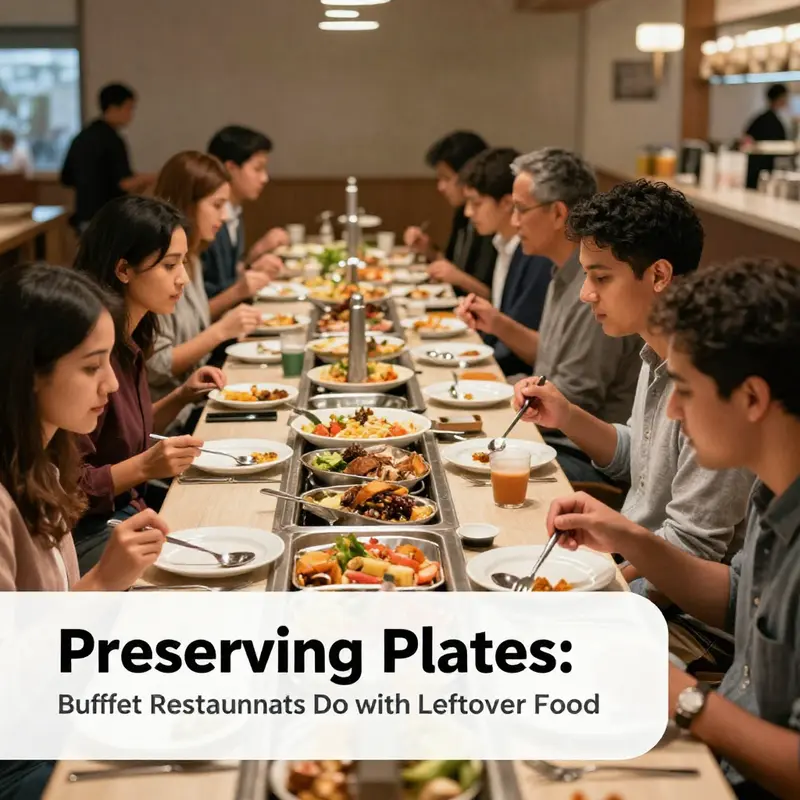
Buffet restaurants have long been known for their generous spread and indulgent abundance, yet they also face the challenge of substantial leftover food. In recent years, these establishments have embraced a series of innovative strategies aimed at reducing waste and fostering consumer responsibility. The focus is on not only offering a delightful dining experience but also instilling an ethos of mindful consumption that curtails waste and supports sustainability. This approach represents a thoughtful transformation of a once-common practice into a model of environmental sensitivity and accountability.
Central to this transformation is the idea of prevention. Rather than dealing with waste after it has been generated, buffet managers are rethinking how food is displayed and portioned. They now carefully plan menus and order ingredients with precision to avoid overproduction. By limiting the quantity of food available at any given time, patrons are gently encouraged to take only what they think they will eat. This careful orchestration reduces plate waste and minimizes the surplus that eventually needs disposal. Some restaurants even employ staff to engage with diners when it appears that an excessive amount of food is being taken at once, offering polite reminders of the restaurant’s commitment to combating waste.
This approach is closely tied to a growing emphasis on consumer responsibility. Diners are increasingly aware that their choices directly affect both the environment and the economics of running a buffet restaurant. Many restaurants now implement programs that reward customers who finish everything on their plate. These rewards can come in the form of discounts or even free meals after a number of completed visits. This method leverages the power of behavioral nudges—small incentives and moral persuasion that significantly reduce waste. The restaurant’s physical environment, which often includes signs urging guests to finish their meals, helps reinforce the message. This subtle shift in presentation transforms the dining experience, instilling in customers a sense of personal accountability for the food they consume.
In regions like China, this drive toward responsible consumption has been further bolstered by government regulations and public campaigns. The Chinese government introduced the Anti-Food Waste Law to help curb waste and encourage mindful practices among both restaurants and consumers. The law empowers buffet restaurants to charge extra fees for significant food waste, provided these fees are clearly communicated to customers. This policy serves as a financial incentive for diners to take only what they can eat. Additionally, public campaigns, such as the widely recognized “Clean Your Plate” initiative, have been successful in altering public attitudes toward food. Such measures underscore the importance of every bite and highlight the environmental cost of wasteful practices.
Beyond onsite efforts, many buffet restaurants also adopt creative measures to repurpose food that would otherwise be discarded. Food that is safe and edible but unsold is often donated to charities, food banks, and shelters. This form of donation not only addresses food insecurity in local communities but also gives surplus food a new lease on life. In cases where food cannot be donated, recycling programs and composting take center stage. These initiatives ensure that even inedible leftovers are transformed into useful assets such as organic fertilizer. Changing the perspective from wasteful discard to resource recovery frames leftover food as a component of a larger, sustainable cycle.
The operational challenges in managing leftover food go hand in hand with a broader commitment to environmental sustainability. Buffet restaurants are more than just places to eat; they are becoming hubs for sustainability where both management and patrons engage in practices that reduce waste. For instance, the display of food in carefully portioned quantities not only prevents excess but also allows diners to sample multiple dishes without feeling obliged to fully consume large portions. This strategy helps minimize the chance of leftovers and promotes a balanced consumption pattern. Some restaurants have even redesigned their buffet layout and serving procedures to naturally promote smaller servings.
Another key element is communication. Transparent communication about food management practices is crucial to securing consumer trust and cooperation. When guests understand that their behavior impacts a broader sustainability initiative, they are more inclined to respect the restaurant’s guidelines. The message is clearly articulated: every plate matters. This message is often echoed in the restaurant’s decor and marketing materials, reinforcing the link between good eating habits and the ethical use of food resources. In one notable example, diners are invited to review a digital display that explains how food waste is turned into beneficial products like compost, thereby closing the loop on resource use.
Innovative strategies are also evident in how some restaurants tackle the psychological aspect of overeating. By offering rewards to customers who demonstrate restraint and mindfulness, these establishments shift the focus from mere abundance to quality of consumption. The simple act of finishing a plate can now signal a conscientious decision, aligning individual behavior with larger environmental goals. The interplay of incentives, gentle reminders, and carefully designed food presentations reveals a sophisticated approach to an age-old problem. It shows that even something as transient as a plate of food can be reimagined as an opportunity for environmental stewardship and personal accountability.
This commitment to reducing waste extends into every facet of the buffet experience. Whether it is revising the buffet display to encourage multiple, smaller servings or designing promotions that directly reward consumers for mindful eating, buffet restaurants are rebalancing the scales between indulgence and responsibility. For example, a few establishments now invite guests to explore their extensive selection through carefully curated portions that change throughout the meal, thus ensuring that diners only take as much as they need. This thoughtful approach is part of a broader movement to transform how society thinks about food waste in an era of heightened environmental awareness. For a comprehensive look at buffet display strategies and menu planning, you can explore insights on various buffet options from this detailed discussion on buffet menu options.
Ultimately, these multi-faceted strategies represent a powerful evolution in the role of buffet restaurants. They have moved beyond the simple aim of providing abundant food and now prioritize sustainability, responsible dining, and resource efficiency. This integrated approach transforms food consumption into a shared responsibility between the establishment and its patrons. Through innovative menu planning, consumer incentives, government policies, and robust recycling practices, buffet restaurants are redefining how leftover food is managed. Each bite taken is part of a broader narrative that seeks to ensure food is consumed thoughtfully, echoing the values of both environmental stewardship and personal accountability.
The drive to reduce food waste is no longer seen as a compromise or an inconvenience; instead, it is celebrated as a crucial element in a sustainable dining future. With every step taken—be it through tailored portion sizes, rewarding mindful eating, or implementing legislative guidelines—buffet restaurants are gradually transforming leftover food management from a common issue into an exemplar of responsible business practices. This transformative journey, rooted in simple yet effective practices, highlights the collective power of informed consumer choices and proactive operational strategies. It also reflects the wider shift toward environmental conscientiousness that is emerging within the global food industry. For further reading on how behavioral strategies reduce waste, please refer to this study from PMC.
Navigating Legal Terrain: How Regulations Shape Leftover Food Practices at Buffet Restaurants

Buffet restaurants have long been associated with abundance and variety, yet their operational strategies are increasingly influenced by a growing emphasis on sustainability and legal mandates. In recent years, regulatory measures have emerged as a central force driving these establishments to rethink their approach to leftover food, balancing the need for diverse offerings with the imperative to reduce waste and comply with increasingly stringent food waste policies. These measures, often introduced by local or provincial governments, are not intended to stifle culinary creativity but to encourage more mindful consumption and responsible management of food resources.
At the heart of these regulatory initiatives is the aim to curb waste before it occurs. By addressing the problem at its source, authorities hope to motivate buffet operators to adopt more efficient practices in menu planning and ingredient purchasing. For example, the Shandong provincial government introduced laws in 2020 designed to limit food waste at large-scale dining events. Such measures pressure establishments to forecast demand with greater accuracy and prepare only what is likely to be consumed. As a result, buffet restaurants are compelled to adopt proactive strategies that range from precise inventory management to more accurate staff training, ensuring that each preparatory step reflects the overarching mandate of reducing surplus.
This shift in operational philosophy has led to innovative practices that align closely with the spirit of the law. Rather than simply discarding uneaten food, many buffets now invest in systems that repurpose leftover items. Unused proteins, for example, are transformed into entirely new dishes—an approach that not only mitigates waste but also offers patrons a fresh culinary experience. Restaurants have begun to experiment with creative recipes, turning leftover chicken into a fragrant Thai curry or converting bits of beef into internationally inspired dishes such as Korean bulgogi. These initiatives underscore a broader narrative: that legal regulations, even when primarily focused on environmental and waste issues, can serve as catalysts for culinary innovation.
In addition to internal recipe reinvention, regulatory frameworks have encouraged buffet establishments to make responsible decisions regarding surplus food. One effective method that has gained traction is the donation of edible leftovers to local charities or food banks. This practice not only addresses food insecurity in the community but also helps restaurants manage waste in a way that is consistent with legal expectations. Rather than contributing to environmental degradation, careful food donation practices ensure that nutritious meals are provided to those in need, thus fulfilling both ethical and regulatory mandates. The donation process is often supported by comprehensive guidelines developed by public agencies, creating a robust safety net that ensures donated food is handled appropriately and reaches its intended recipients.
Beyond donation, the conversion of leftover food into compost is another strategy that has been steadily adopted by buffet operators under the influence of relevant laws. By diverting organic waste to composting facilities, restaurants contribute to a circular economy where food waste is transformed into useful products like fertilizer. This process not only reduces the environmental footprint of dining establishments but also helps local agricultural efforts. The composting practice is symbolically significant as it embodies the transformation of potential waste into new life, mirroring the legislative intent of sustainability and resource efficiency. In many ways, these practices illustrate how legal imperatives can lead to a more sustainable integration of food operations with environmental stewardship.
A notable dimension of regulatory impact is the way these measures reinforce consumer behavior changes. In regions where laws enforce penalties for excessive waste—such as charging a fee for food that remains uneaten—patrons are encouraged to be more selective with their servings. This financial deterrent subtly shifts the cultural norms surrounding buffet dining. Customers, aware of the possibility of incurring a cost for waste, tend to take only what they can readily consume. This change in behavior complements the operational changes on the kitchen side: what is taken is less likely to end up as waste, and surplus food is better managed or redirected through donation or repurposing. The interplay of legal incentives with consumer behavior ultimately drives both sides of the buffet experience towards greater efficiency.
These regulatory influences extend beyond the borders of individual establishments and are supported by a broader awareness initiative. Organizations and government agencies have joined forces to provide resources and recommendations for minimizing food waste in large-scale food services. One notable example is the comprehensive guidance offered by WRAP’s guidelines on food waste, which serves as a valuable resource for restaurateurs and policymakers alike. Such external sources of knowledge reinforce the practical implications of the law, offering real-world strategies that make it easier for buffet restaurants to adjust their operations in line with current environmental and legal standards.
Within the restaurant industry, the drive toward waste reduction can also influence the design and presentation of buffet services. Some dining establishments have redesigned their buffet layouts to better control serving sizes and minimize food left on plates. This careful orchestration of the dining environment ensures that customers are both aware of and aligned with the goal of reducing waste. It is not uncommon to see buffet restaurants that showcase a smaller, frequently replenished display of dishes rather than keeping large quantities of food on display at all times. By doing so, these establishments visually signal a commitment to waste reduction while also facilitating better portion control. Additionally, some restaurants offer a digital interface that allows patrons to see real-time information about dishes that are being refreshed, subtly reinforcing the idea that every serving is meticulously measured and planned.
Regulatory measures have thus ushered in a new era for buffet restaurants, one in which careful planning, consumer cooperation, and innovative repurposing of leftovers become integral parts of daily operations. The impact of these laws reaches far beyond the simple mandate to reduce waste; they are transforming how the industry approaches food management and customer service. One might say that the legal framework has redefined what it means to dine responsibly in a buffet setting. For patrons seeking a dining experience that marries variety with environmental responsibility, these fresh practices offer a reassuring message: that sustainability and culinary delight can go hand in hand. Furthermore, when exploring a comprehensive buffet menu, one is likely to find evidence of these innovations, as each dish reflects a commitment to both flavor and efficient resource use.
In conclusion, the impact of regulations on buffet restaurants is both profound and far-reaching. These rules, while primarily aimed at reducing food waste, have given rise to a host of practices that underscore innovation, community support, and environmental care. As the legal landscape continues to evolve, one thing remains clear: the integration of regulatory requirements with operational practices not only aids in waste reduction but also paves the way for a more sustainable and resource-efficient industry.
Final thoughts
Buffet restaurants face unique challenges when it comes to managing leftover food. By implementing strategic waste prevention methods, fostering consumer responsibility, and adhering to legal regulations, these establishments can significantly reduce food waste while promoting a culture of sustainability. Business owners should embrace these practices not just to comply with regulations, but to also enhance their brand reputation and customer satisfaction. Ultimately, the effective management of leftover food reflects a restaurant’s commitment to both quality dining experiences and social responsibility.