
Opening a buffet-style restaurant requires a strategic approach that integrates market research, location selection, menu planning, and food quality. Entrepreneurs must delve into the preferences and habits of their target market while identifying the right locale to maximize foot traffic. Equally important is creating a diverse menu that appeals to a wide audience, ensuring dishes are not only flavorful but also visually captivating. This guide explores two critical chapters: the significance of market research and location selection, followed by effective menu planning and food quality strategies—each integral to the success of your buffet restaurant.
From Insight to Aisle: Market Research and Location Strategy for a Buffet-Style Restaurant
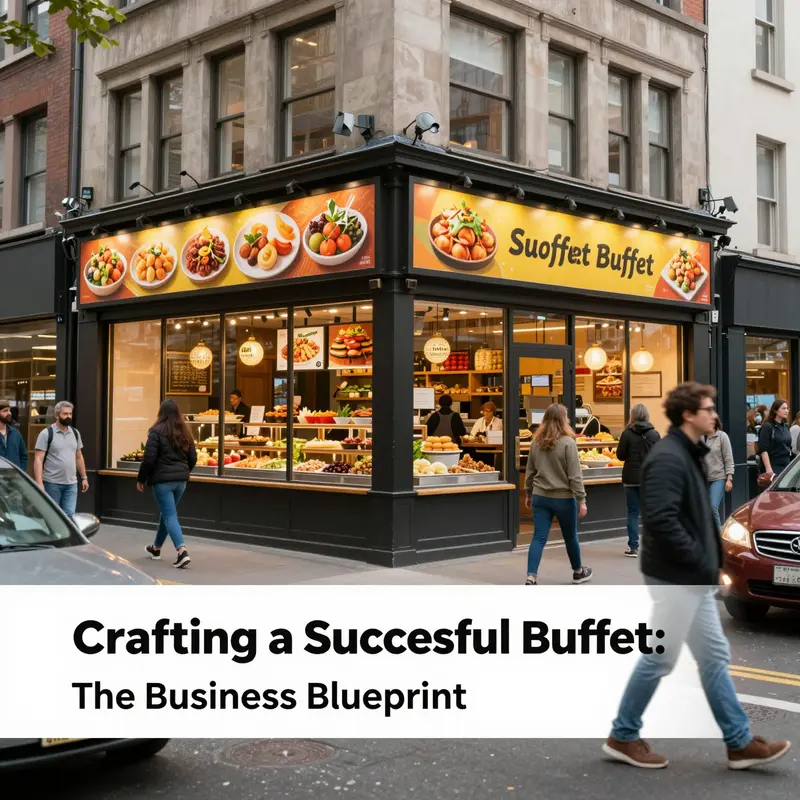
A buffet-style restaurant lives and dies on the invisible threads between what people want, where they live, and how they move through a city day after day. Market research isn’t a dusty preliminary; it is the compass that points a concept toward the right audience, the right neighborhood, and the right pace of service. The most successful buffet ideas recognize that the appeal of endless variety and accessible pricing depends as much on who sits at the table as on what hot dishes fill the steam table. In practice, that means translating data about local appetite, income, family structure, and lifestyle into a concept that can be executed with consistency, efficiency, and a compelling sense of place. The result is not a blind bet on foot traffic but a deliberate alignment of concept, location, and guest expectations that forms the backbone of a profitable operation.
Market research for a buffet begins with demand and ends with differentiation. Demand is not a single number to be crossed off a chart; it is a mosaic of preferences and constraints. Identify the demographic contours of the community: households with children who seek value and variety, young professionals craving quick yet satisfying meals, seniors looking for comfort and familiar flavors, and wellness-minded individuals who monitor fat, sugar, and salt without sacrificing flavor. The trend toward healthier options is not a passing phase. It is a signal that a buffet can be resilient if it blends abundance with transparency: fresh salads and grilled proteins alongside curated hot dishes, clearly labeled for vegetarian, vegan, gluten-free, and allergy-friendly needs. On the other hand, some markets favor a high-velocity, culinary-innovation approach—rotating offerings, chef-driven demonstrations, or theme nights that keep the menu exciting without forcing guests to confront repetitive choices.
Competitive intelligence should map both direct and indirect competitors. What do nearby buffets, casual dining spots, and quick-service concepts deliver in terms of price, speed, and variety? Where do gaps appear in service quality or dietary options? In some regions, a buffet can thrive by offering a health-forward or culturally diverse lineup, while in others, the opportunity lies in a broader family-friendly appeal or a premium experience with refined presentation and service. The key is not to imitate a model but to identify a differentiator that your operations can consistently realize. For example, a market that values clarity around nutrition information is more receptive to menus with transparent labeling and measured portion guidance than one that prizes sheer abundance. A locale that prizes experiential dining may respond well to themed stations, interactive elements, or live cooking experiences that elevate the visit beyond a simple plate of food.
To connect insight with action, it helps to translate data into a concept map that anchors your decision-making. Start with a core offering that mirrors local demand and then layer on extensions—seasonal rotations, kid-friendly sections, dietary accommodations, and a sub-brand or lighting and décor cues that communicate your concept at a glance. The map should highlight where the concept can scale: how often you can refresh dishes without driving up labor costs, how to source ingredients that support a health-forward narrative without compromising flavor, and how a pricing strategy can balance guest expectations with sustainable margins. A robust market assessment also anticipates volatility—seasonal tourism, economic shifts, or changes in commuting patterns—and builds contingency into the menu and staffing plans.
A crucial thread in market research is the story of location. Location is less about a busy map pin and more about how a space supports the journey of the guest from arrival to departure. The goal is to maximize visibility, accessibility, and comfort, while ensuring the footprint supports a smooth flow of guests through the buffet line, the dining room, and the re-entry to the parking lot. High-traffic commercial corridors, shopping centers, near universities with student-friendly pricing, or dense residential clusters are all viable starting points. Yet the best site for your concept is not simply the one with the most bodies but the one whose daily rhythms align with your peak service times and your branding. A sleek, modern buffet designed for quick turnover might thrive near office zones with a lunch crowd, while a warm, family-oriented concept with a generous seating plan could perform well in a mixed-use development with weekend family traffic.
Accessibility is a practical and strategic tool. Proximity to public transit, parking availability, and even pedestrian safety influence whether families, seniors, or students choose your venue for a midweek dinner or a weekend celebration. But accessibility extends beyond physical ease. It includes the cognitive ease of finding the restaurant, comprehension of the concept from signage, menu boards, and online presence, and the comfort level guests feel once inside. A clear, well-lit path from the entrance to the central buffet island (a design choice that supports visibility and service flow) can significantly affect perception of value and control over the dining experience. It is not just about moving bodies through space, but about orchestrating a guest’s experience so that every touchpoint reinforces the promise of variety, freshness, and value.
Alongside these practicalities, location should harmonize with a brand’s story and the desired guest journey. A health-forward concept may benefit from a neighborhood with gym culture, wellness clinics, or co-working spaces that attract health-conscious diners during lunch and after-work hours. A family-friendly theme benefits from proximity to schools, parks, theaters, or family-centric retail centers where parents plan meals around activities. A more premium or premium-ish buffet demands a setting that communicates quality and care in every detail—soft lighting, refined tableware, and a layout that invites extended dining experiences. The alignment between brand narrative and the chosen place matters because a mismatch can undermine even the most thoughtful menu and exceptional service.
Real-world benchmarks—though not named here—offer a compass rather than a blueprint. Across markets, the best-performing concepts often exhibit two shared traits: they understand what their guests value beyond the plate, and they choose a locale that amplifies that value. Experiential elements, whether they are live cooking, rotating regional stations, or a wellness-forward station with nutritionally labeled options, can become pivotal differentiators when they are aligned with the expectations of the surrounding community. Conversely, in markets where guests prize speed and predictability, the operating model must lean into efficiency—streamlined layout, precise portion control, and reliable replenishment so lines stay short and guests feel they got a fair slice of variety for the price they paid.
The practical next step is to ground these insights in a structured, action-oriented plan. Begin with a market due diligence phase that crystallizes the target guest profile, quantifies potential demand, and benchmarks competitive offerings. Then translate those findings into site criteria that guide property search, lease negotiations, and fit-out decisions. A coherent approach ensures the concept you launch has a clear positioning in the market and a space that supports the guest’s preferred rhythm of dining. It also makes it easier to communicate with lenders, investors, and suppliers who seek evidence of a thoughtful path to profitability. For readers curious about how successful footprints unfold in real-world terms, a case study of established buffet footprints can provide context; see the practical example page dedicated to locations for reference, which can serve as a starting point for evaluating market viability and site suitability. (Internally, you may explore related content at the discussion hub for locations: royal-buffet-locations.)
Ultimately, market research and location selection are inseparable partners in the recipe for a successful buffet. You cannot optimize the guest experience without understanding who your guests are and what they want to consume in a given context. You cannot choose a space without knowing how the space will support a guest’s path from first impression to last bite. And you cannot sustain profitability without aligning menu design, staffing model, and marketing with the realities of the place you inhabit. The best operators treat market research not as a one-time study but as a living discipline—an ongoing dialogue with neighborhoods, seasons, and shifting consumer preferences. In this sense, the buffet concept becomes not just a menu but a perimeter of value around which a community chooses to gather for meals, celebrations, and everyday meals.
For deeper exploration into design principles and how real-world spaces shape guest perception, see the external resource linked here. It offers further thinking on how space, light, and arrangement influence dining choices and the perceived value of a buffet experience: https://zhuanlan.zhihu.com/p/589847059.
Freshness, Flavor, and the Flow: Mastering Menu Planning in a Buffet-Style Restaurant
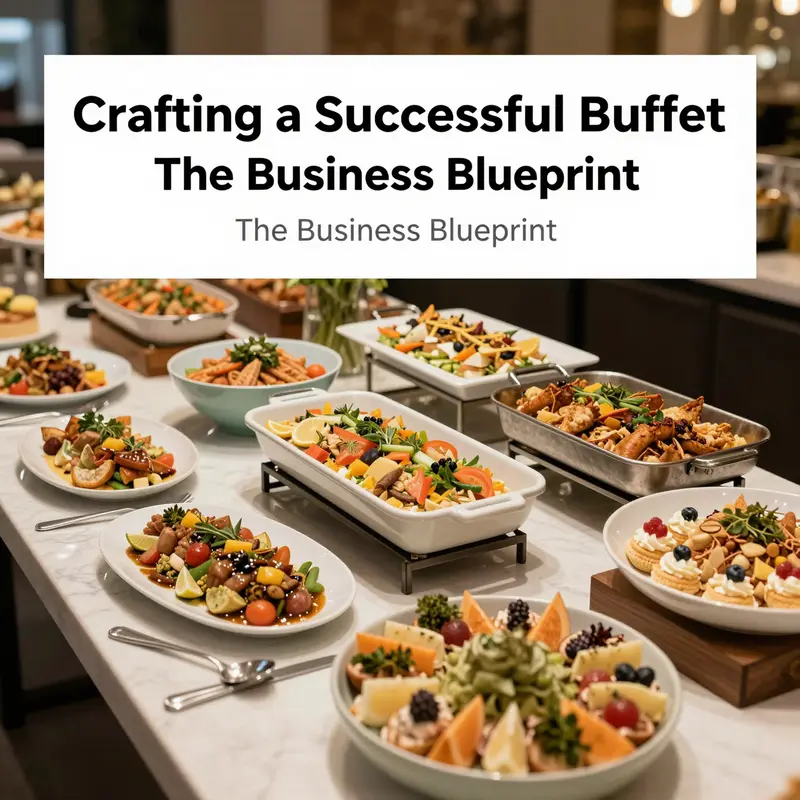
Menu planning and food quality sit at the heart of a buffet’s promise. They are not separate gears but two sides of the same coin, each amplifying the other. The concept you present on the floor—your theme, your dishes, your pacing—only travels as far as the plates that reach each guest. In practice, this means treating the menu as a living system: a dynamic balance of demand forecasting, seasonal variation, cost control, and, above all, uncompromising freshness. When guests linger, return, or recommend a buffet, they are responding to a subtle orchestration of ingredients, textures, and presentation that starts long before the first scoop is served and ends long after the last bite is taken. A careful, integrated approach to planning and execution turns a buffet concept from a decent meal into a memorable dining experience.
A foundational insight guiding this approach comes from a study released on June 15, 2022, which identifies food freshness as the most important determinant of guest satisfaction in buffet settings. Following freshness, guests weigh flavor and plating presentation. This hierarchy of factors matters in every decision, from supplier selection to how food is displayed and replenished. Fresh ingredients are not a nice-to-have; they are the baseline. If the core component of a dish—its base ingredient—lacks vibrancy, no amount of garnish or clever layout will salvage the guest experience. The implication is clear: a successful buffet must build freshness into its design from the outset.
What does this mean in concrete terms? It starts with the menu itself. Rather than chasing trend alone, the menu should anchor itself in reliability and freshness, while still offering variety that keeps guests curious. A practical strategy is to design around high-turnover items that stay consistently fresh with minimal waste. This requires meticulous forecasting: estimating how many portions will be needed for each dish, across lunch and dinner, weekends and weekdays, and adapting to holidays or local events. The objective is not to maximize variety at the expense of quality. It is to secure a dependable core of dishes that consistently arrive at the table in peak condition while still allowing room for seasonal changes and limited-time offerings that spark excitement.
The planning begins with understanding demand. A well-designed buffet does not try to serve every possible cuisine in every meal. Instead, it emphasizes a core set of dishes that align with the theme and the guests’ expectations, paired with tasteful rotations. To control waste, you forecast ingredient usage, not just menu items. For example, if a guest profile skews toward lighter, healthier options, you’ll need to weigh portions and replenish more frequently for salads, grilled proteins, and fresh vegetables. If comfort-food classics draw crowds at certain hours, you’ll adjust the hot stations accordingly. The mathematics of this planning—capacity, turnover, and yield—drives the operational tempo, from the kitchen line to the dining room.
A robust menu also respects dietary diversity. Freshness is not only about the primary protein or starch; it includes vegetables, grains, legumes, and whole-food ingredients that cater to vegetarian, vegan, and allergy-conscious guests. The current landscape rewards transparency and adaptability: menus should indicate allergens and offer clearly labeled options. By integrating these elements, you reduce the risk of cross-contact and disappointment, even as the buffet evolves with the seasons.
Rotating seasonal items is one of the most effective levers for maintaining excitement without compromising freshness. The objective is not simply to appear dynamic; it is to preserve the integrity of every dish amid shifting supply. Seasonal rotation creates a narrative for guests, a reason to return, and a method to manage costs by aligning procurement with harvest cycles. When redesigned thoughtfully, a seasonal initiative can enhance perceived value without inflating prices. This requires close collaboration between procurement, the kitchen, and the service team so that each transition is smooth and predictable for guests.
In a well-tuned buffet, the physical layout reinforces the menu’s intentions. Flow matters as much as flavor. Guests should move naturally from appetizers to main courses and then to desserts, with each zone designed for quick access and minimal crowding. The central serving island, a staple in many successful layouts, provides visibility and accessibility from all seating areas. It becomes a hub where staff can monitor queues, replenish stations, and guide guests toward hidden gems or newly introduced dishes. The arrangement should also respect safety and hygiene, ensuring raw-to-cooked cross-contact risks are mitigated through thoughtful station zoning and separate utensils.
A set of layout principles—often summarized in design guides as eight-four and eight-five principles in buffet context—emphasizes the balance between operational efficiency and visual appeal. The idea is simple: create a spatial rhythm that supports the most common guest paths while maintaining a visually inviting, coherent story across stations. The cold and hot zones require distinct yet complementary strategies. Hot items stay hot through efficient heat retention and careful buffering from surrounding items that could steal heat. Cold items stay fresh with chilled display and protected serving containers, avoiding moisture buildup that dulls texture and color. The visual appeal matters, too. Bright, clean presentation with color contrasts, careful garnishing, and consistent plating height elevates the perceived quality and tempts guests to sample more widely.
In practical terms, this means planning for replenishment without interruption. A well-executed replenishment routine preserves freshness and ensures consistent portioning. Staff should be trained to act as curators at the line, not si le negotiations between kitchen and dining room. They can do this by understanding the menu deeply, recognizing which dishes are nearing peak freshness, and communicating to guests with confidence. A technique often adopted in modern buffet service—referred to in some guidelines as a Verbal Special Menu approach—encourages servers to verbally spotlight daily specials or newly added items. Rather than relying on printed notices alone, staff engage guests, giving brief descriptors that highlight sourcing, flavor profile, and suggested pairings. This simple verbal nudge increases menu utilization, boosts discovery, and reinforces the sense that the buffet is an unfolding culinary event rather than a static spread.
All of this works best when the menu plan is treated as an ongoing system rather than a one-time design. Forecasting must be paired with a live feedback loop: daily inventory checks, waste tracking, and menu performance reviews. Frequent data collection helps identify which dishes consistently meet freshness and flavor benchmarks and which items need adjustment or substitution. This is where cost control and quality management merge. Fresh ingredients can be expensive if misused, but efficient planning reduces waste and keeps costs in line with the price point you set for guests. It also supports sustainable practice, a growing expectation in dining where guests increasingly equate responsible sourcing with value.
On the sourcing side, reliability of suppliers becomes a strategic factor, not merely a logistical concern. You want partners who understand the tempo of a buffet and can deliver consistent quality in predictable quantities. Regular performance reviews—on-time delivery, freshness upon arrival, and the ability to handle last-minute changes—help ensure the kitchen can maintain its planned rotation without compromising the guest experience. At the same time, you should leverage the kitchen’s capacity for versatility. Semi-prepared ingredient kits, a common practice in scalable models, can help maintain consistency across shifts and reduce kitchen labor without sacrificing texture or taste. These kits are a practical bridge between high-volume needs and meticulous quality control.
The brand experience, too, must flow from menu and layout into service style. Staff recruitment and training become a critical investment. People chosen for the front line should embody warmth and attentiveness while possessing a solid grounding in food safety and portion control. Training should couple hygiene and safety with storytelling. Guests connect more deeply with food when servers can offer quick, confident descriptions of the dishes, the origins of ingredients, and why a particular item shines on the day it’s featured. A short, well-delivered verbal cue can transform an ordinary plate into a recommended choice, raising the likelihood that guests try a wider range of dishes and, ultimately, leave with a stronger impression of value and care.
To make the loop complete, you should provide a clear reference point where guests can explore your menu philosophy in depth. A dedicated menu page that reflects the buffet’s theme and highlights current offerings can anchor the guest journey. For a practical reference on how such a framework looks in written form, consider the Royal Buffet Menu page. It serves as a model for aligning the menu with brand identity, dietary labeling, and seasonal rotation, while remaining adaptable to local ingredient availability. See it here: Royal Buffet Menu. This page can help teams visualize how descriptive labeling, appealing imagery, and concise descriptions come together to communicate value before a guest even speaks to a server.
The holistic rhythm—the menu’s design, the physical flow, the staff’s engagement, and the quiet discipline of inventory and waste control—produces a guest experience that feels as seamless as it is rigorous. Freshness drives the initial impression; flavor and plating sustain it; and the flow keeps guests moving with comfort and curiosity. When guests sense coherence between what is promised on the menu and what arrives at the table, trust builds. Trust expands the likelihood of repeat visits, recommendations, and a broader sense of value in the buffet format.
The implications for leadership are clear. The person shaping the buffet concept must think like a conductor, coordinating suppliers, chefs, service staff, and even the interior designers who influence flow and perception. A good menu plan anticipates questions guests will ask—What’s new today? Is there a vegetarian option? How fresh is the seafood or the greens?—and provides precise, transparent answers on the plate and in the display. The kitchen, inventory control, and service crew should act in harmony, reinforcing the brand’s narrative with every plate that leaves the line. The result is a guest experience that feels both curated and responsive, designed to celebrate freshness while staying adaptable to the realities of supply, labor, and demand.
In sum, the most durable buffet strategies treat menu planning and food quality as a single, ongoing discipline. They recognize freshness as the highest shared standard, align the menu with that standard through careful forecasting and seasonal rotation, and translate that alignment into a welcoming, efficient, and visually compelling dining environment. The central island, the zoning of hot and cold stations, and the careful choreography of replenishment are the scaffolding that makes this possible. The staff, empowered with training and a culture of discovery, become ambassadors who invite guests to explore and enjoy without hesitation. And the guest’s experience, which begins with a plate and ends with a memory, becomes the best measure of success a buffet can claim.
External insights offer further validation for this approach. For readers seeking empirical grounding on how food quality translates to customer satisfaction in buffet contexts, the study on buffet dining provides valuable context and credible findings. External resource: Customer Satisfaction with Food Quality in Buffet Restaurants.
The path to a thriving buffet is not a single clever idea but a disciplined practice: design a menu that showcases freshness, orchestrate a layout that preserves it, train a staff that communicates it, and measure results to keep improving. When these elements align, the buffet becomes more than a place to eat; it becomes a consistently reliable experience guests seek again and again.
Final thoughts
Launching a buffet restaurant is not merely about the food; it’s a comprehensive endeavor that involves meticulous planning and execution. From thorough market research and selecting an ideal location to curating a captivating menu that emphasizes food quality, every element plays a pivotal role in the success of your establishment. As you embark on this journey, remember that a well-thought-out approach will not only attract customers but also create a memorable dining experience that keeps them coming back.