
Successfully managing a buffet restaurant requires a blend of strategic menu planning and a focus on enhancing the customer experience. With the right approach, you can attract repeat customers and streamline operations while maintaining high standards of quality and service. In the following chapters, we will explore key strategies for effective menu management that not only satisfy diverse customer tastes but also ensure food freshness and quality. We will also delve into optimizing customer experiences through layout design and service enhancements, creating an inviting atmosphere that encourages guests to dine and linger. Together, these elements form the foundation of a thriving buffet operation.
Nourishment with Precision: Strategic Menu Mastery for Sustainable Buffet Success
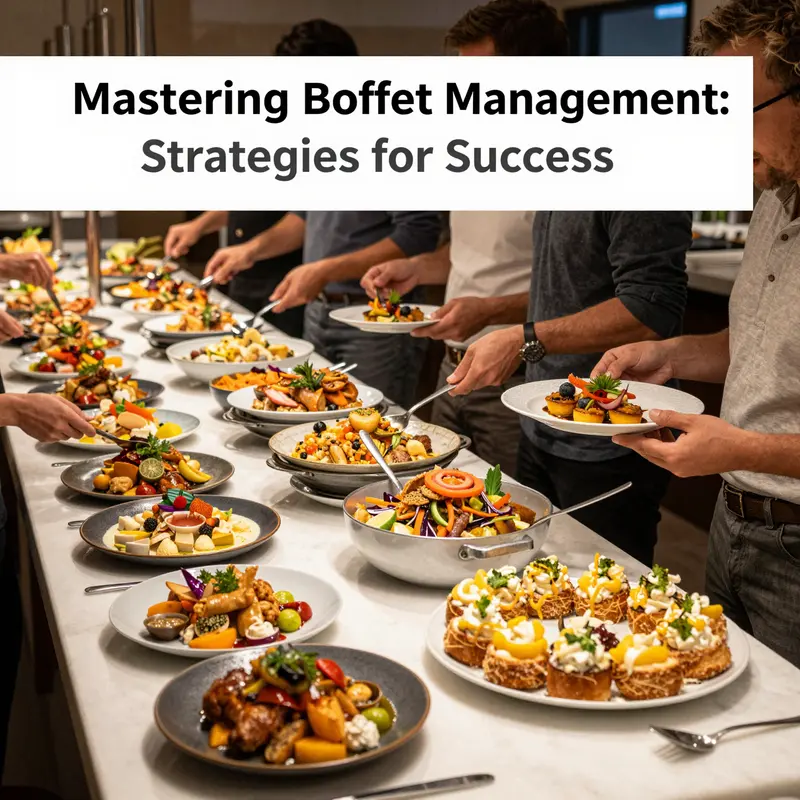
The menu in a buffet is more than a list of dishes; it is the operating compass, the energy source behind every service line, and a lever for profitability that shapes guest experience, waste, and reputation. When executed with discipline, strategic menu management turns a crowded self-serve line into a coherent dining journey. It begins with the recognition that the menu is not a static artifact but a living, data-informed system that intersects with purchasing, kitchen workflow, dining room arrangement, and the restaurant’s financial health. In a buffet, every plate that leaves the station has a story about forecasting, sourcing, preparation, display, and pace. A well-crafted menu helps the team speak that common language, align every action, and meet the expectations of a diverse guest mix without sacrificing margins or safety.
A practical entry point is to adopt a nutrition-forward framework that shifts away from the old adage of more quantity as a path to value. The 211 Nutrition Principle can guide dish selection and station design. The idea is simple in structure but powerful in impact: aim for meals that include two servings of whole grains, one serving of high-quality protein, and one serving of high-fiber vegetables. The goal is not to turn every plate into a textbook, but to guide the kitchen and the guest toward balanced choices at scale. Implementing this principle requires clear definitions of what constitutes whole grains, high-quality protein, and high-fiber vegetables, and it demands reliable sourcing so that a protein-rich option is not an occasional feature but a consistent offering. When staff can reliably point to a 211 alignment at a station, it becomes a tangible metric rather than a vague aspiration. Alongside this framework, the concept of the Five-Color Ingredient Zone provides a practical, visual discipline for storage and cross-contamination control. Vegetables, meats, seafood, dried goods, and seasonings are stored in green, red, blue, yellow, and brown containers respectively. The color coding becomes a quick reference for the team during busy service, a cue for rotation, and a safeguard against errors that could compromise safety or quality. It also supports a more stable workflow by guiding prep order and reducing the risk of mixed ingredients at stations where guests build meals.
To translate nutrition principles into guest-facing credibility, stations can feature real-time displays that convey calories per 100 g, protein content, and recommended dietary groups. When done thoughtfully, these displays educate without turning dining into a lecture. They can also empower guests who follow specific dietary patterns or who are shopping for families with varied needs. The visual data reinforces the value that the kitchen places on balance, provenance, and portion control. The educational layer is especially meaningful when paired with a dynamic menu that emphasizes fresh, seasonal ingredients rather than a static, repetitive lineup. Guests are drawn to freshness and variety, but they also seek reassurance that a buffet can be nourishing as well as indulgent.
Seasonal adaptation and thematic zones are critical parts of strategic menu management. Rotating core offerings with seasonal specialties keeps the display fresh and reduces the fatigue that often leads to complaints about stale, repetitive food. A disciplined rotation plan can refresh as much as 30 percent of items within a month, ensuring that guests encounter new flavors while the operation maintains predictable sourcing and prep schedules. The seasonal approach also lends itself to thematic zones such as a Diabetic-Friendly Station that uses low-glycemic ingredients and processing methods that preserve flavor without spikes in post-meal blood glucose. In practice, this might mean steamed or stewed preparations that emphasize natural sweetness from vegetables and fruits, with artificial or refined sweeteners minimized. The station would spotlight items that are naturally balanced in carbohydrates, with clear labeling that helps guests compare options without feeling singled out. The design of the Diabetic-Friendly Station must include careful attention to cross-contact risks, shared utensils, and the possibility of hidden sugars in marinades or sauces; transparency in labeling becomes a service differentiator and a trust signal for health-conscious guests.
Seasonal planning is complemented by specialized zones and targeted customization. Consider the idea of a diabetic-friendly zone implemented with a set of zones and cooking methods that emphasize steaming, poaching, and gentle simmering with minimal added sugars. The use of natural sweeteners, such as ripe fruit reductions or small amounts of stevia in a controlled tasting environment, can demonstrate balance rather than deprivation. In addition, dashboards showing color-coded guidance for dietary groups can help staff quickly route guests to appropriate dishes. The notion of segmentation extends beyond health needs to address demographics and lifestyle patterns. Office workers seeking quick, nutritionally sensible lunches and fitness enthusiasts who want protein-forward options can benefit from a dedicated zone or a parallel, packaged option. A practical expression of this is a 15-Minute Express Zone, which provides pre-packaged salads, high-protein sandwiches, and a simple, clear guide to carbohydrate content. A Carbohydrate Cycling Chart in the whole-grain section can support guests who want to plan their meals around activity or daily routines. This targeted service model does not fragment the dining experience; it enriches it by offering choice without compromising the core promise of balance and freshness.
Technology and data analytics are the backbone of modern strategic menu management. A buffet that can translate data into actionable menu decisions gains a durable competitive edge. AI-driven recommendation engines can forecast item popularity, optimize production planning, and suggest rotations that align with guest preferences while protecting margins. Cloud-based platforms enable centralized monitoring across multiple locations, so leadership can observe sales trends, peak hours, and dish performance in real time. This visibility supports dynamic resource allocation, consistent quality across outlets, and rapid reaction to changing guest tastes. Importantly, technology does not replace human judgment; it augments it. Field teams rely on dashboards to adjust ordering quantities, schedule staff, and pre-allocate kitchen capacity for anticipated surges. In this sense, a robust canteen or buffet management system becomes a nervous system for the hospitality operation, translating guest behavior into precise actions that preserve freshness, minimize waste, and maintain service speed. Although the specifics of the platform are not named here, the principle remains clear: data-informed decisions reduce guesswork and elevate both guest satisfaction and financial discipline.
The menu also functions as a marketing asset, shaping perceptions of value, healthfulness, and care. Thematic promotions can synchronize with seasonal rotations and health-forward choices to build a cohesive narrative around the buffet experience. A family-friendly pricing model, where value is tied to a clear set of offerings, can drive volume while preserving margins when paired with disciplined forecasting and waste reduction. The menu becomes a storytelling device that communicates not only what is available but why it is chosen, how it is prepared, and how it serves a broad audience. The same underlying menu can support multiple channels of promotion, from themed nights to exclusive online deals, provided it is anchored in consistent quality and a well-managed supply chain. Staying ahead of competitors requires an observant eye on market dynamics and a willingness to adapt the menu in response to guest feedback and new nutritional guidance. The aim is not to chase novelty at any cost but to curate a curated, evolving lineup where each change is justified by data, guest insight, and practical feasibility.
Technology also extends to the kitchen floor and the dining room. Stations in particular can benefit from real-time information streams that help staff maintain accurate display temperatures, verify holding times, and manage portioning at scale. Digital weigh systems and centralized management platforms can enable accurate self-serve pricing and more consistent guest experiences. In this sense, the menu operates alongside equipment and labor to optimize throughput. When a kitchen team understands how the current menu affects oven and steamtable usage, they can coordinate prep and service more smoothly, reducing wait times and the likelihood of bottlenecks near busy pickup lines. The aim is to create a self-reinforcing system where the menu informs operations and technology makes that information actionable in real time.
From a health and safety standpoint, strategic menu management demands a rigorous approach to sourcing, preparation, and display. Supplier verification becomes a non negotiable habit, with attention to documentation and traceability, including the verification of certificates and reports for meat and seafood products. Daily sanitation, visually clear labeling, and segregation of raw and cooked items at display stations reduce cross-contamination risk. The Five-Color Zone aids in this, but it must be paired with a culture of cleanliness and accountability. Regular internal audits, maintenance logs for equipment, and health checks for staff create an environment where guests trust that their safety is a priority. In the event of any health incident, a rapid response plan with clear steps for closure, disinfection, and communication is essential. The goal is to preserve guest confidence while maintaining a resilient operation that can withstand shocks and reproduce best practices.
A well-designed buffet menu also supports staff performance and morale. When the menu carries a clear logic and a consistent standard of quality, training becomes more focused and onboarding faster. Staff learn not only how to prepare and present items but how to explain choices to guests, how to handle dietary requests, and how to manage waste through portion control and rotation. The menu becomes a shared reference point that aligns culinary ambition with guest expectations and financial discipline. This alignment reduces friction during peak service and fosters a culture of teamwork, continuous learning, and pride in the guest experience. In practice, the most successful menus are those that are seen not as fixed recipes but as living agreements that accommodate guest diversity, stay faithful to quality and safety standards, and support the restaurant’s broader strategic goals.
For readers seeking a practical touchstone, consider reviewing the online menu resource that aligns with these principles. The page offers an accessible structure for understanding how a buffet can present a balanced, seasonally attuned, and health-conscious lineup while preserving the flexibility needed to respond to demand. This reference can serve as a companion to the concepts outlined here, helping teams translate philosophy into everyday action. Royal Buffet Menu page
To connect the ideas above to broader industry practice, it is worth noting that the modern buffet model emphasizes a system-wide approach. The menu should drive procurement, kitchen design, and guest experience in a synchronized cycle. It should also be adaptable to multiple locations, ensuring consistency in standards while allowing for local customization. With a data-driven, health-conscious mindset, a buffet can deliver a compelling value proposition—ample variety, dependable quality, and responsible service—that appeals to families, professionals, and trend-aware guests alike. The combination of nutrition-focused planning, seasonal rotation, targeted guest segmentation, and intelligent use of technology creates a durable capability. It turns the menu from a cost center into a strategic asset that supports growth, resilience, and trust in a crowded hospitality marketplace.
External insights point to the broader importance of integrated management systems that coordinate data, compliance, and guest experience across locations. As practices mature, operators can apply these principles at scale, learning from institutions that have refined the balance between nourishment, hospitality, and efficiency. These systems, when implemented with care for privacy and security, empower leadership to deliver consistent outcomes while preserving the human touch that guests value in a dining experience. For readers interested in the technical underpinnings of such integrated approaches, a leading provider offers documentation that covers real-time data tracking, safety standards, and biometric payment concepts. Access to this resource can illuminate how technology can be harmonized with culinary artistry to sustain a high-performing buffet operation.
In sum, strategic menu management in a modern buffet restaurant is a holistic system. It fuses nutritional science, guest segmentation, seasonal thinking, and technology to create a dining experience that is both delicious and responsible. The menu becomes the engine of operational excellence, guiding sourcing, preparation, display, guest education, and financial discipline. When the kitchen, service, and technology teams operate from a shared, data-informed playbook, guests encounter a seamless flow of flavors, ideas, and safety. The result is a buffet that is not only efficient and profitable but also trusted as a place where nourishment, variety, and care come together in a single, memorable meal.
External resource reference: https://www.leniu-tech.com
From Arrival to Farewell: Crafting a Seamless Customer Experience in Buffet Management
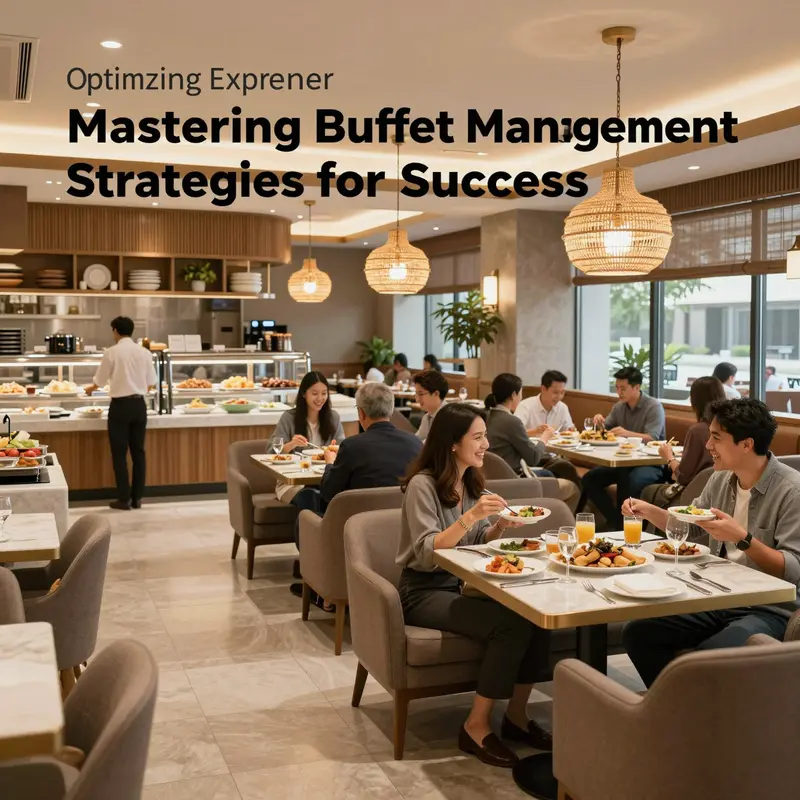
A buffet can be a powerful sentence in a restaurant’s story when the emphasis shifts from merely supplying food to shaping a complete, memorable journey. The chapter you are reading explores how to orchestrate every moment a guest spends in a buffet setting so that efficiency, warmth, and quality fuse into a single, compelling experience. It is not enough to serve generous portions; guests must feel guided, valued, and delighted from the moment they approach the door until they leave with a sense of satisfaction that invites return. In practice, this means designing a hospitality approach that treats the customer journey as a continuous arc rather than a collection of isolated tasks. It means balancing dynamic menu management with precise operations, weaving thoughtful touches into the environment, and leveraging data with discretion to anticipate needs without sacrificing the human touch. When done well, the result is a reputation built not just on quantity but on the reliability of a flawless, enjoyable experience.
A central pillar of this approach is the entry and queue experience. Long waits create a psychological drag that can color a guest’s entire perception of the meal to come. The best operators reduce this friction through a blend of proactive technology and welcoming space. Digital check in or remote reservations let guests secure their place in line before they arrive, turning what used to be a source of anxiety into a predictable part of the plan. Real time queue updates displayed in the lobby or via a simple app calm expectations and reduce perceived wait times. Beyond the practical, the waiting area itself becomes a prelude to the meal. Engaging elements such as comfortable seating, accessible power outlets for devices, and light, thematically cohesive decor transform queue time into an anticipatory moment. In some facilities, experience zones offer free Wi Fi, charging stations, and short, low key activities that keep families engaged without slowing service. These features shift emphasis from passively waiting to actively looking forward to the dining experience.
To maintain momentum once guests are seated in the dining space, an efficient flow design matters as much as any dish on the line. A circular or clearly directional layout helps guests navigate without clogging the main pathways. Practical touches like placing commonly used items—condiments, napkins, water pitchers—near the entrance can reduce micro bottlenecks at busy times. This streamlines the self service portion of the experience while preserving generous portioning and easy access for all guests. A well considered layout supports staff too, enabling replenishment teams to reach hot and cold stations with minimal interruption to diners. The visual language of the space matters as well. Clean, well lit stations showcase food at its best and reduce fatigue among guests who are surveying options. Ambience, as much as design, influences perception. A calm, cohesive environment can elevate perceived quality, while a chaotic setting can undermine even the finest flavors.
The everyday rhythm of a buffet hinges on the balance between speed and consistency. Food service and self service must feel seamless, and that depends on disciplined replenishment. A proven approach is to organize staff around peak demand periods and align them with the moving flow of guests. When several dishes are in high demand, a rotating schedule ensures a steady supply of fresh, hot plates. An automated or semi automated inventory system can help monitor which items are running low and trigger timely replenishment so that guests rarely encounter empty pans. In addition, providing clear signage at each station with dish locations, allergens, and typical portion sizes minimizes confusion and empowers guests to make confident choices. Clear allergen labeling is essential, not only for safety but for guest confidence. A guest who can quickly identify suitable options is more likely to stay engaged with the buffet rather than feeling overwhelmed by complexity.
Technology is not a substitute for hospitality. Rather, it is a multiplier that frees staff to attend to guests in meaningful ways. Loyalty programs that integrate with the point of sale enable staff to recognize returning guests and offer personalized recommendations. If a guest tends to choose seafood or a particular cuisine, a server or host who notes that, even in a subtle way, helps create a sense of affinity. For larger groups or special diets, guests can pre order certain items via a mobile app so that their dining plan flows smoothly. The ability to pre select premium items or to request specific dietary accommodations reduces on site guesswork and ensures that high demand items are prepared to order when appropriate. This approach lowers waste while preserving the perception of abundance and generosity in the buffet format.
A true emphasis on customer experience also means attending to the sensory palette of the environment. Music, lighting, and subtle scents can shape perceptions of freshness and generosity. The right ambience supports the presentation of dishes and can even influence how long guests linger, how much they sample, and how much they enjoy the overall journey. A soft, unobtrusive soundscape that matches the restaurant’s theme helps guests relax and savor the moment. Lighting that highlights the sheen on a glossy carving station or the warmth of a pastry display can dramatically enhance perceived quality. Some operators experiment with scent diffusion in entry zones to evoke a sense of luxury and anticipation without being overpowering. Taken together, these elements form a cohesive atmosphere that complements the cuisine rather than competing with it. The psychology is subtle but real: a well curated environment can extend dining duration in a positive way, increasing satisfaction without forcing guests to spend more than they intended.
The visual and informational language of the buffet is equally important. Guests want to feel confident in their choices and in the safety of the food. Clear, consistent signage indicating station locations, allergen information, and portion sizes reduces uncertainty and fosters a sense of control. Ongoing staff training ensures that servers can answer questions about ingredients and preparation methods in a friendly, knowledgeable manner. When staff can engage with guests about dietary needs or preferences with warmth and accuracy, it personalizes the experience without crossing professional boundaries. This human touch, when supported by accessible information, creates a sense of care that guests remember long after they finish their meal. And the chain of attention should not end at the exit. A thoughtful goodbye, a quick check in about the dining experience, and a simple invitation to return can convert a first visit into a future one.
Post dining engagement closes the loop in meaningful ways. Following up with guests after their meal, even with a brief thank you message or a small incentive for the next visit, sustains the impression of care. Promptly responding to online reviews demonstrates accountability and signals that guest opinions matter. While online feedback is public, the more important effect is the signal it sends to the broader audience that the operation is listening and adapting. A conscientious feedback loop helps identify operational gaps before they become a chronic issue and shows guests that their voices influence the menu and the service model. In a landscape where guests compare experiences across many venues, timely and thoughtful responses can differentiate a buffet by showing that the business values relationships as well as revenue.
Of course, all of these practices rest on the foundation of a well managed back end. Freshness remains a priority, and the dynamic rotation of items should align with guest expectations and seasonal considerations. A freshness first approach helps mitigate common complaints about repetition and staleness. Rotating out old items and introducing new dishes on a regular cadence keeps the buffet exciting and reduces waste through smarter forecasting and controlled production. A discrete pre order system for high demand or premium items such as certain seafood or prime cuts can assure both freshness and availability while enabling the kitchen to manage production more precisely. The math behind this is straightforward: better forecasting plus controlled inventory means fewer canned or overcooked items, and more satisfied guests who feel they are getting a truly special experience.
To translate these ideas into a practical blueprint, operators should embrace a measured blend of people, process, and technology. People deserve ongoing training in food safety, service protocols, and handling guest concerns. Process deserves clarity: defined replenishment cycles, station responsibilities, and a unified information system that tracks food costs, sales, and labor in real time. Technology deserves purpose: digital tools that streamline operations without erasing human warmth. A centralized management platform that surfaces actionable insights about inventory usage, menu performance, and staffing needs can empower managers to respond quickly to changing patterns on the floor. Meanwhile, a culture of hospitality remains the constant thread. A warm greeting, attentive service, genuine curiosity about guest preferences, and a consistent display of care are what anchor a memorable experience in the buffet format.
In practice, this integrated approach translates into a guest journey that begins with confidence and ends with a smile. The guest knows that the price they paid reflects not only the quantity of food but the quality of the experience. They enjoy a space that feels well designed, a flow that respects their time, and a menu that feels carefully curated around freshness and variety. They sense that their dietary needs are understood and accommodated without friction. They leave not merely full, but inspired to return, which is the hallmark of a successful buffet operation. The aim is not to overwhelm with abundance but to balance abundance with attention to detail, ensuring that each touchpoint reinforces the value of the experience. For readers seeking practical inspiration, a tested example of how a well balanced menu and pricing strategy can support guest satisfaction can be found in the sample menu resource linked here: Royal Buffet Menu.
As you design or refine a buffet operation, think in terms of a continuous feedback loop that tightens the experience over time. Start with arrival and queue management, where anticipation is created and anxiety is reduced. Move to the dining floor with streamlined flow and clear communication at every station. Then layer in personalization through intelligent use of data, careful staff training, and meaningful technology, all underpinned by a sensory environment that aligns with the brand story. Finally, complete the loop with post dining engagement that invites guests to share feedback and return. When these elements converge, the buffet becomes not simply a place to eat but a destination where guests anticipate the next visit. For broader strategic context on how this thinking is evolving in the industry, see the external resource linked below.
External resource for further reading:
- Hospitality Management Today offers a comprehensive discussion of how buffets are transforming through experience design and technology. See https://www.hospitalitymanagementtoday.com/buffet-experience-innovation-2026 for more details.
In sum, optimizing customer experience in buffet management is about shaping a seamless, emotionally resonant journey that respects guests time, elevates the perception of food quality, and remains accountable to safety and value. It is possible to blend the best of operational rigor with the warmth of hospitality, creating a dining experience that feels both effortless and generous. The future of buffets lies in this balance between quantity and quality of experience, where guests leave with a sense of having enjoyed something thoughtfully crafted—an experience they are eager to repeat.
Final thoughts
Successfully managing a buffet restaurant requires a dual focus on creating a strategic menu that delights customers and enhancing the overall dining experience. By prioritizing food quality and variety, and by ensuring a welcoming environment, you can set your establishment apart in a competitive market. The insights provided in this guide equip you with the necessary tools to attract and retain loyal customers while optimizing operations for better profitability. Ultimately, a successful buffet is built on these combined efforts to satisfy and serve guests.