
Buffet dining offers a unique blend of variety, accessibility, and social interaction, making it an appealing option for business owners and their clients. Whether hosting a business lunch or attending a corporate event, understanding how to navigate buffet settings can enhance not just your meal but your networking opportunities as well. This guide will walk you through effective planning, portion control, and the importance of mindful eating—equipping you with the tools to maximize value while maintaining professionalism and respect in these communal dining environments.
From First Glance to Final Bite: Planning a Mindful, Value-Driven Buffet Experience

A buffet invites exploration, yet real enjoyment comes when you approach it with a plan. A thoughtful strategy helps you savor more flavors, stretch your budget, and avoid the discomfort of overeating. Begin with a mental map rather than a reflex grab. If you can, take a slow walk around the spread before loading your plate. This reconnaissance reveals hidden gems and prevents early over-prioritization of one category. It also supports discipline: you’ll know where the freshest items sit and which corners are merely crowd magnets. The dining room becomes less a chorus of competing scents and more a dialogue with your own appetite.
Timing sits at the heart of a smooth buffet experience. Peak hours turn food stations into lines and trays into long waits; you’ll lose energy, and dishes may cool before you reach them. The practical approach is to plan around the rhythm of service. For breakfast, early hours capture the day’s freshest items. For lunch, avoid the 12:00–1:30 window and aim for a moment when new hot dishes have just arrived. Dinner crowds spike in early evening, so a later slot—after the rush—lets you enjoy warmer items that have been replenished. This cadence matters most on cruises and in large hotels, where sweet spots can dramatically improve freshness and wait times.
Master the plate strategy without turning mealtime into a math problem. Use a two-trip approach. On the first pass, fill with color and fiber—greens, fruit, salads, and light proteins. This sets a foundation, creates appetite satisfaction, and buys you time to see what truly matters on the line. On the second pass, choose heavier items like seafood, roast meats, and seasonal specials. If a dish dazzles, make it a priority on the second round. In practice, prioritize quality over quantity. Freshness often reveals itself in glistening seafood, sizzling hot dishes, and the chef’s featured items. By eating slowly, you give your brain time to register fullness and avoid the trap of a crowded plate. Hydration also matters; water helps digestion and can distinguish genuine hunger from thirst.
Be mindful of the space you occupy and the pace you set. Carry a tray and use separate utensils for different foods to prevent cross-contamination and keep textures distinct. Sit near the buffet just enough to access refills without becoming the target of habitual grazing. A position a step away from the line reduces impulse trips and helps you maintain portion control. Respect the rules of the house, especially around waste and leftovers. If the venue emphasizes no-waste policies or regional guidelines, honor them. The goal is a diverse and satisfying experience, not a mountain of leftovers.
At its best, a buffet becomes a curated tasting journey where anticipation and restraint walk hand in hand. The aim is to sample a broad spectrum of flavors without discomfort, not to conquer every dish. A well-planned visit preserves energy for the end of the meal and leaves room for dessert or a surprise feature without tipping into overfull. The practical payoff is clear: you depart with new favorites, a sense of value, and a healthier relationship with abundance. For a practical sense of how such planning translates into a real menu, consult the Royal Buffet Menu. Royal Buffet Menu.
This approach also aligns with broader guidance on mindful eating. Slow bites, recognition of fullness, and deliberate pacing empower you to enjoy variety while staying comfortable. The experience becomes more than a rush of flavors; it becomes a balanced dialogue between appetite, health, and choice. External resources on mindful eating can extend these ideas beyond the plate, reinforcing restraint without deprivation. External reference: https://www.hsph.harvard.edu/nutritionsource/mindful-eating/.
The Buffet Blueprint: Pacing, Planning, and Palate for a Healthier, More Value-Driven Meal

Buffet dining invites abundance, yet without a plan it can dilute your goals for health, satisfaction, and value. The key is not deprivation, but deliberate pacing and thoughtful selection. Start with a clear mindset: you are sampling, not surveying every dish at once. Before you fill a plate, take a slow walk around the spread to notice colors, textures, and cooking methods. Let your eyes map the options, identify hidden gems, and prevent overprioritizing one type of food early on. This upfront reconnaissance sets the stage for a more controlled, enjoyable meal, where each bite serves a purpose rather than simply filling a limit on your appetite.
Portion control emerges as the most influential lever in a buffet setting. A small plate acts as a powerful psychological cue, a behavior that studies have shown can reduce the overall amount eaten and help prevent overeating. The aim is to taste broadly, not to conquer every dish. Take small portions of items you truly want to try, then decide whether you want more after you’ve tasted. Remember, you can always return for seconds, but the first pass should prioritize quality over volume. This approach also minimizes waste and respects the restaurant’s effort to provide variety.
A practical order for the plate aligns with long-lasting fullness and satisfaction. Begin with vegetables and fruits, ideally filling half your plate with raw greens, colorful veggies, and fresh fruit. The fiber and water content in these foods promote fullness without heaviness, and they create a satisfying canvas for the rest of your selections. Next comes high‑quality protein. Lean options such as grilled fish, steamed shellfish, baked poultry, or plant-based alternatives tend to digest more slowly, extending satiety and reducing the need to chase extra bites early in the meal. After protein, add a modest portion of complex carbohydrates. Choose whole grains, legumes, or whole‑grain bread rather than fried or heavily sauced starches. Finally, if room remains and you still crave something indulgent, enjoy a small dessert or a single tasting portion. Sharing a dessert with a companion is an elegant way to savor the moment while keeping portions in check.
Beyond these portions, the mind must stay in the present moment. Avoid “hidden” calories by steering clear of fried items, creamy sauces, and sugary dishes that carry a density of calories but little lasting nourishment. When sauces are offered, ask for them on the side and use them sparingly. The goal is flavor that enhances, not overwhelms, the natural qualities of the food. A mindful eater also keeps hydration in view; sipping water throughout the meal helps regulate appetite and prevents mistaking thirst for hunger. Slowing the pace—chewing thoroughly and allowing time between bites—gives the brain a chance to register fullness, which can prevent the all-too-common end-of-meal overeating.
Choosing a seat with care is a small but meaningful detail. Sit at a distance from the buffet line to reduce mindless grazing and the temptation to continually revisit dishes. A nearby table makes it easy to craft and finish a meal with intention, rather than as a continuous cycle of plate-topping. Hygiene matters too: use a plate or tray to keep food organized, and keep separate utensils for different foods to minimize cross‑contamination. Rational planning can extend beyond the plate to your overall dining experience, supporting both enjoyment and health goals without turning a buffet into a test of restraint.
To translate these ideas into a practical reference, imagine a well-rounded buffet plan you can follow on any visit. Preview the options, select vegetables first, move to lean proteins, then add a controlled amount of whole grains, and finally savor a modest dessert if you still have room. This approach preserves a sense of variety while maintaining a measured intake. For a concrete example of how a menu might look and feel, consider exploring the general buffet menu structure as a guide to what you might encounter and how to pace your choices. Royal Buffet menu.
The rhythms described here are designed not to deprive but to empower. They acknowledge the pleasure of abundance while preserving the energy and intention you bring to the table. With practice, you can enjoy a wide range of flavors and textures, experience a sense of fullness that aligns with your goals, and finish the meal feeling satisfied rather than overstuffed. The frame is simple: plan, plate, pace, and reflect. Each buffet visit then becomes an opportunity to refine your choices, honor your health, and extract genuine value from the experience.
External resource: Mindful eating – Mayo Clinic
Mindful Feasting at the Buffet: Etiquette, Awareness, and Value
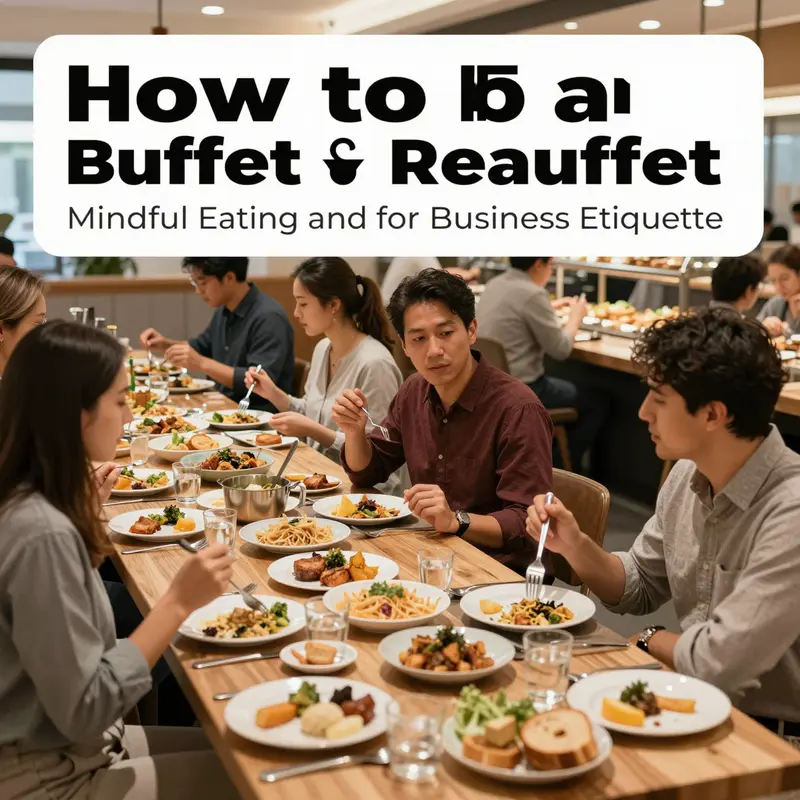
A buffet invites exploration, a spectrum of flavors and textures, but without a plan it can become a free-for-all that leaves you unsettled or uncomfortably full. Mindful eating and etiquette aren’t opposite aims; they work together to extend enjoyment, protect health, and respect others sharing the line and tables. Research on buffet dining suggests that while people often feel good about indulgence, awareness and mindful eating can slip during a feast, making it easy to overeat. With deliberate attention to taste, pace, and body signals, you can savor more without paying a heavier price.
Before you begin loading, take a slow circuit around the entire buffet. Notice what looks appealing, what seems dry or soggy, what is easiest to access, and what you truly want. This walk-through helps you identify hidden gems and prevents over-prioritizing one type of food early on. It also sets the tone for portioning and timing, because you will know where high-value items sit and whether you can return later.
If seating is available, pick a table a short walk from the line but not too close. The motive is practical—it’s easier to monitor portions without constant trips, and it’s respectful to others who want to move through. This also reduces the temptation to graze mindlessly and encourages a calmer pace.
Carry a tray and a plate. Use separate utensils for different items; keep foods from cross-contaminating with hygiene basics. This is not only safer; it reinforces mindful boundaries around how much you handle food.
When it comes to selection, start with high-value items when you’re still hungry: seafood, premium cuts if offered, or dessert if you’re truly craving it. These items tend to satisfy and justify the price more than bread or plain vegetables alone. Save more affordable, lighter options for later rounds once your appetite is tamed. This order helps ensure you taste what matters and avoid filling up on less satisfying choices.
Portion control is the next discipline. Use smaller plates and bowls, and resist the urge to pile on. Take a modest amount first and reassess hunger before returning for seconds. Mindful eating entails slowing down: set your utensils down between bites, savor each mouthful, and breathe. Check in with your body halfway through to sense fullness that isn’t yet uncomfortable. If you’re satisfied, pause. If you’re still hungry, consider a measured second round rather than a second avalanche.
Hydration matters; water helps regulate appetite and digestion. Drink steadily but avoid filling up on beverages alone. Eating slowly, tasting each item, and appreciating texture—crisp greens, tender proteins, creamy sauces—heighten satisfaction and reduce the risk of regret. Be mindful of the social rules that keep the experience fair: take only what you can reasonably eat, use the proper serving utensils, and avoid re-entering the line after you’ve finished your plate. Respect the shared space—don’t hover near the serving area, don’t double-dip, and return plates when done. Clear your table, wipe surfaces if needed, and dispose of waste in the designated area.
Following these habits transforms buffet dining into a balanced, satisfying meal rather than a race to the bottom. For a practical reference to how the menu can shape decisions, see the royal-buffet-menu page. royal-buffet-menu
For further reading on mindfulness and buffet eating, see All You Can Eat Buffets, Obesity, Mindfulness, and Mindful Eating: a concise exploration of how indulgence can coexist with awareness, a resource that underpins these practices and helps translate theory into behavior. https://www.researchgate.net/publication/319674925Allyoucaneatbuffetsobesitymindfulnessandmindfuleating
Final thoughts
Navigating a buffet restaurant effectively requires strategic planning, mindful portion control, and adherence to proper dining etiquette. For business owners, these skills not only enhance the dining experience but also facilitate meaningful interactions with clients and colleagues. Remember to take your time, savor the diverse offerings, and engage in respectful conversations—all while enjoying the myriad of flavors available. By applying these principles, you can maximize the benefits of your buffet experience, leading to fruitful connections and enjoyable meals.