
Eating at a buffet restaurant offers a diverse culinary experience, crucial for business owners looking to entertain clients or host team dinners. To optimize this experience, it’s key to implement strategic planning, master plate-loading techniques, and observe dining etiquette. Each chapter of this guide provides insights into how these practices can significantly enhance the enjoyment of your dining adventure while leaving a positive impression.
Strategic Savor at the Buffet: Planning for Optimal Enjoyment
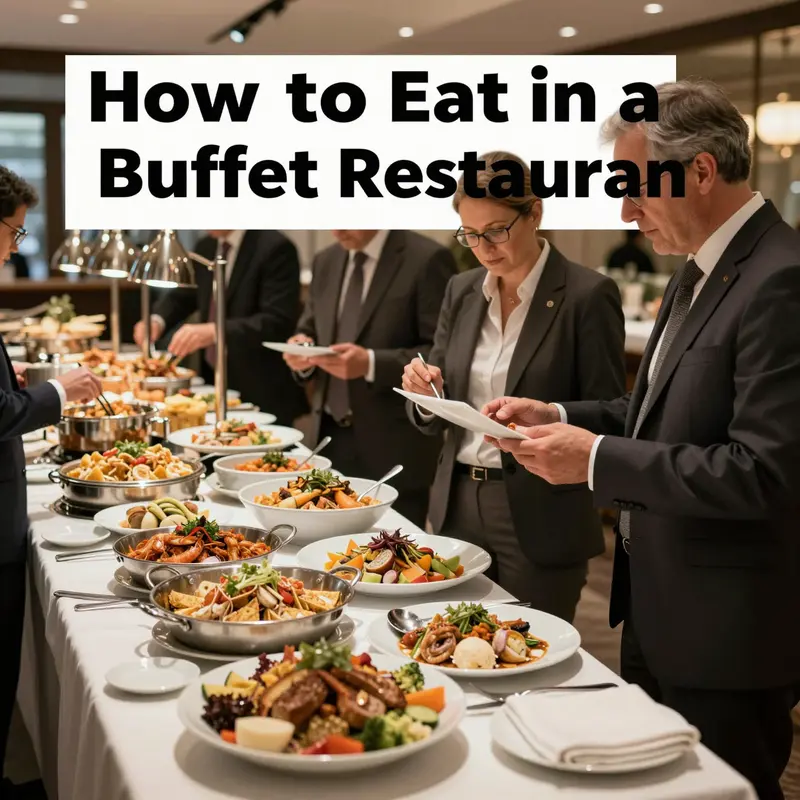
Buffet dining can feel like a stage where appetite meets abundance, a kaleidoscope of aromas and textures. The real craft, though, is not how much you can cram on a plate but how you plan to savor with intention. This chapter offers a strategic, mindful approach that helps you enjoy more variety, maintain balance, and leave the table pleased rather than overstuffed. The goal isn’t deprivation or relentless sampling but a thoughtful rotation of flavors that respects your limits while expanding your palate. Start with a calm mind and a light expectation of what you want to explore, not a fixed tally of dishes you must conquer. A steady, measured mindset keeps choice exciting rather than overwhelming, turning a bustling buffet into a controlled culinary journey rather than a sprint to the finish line.
Hunger is the first variable to temper. The familiar myth that starving yourself will maximize the value of a buffet is misleading. Arriving with a hollow stomach often nudges you toward impulsive bites and heavy items that you later regret. A light, balanced pre-meal can stabilize blood sugar and sharpen judgment. This doesn’t mean a full meal; it means a snack that avoids a crash while preserving the appetite for discovery. With a steady baseline, you can approach the line more discerningly and resist the temptation to default to the most immediate, familiar options. As you plan your rounds, you might even glance at the layout in advance, noting sections that typically feature the freshest proteins or most crowd-pleasing seafood, so you can act quickly when a dish disappears from the buffet bustle. If you’re curious about what a particular venue offers, a quick look at the menu helps frame your strategy. For example, the Royal Buffet Findlay Menu can give a sense of the lineup and timing, guiding you to plan your first pass for freshness and variety.
A tasting mindset replaces a gathering mindset. Rather than chasing a grand value tally, aim to sample a spectrum of flavors and textures. Start with a gentle foundation—clear broth soup or a bright, crisp salad can prime your palate without weighing you down. Move to light proteins such as grilled fish or lean poultry, and pepper in colorful vegetables that bring vitamins, fiber, and contrast. This order helps your stomach handle richer items later, without feeling overwhelmed. The idea is not to avoid indulgence but to place it after you’ve established a balanced baseline that preserves appetite for dessert and denser dishes without guilt. Pace matters. Use a small plate to keep portions modest, and resist the impulse to fill the entire plate in one sweep. A few careful sips of water between trips support digestion and help you recalibrate hunger signals before each new round.
One-item-per-plate etiquette isn’t merely about cleanliness; it’s about preserving focus. A clean separation of dishes on separate plates clarifies your choices and makes for easier, more enjoyable tasting. It also helps you monitor how much you’re sampling at a glance, which is crucial for staying within your planned intake. If you save a few bites of a dish you loved for another round, you preserve the sensation of freshness and flavor without the confusion that comes from stacking disparate items together. This restraint becomes a habit that translates outside buffets too, encouraging mindful eating overall. It’s perfectly acceptable to circle back for seconds after you’ve assessed each option once; the goal is quality of experience over quantity of bites.
Freshness, temperature, and presentation are your visual cues for quality. The best items at any buffet often appear toward the front, near the start of the line, where their heat and freshness are most evident. If you notice items that have sat too long or look tepid, it’s wiser to skip them than push through a tasteless bite. salads and cold preparations deserve their own window of attention; if they appear wilted, discolored, or watery, they won’t offer the balance you’re seeking. In short, the buffet rewards patience and observation as much as appetite. If you feel a dish has reached a limit for the moment, resist the urge to chase it with similarly aged options; instead, pivot to another section that promises vitality and aroma.
Mindful pacing, hydration, and a light, flexible endgame complete the strategy. Drinking water liberates you from thirst-driven snacking and helps regulate appetite, while avoiding sugary drinks preserves the clarity of taste. Between trips, pause and ask yourself if you’re still hungry for what you’ve chosen or if you’re merely chasing a fleeting craving. This pause is the difference between a satisfying tasting menu and a bloated reprise of favorites you barely enjoyed. Dessert deserves its own thoughtful moment, ideally after a clear protein-and-vegetable foundation, so the sweetness amplifies rather than disrupts the meal’s balance.
Finally, the social and spatial etiquette of a buffet reflects the respect you show for cooks and fellow guests. Wait your turn, clear the table when you’re done, and use a separate plate for each course to keep the flow smooth and the area tidy. If you must step away, leave a napkin on the chair and return with the same calm approach you started with. In turn, your discipline enhances the entire dining environment, turning a crowded room into a shared experience of variety, quality, and calm enjoyment. For a practical reference to a specific venue’s offerings and timing, you can consult the Royal Buffet Findlay Menu. External guidance on strategic buffet eating can be found at https://www.bing.com/search?q=how+to+eat+buffet+restaurant+strategically&form=QBLH&sp=-1&lq=0&pq=how+to+eat+buffet+restaurant+strategically&sc=5-23&qs=LG&cvid=69A78D4B6E1D468F9C2F87897B86F3F8, a resource that reinforces the core ideas of hunger management, variety, smart sequencing, and mindful pacing. Embrace the approach, and the buffet becomes a canvas for careful, joyful tasting rather than a race to accumulate dishes.
Buffet Mastery: A Mindful Journey Through Plate-Loading, Portions, and the Delight of Choice
A buffet invites a world of flavors, textures, and textures again—the opportunity to compare, sample, and savor all in one sitting. Yet the joy can quickly turn into regret if you approach the line like a free-for-all rather than a careful, deliberate journey. The aim of a well-executed buffet visit is not simply to eat a lot, but to taste broadly, feel satisfied, and leave with a sense of achievement rather than heaviness. This is a chapter about turning that intention into practice through two core skills: plate-loading and portion control, supported by a wider mindset that respects both your body and the space around you. Start with a plan, not a crush of appetite; proceed with questions, not hurry, and finish with gratitude for the variety you’ve explored.
Before you even reach the first chafing dish, take a quick reconnaissance walk. A few minutes spent surveying the spread helps you decide where to begin and what to deprioritize. Look for live, clearly fresh seafood, slices of reliably fresh meat, and dishes labeled as high-quality or limited quantity. These items are often the ones that define a buffet’s value, and they can disappear quickly if you don’t strike them early. Trust your eyes for freshness: a glistening fisheye of salmon, a well-arranged platter of shrimp, or a roast that smells of crisp crust and tender meat. If an item appears pale, dry, or languid, it’s perfectly reasonable to skip it and move toward options that look inviting. When you’re ready to form your plan, reference cues in the menu or in staff guidance, and if there’s any doubt about a item’s quality, choosing another dish stands as a better decision than forcing a choice you’ll regret.
From there, orient your eating order as a practical framework that respects fullness cues. Begin with low-calorie, nutrient-dense options—salads with vibrant greens, colorful vegetables, and broth-based soups that add volume without a heavy calorie load. These courses set a foundation for your stomach to anticipate more substantial offerings without rushing toward fullness. Then, move toward higher-value items that deliver richer flavors and textures. Fresh seafood, such as sweet shrimp or grilled fish, and premium meats are typically placed in accessible, high-visibility spots for good reason; they reward a mindful traveler who arrives early and takes measured bites. The goal is to taste the best of what the buffet has to offer rather than to check every box. Desserts, if chosen, should come last and only after you’ve already enjoyed the core protein and produce, ensuring the sweet course feels like a deliberate finale rather than a forced end to the meal.
Plate-loading is the delicate art that bridges vision and digestion. The old rule of “one plate at a time” isn’t about rigidity; it’s about preserving the integrity of flavors and the clarity of your choices. Begin with a modest, bite-sized sample of each item you want to try. A common pitfall is piling a plate with too much of several dishes, which can overwhelm both taste buds and stomach capacity. Small portions do two things at once: they let you experience more dishes without committing to a full serving, and they reduce the likelihood of waste, a consideration many buffets monitor through policies about leftovers. If a dish proves irresistible, you can return for a second, more focused helping. The promise of seconds keeps the pace comfortable and the appetite steady. A practical discipline is to honor the “one dish at a time” approach within a single plate, then move to another plate for your next course or category. This sequence helps you compare items cleanly and prevents a single plate from turning into a crowded, confusing mosaic of flavors.
Hydration, too, plays a crucial role in the buffet experience. Water or unsweetened tea supports digestion and helps you gauge fullness more accurately than sugary beverages that can mask a late surge of appetite. Staying hydrated reduces the risk of overeating and keeps taste perception sharper as you sample a wider range of dishes. And while it’s tempting to linger, end-of-meal etiquette and practical constraints—like city of service rules or venue policies—mean you should be mindful of timing. Clear the table when you’re finished, place used dishes on the return cart, and avoid reusing the same plate for multiple courses if you can help it. A tidy, respectful approach to the dining space enhances the experience for everyone and preserves the restaurant’s rhythm.
The most meaningful outcome of this approach is a sense of balance. You’re not merely consuming calories; you are curating a memory of flavors, textures, and textures again—the sensation of discovering a particularly well-prepared item and savoring it without guilt. When you feel satisfied rather than blown open, you’ve achieved what many diners seek: value, variety, and restraint working in harmony. If you want a further practical reference as you refine your method, the menu itself can serve as a navigational aid. For more structure, you can explore a detailed overview at the Royal Buffet Menu, which maps the lineup in a way that harmonizes with the plate-loading strategy discussed here. Royal Buffet Menu.
In this practice lies a philosophy of dining that honors both appetite and awareness. You’re inviting a spectrum of tastes, but you’re also honoring your limits, your time, and the people around you. The result is a buffet experience that feels like a thoughtful expedition rather than a reckless sprint. Mindful reconnaissance, deliberate sequencing, careful portions, and attentive etiquette do more than keep the meal comfortable; they transform a crowded hall into a stage for good choices, meaningful bites, and genuine satisfaction.
External resources can further illuminate these choices. A respected perspective on healthy dining at buffets emphasizes pacing, hydration, and strategic selections as part of a holistic approach to eating well in settings that offer abundance. For a trusted, science-informed discussion of these practices, see the Harvard Health Blog on healthy eating at a buffet: https://www.health.harvard.edu/blog/healthy-eating-at-a-buffet-202312153198
Mastering the Buffet Experience: Etiquette, Strategy, and Mindful Enjoyment

A buffet is less a battlefield of options than a shared stage where appetites and manners perform together. The trick is to see the meal as a choreography rather than a free-for-all. When you enter with a calm plan and a sense of consideration, the multiplicity of dishes becomes an invitation to taste, not a test of stamina. The experience then shifts from racing to gathering to savoring, and even the busiest room feels more like a well-tuned orchestra than a crowd. The etiquette that supports this mood isn’t a set of rigid rules, but a social contract that keeps the focus on enjoyment for everyone, including the kitchen staff who work to bring the spread to life. Mindful dining at a buffet starts long before the first plate touches the table. It begins with intention: you decide to pace yourself, to differentiate craving from fullness, and to respect the space of others who share the line, the tables, and the serving areas. A few practical choices can anchor that mindset. First, plan your approach. Don’t starve yourself to “save room”; arriving with a clear mind helps you evaluate freshness and portion size without tipping into regret. If the buffet places its best items near the entrance—think seafood, prime cuts, or chef-special preparations—your first round should prioritize those offerings. This isn’t about being exclusive; it’s about securing high-quality options while they’re most vibrant. Freshness matters as much as flavor. Keep an eye on temperature and texture. If a dish has sat too long, or if a salad looks limp, it’s perfectly reasonable to step away and choose something else that appeals in the moment. The next stage is how you build the plate. A single plate should present a planned sequence rather than a medley of everything you see. The standard etiquette—one item per plate—emerges from a practical desire to keep the line organized and to avoid mixing flavors in a way that makes eating difficult. Start with small tastes of several items, then return for seconds if you’re still curious. A finesse here is to sample widely but with restraint, reserving room for a few standout dishes rather than a sprawling display that overwhelms the palate. This approach also reduces waste, a concern rightly shared by diners and staff alike. When you refill, you can adjust portions precisely, giving others a fair chance at popular dishes while still enjoying a generous second pass. Etiquette also anchors how you move through the space. Respect the line, and be mindful of those who are waiting behind you. If you need to pause, step aside briefly rather than lingering at the service area. At the table, clear your plate and utensils when you’re finished, and be ready to sanitize the area with a quick wipe if the table has remnants from a messy bite. If you must leave the table temporarily, place your napkin on the chair; when you leave for good, set it flat on the table. These signals are small acts of consideration that keep the atmosphere orderly and pleasant for everyone. Mindful dining extends to awareness of your own body and your impact on the dining experience. Eat slowly, savoring flavors and textures, and pause before you are uncomfortably full. Hydration helps moderation, so water is your best companion unless the buffet offers a thoughtfully paired beverage option you truly enjoy. It’s also good practice to stay within the rules of the venue, which may include restrictions on leaving with food or the use of outside containers. Reading the room matters. If a dish is overcrowded, observe how others approach it before you decide how you’ll sample it. If you’re unsure about a dish’s ingredients or preparation, ask a staff member instead of guessing. This habit protects you and respects the cooks who crafted the spread. The social dimension of buffet dining deserves a gentle emphasis. Be considerate of others’ space and pace. If you’re lingering near a popular station, step back when you’re finished serving to allow others to approach. If you’re unsure about a dish, watch how the crowd behaves or simply ask—curiosity is welcomed, and most staff are happy to share details. For those keen to compare options and plan their voyage across the spread, a practical anchor is to consult the menu when possible. A quick check of current offerings can help you map a sensible route through the buffet, prioritizing dishes that align with your tastes and appetite. If you want a concise glimpse of the restaurant’s current lineup, you can explore the menu here: Royal Buffet Menu. Ultimately, the buffet experience rewards restraint practiced with generosity. It invites a balance between discovery and appreciation, a rhythm of tasting and pausing that keeps both body and palate engaged. The goal isn’t simply to sample more; it’s to allow a wider range of flavors to satisfy without overwhelming, to honor the cooks who prepared every dish, and to respect fellow diners who share the same dining space. In this light, etiquette becomes not a set of external expectations, but an internal discipline that elevates the entire meal. Mindful, well-paced dining leaves room for conversation, reflection, and the genuine pleasure of discovering a new favorite bite amid a sea of possibilities. If you carry that intention into every plate, the buffet transforms from a test of appetite into a cultivated, communal feast. For a broader cultural perspective on how to navigate abundance with grace, consider an external guide that explores modern buffet etiquette and mindful practices: https://www.tatlerasia.com/food-and-drink/article/8-buffet-etiquette-tips-for-the-modern-glutton
Final thoughts
In sum, a successful buffet dining experience hinges on preparation, mindful choices, and respectful etiquette. Business owners can make the most of this vibrant culinary opportunity by understanding how to navigate the buffet’s offerings. Implement these strategic, plate-loading, and etiquette tips to leave a lasting impression and enjoy the myriad flavors on display. This approach not only enhances personal satisfaction but also elevates your professional image.