
Introduction to Buffet Chinese Restaurants
Buffet Chinese restaurants have carved out a special place in the dining culture, becoming hotspots for families and groups who crave variety and quality. These vibrant establishments thrive on the idea of catering to diverse tastes, offering a multitude of dishes that span the rich culinary landscape of Chinese cuisine. Diners can delight in everything from savory stir-fries and crunchy spring rolls to flavorful dim sums and aromatic fried rice, all available at their fingertips. This all-you-can-eat concept not only satisfies individual cravings but also makes it easier for families with varying preferences to find something they love.
The appeal of buffet Chinese restaurants extends beyond mere food variety. They provide a relaxed atmosphere where diners can gather and enjoy meals together without the constraints of traditional dining. With something for everyone-whether it be the classic sweet and sour pork or the adventurous Szechuan spicy beef-the buffet format encourages exploration and sharing among diners. Such a dining experience becomes more than just a meal; it transforms into a social event, making it an attractive option for families and friends looking to enjoy a range of flavors under one roof. For an extensive overview of our offerings, check out the Royal Buffet menu.
Business Model of Buffet Chinese Restaurants
Buffet Chinese restaurants operate under a unique business model that combines variety, affordability, and a self-service dining experience. This widespread approach has become popular among consumers, particularly those looking to enjoy an all-you-can-eat experience without breaking the bank. Below, we will explore how these restaurants operate, their pricing strategies, and how they manage food costs effectively.
Operations and Customer Experience
Most buffet Chinese restaurants operate on a simple premise: patrons pay a fixed price to enjoy unlimited access to a diverse array of dishes. This format encourages diners to sample a variety of offerings, fostering a casual dining atmosphere. Customers typically serve themselves from a buffet line featuring various dishes that include traditional items such as fried rice, chicken chow mein, and dim sum, often supplemented with salads, desserts, and beverages.
Pricing Strategies
Buffet Chinese restaurants generally adopt value-driven pricing strategies. A common form is the flat-rate charge per customer, which usually ranges from $10 to $20, depending on factors such as location, menu variety, and meal time (lunch vs. dinner). For example, restaurants may offer discounted pricing during lunch hours to attract a larger midday crowd, while charging higher rates in the evening when demand increases. This tactic not only maximizes table turnover but also optimizes revenue potential, especially on weekends or holidays when buffet traffic spikes.
Additionally, many establishments utilize tiered pricing for children or senior citizens, making the dining experience more inclusive for families and older adults. By providing such pricing options, restaurants are able to attract a broader audience and increase customer loyalty.
Managing Food Costs
One of the biggest challenges for buffet restaurants is food cost management. To mitigate waste and control expenses, many buffet Chinese restaurants employ several strategies:
- Menu Engineering: Selecting dishes that are cost-effective and popular can maximize profits. They often feature relatively inexpensive ingredients such as rice, noodles, and vegetables.
- Supplier Relationships: Establishing strong relationships with suppliers allows restaurants to negotiate better prices for bulk purchases, reducing the overall cost of ingredients.
- Food Waste Monitoring: Implementing systems to track food usage and waste helps restaurants adjust their production levels, ensuring they prepare only what is needed to meet customer demand.
By carefully curating menus and managing inventory, buffet Chinese restaurants can not only retain competitive pricing but also enhance profitability in a challenging market.
Advantages in a Competitive Market
The buffet model presents several advantages for business owners in the competitive restaurant landscape. Key benefits include:
- High Volume of Customers: With the allure of unlimited food options, buffets tend to attract large groups and families, increasing foot traffic.
- Low Labor Costs: The self-service model reduces the need for waitstaff, allowing these establishments to operate with leaner staff, which lowers labor costs.
- Adaptability: Buffet restaurants can quickly adapt their menus based on ingredient availability and customer preferences, making them versatile in changing market conditions.
Overall, the business model of buffet Chinese restaurants capitalizes on providing a diverse dining experience that is economical for consumers and profitable for owners, especially in a competitive restaurant market.
Comparison of Chinese Buffet Restaurants in Findlay, Ohio
When considering a visit to a buffet Chinese restaurant, it’s important for owners and customers to look at various factors such as menu variety, pricing, customer ratings, and unique selling points. Below is a comparison table of three notable Chinese buffet restaurants in Findlay:
| Restaurant Name | Menu Variety | Pricing | Customer Rating | Unique Selling Points |
|---|---|---|---|---|
| Royal Buffet | Wide variety of Chinese dishes including traditional favorites. | Affordable (under $) | 4.0/5 on Tripadvisor | Family-friendly atmosphere; popular among frequent diners (5 or more times monthly). |
| Q Q Garden | Diverse menu of traditional and fusion dishes | Competitive ($8-$14 per dish) | Highly rated among the top 10 Chinese takeouts | Buffet available on weekends; known for freshness and quality. |
| Asian Grill Buffet | Mix of Chinese, Thai, and other Asian cuisines | Price varies, generally budget-friendly | 4.2/5 on Yelp | Large selection of hot and cold items suitable for families and groups. |
This table provides a clear overview for restaurant owners looking to benchmark their services against local competitors. Each restaurant has its unique characteristics that appeal to different customer segments, making them all worthy options to consider for a delightful dining experience in Findlay, Ohio.
The Benefits of Buffet Dining
Buffet dining is a popular choice for many, offering a range of benefits that cater to diverse customer preferences. Here are some key advantages of buffet dining, especially relevant to business owners considering this model:
1. Variety of Choices
Buffets are known for providing a wide array of dishes from multiple cuisines, allowing customers to sample different foods all in one meal. According to a report from the National Restaurant Association, 92% of diners indicate that food variety is a major factor in choosing buffet dining. This appeal can cater to different tastes and dietary preferences, such as vegetarian, vegan, or gluten-free options.
2. Cost-Effectiveness
Many customers find buffet options more economical compared to à la carte dining. With a fixed-price model, guests can enjoy unlimited access to a range of dishes, making it a good value for diners. 67% of customers believe that buffet pricing offers better value than traditional restaurant meals, as reported by Statista in 2024. This pricing model is particularly appealing for families and large groups.
3. Convenience & Control
Buffets empower diners by allowing them the liberty to choose what and how much they want to eat, serving themselves at their own pace. This flexibility enhances the dining experience for many guests. The Hospitality Insights Report indicates that 78% of diners prefer buffets for their ability to have full control over meal selection and portion sizes. This is particularly advantageous in social settings, as it facilitates interaction while guests enjoy a variety of food options.
In summary, buffet dining combines variety, cost-effectiveness, and convenience, making it an appealing option for customers. As a business owner, offering a buffet can enhance customer satisfaction and drive repeat business. For more information on buffet options, check out our Royal Buffet menu and locations.
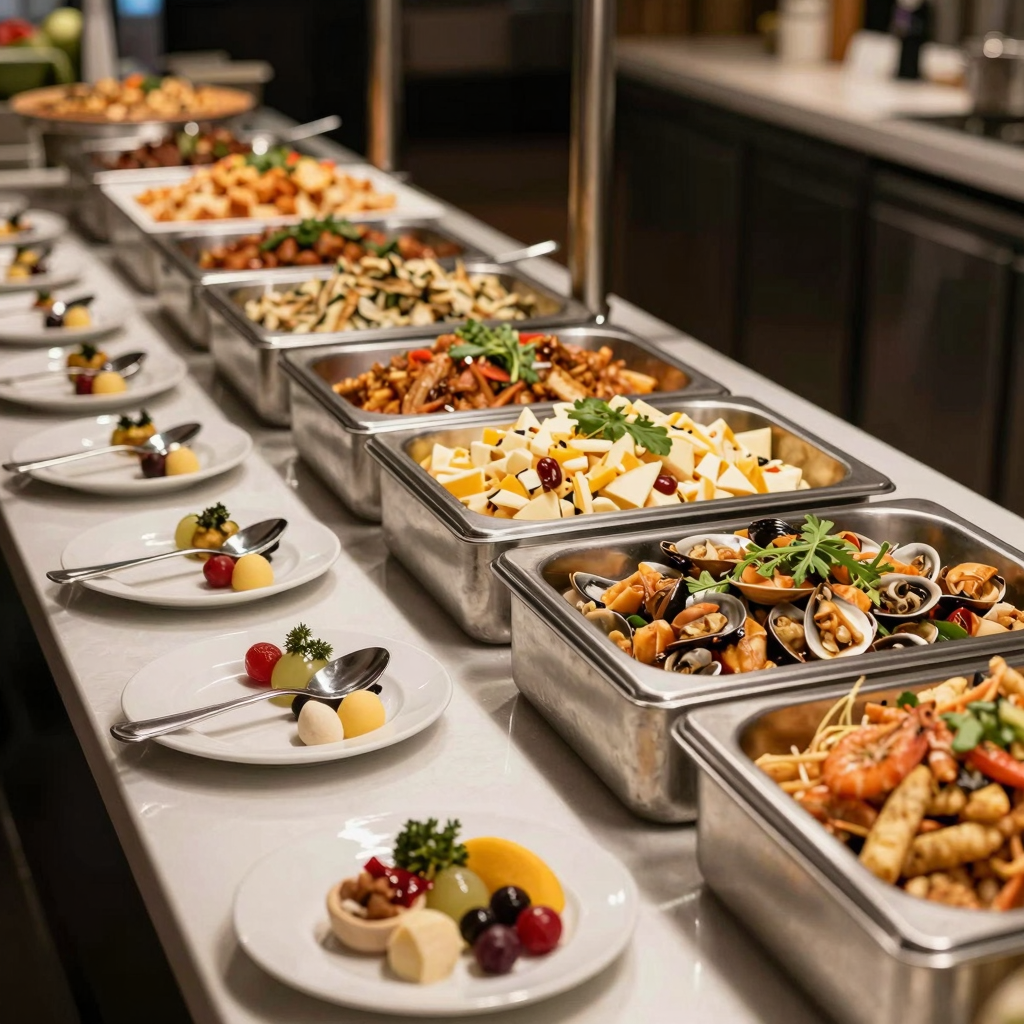
See the chart illustrating the benefits of buffet dining.
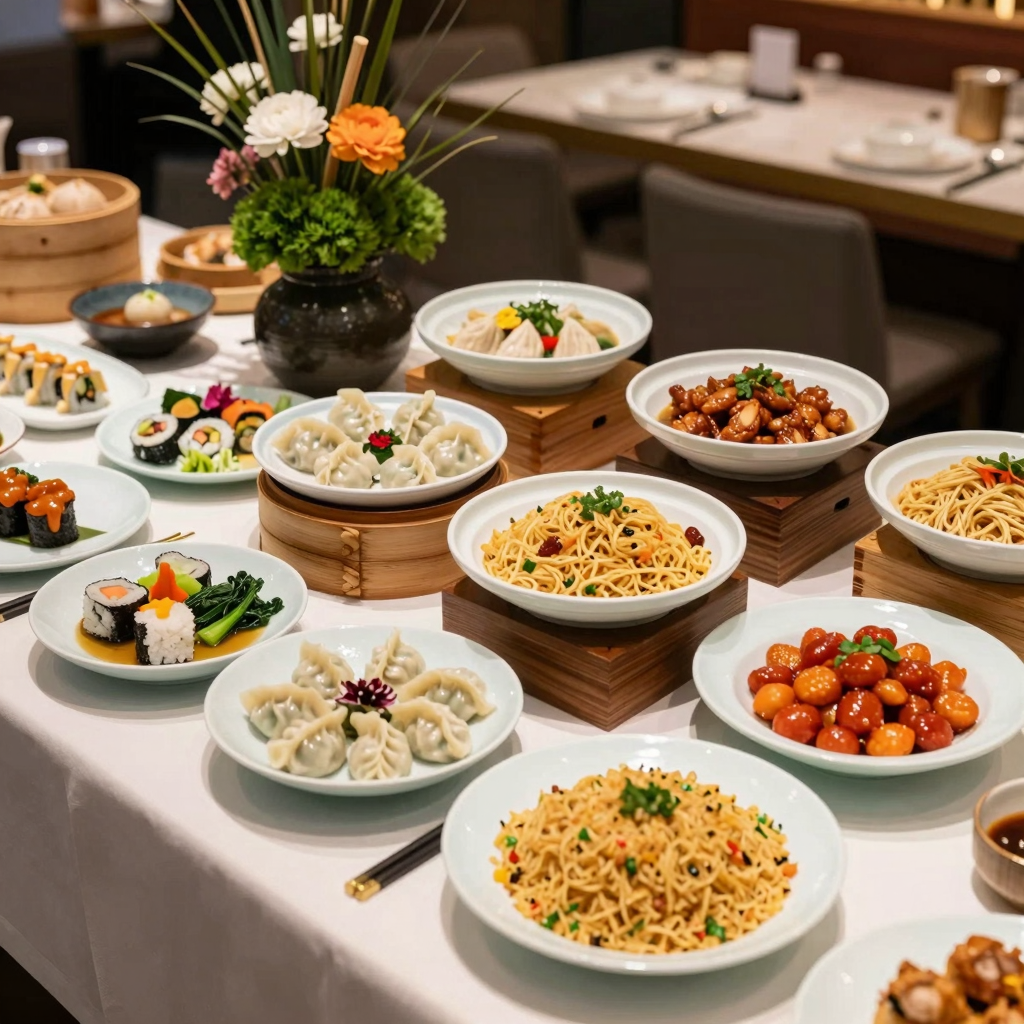
Target Markets for Buffet Chinese Restaurants
Buffet Chinese restaurants have a diverse range of target markets, with families, corporate groups, and event planners being the predominant segments. Understanding the unique needs of these groups allows restaurant owners to tailor their offerings, ultimately improving business outcomes.
Families
Families are a core market for buffet Chinese restaurants. According to a recent consumer survey by TripAdvisor, 68% of families choose buffets for their variety and affordability. Parents appreciate the wide range of dishes available, accommodating both traditional Chinese cuisine and familiar Western options. This diverse menu caters to different tastes, making dining out a pleasurable experience for all family members.
To attract more families, buffet restaurants can implement:
- Kid-friendly menu options and smaller serving sizes.
- Activity corners or play areas to keep children entertained.
- Special discounts for kids or family meal deals.
For more insight into family dining strategies, check out this guide on family-friendly dining trends.
Corporate Groups
Corporate groups are another significant market for buffet Chinese restaurants. These establishments are ideal for hosting meetings, team-building events, and celebratory dinners due to their spacious settings and customizable dining experiences. Many buffets offer bulk pricing and dedicated event spaces, which are attractive features for businesses looking to minimize costs while maximizing comfort.
To better serve corporate clients, restaurants should:
- Provide catering packages that include a variety of menu options.
- Facilitate group bookings and offer dedicated meeting areas.
- Host themed events that align with corporate celebrations.
For understanding how these features impact group dining, visit this article on buffet dining for groups.
Event Planners
Event planners favor buffet Chinese restaurants for conducting weddings, birthdays, and conferences because of their ability to accommodate large parties and offer price flexibility. Buffet venues that provide personalized catering packages and themed events can stand out in this competitive market. This adaptability makes them ideal for seasonal gatherings or cultural celebrations, enhancing their appeal.
By focusing on these key target markets, buffet Chinese restaurants can optimize their offerings to not only attract more customers but also significantly improve their overall business performance.
Customer Satisfaction Metrics Chart
Understanding customer satisfaction metrics is crucial for buffet restaurant owners. The following chart illustrates how various factors, such as food variety and price, affect overall customer satisfaction.
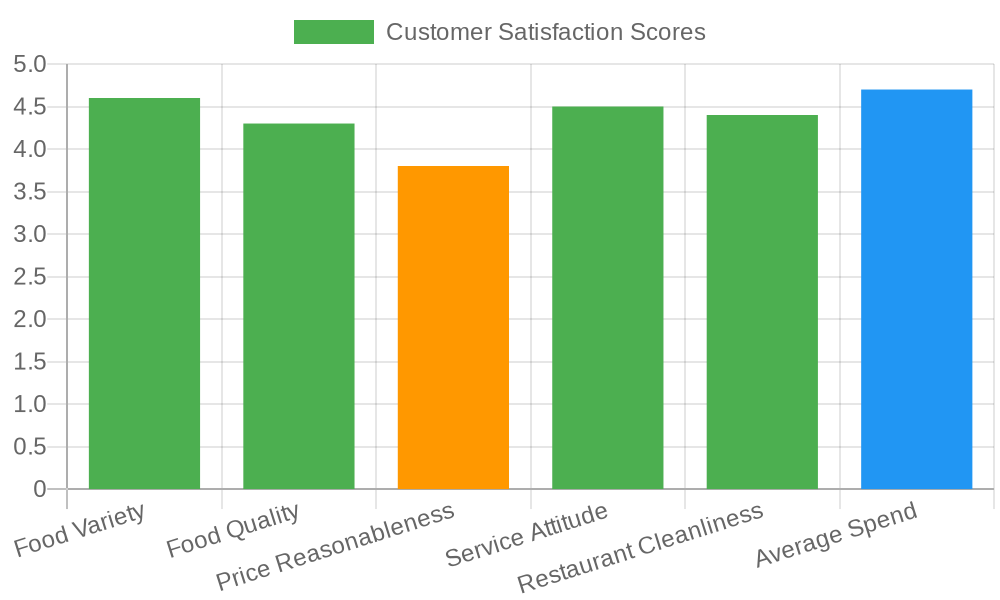
This chart highlights the key dimensions of customer satisfaction in buffet settings, demonstrating that variety plays a more significant role than price in enhancing customer experience.
For more insights on enhancing customer experiences, visit our Royal Buffet or check out our Findlay location information.
Take the Next Step Towards Buffet Excellence!
Are you a business owner looking to elevate your buffet restaurant’s potential? Look no further than Royal Buffet, where our mission is to not just meet but exceed your expectations in buffet management and operations. With a proven track record in managing successful buffet establishments, we offer bespoke consultation and strategic planning tailored to your unique needs.
Why Choose Us?
- Expert Guidance: Our team consists of seasoned professionals with extensive experience in buffet management, ensuring you benefit from industry best practices.
- Customized Solutions: We understand that no two businesses are alike. Our services include menu design, staff training, cost management, and marketing strategies geared toward attracting more customers to your buffet.
- Holistic Approach: We take into consideration every aspect of your operation. From ambience and service quality to food diversity and pricing, our comprehensive assessments will help you identify areas for improvement.
Imagine your buffet restaurant standing out in the market with a stronger brand presence, higher customer satisfaction, and increased profitability. Whether you’re starting from scratch or aiming to optimize your existing operations, we’re here to support you every step of the way.
Get in Touch Today!
Don’t let your buffet restaurant be just another spot on the block. Reach out to us for a consultation or to request a detailed quote. Let’s collaborate to create an inviting dining experience that keeps patrons returning time and again.
Contact us here or call us today to schedule your consultation. Find out how we can help you transform your buffet restaurant into a premier dining destination in your area, boosting not just your bottom line but the culinary delight of your customers as well.
For those in Findlay, Ohio, we invite you to explore our services tailored specifically for local business owners. Let’s make your buffet dreams a reality!
Food Safety and Regulations in Buffet Restaurants
Maintaining food safety and adhering to regulations is vital for the success of any buffet restaurant, specifically within the context of Chinese cuisine. Since buffet dining allows customers to serve themselves, it’s imperative that strict safety measures are in place to prevent foodborne illnesses and ensure a positive dining experience. Here are key regulations and practices that buffet restaurants must follow:
1. Hazard Analysis and Critical Control Points (HACCP)
The implementation of the HACCP system is crucial in monitoring and controlling food safety hazards. This systematic approach helps in identifying potential risks and ensuring that critical points in the food preparation and serving process are monitored effectively. Key aspects include:
- Conducting regular audits of food handling practices.
- Maintaining documentation of safety checks.
- Evaluating the hygiene conditions in food storage and preparation areas.
2. Temperature Control
Proper temperature management is essential in preventing bacterial growth. Buffet operators must ensure:
- Hot foods are maintained at 135°F (57°C) or above.
- Cold dishes are kept at 41°F (5°C) or lower.
- Regular temperature checks of food should be conducted every two hours to ensure safety. The USDA emphasizes the danger of bacterial growth in the “danger zone” between 41°F and 135°F, which can lead to foodborne illness.
3. Employee Training and Hygiene
All staff involved in food handling must understand the critical aspects of personal hygiene and food safety:
- Frequent hand washing, especially after handling raw foods.
- Wearing appropriate attire, including gloves and hairnets, to prevent contamination.
- Comprehensive staff training programs that emphasize safe food handling practices, including the importance of using separate utensils for different dishes.
4. Preventing Cross-Contamination
Cross-contamination is a significant concern in buffet settings. Adopting effective practices includes:
- Using separate serving utensils for each food item.
- Clearly labeling food dishes to inform customers of ingredients and allergens.
- Implementing sneeze guards around buffet tables to protect food from airborne contaminants.
5. Regular Inspections and Compliance
Routine checks by health inspectors help ensure compliance with local food safety regulations. Buffets must regularly review and be updated on health codes, which can vary by region. Keeping certifications up to date highlights the restaurant’s commitment to maintaining high safety standards.
Conclusion
In the competitive landscape of buffet restaurants, quality and food safety not only affect customer satisfaction but also build lasting trust. When guests feel confident about the safety of the food they are consuming, they are more likely to return. Buffet restaurants such as Royal Buffet prioritize these practices, ensuring a safe and enjoyable dining experience for all patrons.
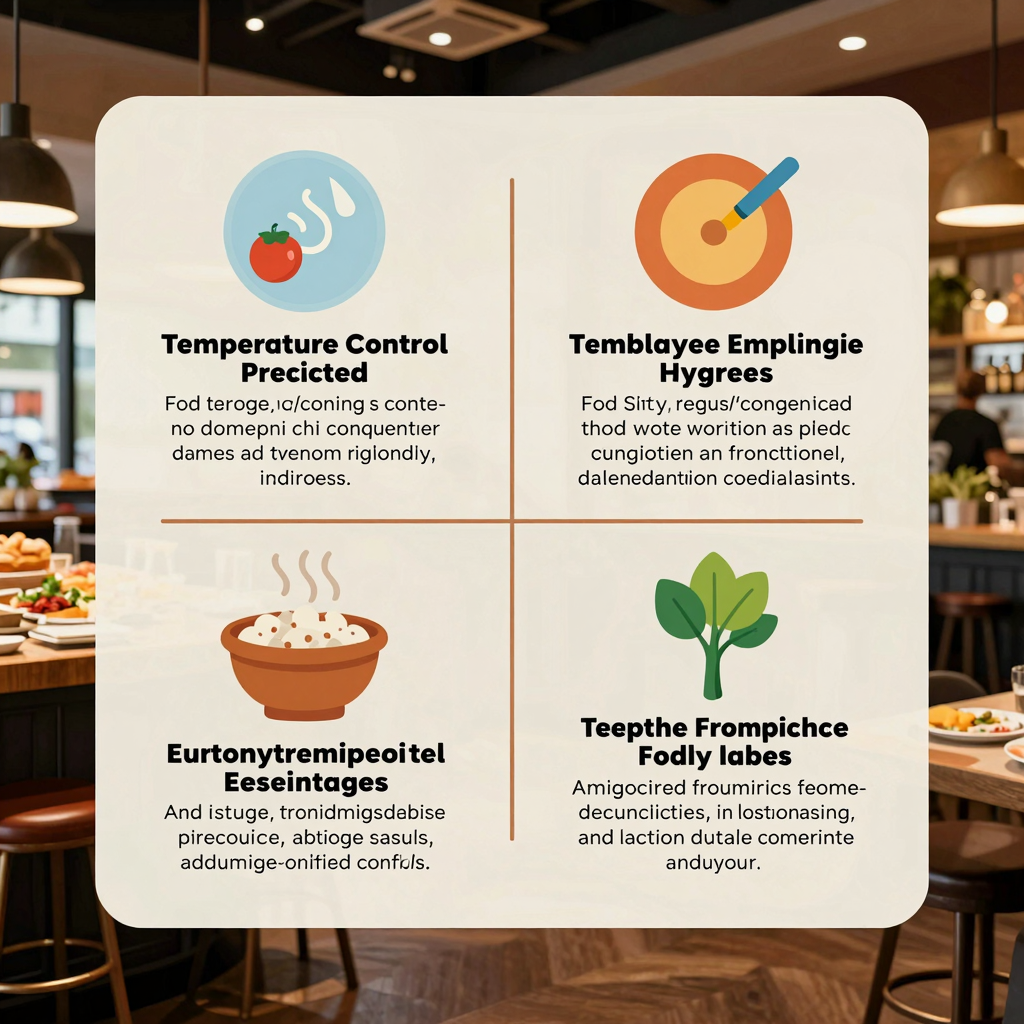
An infographic illustrating key food safety practices for buffet restaurants.
Industry Expert Insights on Buffet Restaurants
As buffet restaurants navigate the complexities of consumer expectations and operational challenges, insights from industry experts can provide valuable perspective. Mukesh Gupta, a recognized authority in the restaurant sector, articulates the dilemma faced by many buffet establishments:
“Many customers perceive buffets as overpriced relative to the value received, especially when food quality and freshness are inconsistent. The fixed-price structure makes it difficult to control food costs, particularly with high-end ingredients like seafood, which can erode margins if not managed carefully.”
- Mukesh Gupta, source
This assertion highlights the critical balance that buffet owners must strike in delivering value while managing costs effectively. For further industry trends and strategies on buffet operations, consider exploring options such as Royal Buffet’s diverse menu or their offerings in Findlay, Ohio at Royal Buffet in Findlay.
Employing strategic operational practices, understanding customer perceptions, and maintaining high standards in food quality can profoundly influence the success of buffet restaurants. The ongoing dialogue in the industry on these facets continues to shape the future of buffet dining experiences.