
The allure of a buffet-style restaurant is irresistible to many diners, offering a unique culinary journey where variety meets convenience. In today’s fast-paced world, these establishments have carved out a significant niche in the dining market, attracting food enthusiasts and families alike. The appeal lies not just in the sheer abundance of choices, but also in the freedom and flexibility they provide. Customers can explore an extensive selection of dishes, ranging from sumptuous starters to decadent desserts, and savor as many or as few as their appetites allow. This engaging dining experience fosters a communal atmosphere, as guests gather to share their favorite plates and exchange food recommendations, enhancing their overall enjoyment. Moreover, buffet-style restaurants cater to a diverse clientele, accommodating various dietary preferences and restrictions with ease. With each visit, customers are greeted with an ever-evolving menu that keeps their taste buds excited. Business owners looking to capitalize on this popularity should consider the strategic benefits of buffet offerings, as they not only drive traffic but also promise enhanced customer satisfaction. For those interested in diving deeper into the concept, experience the best at Royal Buffet and discover what makes buffet dining a standout choice.
The History of Buffet-Style Dining
Buffet-style dining has a storied past, with origins that date back to ancient civilizations. The concept of self-service dining can be traced to ancient Rome, where large communal tables displayed an array of foods for guests to serve themselves. This laid the groundwork for what would evolve into the modern buffet.
The Evolution of Buffets
The term ‘buffet’ itself comes from the French word “buffet,” meaning “a low table.” In the 19th century, this dining style began to formalize in Europe, particularly within France and Austria. During this time, lavish buffet dinners became a hallmark of high societal functions, embodying elegance and grandeur. These events allowed numerous guests to sample a variety of dishes laid out on long tables, enhancing the social experience of dining.
In America, the rise of buffet-style dining took off in the early 20th century, with hotels adopting this model for breakfast and banquet services. The popularity surged in the mid-20th century, particularly with Las Vegas casinos introducing the all-you-can-eat model. This offered a seamless way to serve large crowds while providing a cost-effective dining option for guests, setting the stage for buffets to become a global dining trend.

The Modern Popularity of Buffets
Today, buffets are celebrated not just for their abundance but also for their versatility. They cater to diverse tastes, allowing diners to explore various cuisines without the constraints of a traditional menu. Particularly in recent years, many families have turned to buffet restaurants as a means of getting the most value for their dining experience.
With rising living costs, the fixed-price nature of buffets has made them an attractive option. Industry reports indicate consistent interest in buffets, especially as they provide diners with a vast array of choices at a fixed cost, making them appealing for budget-conscious individuals and families.
For business owners, understanding the rich history and evolving nature of buffet dining is crucial. As discussed in more detail on Royal Buffet, the strategic development of buffet restaurants can greatly impact customer satisfaction and operational success.
The story of buffet dining reflects not just a culinary trend but a changing paradigm in dining culture, where variety, value, and experience are at the forefront.
In recent years, buffet-style restaurants have undergone significant changes, driven by evolving consumer preferences and market demands. Here’s a comprehensive overview of the latest trends impacting the buffet dining sector, with a special focus on consumer expectations and statistics.
Rising Demand for Quality and Variety
Today’s consumers are increasingly concerned with the quality and diversity of food offerings at buffet-style restaurants. Research indicates that over 76% of consumers prefer prices below 150元 (approximately $22) for buffet meals, showcasing their desire for affordability alongside quality. According to a report from the National Restaurant Association, there has been a notable shift toward ‘smart buffets’, where freshness and customization are prioritized. Features like live cooking stations and interactive food bars are becoming essential, indicating a trend towards experience-driven dining.
Health and Sustainability Concerns
Consumers are becoming more health-conscious and environmentally aware. The demand for healthier and inclusive options-like clearly marked vegan and gluten-free dishes-is rapidly increasing. In 2023, a significant number of diners expressed a preference for buffets that prioritize sustainability, with 64.8% of consumers indicating that convenience and responsible sourcing are key factors in their selection process. Moreover, cleanliness continues to be paramount, with a recent study showing cleanliness ranked highest in utility when choosing a buffet restaurant.
Technology Integration
Another critical trend affecting buffet-style restaurants is the inclusion of digital solutions. Modern customers expect seamless experiences, including contactless payments and digital menus. According to McKinsey’s analysis, 65% of consumers still have reservations about traditional buffet setups due to hygiene concerns. In response, many establishments are adopting technology-driven solutions to enhance safety and convenience, such as real-time ingredient tracking and digital ordering systems. This trend underscores the need for buffet-style restaurants to innovate continuously to meet consumer expectations.
Consumer Preferences Overview
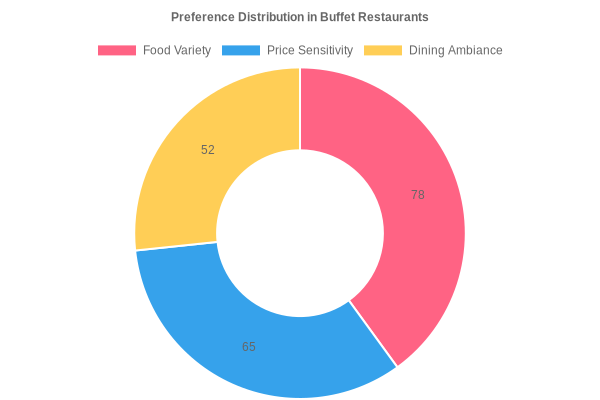
A 2023 study identified several key preferences among buffet patrons:
- Food Quality: Consumers are increasingly looking for higher-quality ingredients and flavorful offerings.
- Diversity of Options: A varied selection of foods, particularly those that reflect local and international cuisines, is highly valued.
- Presentation and Hygiene: Guests prefer attractive food presentations and are particularly cautious about hygiene, making cleanliness a top priority in their dining experience.
Challenges Facing Buffet-Style Restaurants
Despite the appealing trends, buffet-style restaurants face challenges stemming from rising food prices and inflation, influencing customers’ perceptions of value. While buffets offer the promise of variety, patrons are now more discerning regarding quality over quantity. A shift from all-you-can-eat models to more curated dining experiences is evident, with successful establishments focusing on premium ingredients and themed events.
Summary of Key Statistics
Here is a summary of consumer preferences based on various 2023 studies:
| Preference | Statistic |
|---|---|
| Consumers preferring prices <150元 | 76% |
| Consumers prioritizing cleanliness | 80% |
| Preference for health-conscious options | 65% |
| Demand for technology integration | 70% |
| Value perception over quantity | 60% |
Conclusion
To remain competitive in the evolving landscape of buffet-style restaurants, business owners must focus on enhancing food quality, diversifying their offerings, adopting sustainable practices, and integrating modern technology. These trends reflect a broader consumer shift toward valuing not just a meal, but an experience that meets their dietary and ethical expectations.
For business owners looking to implement these trends, Royal Buffet offers an array of options that cater to these changing demands. The buffet industry’s future lies in its ability to adapt to these consumer trends, ensuring that patron satisfaction remains a top priority.
Comparison of Buffet-Style Restaurant Models
Buffet-style restaurants offer various dining experiences and pricing structures. Below is a detailed comparison table of different buffet restaurant models, highlighting their unique attributes, target audiences, benefits, and challenges.
| Buffet Model | Pricing | Target Audience | Benefits | Challenges |
|---|---|---|---|---|
| All-You-Can-Eat | Typically fixed price per person, e.g., $20-$30 | Families, budget-conscious diners, young adults | Cost-effective, diverse food options, customizable meals | Possible food quality control issues, overcrowding |
| Fixed Price | Fixed rate, e.g., $15-$25 per meal | Families, students, large groups | Simple pricing model, predictable revenue | May limit profit margins, risk of perceived value loss |
| Themed Buffet | Approximately $20-$40 depending on the theme | Families, food enthusiasts, event planners | Unique dining experience, attracts niche markets | Higher operational costs, need for quality management |
| Family-Style Buffet | Set price for a fixed menu (e.g., $25 per family) | Families and gatherings | Easy to manage, fosters social interaction | Limited variety, potential food waste |
| Seasonal Buffet | Pricing varies (e.g., $30 for holiday specials) | Seasonal diners, special event crowds | Seasonal themes can attract interest, high customer engagement | Higher operational complexity due to changing menus |
Sources
- Insights about buffet models can be further explored in this comprehensive guide.
- For those interested in seasonal offerings, check this article on how buffets are adapting to modern dining trends.
Best Practices for Running a Successful Buffet-Style Restaurant
Operating a buffet-style restaurant requires a blend of food safety, customer service, and effective menu design to ensure ongoing success and operational efficiency. Here are some best practices to guide restaurant owners in these key areas:
Food Safety
Food safety is paramount in any dining establishment, especially buffets where multiple dishes are displayed. Adhering to strict food safety guidelines helps prevent foodborne illnesses and protects your customers.
- Temperature Control: According to the FDA and CDC guidelines, hot foods should be maintained at temperatures above 140°F (60°C), while cold foods must remain below 40°F (4°C). Use calibrated thermometers to check these temperatures periodically.
- Sneeze Guards and Utensils: Installing sneeze guards is crucial to protect food from contaminants. Additionally, ensure that serving utensils are changed frequently to minimize cross-contact between guests.
- Employee Hygiene: Staff must wear gloves and hairnets when handling food. Regular training in HACCP (Hazard Analysis Critical Control Point) principles helps maintain hygiene standards and is essential for safety. This training includes proper food handling techniques and sanitation practices.
- Proper Food Rotation: Implement a ‘first-in, first-out’ system for food to ensure freshness and reduce food waste. Perform audits to ensure guidelines are followed routinely.
Customer Service
Exceptional customer service can set your buffet apart from competitors. Here are strategies to enhance the guest experience:
- Friendly Greeting Staff: A welcoming staff that greets guests warmly contributes to a positive atmosphere and encourages return visits.
- Efficient Management of Lines: Managing wait times and effectively directing foot traffic can improve the dining experience. Use hosts or hostesses to monitor the line and seat guests promptly.
- Feedback Mechanism: Implement digital kiosks or comment cards for customer feedback to continuously improve service. Responding promptly to guest feedback can enhance satisfaction and loyalty.
Effective Menu Design
An appealing and efficient menu is critical for buffet restaurants. A well-structured menu can streamline operations and enhance customer satisfaction:
- Clear Labelling: Clearly label dishes, especially those containing common allergens. This transparency helps customers make informed choices and improves their dining experience.
- Group by Cuisine: Grouping dishes by cuisine or color can reduce confusion and streamline the buffet experience. It also simplifies restocking and minimizes cross-contamination.
- Dynamic Pricing: Consider implementing dynamic pricing models based on ingredient costs and seasonal availability to manage costs effectively while maintaining quality. This strategy can also help maximize profit margins.
- Portion Control: Design the menu to encourage appropriate portion sizes. This approach reduces food waste and helps in managing operational costs effectively.
Operational Efficiency
Improving operational efficiency in a buffet-style restaurant involves planning and monitoring:
- Strategic Food Stations: Organizing dedicated food stations can streamline access and reduce bottlenecks during peak hours.
- Regular Monitoring of Supplies: Use digital signage to display real-time inventory and specials, which can help avoid waste and keep offerings fresh.
- Staff Training and Rotation: Ensure that staff are well trained in both culinary and customer service aspects and rotate roles regularly to maintain high morale and flexibility within the workforce.
In conclusion, following these operational best practices for food safety, customer service, and effective menu design will not only create a delightful dining experience for guests but also enhance the overall efficiency and profitability of your buffet-style restaurant. By continually optimizing processes and prioritizing customer satisfaction, owners can ensure long-term success in this competitive industry. For further insights and resources, check out our offerings at Royal Buffet.
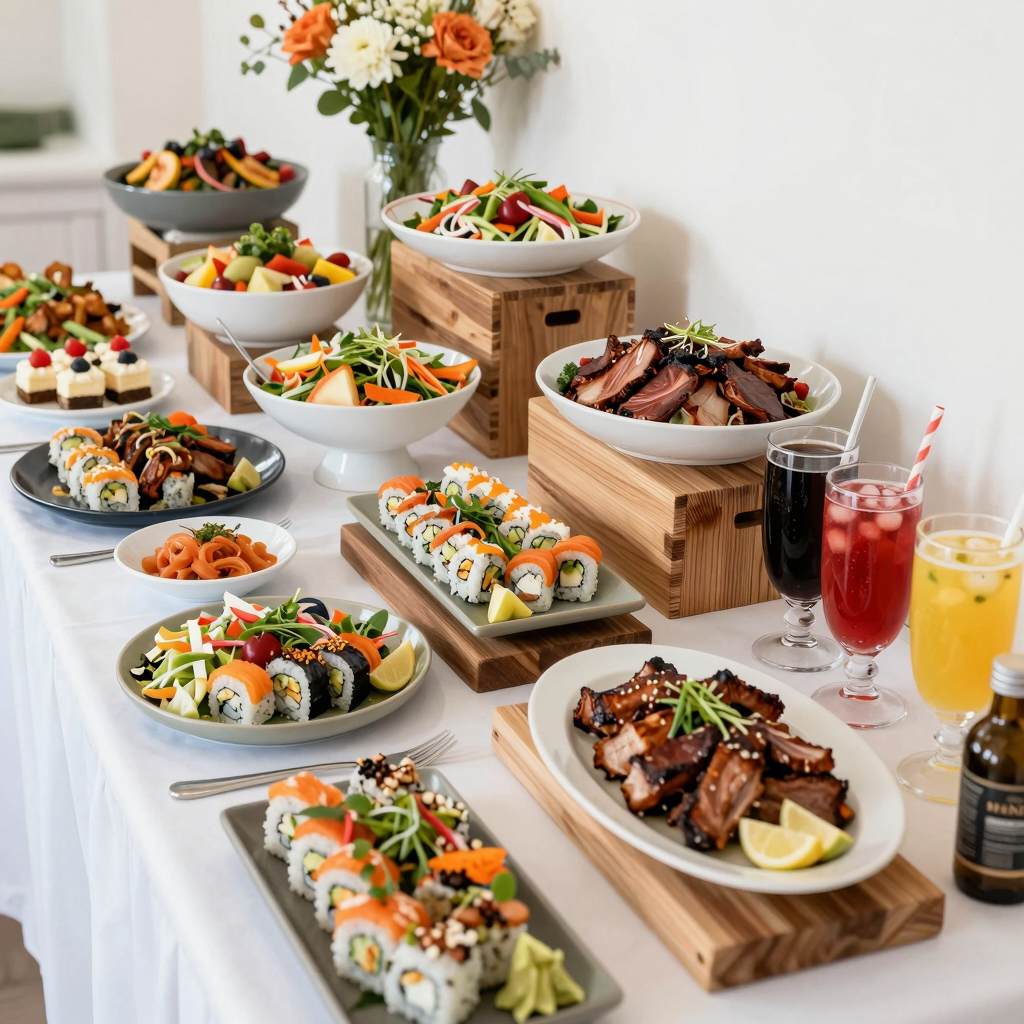
Innovative Marketing Strategies for Buffet-Style Restaurants
Buffet-style restaurants have unique selling propositions, given their variety of offerings and the appeal of all-you-can-eat dining. To maximize their potential, restaurant owners should consider adopting effective marketing strategies that focus on customer engagement and promotional offers. Here are several actionable tips tailored to buffet-style establishments:
1. Leverage Promotional Offers
Promotional offers can significantly drive traffic to buffet-style restaurants. Here are a few ideas:
- Happy Hour Specials: Offer discounted pricing during off-peak hours to attract more customers. This can include special pricing for certain demographics, such as students or senior citizens.
- Seasonal Promotions: Tie promotions to holidays or events, such as discounts for family gatherings on holidays like Thanksgiving or Christmas. Consider special menus during these periods to enhance the dining experience.
- Membership Deals: Create loyalty programs where customers can accumulate points with each visit, providing discounts or free meals after a certain number of visits. This not only encourages repeat visits but also builds brand loyalty.
For more information on enticing promotions, visit our page on Royal Buffet.
2. Enhance Customer Engagement
Engaging with customers effectively can boost retention and foster a sense of community. Strategies include:
- Interactive Social Media Campaigns: Utilize platforms like Instagram and Facebook to host user-generated content competitions, encouraging customers to share their buffet experiences. A prize for the best photo can incentivize participation.
- Themed Nights: Host themed buffet nights, such as “Taco Tuesdays” or “Italian Night”, where customers can enjoy cuisine from different cultures. This not only diversifies the menu but also creates excitement and anticipation.
- Feedback Incentives: Encourage customers to leave reviews on platforms like Yelp or Google by offering them discounts on their next meal. Positive reviews enhance the restaurant’s visibility and attract new customers.
3. Utilize Visual Marketing
Since buffet-style restaurants thrive on the visual appeal of their dishes, consider these tactics:
- Food Photography: Invest in professional photography that highlights the variety and presentation of your buffet. Use these images across digital platforms to entice potential customers.
- Digital Menus with Pictures: Update your website and social media with colorful visuals of your dishes. A visually appealing menu can often sway dining decisions.
- In-Restaurant Signage: Use effective signage within your restaurant to display daily specials and popular dishes. This helps customers make quick and informed decisions about what to try next.
For creative visual marketing strategies, you can check out ideas on Pinterest.
4. Optimize Online Presence
In today’s digital world, having a strong online presence is crucial:
- Search Engine Optimization (SEO): Optimize your website with keywords related to buffet dining, such as “buffet restaurant near me” or specific cuisines you offer. This can help in attracting local customers searching for dining options.
- Online Reservations: Offer online booking options to make dining convenient and encourage pre-planning for large groups, which is a common occurrence at buffet restaurants.
Conclusion
Implementing these marketing strategies can significantly enhance the visibility and attractiveness of buffet-style restaurants. By focusing on promotional offers, customer engagement, and visual marketing, business owners can create a compelling dining experience that attracts new customers and retains existing loyal patrons. For more detailed strategies and updates, visit Royal Buffet in Findlay, Ohio.
Customer Testimonial
“I recently visited Royal Buffet with my family, and we had an amazing experience! The variety of food options was simply outstanding. From delicious sushi to fresh stir-fried dishes, there was something for everyone. I was particularly impressed by the quality of the food-it felt more like dining at a five-star restaurant than a buffet. Every dish was flavorful and cooked to perfection. The atmosphere was warm and inviting, making it the perfect spot for celebrations. If you’re looking for a buffet that offers both variety and quality, I highly recommend Royal Buffet. We’ll definitely be coming back for more!”
- Sarah M., Loyal Customer
To learn more about our offerings, check out our menu and discover what makes us the go-to buffet in the area!
Conclusion
In conclusion, buffet-style restaurants offer a unique and versatile dining experience that meets the diverse tastes of today’s consumers. Throughout the article, we explored how this dining model not only enhances customer satisfaction through a wide range of choices but also benefits restaurant owners with increased operational efficiency and the potential for higher profit margins. The self-service nature of buffets allows guests to enjoy an all-you-can-eat format, which has proven to be particularly popular among families and large groups, thus driving foot traffic and repeat visits.
As the culinary landscape continues to evolve, now is the perfect time for business owners to consider incorporating a buffet model into their offerings. With strategic planning and the right support, you can capitalize on this trend and create a thriving restaurant that stands out in a competitive market.
If you’re interested in exploring how to successfully implement a buffet-style dining option or if you require assistance in developing your restaurant concept, we invite you to contact us for expert guidance. Not only can we provide resources, but we can also help you develop a tailored buffet menu that caters to your target audience. Let us assist you in creating a dining experience that your customers will love, ensuring that your buffet restaurant flourishes for years to come.