
The Resurgence of Buffet-Style Restaurants in a Post-COVID World
As the world emerges from the shadows of the COVID-19 pandemic, buffet-style restaurants are making a notable comeback. Initially, the buffet model faced challenges due to health concerns and sanitary regulations that put a damper on self-serve dining experiences. However, innovative adaptations have transformed these dining establishments, paving the way for a resurgence that delights both patrons and business owners alike.
Recent trends indicate that buffet restaurants are not only reopening but are also thriving in many regions. According to reports from Dubai’s hospitality sector, there’s been a significant resurgence in buffet dining, driven by changing consumer preferences that lean towards value-for-money experiences while emphasizing enhanced hygiene practices. For instance, many buffet venues have introduced safety measures such as contactless serving methods, clearer signage, and dedicated staff to oversee food replenishment, effectively alleviating initial health concerns that once deterred diners from frequenting such establishments.
Restaurants are also creatively curating unique themes and promotional brunches to attract families and groups, enhancing the overall dining experience. This strategy aligns with research indicating that buffet setups appeal particularly to family-oriented customers, providing a wide variety of choices-all at a fixed price. Dinner options at places like Royal Buffet showcase these approaches, presenting diverse cuisines and an inviting atmosphere for diners returning to a vibrant social experience.
Further consolidating this trend are observations regarding increased occupancy rates at buffet venues, indicating that diners are regaining confidence in self-service dining. As families and groups seek cost-effective dining options that don’t compromise on quality or safety, buffet-style restaurants have indeed risen to the occasion, redefining the post-COVID dining landscape.
| State | Status | Capacity Limits | Health Guidelines |
|---|---|---|---|
| California | Partially Open | Max 75% capacity | Physical barriers required; food must be served by staff or self-serve using single-use utensils; daily cleaning frequency higher than regular dining areas. Learn more about California’s food safety guidelines |
| New York | Open | Temporary capacity controls | Must have splash guards; food must be reheated to 165°F (74°C) before serving; no direct hand contact with food. Learn more about New York’s guidelines |
| Texas | Open | No statewide limits | Must maintain safe food temperatures; no shared containers; daily cleaning of serving areas. |
| Washington | Open | Subject to local regulations | Needs to follow federal food safety guidelines; specific food storage laws apply. |
Benefits of Buffet-Style Dining for Businesses
Buffet-style dining has gained popularity not only for its appeal to customers but also for the significant advantages it offers to business owners. Here are some of the key benefits:
1. Customer Satisfaction
- Variety and Choice: Buffets provide customers with an array of dishes, catering to diverse tastes and dietary preferences. This variety can enhance overall customer satisfaction as diners can create their own meals from a larger selection.
- Self-Service Convenience: The self-service aspect allows customers to enjoy their meal at their own pace, making buffet dining a more leisurely and customer-friendly experience.
2. Operational Efficiency
- Cost-Effective Labor Management: Buffet restaurants typically require fewer staff members for service compared to traditional dining setups. With customers serving themselves, labor costs can be significantly reduced. This means greater operational efficiency and lower overhead costs for the business.
- Streamlined Inventory Management: Buffets allow for better control of food inventory and waste. With a set amount of food prepared, businesses can monitor consumption patterns and adjust their offerings accordingly, making it easier to manage stock and reduce food wastage.
3. Increased Foot Traffic
- Attraction of Large Groups: Buffets are often an attractive option for families and large groups, especially during gatherings and celebrations, which can drive foot traffic significantly.
- Special Promotions and Events: Buffet restaurants often host themed nights or special events, drawing in more customers and increasing visibility in the community. This strategy can make the restaurant a preferred choice for events, further boosting foot traffic.
4. Enhanced Profitability
- Higher Average Customer Spend: While buffet pricing might seem lower per dish, customers often consume more than they would in a traditional setting, thus increasing average spend per table. This is especially true during peak hours, such as lunch and dinner.
- Efficient Use of Space: Buffet restaurants often make efficient use of their floor space by accommodating more tables, maximizing seating capacity during peak hours.
5. Flexibility in Menu Engineering
- Seasonal and Local Menus: Buffets allow for the introduction of seasonal specials and local flavors, appealing to the community’s tastes and preferences, which can also create strong local support and loyalty.
- Promotion of New Dishes: Restaurants can introduce new menu items more fluidly, gauging customer interest based on their consumption at the buffet, allowing for agile menu adjustments that resonate with patrons.
In summary, buffet-style dining presents considerable advantages for business owners, including enhanced customer satisfaction, operational efficiency, increased foot traffic, and opportunities for higher profitability. Embracing this dining style not only attracts a diverse clientele but also can streamline various operational processes, making it a viable model for many restaurant owners. To explore how buffet dining can work for your business, check out our offerings.
“Maintaining proper food temperatures and minimizing the time food spends in the ‘danger zone’ (40°F-140°F) are critical when operating buffets. It’s essential to watch the clock and ensure that all safety measures are implemented to protect customers’ health.”
- U.S. Food and Drug Administration (FDA), Serving Up Safe Buffets
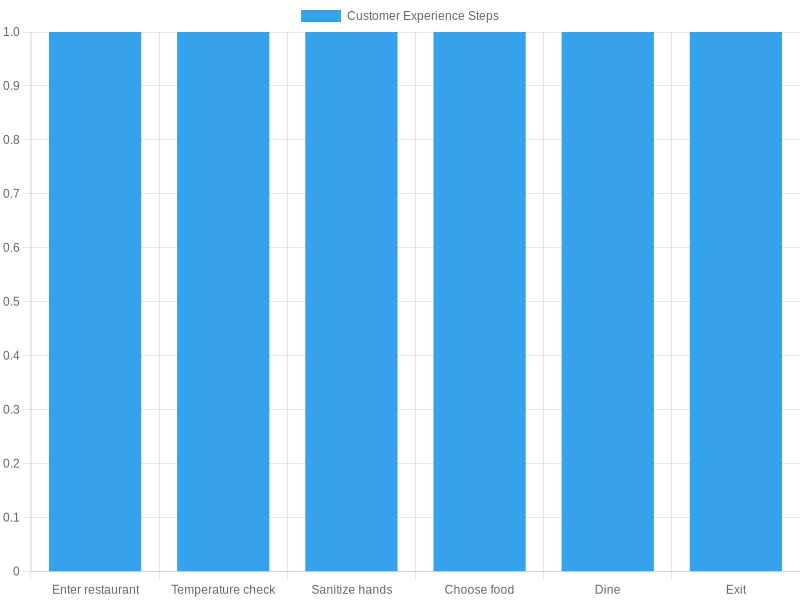
Customer Experience Flowchart at an Open Buffet Restaurant
This flowchart outlines the customer experience at an open buffet restaurant, detailing various steps and health measures that ensure a safe and enjoyable dining experience:
- Enter restaurant: Customer arrives at the entrance, possibly greeted by staff.
- Temperature check: Non-contact temperature screening.
- Sanitize hands: Use of alcohol-based hand sanitizers.
- Choose food: Guests select food from temperature-controlled stations with safety checks.
- Dine: Meals are eaten at socially-distanced tables using disposable tableware.
- Exit: Guests return trays and provide feedback if desired.
For more details on buffet dining options, check out Royal Buffet in Findlay, Ohio and explore various menu selections!
Challenges Buffet Restaurant Owners Face
Reopening buffet-style restaurants entails several challenges that require careful navigation. Beyond the logistics of service delivery, business owners must address concerns related to food safety, staffing, and shifting customer preferences.
1. Food Safety
Food safety remains paramount, especially in buffet operations where food is exposed for extended periods. The U.S. Food and Drug Administration (FDA) outlines critical guidelines for maintaining safe food temperatures: cold foods must be kept at 40°F (4°C) or colder, while hot foods should remain above 140°F (60°C). It’s crucial to refrigerate items until just prior to serving to minimize potential bacterial growth. Buffet operators should:
- Enforce strict temperature controls: Use food warmers and ice beds to maintain food safety.
- Train staff on hygiene practices: Regularly emphasize using clean utensils, avoiding cross-contamination, and minimizing the time food spends in the temperature “danger zone” (40°F to 140°F). For more detailed food safety guidelines, check the FDA’s recommendations on serving up safe buffets.
2. Staffing Issues
Staffing can be a significant hurdle. After the pandemic, many restaurants face staff shortages, impacting service quality. Owners should:
- Invest in training and retention programs: Develop attractive incentive plans, flexible schedules, and opportunities for professional development to retain existing staff.
- Utilize technology: Implementing systems for order management and customer service can help reduce the strain on staff and streamline operations.
3. Customer Preferences
Customer preferences have shifted during the pandemic. Guests may now prefer smaller portions or a la carte options over traditional buffet styles. To adapt:
- Offer diverse dining options: Consider providing hybrid models that include both buffet and individual plate served options to cater to varying consumer tastes.
- Focus on cleanliness and safety: Emphasize hygiene protocols in marketing to instill confidence in potential diners.
As buffet restaurant owners navigate these challenges, continuous monitoring of trends and adapting to customer feedback will be key. By addressing their concerns proactively, owners can create a safe, appealing environment that attracts customers and encourages repeat visits. For insights into buffet operations in your area, visit Royal Buffet.
In conclusion, while reopening buffet-style restaurants poses distinct challenges, strategic planning and a focus on food safety, staffing, and customer preferences can ensure successful operations.
Post-Pandemic Buffet Restaurant Attendance Trends
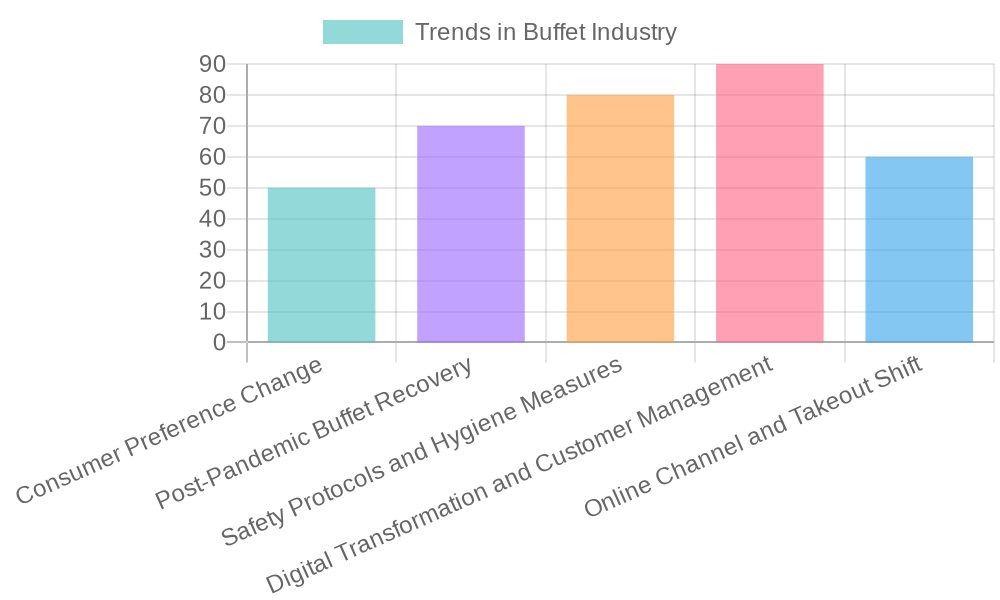
Since the onset of the COVID-19 pandemic, buffet restaurants have witnessed significant changes in customer attendance and preferences. As the sector begins to recover, a variety of trends have emerged that illustrate how buffets are adapting and evolving in the current marketplace.
Recovery and Attendance Levels
According to a recent study, the attendance rates at buffet restaurants have rebounded impressively, showing recovery rates estimated between 50% to 70% of pre-pandemic levels in 2023. This resurgence has been driven by the growing demand for affordable dining experiences as consumers seek value-oriented options after economic uncertainties.
Changing Consumer Preferences
Consumer preferences have notably shifted since the pandemic, leading to the following trends:
- Health-Conscious Choices: Many customers are prioritizing healthier menu options, including organic and locally sourced foods. This reflects a broader trend toward wellness and nutrition.
- Enhanced Safety Protocols: Buffets have significantly increased their emphasis on hygiene and safety. Many establishments now offer contactless options such as mobile ordering and self-serve kiosks, which have contributed to customer confidence in dining out again.
- Digital Transformation: Adoption of technology has soared, with online ordering and takeout options becoming commonplace alongside traditional dining. This shift emphasizes convenience and safety.
Restructuring the Buffet Experience
Facing the challenges of the pandemic, buffet restaurants are reimagining their service models:
- Personalized Services: There is a push towards creating immersive dining experiences that allow for customization, enhancing the guest experience while ensuring safety.
- Adaptation of Menu Items: The implementation of meal kits and boxed meals is on the rise, which caters to the growing preference for takeout and off-premise dining.
Projected Growth for the Buffet Sector
Moving forward, the buffet restaurant industry is projected to grow at an annual rate of 6.3% from 2026 to 2033. This growth is fueled by a renewed interest in social dining experiences driven by celebrations and events like weddings and holidays, where buffs provide convenient and large-scale meal solutions.
Conclusion
The post-pandemic landscape presents both challenges and opportunities for buffet restaurants. Emphasizing safety, technology, and health from this point forward will not only align with consumer expectations but propel the sector towards a robust recovery. Buffets can thrive again by embracing these evolving customer behaviors, ensuring they remain a sought-after dining option.
For insights on specific buffet options in your area, visit our Royal Buffet or check out our menu options.
Health and Safety Regulations for Buffet Restaurants
Buffet-style restaurants must adhere to various health and safety regulations to ensure the safety of their food and the well-being of their customers. Here are some essential regulations:
- Food Safety Management
- Compliance with the FDA Food Code is crucial, which includes temperature control for hot food above 135°F (57°C) and cold food below 41°F (5°C).
- Hygiene and Sanitation
- Strict handwashing procedures must be followed. Employees must wash hands before handling food and after using the restroom.
- Cleaning and sanitizing surfaces and equipment regularly to prevent cross-contamination is mandatory.
- Serving Safeguards
- Use of sneeze guards and self-service systems must conform to health standards to minimize contamination risks.
- Proper labeling of allergenic foods to inform customers about potential hazards.
- Waste Management
- Compliance with local rules regarding food waste disposal and recycling.
- Employee Training
- Staff must undergo food safety training to be aware of proper food handling practices. Regular training sessions help reinforce safety protocols.
For more on buffet operations, check out Royal Buffet in Findlay, Ohio. Keeping up with health and safety regulations not only ensures compliance but also enhances customer trust and satisfaction.
In conclusion, the buffet-style restaurant landscape is undergoing significant transformation in 2023, influenced by rising food costs, labor shortages, and changing consumer preferences. As buffet operators navigate these challenges, the shift from traditional all-you-can-eat models to more refined, limited-serve formats has emerged as a notable trend. These new approaches focus on delivering high-quality, chef-crafted dishes that prioritize freshness and sustainability, appealing to a discerning clientele willing to pay for enhanced dining experiences. Business owners should be aware that this evolution may improve profitability while also boosting customer satisfaction.
Moreover, technology integration plays a vital role in modernizing buffet services, with innovations like digital ordering and customizable meal options becoming increasingly popular. The change towards server-assisted dining not only enhances the customer experience but also streamlines operations, potentially reducing food waste significantly.
As buffet-style restaurants continue to adapt to the post-pandemic dining environment, it is crucial for business owners to embrace these insights. By shifting focus towards quality, operational efficiency, and customer-oriented services, buffet restaurants can not only survive but thrive amidst economic fluctuations. For those looking to stay competitive, now is the time to explore these trends deeply and consider how to implement them effectively in their dining establishments. For more information on successful buffet operations, check out our menu options and explore the return of buffet dining.
Contact Us for Further Assistance
If you are a business owner looking to navigate the buffet restaurant scene more effectively, don’t hesitate to reach out to Zoomlion for expert guidance. Whether you seek advice on operational efficiency or enhancing customer satisfaction, our team is here to help. Contact us today for more information and let us assist you in your journey towards a successful buffet restaurant operation!