
The Dilemma of Tipping at Buffet Restaurants
When dining at a buffet restaurant, the question of tipping often surfaces, leaving many diners perplexed about the standard service etiquette. Unlike typical restaurants where tips are usually calculated based on the total bill and perceived service quality, buffets pose unique challenges. Here, patrons serve themselves, but they still benefit from the staff’s efforts in maintaining cleanliness, refilling drinks, and clearing tables. This duality can lead to confusion about what constitutes an appropriate tip, straddling the line between gratitude and the expectation of service. As tipping remains a significant part of the hospitality industry, acknowledging the hard work of buffet staff is essential. Understanding the nuances of tipping in buffet settings can ensure that diners enhance their dining experience while respecting the service workers behind the scenes. For a closer look at our offerings, visit Royal Buffet for more information on our locations in Findlay, Ohio.
Tipping vs. Non-Tipping Service Models
Dining at restaurants often involves differing payment structures, with tipping and non-tipping service models being the two primary methods of compensating staff. Understanding the nuances of these models is critical, particularly for restaurant owners looking to enhance their service offerings and employee satisfaction.
Tipping Service Model
In the tipping model, patrons leave gratuities for their servers that supplement the base wage they receive. Here are some key features:
- Income Variability: Servers depend significantly on tips, which can fluctuate based on customer generosity and frequency of visit.
- Average Tips: Establishments following this model typically see average tips ranging from 15%-20% of the total bill. For instance, in a restaurant where the average meal costs $30, the expected tip amounts to approximately $4.50-$6.00. This income reliance leads to considerable financial instability among staff, contributing to issues such as stress and job dissatisfaction. A recent study reported an average employee satisfaction rating of 6.8 in traditional full-service restaurants, reflecting these challenges.
- Buffet Settings: Even when customers serve themselves, tipping is still customary to acknowledge the support staff, such as those handling food staging and maintaining cleanliness. The National Restaurant Association recommends a 10% tipping standard for casual buffets.
Non-Tipping Service Model
The non-tipping model, increasingly embraced by various establishments, eliminates the tipping culture entirely:
- Fixed Wages: Employees receive a set wage, typically higher than the sub-minimum wage mandated in the tipping model. Establishments in this category might charge a fixed service fee or incorporate higher menu prices to ensure competitive wages despite the lack of gratuity.
- Employee Satisfaction: Workers under the non-tipping system often report higher satisfaction ratings, averaging around 8.3 to 8.7 out of 10 due to job stability and predictable income. The absence of tipping reduces pressure on staff and fosters a more supportive workplace environment.
- Examples of Implementation: Notable restaurants like Union Square Café in NYC operate under this model, showcasing increased employee retention and overall job satisfaction.
Implications for Buffet Service Under Both Models
In buffet scenarios, the expectations can vary significantly:
- Tipping Impact: Although customers serve themselves, it’s essential for business owners to recognize that wait staff still play a vital role in providing a quality experience. Not tipping in buffet situations may send a message of undervaluation toward the ancillary services handled by the staff. As illustrated, about 68% of patrons now opt to tip on takeout and buffet services, reflecting a change in perspective toward fair compensation.
- Non-Tipping Adoption Risks: Introducing a no-tip model in buffets can be met with resistance from guests used to traditional practices. It is crucial for the establishment to build a narrative around why the model is beneficial for both employees and customers, such as enhanced service quality, loyalty programs, or improved dining experiences through consistent staff training.
Understanding the ramifications of either model allows restaurant owners to fine-tune their compensation strategies and adapt to changing consumer preferences while enhancing employee satisfaction.
Tipping Percentages at Different Types of Restaurants
Understanding the tipping culture across various restaurant types can help business owners navigate customer expectations and provide better service. Below is a comparison of average tipping percentages at buffet restaurants, sit-down restaurants, and fast-food establishments:
| Restaurant Type | Average Tip % | Typical Service |
|---|---|---|
| Buffet Restaurants | $1 – $2 per person if served | Generally self-service; tip if servers assist with drinks or clearing plates. |
| Sit-Down Restaurants | 15% – 20% | Full service provided, including order taking and food serving. |
| Fast-Food Establishments | Not typically expected | Limited service; tips are uncommon unless extra assistance is provided. |
Key Takeaways:
- Buffet Restaurants: Tipping is not mandatory, but a small token of appreciation ($1 – $2) can be given when servers provide extra services.
- Sit-Down Restaurants: A standard tip of 15% to 20% is expected based on the quality of service.
- Fast-Food Establishments: Tips are not customary, though appreciated if staff provide exceptional service.
For more insights on offering great services in buffets, check out our Royal Buffet location for guidance on customer interactions and best practices!
Additionally, you can learn more about the buffet experience at our buffet in Findlay, Ohio.
The Impact of Tipping on Service Quality at Buffet Restaurants
Tipping is an intrinsic part of the dining experience in many restaurants, including buffets. While diners may often wonder about whether to tip at buffet restaurants, it’s essential to understand how these gratuities influence service quality and overall customer satisfaction.
Motivation Through Tips
Research shows that tips can significantly influence the performance of service staff in buffet environments. The incentive of receiving a higher tip can motivate servers to offer better service through various means, such as being more attentive, readily available, and providing timely assistance. Staff may strive to enhance the dining experience by ensuring plates are cleared, beverages are refreshed, and the dining area stays clean-all actions that directly contribute to higher customer satisfaction.
For instance, a 2025 study published in the International Journal of Contemporary Hospitality Management noted that when buffet servers actively engage with customers through assistance and attentive service, there’s a perceptible increase in tipping behavior. Customers often feel compelled to reward quality service, thereby reinforcing a cycle where higher tips encourage better performance.
Perception of Service Quality
Despite this potential for motivation, the relationship between tipping and service quality is complex. A study in the Journal of Consumer Affairs found a weak correlation between tip amounts and perceived service quality (mean correlation coefficient of 0.13). This suggests that while tips can act as a feedback mechanism, they don’t always effectively drive higher service standards.
Moreover, at many buffet restaurants, gratuities are often expected to be in the range of 15-20%, which may lead servers to assume they will receive a fixed tip regardless of their performance. This scenario can reduce the motivation to excel, as some customers may not adjust their tipping behavior based on the service quality received.
Customer Satisfaction
Customer satisfaction often hinges on the perceived value of the dining experience, and tipping can enhance this perception. Buffets that implement a tipping system generally see higher ratings for customer satisfaction compared to those that do not. This is tied to the feeling of autonomy and control customers experience when they can decide how much to tip based on the service quality they receive.
In conclusion, while tipping does motivate buffet servers to some extent, it does not always translate into predictable improvements in service quality. Developing a culture of service excellence that transcends tipping practices may be essential for buffet restaurants to enhance their customer satisfaction metrics.
For more information about enhancing service quality at buffet restaurants, learn more about Royal Buffet.
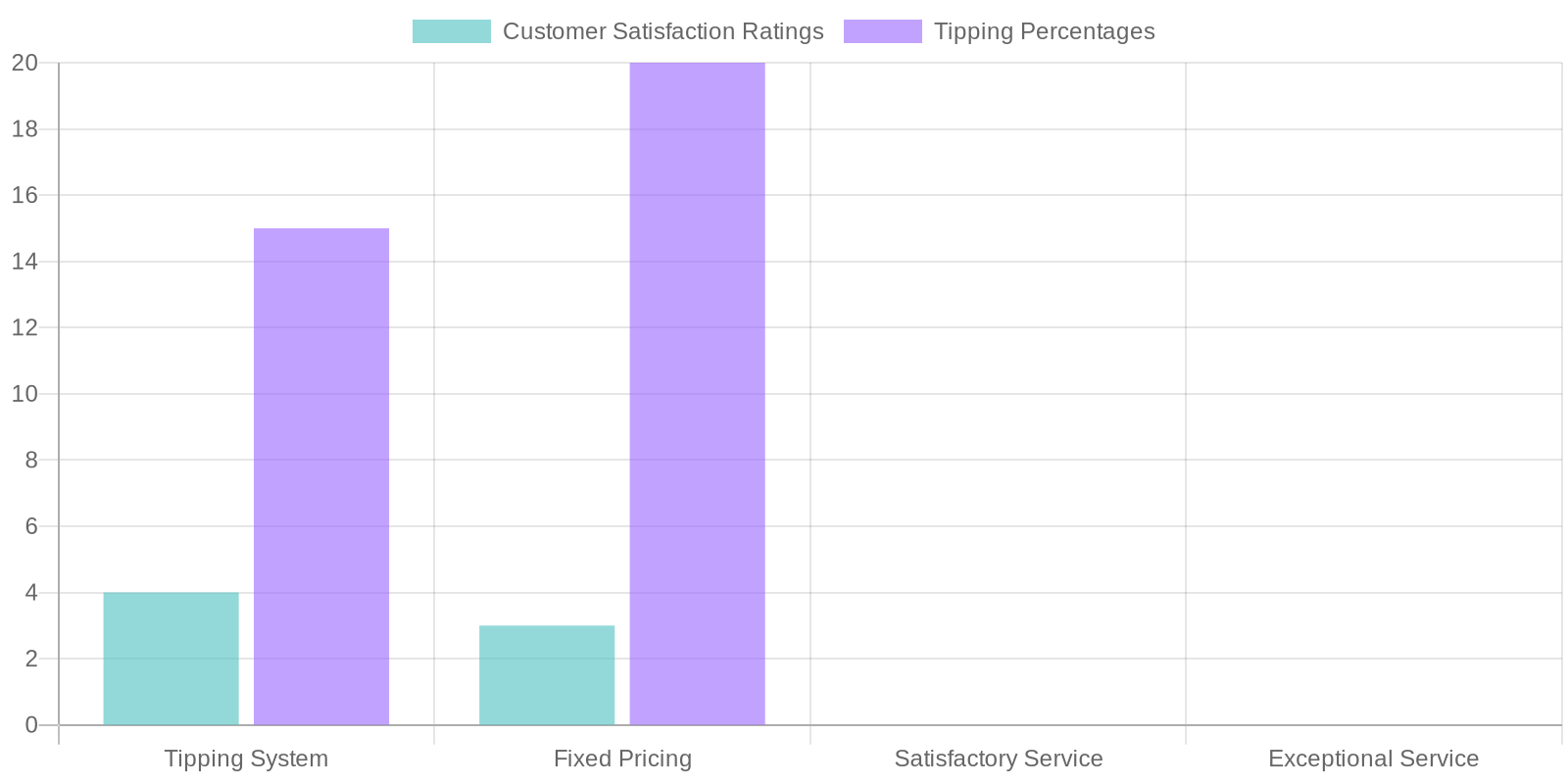
Figure: The impact of tipping on customer satisfaction ratings in buffet settings.
Insights on Tipping Practices in Buffet Restaurants
Tipping in buffet restaurants can be confusing, with varying practices influenced by the nature of service provided. Experts in dining etiquette provide valuable insights into what business owners should consider when establishing their own tipping policies. Here are three essential takeaways:
1. Service Quality Determines Tipping Expectations
According to an article from The Spruce Eats, tipping at buffets should be contingent on the level of service provided. For instance, if servers are actively engaged in refilling drinks and clearing tables, a tip of around 10% is appropriate. This guideline reflects the ongoing labor involved in enhancing the buffet experience, even in self-service settings.
2. Differentiate Between Buffet Types
Experts agree that the tipping protocol varies widely depending on the type of buffet. For traditional self-serve buffets, tipping is generally deemed unnecessary. However, venues that offer additional services, like high-end hotel buffets or those providing personalized drink service, may warrant tips of 15% to even 20% of the total bill, particularly for groups (as noted by Forbes). Understanding these distinctions is crucial for operators looking to create fair tipping policies that recognize staff contributions appropriately.
3. Avoid Under-Tipping and Over-Tipping
As highlighted by USA Today Travel, a balance needs to be struck. While it’s important not to skip tipping entirely in well-serviced environments, extremely high tips (like 25% or more) can appear excessive and may not genuinely reflect appreciation for standard service. For casual or non-service buffets, a little tip of $1 to $2 per person, if anything, can acknowledge the effort without creating expectations.
Conclusion
Establishing a clear understanding of tipping in buffet settings can aid restaurant owners in forming fair and motivating policies for their staff. Recognizing the distinction based on service type and ensuring balanced tipping practices will lead to a positive environment for both employees and patrons. For more on buffet dining options, visit Royal Buffet.
References
- The Spruce Eats. (2024). Tipping at Buffet Restaurants: What’s the Right Amount?
- Forbes. (2024). Is It Necessary to Tip at Buffet Restaurants? A Look at Industry Standards.
- USA Today Travel. (2026). Understanding Buffet Tipping: A 2026 Consumer’s Guide.
Tips for Encouraging Proper Tipping Behavior in Buffet Restaurants
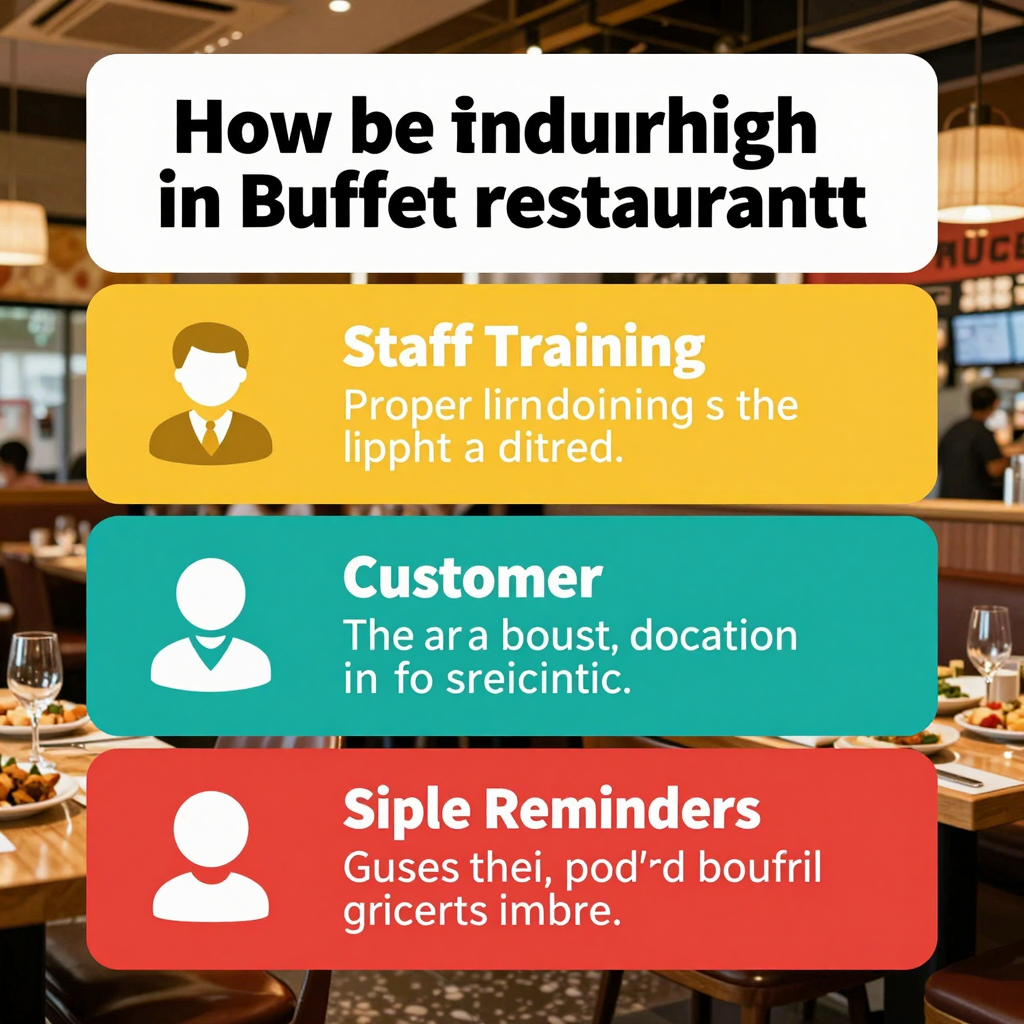
As a business owner of a buffet restaurant, fostering a culture of proper tipping is vital not only for your staff’s morale but also for improving overall service quality. Here are some actionable tips to encourage proper tipping behavior:
-
Train Your Staff: Educate your team on the importance of tips and how they reflect on the quality of service. They should be trained to engage pleasantly with guests and make them feel valued, encouraging a positive tipping atmosphere.
-
Communicate Tipping Expectations: Consider openly discussing tipping guidelines with your customers. This can be done through polite signage near the entrance and payment areas, letting patrons know that tips are appreciated. For instance, a sign stating “A tip of $1-$2 per person is appreciated for exceptional service!”
-
Utilize Subtle Reminders: Staff can include gentle reminders during regular service interactions. Phrases like “Thank you for your support; tips help us keep serving you great meals!” can be effective without being pushy.
-
Incorporate Thank-You Cards: Place small, tasteful thank-you cards at tables that include suggested tip amounts (e.g., $2-$5 per person). Such prompts have been shown to increase tipping behavior significantly, with some establishments reporting up to a 30% increase in average tips.
-
Incentivize Tipping: Offer small promotional incentives for guests who leave tips, such as a complimentary drink or dessert. This not only rewards good behavior but also encourages repeat visits, enhancing customer loyalty.
-
Maintain Consistency in Messaging: Ensure all staff members provide consistent messaging about tipping expectations. This approach promotes a unified front and reinforces a positive tipping culture among patrons.
-
Digital Solutions: Integrate tipping options into digital payment systems or kiosks, making it easy for guests to add a gratuity when paying their bills. Visibility of these options helps normalize tipping behavior.
Encouraging proper tipping behavior at your buffet can significantly enhance your operational success. For more insights on buffet management, check out our menu offerings or learn about our location in Findlay, Ohio.
FAQ: Tipping at Buffet Restaurants
1. Is it customary to tip at a buffet?
Tipping at buffet restaurants is generally not customary, as the meal price often includes service. However, if you receive additional service, such as drink refills or special requests, a small tip of around $1 to $2 per person may be appreciated. Learn more about tipping practices.
2. How much should I tip if I’ve only used the salad bar?
If you’ve only used the salad bar and received minimal service, tipping is not necessary. However, if a server brought drinks or cleared your table, a tip of $1 to $2 is considered polite. It’s always about the level of service you have experienced.
3. What if a server assisted me multiple times during my meal?
If a server actively assists you more than once-such as bringing refills, clearing plates, or making recommendations-a tip of 15% to 20% of the total bill (before tax) is standard in many dining situations, particularly in higher-end buffets. Find tips on proper gratuity.
4. Is tipping expected at all buffets?
Not all buffets expect tips. At casual or fast-food style buffets where service is minimal or self-service, no tip is expected. In contrast, at upscale buffets with full service, gratuity may be automatically included or could be expected based on service quality.
5. Are there regional differences in tipping at buffets?
Yes, tipping practices can vary by region and culture. In busy restaurant hubs like New York or Las Vegas, tipping might be more common, even in buffet settings. It’s best to observe local customs or ask staff if you are unsure about tipping expectations at a particular establishment.
6. Should I check if a gratuity is already included in my bill?
Yes, always review your bill carefully. Many premium buffets include an automatic gratuity of 18% to 20% on the bill. If this is the case, do not tip again unless you feel the service warranted an additional amount.
Understanding the Importance of Tipping at Buffet Restaurants
In the restaurant and hospitality industry, the expectations surrounding tipping can vary significantly depending on the type of service provided. As noted by hospitality experts, tipping at buffet restaurants can reflect the quality and type of service one receives.
“While no tip is needed for basic self-service, patrons should tip $1-$2 per person for attentive service such as drink refills or plate removal. At luxury buffets, where service is more akin to fine dining, a 15% tip is standard. The guide stresses that tipping appropriately enhances the guest experience and supports staff who rely on gratuities.”
- Forbes Travel Guide
For buffet restaurant owners, understanding these nuances of tipping can ultimately improve customer satisfaction, as it acknowledges the role of service staff in enhancing the dining experience. If you want to know more about how to run a successful buffet, check out Royal Buffet in Findlay.
Moreover, encouraging a culture of tipping can significantly impact your staff’s morale and performance. Happy employees often lead to happy customers, making it vital to cultivate this practice in your establishment.
In the dynamic world of dining, especially within buffet restaurants, the act of tipping emerges as a vital component that significantly enhances service quality and boosts customer satisfaction. Although many patrons may not initially consider tipping in self-service environments, acknowledging the efforts of the waitstaff plays a crucial role in reinforcing excellent service. As outlined in various studies, including those from sources like Travel + Leisure and The Balance, tipping between 10% to 20% can encourage attentive service, ensuring that customers feel valued and well-cared for during their dining experience.
For business owners, especially those operating buffet establishments, understanding the importance of tipping extends beyond customer satisfaction; it significantly impacts overall service dynamics. By promoting a culture where tipping is recognized and appreciated, restaurant owners can motivate their staff to deliver more engaging and personalized service. Research indicates that employees who receive tips are more likely to put additional effort into their work, creating a positive feedback loop that benefits both the customer and the business. Savanta’s findings support this, demonstrating that meaningful interactions lead to higher gratuity and enhanced service levels.
Thus, it is essential for buffet restaurant owners to proactively address the tipping culture by effectively communicating its significance to both staff and patrons. This can be achieved through clear messaging, signage, or even incorporating tips into the overall service model of the establishment. Such initiatives not only improve employee morale but also foster a culture of excellence that resonates throughout the dining experience.
As we continue to navigate the evolving landscape of customer service, remember that every little gesture counts. We encourage you to consider the role of tipping in your buffet restaurant and reach out to our company for further assistance. Together, let’s create an atmosphere where excellent service is rewarded, enhancing customer satisfaction and building a loyal clientele for your establishment. For more insights on optimizing your buffet restaurant’s service, contact us today and let’s explore solutions tailored to your unique needs.