
The allure of all-you-can-eat buffets is hard to resist. With their colorful displays of food and the promise of endless selections, these dining experiences beckon hungry patrons looking for variety and quantity at a fixed price. They create an atmosphere of indulgence, where customers feel they’re getting the biggest bang for their buck. However, this enticing concept raises a critical question: do restaurants actually profit from this model?
As customers pile their plates high, business owners must consider the economics behind such a buffet arrangement. The art of balancing ingredient costs, food waste, and customer satisfaction poses significant challenges. In this article, we’ll explore how restaurants navigate these complexities while striving for profitability. We will uncover the secrets behind successful buffet operations, offering insights for aspiring entrepreneurs aiming to tap into this lucrative market. Learn more about buffet options and discover how some establishments succeed in this competitive landscape.
Pros and Cons of All-You-Can-Eat Buffets
When considering the all-you-can-eat buffet model, restaurant owners must navigate various benefits and challenges. Here’s a breakdown of the pros and cons:
Pros
- Customer Attraction: All-you-can-eat buffets often attract large groups and families looking for variety and value, boosting customer foot traffic significantly.
- Higher Perceived Value: Buffets create a perception of increased value among customers, leading to loyalty and repeat visits. Many diners feel they get their money’s worth, especially when they enjoy a variety of dishes.
- Simplified Ordering Process: With a fixed price for unlimited servings, the ordering process becomes more straightforward, reducing the need for complex menu items and detailed service.
- Reduced Labor Needs: During peak hours, buffets can require less staff than traditional dining styles since guests serve themselves, allowing for efficient service.
- Menu Diversity: Buffets can showcase a wide variety of dishes, catering to different tastes and dietary preferences, enhancing customer satisfaction.
Cons
- High Food Waste: One of the most significant drawbacks is food waste, with some studies indicating that buffets can waste up to 30% of their food inventory if not managed carefully. This raises sustainability concerns among modern consumers, which can affect a restaurant’s reputation.
- Pressure on Kitchen Staff: Maintaining food quality and safety under constant demand can strain kitchen operations, requiring meticulous oversight to minimize errors and waste.
- Rising Ingredient Costs: Fluctuating prices for key ingredients can challenge profitability, especially when offering an extensive menu at a low fixed price.
- Portion Control Challenges: Without proper measures, customers may serve themselves more than they can eat, leading to waste and potential customer dissatisfaction if quality dips due to high demand.
- Negative Customer Perceptions: Some diners are becoming increasingly conscious of sustainability issues and may view unlimited offerings as wasteful, undermining the buffet’s appeal.
In conclusion, while an all-you-can-eat buffet can be profitable and attract a loyal clientele, restaurant owners must carefully manage their operations to address these inherent challenges. For more tips on running successful buffets, learn more about our offerings and see how we implement efficient strategies.
Market Trends in All-You-Can-Eat Buffets
The all-you-can-eat (AYCE) buffet industry is witnessing notable growth and transformation, driven by evolving customer preferences and competitive dynamics. According to recent reports, the global AYCE buffet market was valued at approximately $18.7 billion in 2023, with a compound annual growth rate (CAGR) of 4.2% expected through 2028, highlighting a resilient market segment amid economic fluctuations (Statista).
Key Growth Statistics
- Market Value (2023): $18.7 billion
- Projected CAGR (2023-2028): 4.2% to 4.5%
- Customer Satisfaction: A survey indicated that 68% of consumers still enjoy AYCE experiences, but there is a notable shift towards quality and dietary considerations.
Customer Preferences
Modern diners are becoming increasingly selective, emphasizing:
- Food Quality: Freshness and gourmet offerings are top priorities. 55% of diners seek out unique experiences like live cooking stations and themed dining events (Forbes).
- Dietary Inclusivity: Options that cater to gluten-free, vegan, and low-carb diets are now essential.
- Experiential Dining: Consumers favor establishments providing added value, such as interactive themes and exclusive offerings.
Evolving Competition
The competitive landscape is becoming more aggressive, particularly in urban areas:
- Restaurants are adopting hybrid dining models, blending buffet service with à la carte options and introducing tiered pricing structures to appeal to diverse market segments. Examples include limited-time events and upgraded service formats (Restaurant Business Magazine).
- Digital Integration: Many operators are employing technology such as digital kiosks to streamline service and enhance customer interaction.
In conclusion, while the AYCE buffet market is experiencing robust growth, restaurant operators must pivot to meet the demands of a more discerning clientele, leveraging quality, variety, and unique experiences to maintain relevance and competitiveness.
Effective Pricing Strategies for All-You-Can-Eat Buffets
In the competitive landscape of restaurants, especially those offering all-you-can-eat (AYCE) buffets, implementing effective pricing strategies is paramount for profitability. Here are several proven strategies:
1. Time of Day Pricing
One popular approach is to adjust pricing based on the time of day. For instance, many buffets offer lower prices for breakfast compared to lunch and dinner. This strategy effectively encourages early dining, allowing restaurants to manage customer flow and maximize seating during peak hours. According to Local Dining Guide, the Green Tomato Buffet in Rome, GA, uses this strategy to offer discounts during breakfast hours while maintaining higher prices during busy lunch and dinner times. This not only attracts cost-sensitive customers but also balances demand throughout the day.
2. Loyalty Programs
Loyalty programs are another effective strategy. Restaurants can encourage repeat visits by offering discounts or rewards for frequent diners. By tracking customer visits and offering special deals for loyal patrons, establishments can build a consistent customer base. Some buffets have successfully implemented mobile apps that allow diners to accumulate points with each visit, which can later be redeemed for free meals or discounts. This not only increases customer retention but also enhances overall satisfaction and engagement with the restaurant.
3. Seasonal Menu Variations
Seasonal menu variations can also affect pricing strategies, leveraging fresh, local ingredients during peak seasons. Adjusting price points to reflect seasonal changes can attract diners eager to try new dishes while ensuring profitability as ingredient costs fluctuate. This approach not only keeps the menu exciting but also helps manage food costs effectively.
By employing these pricing strategies, restaurant owners can optimize their offerings, attract a wider clientele, and increase profitability in the competitive buffet landscape. For more insights into buffet options, check out Royal Buffet Menu and Prices.
Buffet Pricing Models Comparison
When analyzing buffet pricing models, restaurant owners have different strategies to consider, each with unique demographics, pricing examples, and their impact on profitability. Below is a table comparing the most common buffet pricing strategies:
| Pricing Model | Target Demographic | Example Pricing | Potential Profitability |
|---|---|---|---|
| Fixed Price per Person | Families, tourists, general audience | $19.99 per adult, $12.99 for kids | 35% to 42% profit margins with stable food cost; simpler logistics; higher average ticket per guest. Learn more about this model. |
| Tiered Pricing | All demographics, especially varied income groups | $21.99 for premium, $16.99 standard, $12.99 for seniors/children | Reports indicate a 12-18% increase in gross profit per customer. Effective for managing food waste and maximizing turnout during peak and off-peak hours. Read about recent trends. |
| Discount Offerings | Seniors, families with children | 50% off for kids under 12; 20% off for seniors | Increases attendance, especially during off-peak hours. Contributes to higher customer loyalty (up to 22% reported). Proven to enhance community engagement and retention. |
Restaurant owners must carefully consider their specific target demographics and local market conditions when adopting these strategies. For example, a buffet in a family-oriented area may benefit more from fixed pricing and children discounts, while a more upscale venue may see greater success with tiered pricing options to appeal to varying customer preferences.
By employing these pricing models strategically, restaurants can not only attract a larger customer base but also enhance profitability. The key to success is balancing the cost of goods sold with pricing structures that maximize average ticket size and minimize waste, ultimately leading to sustainable business practices.
Food Cost Management in an All-You-Can-Eat Buffet
Managing food costs effectively is crucial for the success of all-you-can-eat buffets. Here are several strategies that can help in controlling these costs:
Inventory Management
Implementing a robust inventory management system is essential. Software solutions like Lark or specialized buffet software enable restaurants to track ingredient usage in real-time, which helps in reducing waste. Regular inventory checks, alongside utilizing data analytics to forecast demand, can help in ordering the right quantities, preventing overstock and spoilage. For more insights on inventory techniques, check out this useful resource on restaurant inventory management.
Portion Control
Portion control is a vital strategy in buffets. Using standardized serving utensils ensures that guests do not over-serve themselves. Pre-portioned ingredients can also reduce waste significantly-by up to 30%, as noted by the National Restaurant Association. Training staff to maintain portion limits and using smaller plates can enhance guest satisfaction while keeping food costs in check. For detailed practices, visit the National Restaurant Association’s guidelines on portion control.
Supplier Negotiation Techniques
Negotiating effectively with suppliers is another crucial aspect. Building relationships with multiple suppliers can give you leverage during negotiations, allowing you to obtain better pricing or terms. It’s beneficial to stay informed about market prices and to negotiate based on your volume needs. For more tips on improving vendor strategies, this article on hospitality supplier negotiation strategies can be helpful.
The Vibrant Atmosphere of Buffet Dining
In any successful buffet restaurant, the atmosphere plays a crucial role in enhancing customer satisfaction. The lively buzz of conversations, the tempting aromas of a variety of cuisines, and the visual appeal of colorful dishes can transform a simple meal into an experience.
Engaging Dining Experience
Elaborate buffet settings often feature long tables filled with diverse selections, allowing customers to choose from multiple cuisines, whether it’s Asian, Italian, or traditional American fare. The engagement in such a space is palpable: families gather, friends celebrate, and individuals indulge all under one roof. This communal dining experience fosters a sense of belonging and enjoyment.
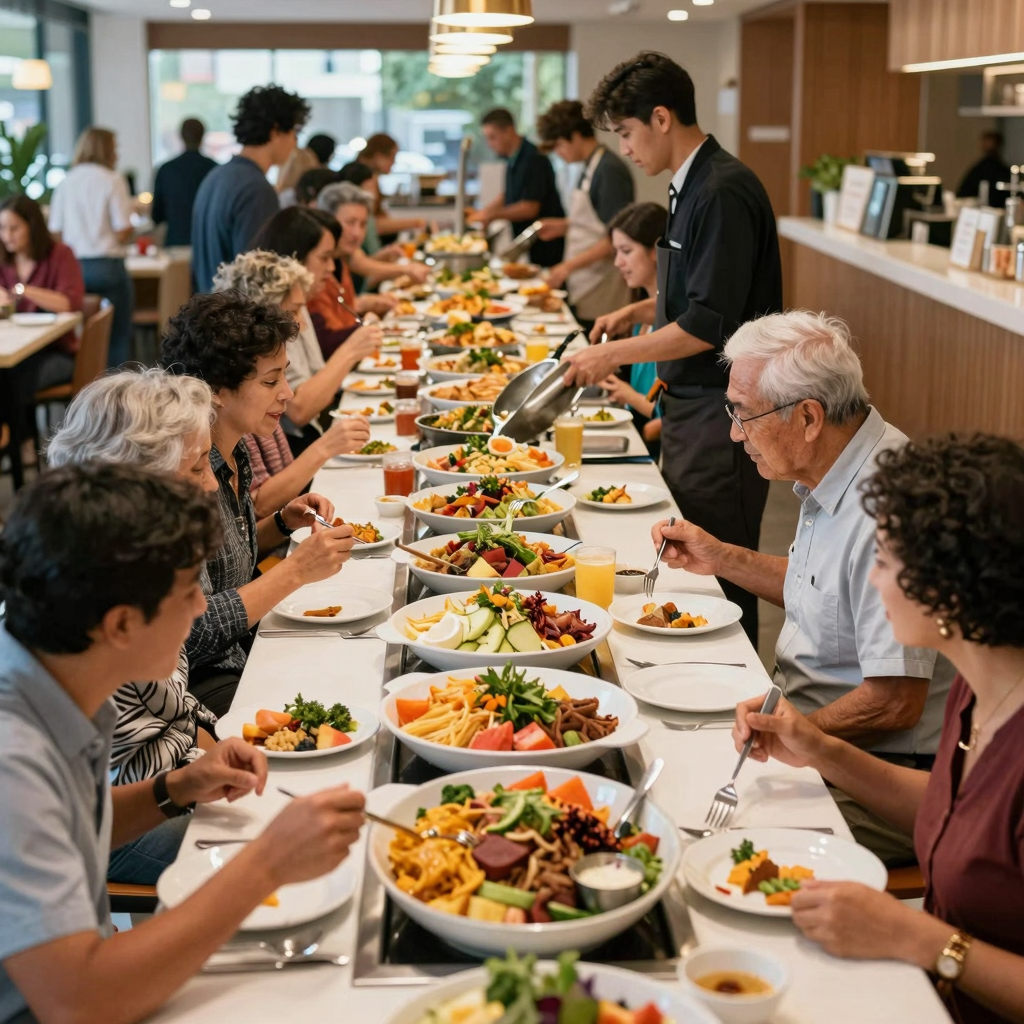
The positive environment not only increases the likelihood of repeat customers but also encourages patrons to savor their meals longer, thus increasing the overall revenue per table. For business owners interested in creating a successful buffet, focusing on the dining experience is vital.
Case Study: The Success of Sundae Palace
In the bustling food scene of Seoul, South Korea, the restaurant Sundae Palace has risen to prominence with its innovative all-you-can-eat buffet model. Since its opening in 2020, the restaurant has captivated diners with a diverse menu, competitive pricing, and an engaging dining environment that emphasizes social interaction.
Menu and Offering
Sundae Palace offers a sumptuous array of Korean dishes, ranging from traditional favorites such as kimchi stew and cold noodles to grilled meats and seafood. The buffet style provides an opportunity for guests to sample a variety of flavors while enjoying the casual atmosphere of the restaurant. Notably, the establishment integrates thematic events, such as K-drama character nights, adding an experiential element that attracts patrons beyond just the food.
Pricing Strategy
The pricing strategy for Sundae Palace is both competitive and family-friendly, with a standard adult buffet price generally around $20, while children under 12 dine for half-price. This tiered pricing approach caters to families and encourages them to dine together, significantly boosting foot traffic, especially during weekends and holidays. During off-peak hours, the restaurant offers discounts to entice customers, reflecting trends in buffet pricing strategies that emphasize flexibility and customer segmentation. Recent insights suggest that dynamic pricing can yield additional profitability by adjusting prices based on demand and composition of diners.
Customer Demographics
The primary customer demographic includes young adults and families, particularly those seeking an affordable yet diverse dining experience. The restaurant’s unique concept has made it a popular destination for social occasions, gatherings, and celebrations, contributing to high customer retention rates. According to a report from Forbes, Sundae Palace achieved a 38% increase in average spending per customer in Q2 of 2024, demonstrating the effectiveness of their pricing and branding strategies.
Profitability Factors
To ensure continued profitability, Sundae Palace places a strong emphasis on minimizing food waste through careful planning of their buffet selections. By employing a data-driven approach to menu design, the restaurant successfully reduces costs while maintaining customer satisfaction. The combination of a compelling menu, strategic pricing, and a focus on customer experiences has been instrumental in solidifying Sundae Palace as a leading buffet restaurant in South Korea.
In summary, Sundae Palace exemplifies how innovation in buffet offerings, paired with savvy marketing and engagement strategies, can lead to significant success in the competitive restaurant industry.
The Profitability of All-You-Can-Eat Buffets
All-you-can-eat buffets can indeed be a profitable venture for restaurant owners, but this requires careful management and a sound understanding of consumer behavior. One successful buffet owner shared, “The most successful buffet owners understand that the profit isn’t in the food itself, but in the volume and speed of turnover. We design our menus so that high-cost items are rarely chosen, and we use bulk purchasing to keep ingredient prices low. Our real profit comes from getting people through the line quickly and efficiently.” This insight reflects the importance of menu engineering and controlling ingredient costs, which are crucial in optimizing profits in a buffet setting.
In successful buffet operations, key strategies include:
- Portfolio Menu Design: Selection of high-margin, low-cost food items to maximize profitability.
- Dynamic Pricing: Adjusting prices during peak and off-peak hours to optimize customer traffic.
- Portion Control: Using portion sizes that serve to satisfy without leading to wastage.
- Minimizing Waste: Streamlining operations to enhance efficiency and reduce costs.
By implementing these strategies effectively, buffet restaurants can thrive in a competitive market. Learn more about our offerings here and discover how we manage our buffet model for success!
Conclusion
In conclusion, the profitability of all-you-can-eat buffets presents a complex landscape for restaurant owners. While recent data from IBISWorld indicates an average profit margin improvement to 8.5% in 2026, up from 7.2% in 2023, challenges continue to loom. Issues such as significant plate waste, which can total 28% of food served, directly impact costs. Implementing technologies to monitor and reduce this waste can significantly enhance profitability, with some establishments seeing an increase of 6.3 percentage points in profit margins by adopting such measures.
However, buffet restaurants face additional hurdles, including misaligned pricing strategies, high food costs, and changing consumer preferences in a post-pandemic world. As highlighted in various analyses, elements like customer perceptions and operational efficiencies play critical roles in a buffet’s financial success.
Call to Action
For restaurant owners looking to navigate the complexities of running an all-you-can-eat buffet, having the right support is crucial. At Royal Buffet, we understand the nuanced challenges you face and are here to help. Contact us today to discover tailored strategies to enhance profitability while offering an exceptional dining experience. Let’s work together to make your buffet a thriving success!