
Introduction
The pandemic has significantly disrupted the restaurant industry, with buffet-style dining facing one of the most formidable challenges. Considered a communal experience where guests served themselves from a variety of dishes, buffets were abruptly forced to shut their doors as health and safety concerns rose. With the introduction of social distancing measures and strict sanitization protocols, many buffet restaurants have struggled to find a path forward, leading to a major transformation in how they operate.
However, with vaccination rates increasing and a sense of normalcy gradually returning, buffet restaurants are now contemplating their reopening strategies. The journey back to pre-pandemic service is not just about unlocking doors; it involves reassessing safety measures, redesigning layouts, and reimagining how to create a welcoming environment while adhering to health guidelines. Business owners will need to be innovative and adaptive in their approaches, focusing on maintaining customer confidence while providing the quality dining experience that buffet enthusiasts cherish. As we delve into the reopening strategies for buffet restaurants, we will explore how to combine traditional buffet elements with modern safety practices to foster a safe and enjoyable dining environment. Explore more about Royal Buffet or check our menu options to see how we are preparing to welcome back our customers.
Essential Safety Protocols for Buffet Restaurants Upon Reopening
As buffet restaurants prepare to reopen in a post-COVID-19 world, implementing essential safety protocols is fundamental to ensuring the safety of both customers and staff. These measures not only demonstrate a commitment to public health but also help restore customer confidence in the dining experience. Below are crucial safety protocols that buffet restaurants should incorporate:
1. Mandatory Mask Policies
Masks have proven to be an effective measure in preventing the spread of COVID-19. Buffet restaurants should ensure that all staff members wear masks as a standard practice. Additionally, customers should be required to wear masks when they are not seated at their tables or while at the buffet stations. This aligns with guidelines from the U.S. Department of Labor OSHA, which emphasizes the importance of PPE in maintaining safety in public spaces.
2. Enhanced Sanitization Practices
Frequent and thorough cleaning of high-touch surfaces is vital. This includes buffet sneeze guards, serving utensils, tables, and condiment containers. Restaurants should establish a schedule for comprehensive disinfection, ensuring that surfaces are routinely wiped down with EPA-approved sanitizers. This strict cleanliness standard can reassure customers that their health is a priority. According to the CDC, regular cleaning and sanitizing should be conducted to mitigate viral transmission risk.
3. Social Distancing Measures
Implementing social distancing protocols is another critical aspect of reopening buffet restaurants. Establishments should:
- Rearrange tables to maintain adequate spacing between patrons.
- Use signage to remind guests to keep a safe distance from others while waiting in line for the buffet.
- Consider implementing a system where customers can only access the buffet at designated times to prevent overcrowding.
4. Contactless Payment Options
Providing contactless payment methods reduces the need for physical contact, making it safer for both patrons and staff. Buffet restaurants should encourage electronic payments through mobile apps or contactless cards to minimize the exchange of cash and coins.
5. Employee Health Monitoring
It’s crucial that buffet restaurants regularly monitor staff health. This includes daily health screenings and ensuring proper hygiene practices are followed. Employees should be encouraged to stay home if they feel unwell or exhibit symptoms of COVID-19. The FDA provides additional guidelines on employee health monitoring to prevent the spread of illness.
Conclusion
By enforcing these safety protocols, buffet restaurants can not only create a safer dining environment but also rebuild trust with customers. As the industry continues to adapt to changing circumstances, prioritizing safety can lead to a successful reopening, ensuring customers return for the enjoyable dining experience they have missed. Some establishments, such as the Royal Buffet, are already putting these guidelines into practice, illustrating their commitment to customer safety and service excellence.
Implementing and maintaining these safety measures is fundamental for buffet restaurants aiming to bounce back from the pandemic.
Innovative Buffet Concepts to Attract Customers Post-Reopening
As buffet restaurants navigate the post-pandemic landscape, innovative concepts can help attract customers back through their doors. Here is a list of creative buffet ideas that can revamp your offerings and make your establishment more appealing:
-
Themed Buffets:
-
Cultural Showcase: Highlight a specific country’s cuisine each week, such as Italian Night, specializing in pasta and pizza, or Japanese Night with sushi and ramen.
-
Holiday-Themed Buffets: Celebrate various holidays by featuring seasonal dishes and decoration. For example, a Thanksgiving buffet featuring traditional turkey, stuffing, and pumpkin pie.
-
Health-Focused Buffets:
-
Farm-to-Table Concept: Offer fresh, organic ingredients sourced from local farms, complete with a menu that rotates according to the seasons.
-
Diet-Specific Stations: Include sections of the buffet dedicated to dietary needs, such as keto-friendly, gluten-free, or vegan options. This not only caters to health-conscious customers but also invites a wider audience.
-
Interactive Stations:
-
Build-Your-Own Meal Stations: Allow customers to create their own dishes from a variety of fresh ingredients – think DIY tacos, salads, or sushi rolls.
-
Live Cooking Stations: Incorporate chefs who can cook dishes in real-time, such as stir-frys or pasta dishes, adding an engaging experience to the dining.
-
Grazing Menus:
-
Tapas-Style Buffet: Serve small, shareable plates that encourage diners to try a little of everything, creating a laid-back atmosphere perfect for socializing.
-
Fusion Buffets:
-
Cross-Cultural Fusions: Experiment with unique combinations of cuisines, like Asian-Mexican or Italian-Indian, offering exciting new flavors that surprise guests.
Each of these concepts can be further customized to fit the unique identity of your restaurant, drawing in customers eager to experience something fresh and different. For more insights into buffet styles, check out Royal Buffet in Findlay, Ohio where they offer a diverse array of dining options.
Comparison of Reopening Strategies for Buffet Restaurants
| Strategy | Key Features | Pros | Cons |
|---|---|---|---|
| Self-Service Modifications | Protective barriers, limited self-service, staff-assisted service | Reduces contamination risk; maintains partial buffet experience | Longer wait times may affect customer satisfaction |
| Takeout and Delivery Options | Buffet-style meals packaged for takeout or delivery | Expands customer base; increases sales volume | Does not replicate full buffet experience, may reduce perceived value |
| Reduced Capacity and Reservations | Capping diners for social distancing; requiring reservations | Enhances customer safety and comfort; potential for better experiences | Limits walk-in traffic, affecting overall revenue |
| Health Protocols | Regular sanitation, temperature checks, mandatory masks | Increases safety for staff and patrons; enhances trust and patronage | Requires additional staffing and resources for compliance |
These strategies provide ample options for buffet restaurant owners to consider as they navigate reopening in a post-pandemic landscape. For more information on buffet offerings, check out our Royal Buffet menu or learn about our locations.
They reflect a combination of health and safety measures, customer preferences, and operational adjustments necessary to thrive in the current environment.
The Importance of Gathering Customer Feedback on Buffet Reopening Experiences
As buffet restaurants look forward to reopening, the significance of gathering customer feedback cannot be overstated. This feedback is not just a formality; it is a critical tool that can shape future operations and enhance customer satisfaction.
Understanding Guest Preferences
Customer feedback acts as a powerful signal, allowing buffet restaurants to understand guests’ preferences and expectations. Post-pandemic, diners may have different desires regarding food offerings, service styles, and dining experiences. By actively seeking their opinions, restaurants can adjust their menus and services to align with current trends and expectations. For example, feedback can indicate a preference for more health-conscious options or a desire for a wider variety of international cuisines.
Addressing Health and Safety Concerns
One of the most significant aspects of reopening buffet restaurants is addressing health and safety concerns. Many customers are likely to have heightened anxiety regarding hygiene now more than ever. By gathering feedback, restaurants can identify specific safety measures that will enhance guest comfort. This might include adjustments like modifying food display methods, increasing sanitization protocols, or providing contactless payment options. Such informed changes not only align with customer expectations but also reinforce the restaurant’s commitment to their well-being.
Enhancing the Dining Experience
Gathering customer feedback is essential for continually enhancing the dining experience. Insights gained from customer comments can help buffet operators identify strengths and areas that require improvement. For instance, if several customers report dissatisfaction with food temperature or variety, management can make effective changes to ensure a more enjoyable experience. Understanding what elements make diners happy can lead to tailored marketing strategies that promote those aspects.
Building Customer Loyalty
When restaurants listen to patrons and act on their suggestions, they foster a sense of trust and loyalty. Customers are more likely to return if they feel their feedback is valued and considered. This relationship is crucial, especially during the challenging phase of reopening, as loyal customers can contribute to positive word-of-mouth promotion, thus driving new patrons to the buffet. Offering incentives for feedback, such as discount coupons, can further encourage participation and create a loyal customer base.
Embracing Adaptation and Innovation
Customer feedback also encourages innovation. By staying attuned to what diners want, buffet restaurants can adapt their offerings and introduce new menu items or unique dining experiences. This flexibility not only meets customer demand but can also set the restaurant apart from competitors. Incorporating seasonal ingredients or popular flavors based on feedback can help capture market interest and maintain relevance in a dynamic food landscape.
In conclusion, gathering customer feedback during buffet restaurant reopenings is vital for shaping future operations. As businesses navigate this transitional period, actively seeking and integrating guest opinions can make a significant difference in enhancing customer satisfaction, ensuring safety, and fostering loyalty. To explore menu options and more at your local buffet, check out our offerings.
Customer Sentiments Towards Buffet Dining Post-COVID-19
As buffet restaurants prepare to reopen, understanding customer sentiments is crucial for business owners to adapt their strategies. Here are some key insights:
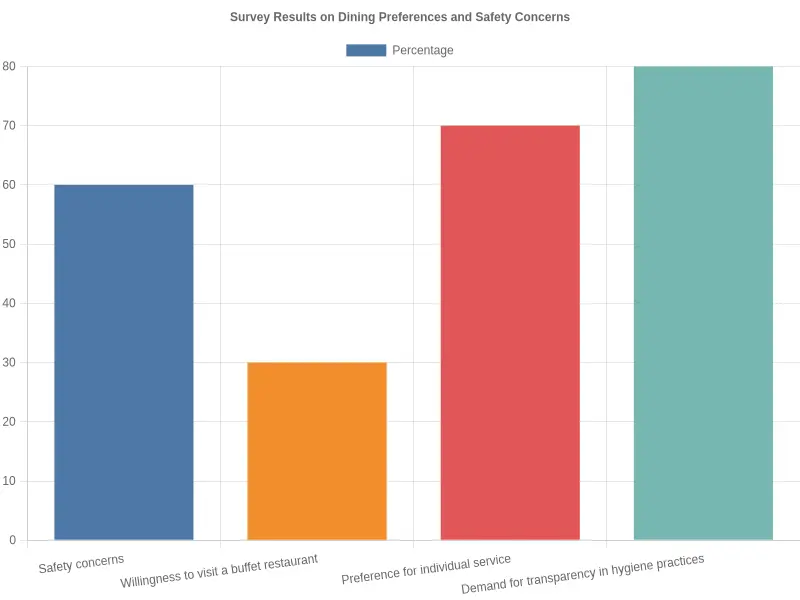
- Safety Concerns: A significant portion of customers, about 60%, express concerns regarding hygiene and safety at buffet establishments.
- Willingness to Visit: Only around 30% of respondents indicated that they are willing to visit a buffet restaurant right away.
- Preference for Individual Service: A notable 70% of customers prefer individual service rather than self-service, which can mitigate concerns about cleanliness.
- Demand for Hygiene Transparency: A strong 80% of interviewees desire more information regarding hygiene practices and food safety protocols at buffet locations.
To visualize these sentiments, we have created a chart that illustrates the latest survey data on these metrics:
This information can help buffet restaurant owners adjust their operations and marketing strategies effectively. For more details about our offerings, learn more about Royal Buffet.
Stay tuned and adapt to ensure a safe and enjoyable dining experience for your customers!
The Future of Buffet Restaurants in a Post-Pandemic World
As buffet restaurants look to rebound from the impacts of the COVID-19 pandemic, they are adapting to new consumer behaviors and health protocols. Here’s a summary of key insights into how these establishments are evolving to face the challenges of the current dining landscape.
1. Enhanced Health and Safety Protocols
Buffet restaurants are prioritizing health and safety to reassure customers. This includes:
- Contactless Payment Systems: Implementing technology that allows for payments without physical contact.
- Reduced Food Exposure: Many buffets are opting for staff-served stations or covered food options to minimize exposure and contamination risks.
- Regular Cleaning Protocols: Increased frequency of cleaning, especially in high-touch areas and food stations.
2. Diverse and Health-Conscious Offerings
Buffet menus are shifting to cater to a growing demand for healthier food options:
- Plant-Based Choices: Many buffets are expanding their menus to include a variety of plant-based meals to attract health-conscious diners.
- Diet-Specific Segments: Introducing gluten-free, keto, and other dietary options to cater to individual dietary needs and preferences.
3. Technological Integration
With technology playing a vital role in post-pandemic adaptations, buffet restaurants are leveraging:
- Mobile Apps for Ordering: Diners can browse menus, place orders, and even pay through mobile applications, thereby reducing the need for physical menus and interaction at food stations.
- Food Tracking Systems: Implementing systems that help diners track their food choices, thereby enhancing personalization and minimizing waste.
4. Consumer Demand for Experience
Dining out is increasingly seen as an experience, rather than just a meal. Buffets are:
- Creating Unique Themes: Event nights with special themes, such as international cuisine nights, can attract more customers.
- Interactive Dining Experiences: Offering cooking demonstrations or food preparation stations where guests can interact with chefs to learn about their food.
Conclusion
The buffet restaurant model is undergoing significant changes as they innovate to meet the evolving needs of consumers in a post-pandemic environment. Enhanced health protocols, diverse menu options, technology integration, and a focus on creating memorable dining experiences are key strategies to capture the interest of diners today.
For more information about what buffet options are available nearby, check out Royal Buffet.
“As we transition into a post-pandemic world, buffet dining will adapt by implementing enhanced health protocols. Contactless service and transparent food preparation will be at the forefront of restoring consumer confidence.” – Industry Expert, Food Safety Consultant
Buffet restaurants are taking significant steps to prioritize safety by introducing measures like hand sanitizers at every station, regular sanitation of food areas, and staff training on health protocols. Emphasizing these adaptations will not only ensure guest safety but also foster trust and encourage patrons to return.
To learn more about our menu offerings, check out the Royal Buffet menu.
Conclusion and Call to Action
As buffet restaurants prepare to reopen in the new normal, it’s crucial for business owners to adopt effective strategies to ensure customer safety and satisfaction. Key points discussed in this article include:
- Hygiene Measures: Prioritizing cleanliness with thorough disinfection routines, hand sanitizers at entrances, and mandatory mask policies for staff.
- Menu Adjustments: Implementing changes such as pre-packaged meals and limited menu options to minimize customer interactions and address safety concerns.
- Online Services: Utilizing mobile applications for ordering, payment options, and encouraging reservations to streamline the dining experience and reduce queue-related issues.
- Customer Education: Effectively communicating safety measures through signage, regular staff training, and updates across social media to build customer confidence in dining-in once again.
By embracing these strategies, buffet owners can create a safer and more appealing dining environment, catering to the evolving needs of customers while boosting their businesses effectively.
We encourage you to enhance your restaurant’s reopening strategy by exploring our menu options or visiting our buffet locations to ensure a smooth transition back to service. If you need support in implementing these changes or have any questions, don’t hesitate to contact Royal Buffet. Together, we can navigate this new landscape and emerge stronger than before.
How Are Buffet Restaurants Going to Reopen?
The reopening of buffet restaurants post-pandemic presents unique opportunities and challenges. Owners must adapt to new customer expectations while ensuring operational efficiency.
Understanding the Buffet Dining Experience
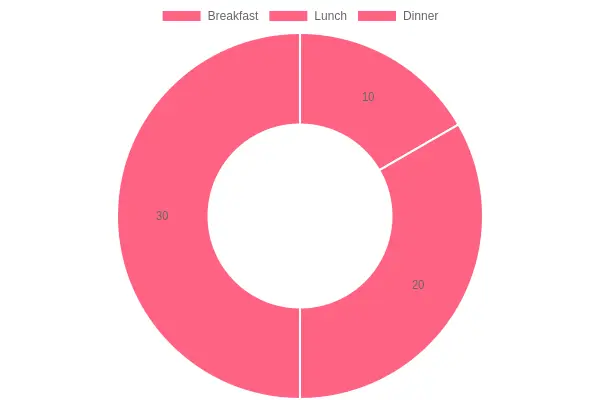
Buffets traditionally provide an assortment of dishes, allowing guests to serve themselves. As restaurants gear up for reopening, it’s vital to understand the core attractions of buffet dining:
- Variety of food options
- Social engagement
- Cost-effectiveness
While these elements remain appealing, the manner in which buffets operate is evolving.
Implementing Safety Measures
Safety has become a paramount concern for diners. Buffet owners must introduce safety measures that both reassure customers and comply with health guidelines. Common strategies include:
- Social Distancing Markers: Clearly define areas where guests should stand to maintain distance.
- Sanitization Stations: Place hand sanitizer stations at every entry point and buffet line.
- Staff Wearing Masks: All food service staff should wear masks to minimize health risks to customers.
Innovative Buffet Concepts
As buffet dining adapts, innovative concepts are gaining traction. Here are exciting ideas to consider:
- Interactive Food Stations: Allow guests to customize their meals at designated stations (e.g., taco bars).
- Themed Buffets: Create experiences centered around cuisine types or occasions like “Italian Night” or “Seafood Extravaganza.”
- Technology-Enhanced Dining: Utilize digital menus and ordering apps to streamline service and enhance customer experiences.
- DIY Meal Kits: Offer kits with pre-prepared ingredients so guests can assemble their meals.
Conclusion
Reopening buffet restaurants demands a strategic mix of traditional dining elements and modern safety practices. Innovative concepts will likely enhance customer experience and loyalty, helping businesses thrive in a post-pandemic atmosphere. For more insights, explore our buffet options.