
Introduction to Buffet Restaurants
Buffet restaurants have become a popular dining choice for many, offering an all-you-can-eat experience that caters to a variety of tastes and preferences. This unique business model not only appeals to diners looking for value and variety but also allows establishments to leverage economies of scale and efficient food management to maximize profits. Customers are drawn to the premise of sampling multiple cuisines and dishes from different cultures without breaking the bank, thus creating a social and vibrant atmosphere for families and groups.
The allure of buffet dining lies in its accessibility and the freedom it provides-patrons can explore flavors at their own pace and portion control, all at a fixed price that invites repeat visits. What many may not realize, however, is the intricate web of strategies that buffet restaurants employ to make their operations profitable in a market saturated with dining options. From carefully curated menus to strategic pricing, effective waste management, and staff training, the business model of buffet restaurants is multifaceted and designed to enhance both customer satisfaction and financial success.
In this exploration of buffet restaurant profitability, we will delve deeper into these strategies, analyzing how they effectively balance quality with affordability. We will also take a look at specific examples, such as Royal Buffet in Findlay, Ohio, which exemplifies how well-executed buffet operations can thrive in today’s competitive dining landscape. Join us as we uncover the hidden mechanics behind this beloved dining format and how savvy entrepreneurs can capitalize on its unique advantages.
Primary Revenue Streams for Buffet Restaurants
Understanding the various revenue streams can help buffet restaurant owners maximize their profits. Here is a list of common income sources:
- Food Service: The primary revenue source comes from the food served at the buffet. Customers pay a fixed price for access to a wide variety of dishes.
- Beverage Service: Many buffets charge separately for drinks, including soft drinks, coffee, alcoholic beverages, and specialty drinks.
- Catering Services: Buffets can expand their offerings by providing catering services for events such as weddings, corporate functions, and parties.
- Special Events and Promotions: Hosting themed nights, holiday specials, or unique culinary events can attract more customers and increase sales.
- Takeout Options: Offering takeout meals enables buffets to reach customers who prefer dining at home.
- Membership or Loyalty Programs: Implementing member benefits or loyalty discounts encourages repeat business and builds a loyal customer base.
By understanding these revenue streams, buffet owners can optimize strategies for success in the competitive food service industry. Learn more about our offerings and explore our Findlay menu.
Food Costs and Pricing Strategies in Buffet Restaurants
Buffet restaurants face unique challenges when it comes to managing food costs and setting pricing strategies that attract customers while ensuring profitability. Understanding the dynamics of food costs and successful pricing frameworks are crucial for business owners in this sector.
Managing Food Costs
1. Volume Purchasing
Buffet restaurants often take advantage of bulk purchasing. By buying ingredients at a larger scale, they can significantly reduce per-unit costs, thereby increasing profit margins. This strategy is effective when negotiating with suppliers because higher volumes typically lead to better rates.
2. Menu Engineering
Menu engineering is crucial for the profitability of buffet establishments. Operators carefully select menu items based on their cost and popularity. Seasonal ingredients or items with lower costs can be used strategically to maintain balance in overall food expenditure, while still offering a variety that appeals to customers.
Example: A buffet may decide to feature dishes based on seasonal vegetables, which can be sourced at a lower cost when they are in peak harvest, thus decreasing food expenses while maintaining a fresh menu.
3. Waste Management
Efficient waste management practices are critical. Buffet restaurants monitor which dishes are most popular and adjust portion sizes accordingly to minimize leftover food. This proactive approach helps reduce food waste, which in turn can lead to significant savings.
4. Dynamic Pricing
Some buffet establishments adopt a dynamic pricing strategy where prices vary based on factors such as time of day or seasonal demand. By adjusting prices during peak times, restaurants can manage customer flow and ultimately optimize profits.
Example: A buffet might raise prices at dinner on weekends, recognizing that demand is higher during this time, or offer discounts for early dining options to attract more customers during less busy hours.
5. Cost Control Measures
Ongoing monitoring of expenses is vital for maintaining profitability. Buffet restaurants often implement stringent control measures to track inventory levels carefully, ensuring that they are not over-preparing food, which can lead to waste and inflated costs.
Pricing Strategies
Setting the right pricing strategy is essential for attracting customers and driving profitability.
- Flat Rate Pricing: Most buffets operate on a standard pricing model where customers pay a fixed fee for the all-you-can-eat experience. This makes it easy for consumers to understand costs upfront.
- Menu Segmentation: Some buffets may offer differentiated pricing based on the day of the week or time of day, while others might provide tiered pricing where premium items (like seafood or specialty dishes) are priced higher than standard options.
- Family and Group Discounts: Offering discounts for families or large groups can draw in more customers. Families often seek out buffets for their variety and value, so pricing strategies that include discounts for children or large parties can be very effective.
Visual Representation of Strategies
To further illustrate how buffet restaurants can optimize food costs and pricing strategies, the chart below outlines various strategies alongside their contributions to profitability.
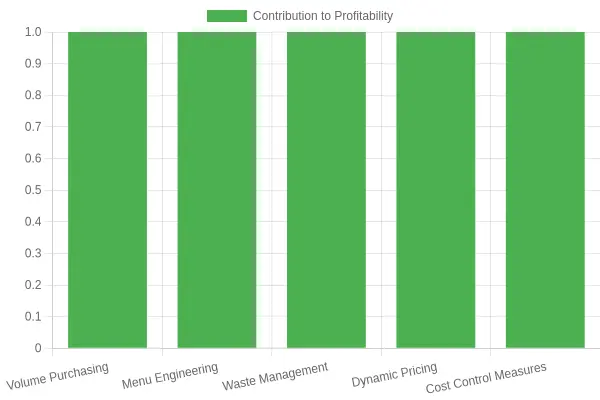
| Strategy | Contribution to Profitability |
|---|---|
| Volume Purchasing | Bulk buying reduces per-unit costs, increasing margins. |
| Menu Engineering | Optimizing menu items based on cost and popularity boosts sales. |
| Waste Management | Implementing processes to minimize food waste saves costs. |
| Dynamic Pricing | Adjusting prices based on demand can maximize revenue. |
| Cost Control Measures | Regularly reviewing expenses helps maintain profitability. |
Conclusion
In conclusion, effectively managing food costs and implementing strategic price points are fundamental for buffet restaurants aiming for profitability. By utilizing strategies like volume purchasing, menu engineering, and waste management, operators can attract customers while ensuring their businesses remain profitable. Understanding customer behavior and market trends will be essential for continuous optimization of these strategies. For more insights on buffet operations, check our Royal Buffet menu or explore our locations.
| Pricing Model | Description | Pros | Cons |
|---|---|---|---|
| Fixed Price | A set price for all-you-can-eat buffet. | – Simple for customers and owners. | – Possible losses if many plates are consumed. |
| – Easier forecasting for revenue. | – Potential for food wastage. | ||
| Pay-Per-Plate | Customers pay for each plate they take. | – Reduces food waste. | – More complex, may deter some customers. |
| – Allows for flexible pricing. | – Management of portion sizes is critical. | ||
| Tiered Pricing | Different prices based on meal times or age (e.g., discounts for children). | – Attracts different customer segments. | – More complicated pricing structure. |
| – Enhances customer experience. | – May confuse some customers. |
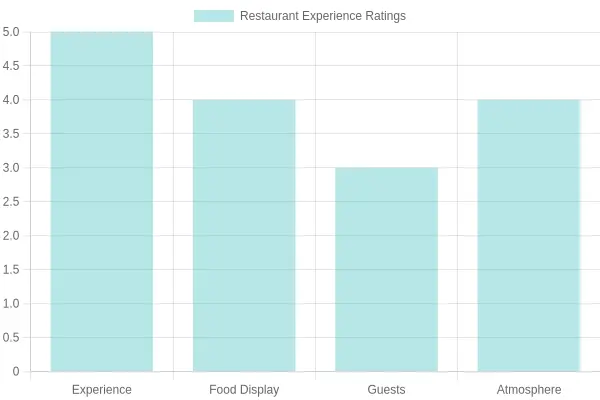
This image captures the essence of the buffet experience, showcasing the vibrant interior of a buffet restaurant with a variety of food displays and happy customers enjoying their meals. The inviting atmosphere is a crucial aspect of why buffet restaurants thrive and attract customers.
For more information on buffet styles and offerings, you can explore Royal Buffet.
Operational Efficiency in Buffet Restaurants
Operational efficiency in buffet restaurants is essential for maximizing profitability and enhancing customer satisfaction. Unlike traditional dining establishments, buffet restaurants face unique challenges such as managing large quantities of food, ensuring quality and freshness, and providing swift service during peak hours. Here we will delve into the critical areas of staffing, inventory management, and waste reduction strategies that contribute to operational efficiency.
Importance of Operational Efficiency
Operational efficiency refers to the ability of a restaurant to deliver quality service and food while minimizing costs and maximizing resources. In buffet restaurants, operational efficiency is particularly important due to the following reasons:
-
Customer Satisfaction: Efficient operations lead to faster service and reduced wait times, which significantly enhance the dining experience for customers. A well-managed buffet can keep patrons satisfied, leading to repeat business and positive word-of-mouth.
-
Profit Maximization: By streamlining processes and costs, buffet restaurants can increase their profit margins. Efficient staffing and inventory management reduce unnecessary expenses – directly impacting the bottom line.
-
Resource Management: Buffets serve a variety of dishes which necessitate precise control over food production and service areas. Efficient use of labor, materials, and time can minimize waste and foster sustainability.
Staffing
Staffing is a critical element in achieving operational efficiency within buffet restaurants. The fluctuating nature of customer traffic necessitates a careful approach to staffing:
- Optimal Staffing Levels: Carefully balancing the number of staff during peak and non-peak hours ensures that customers receive timely service without unnecessarily inflating labor costs. Tools such as staff scheduling software can be used to predict busy times and adjust staffing accordingly.
- Cross-Training Employees: Training staff to handle multiple roles can enhance flexibility and efficiency during service. For example, servers trained to assist with food replenishment can keep buffet lines running smoothly during busy periods.
- Motivation and Morale: Higher employee satisfaction directly correlates with better service. Establishing incentives, fostering a positive work environment, and ensuring clear communication can lead to a more motivated staff that performs efficiently.
Inventory Management
Effective inventory management practices are vital for minimizing costs and reducing waste in buffet restaurants:
- Accurate Forecasting: Utilizing data analytics can help predict inventory needs based on customer preferences and seasonal trends. This minimizes over-preparation and ensures that food remains fresh.
- Technology Integration: Implementing inventory management systems allows buffet owners to track stock levels, set alerts for reordering, and analyze usage patterns, all of which contribute to more accurate inventory control.
- Portion Control: Encouraging portion control can reduce food waste. Self-service buffets inherently lead to plate waste, but educating customers about appropriate serving sizes can mitigate this issue.
Waste Reduction Strategies
Waste reduction is a significant aspect of operational efficiency and also contributes to sustainability efforts:
- Food Recycling Initiatives: Partnering with local charities or food banks can help redistribute surplus food that is safe for consumption, thereby minimizing waste.
- Regular Menu Audits: Periodic reviews of menu items based on popularity can help eliminate less-favored dishes that contribute to excess waste. Adjusting menu offerings in accordance with customer feedback ensures that fewer items go uneaten.
- Staff Training on Waste Management: Training staff on proper food storage and handling techniques can prevent spoilage and reduce waste generated during service.
Conclusion
In conclusion, operational efficiency in buffet restaurants is a multifaceted approach that integrates effective staffing, proactive inventory management, and strategic waste reduction practices. By prioritizing these areas, buffet owners can not only enhance their profitability but also improve customer satisfaction and contribute to sustainability in the industry. For more resources on creating a successful buffet experience, explore our Royal Buffet locations where you can see these strategies in action!
Customer Psychology in Buffet Dining
Buffet dining has gained immense popularity, attracting a diverse customer base. This phenomenon can be owed to several psychological factors that influence patrons’ choices, ultimately contributing to the profitability of buffet restaurants. Understanding these factors is essential for business owners aiming to enhance their offerings and improve customer satisfaction.
Perceived Value
One of the primary driving forces behind customers choosing buffet restaurants is the perceived value. Buffets typically offer an array of options at a fixed price, which many customers view as an excellent deal. This perception stems from the belief that they are getting more food for their money. The ability to sample different dishes can make diners feel as though they are maximizing their meal’s worth.
- Quality vs. Quantity: Customers often equate a larger selection of dishes with higher quality dining experience, sparking their interest in visiting a buffet. High-quality ingredients, an impressive presentation, and unlimited servings further reinforce this perceived value.
Social Dining Experience
Buffet dining is inherently social, providing a space for friends and family to gather and share meals. This communal dining atmosphere encourages conversation and fellowship, making it a preferred choice for celebrations and casual outings.
- Diverse customer interaction: The journey through the buffet allows diners to connect, share choices, and engage in discussions about their selected dishes. This dynamic creates a joyful environment that enhances overall dining satisfaction, fostering repeat visits.
Control Over Choices
Another unique aspect of buffet dining is the autonomy it offers. Customers can select various dishes and determine how much they want to eat, allowing them to tailor their dining experience. This control can increase customer satisfaction, as they can adjust their meals to cater precisely to their preferences and hunger levels.
- Catering to Individual Tastes: Buffets provide options for all dietary preferences, making it easier for groups to dine together without catering to specific food tastes. This adaptability attracts a broader audience, enhancing profitability.
Variety and Exploration
Buffets provide a unique opportunity for culinary exploration without significant commitment to any single dish. Customers enjoy the freedom to try various flavors and cuisines, thereby drawing adventurous eaters into the fold.
- Attracting Diverse Demographics: Families, groups of friends, and individuals all benefit from the variety offered, allowing for numerous dishes that cater to different tastes. This flexibility can lead to higher customer traffic, ultimately boosting revenues.
Conclusion
By understanding the psychological factors, such as perceived value and social dynamics, buffet restaurants can enhance their appeal and profitability. Catering to these needs by providing excellent value, a pleasant dining atmosphere, and a variety of choices creates an environment that encourages customers to return again and again. As a business owner, it is crucial to prioritize these elements to maximize profits in the buffet sector. To explore a successful buffet restaurant model, check out Royal Buffet’s offerings.
Food Waste Trends in Buffet Restaurants
Buffet restaurants are often challenged by significant food waste due to their service model, which encourages patrons to take more food than they might consume. Managing this waste is crucial for profitability-not only does excessive waste lead to increased costs, but effective waste management strategies can also be implemented to enhance profit margins.
The Impact of Waste Management on Profitability
Implementing efficient waste management practices can help buffet restaurants reduce their overhead costs related to food waste. Studies suggest that focusing on waste management can lead to a substantial increase in profits over time. Below, we illustrate this phenomenon with a chart depicting food waste trends and profit margins from 2015 to 2023:
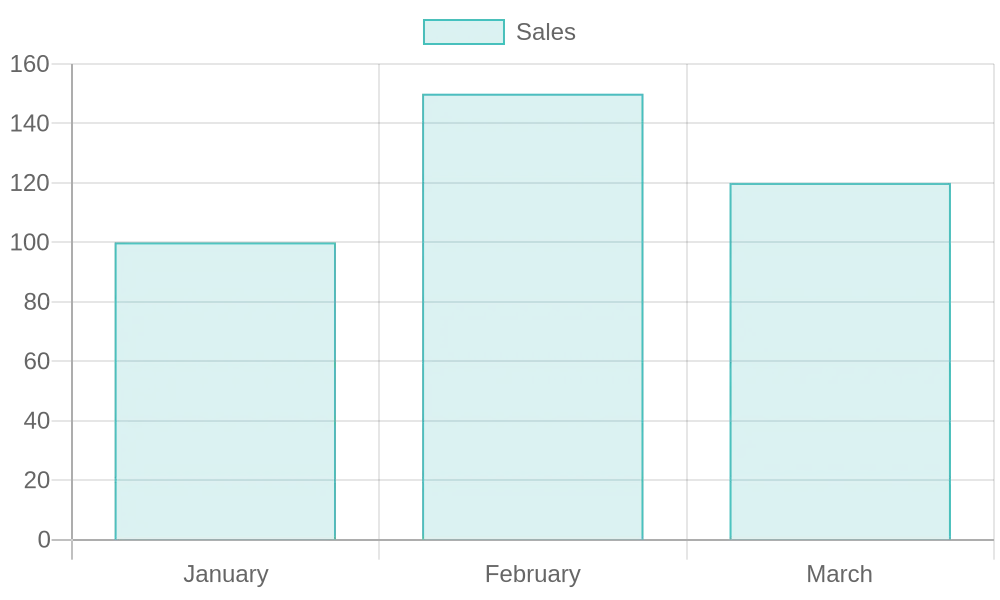
This chart visualizes the correlation between the decreasing amount of food waste and the increase in profit margins as effective waste management strategies are adopted in buffet restaurants.
For more insights into effective buffet strategies,visit our website.
Conclusion
Running a profitable buffet restaurant is a challenging yet rewarding endeavor. Throughout this article, we’ve delved into various strategies and insights essential for enhancing the profitability of such establishments, summarizing the key takeaways for business owners:
-
Understanding Revenue Potential: Buffet restaurants possess significant income potential. Research indicates that owners can earn between $250,000 to over $15 million annually, depending on operational scale and efficiency. Establishing sound financial tracking methods-particularly analyzing revenue from different dining times, such as brunch and dinner-can yield better financial oversight (Financial Models Lab).
-
Optimizing Operations: Increasing profitability can often be achieved without raising prices. Key strategies include enhancing beverage sales, improving kitchen efficiency, and optimizing seating arrangements to maximize turnover rates during peak hours. Implementing these strategies can increase the number of covers while maintaining customer satisfaction (Business Plan Suite).
-
Continuous Menu Management: Designing a thoughtful menu that regularly incorporates customer favorites, while balancing variety and consistency, is crucial. Seasonal changes and customer feedback should guide updates, ensuring offerings remain fresh and appealing. Additionally, managing food quality and reducing waste directly influences profit margins, reinforcing the need for effective inventory control.
-
Maintaining Customer Engagement: A welcoming atmosphere coupled with responsive customer service enhances the dining experience, encouraging repeat visits. Engaging with customers for insights through feedback can guide operational improvements and menu adjustments.
-
Health and Safety Compliance: In the age of heightened awareness of health standards, maintaining top-notch hygiene practices not only assures food safety but also instills confidence in your customers, which is essential for return business.
In conclusion, buffet restaurant profitability hinges on strategic operational practices, menu management, and customer relations. By implementing these actionable insights, business owners can navigate the complexities of the buffet restaurant landscape more effectively, ultimately leading to sustainable profitability and satisfied patrons. For more specific insights and guidance tailored to your needs, consider exploring our resources on Royal Buffet in Findlay, Ohio and our diverse buffet menu options.
With careful planning and execution, your buffet restaurant can not only thrive but also become a beloved dining destination in your community.
Unlock Your Business Potential with Zoomlion
In the competitive landscape of buffet restaurants, understanding the nuances of profitability and operational efficiency can be the key to success. If you’re a business owner looking to navigate this complex industry, we invite you to reach out to Zoomlion. Our team of experts is equipped with deep insights and strategies tailored specifically for businesses in the buffet dining sector.
Why Contact Zoomlion?
- Expert Guidance: Gain access to our industry-leading knowledge that can help you improve your restaurant’s performance.
- Innovative Solutions: We provide customized strategies that suit your restaurant’s unique needs.
- Comprehensive Support: From operational issues to marketing strategies, we have you covered.
Whether you’re looking to enhance your menu offerings, improve customer experience, or streamline operations, we can help you achieve your goals. Don’t let uncertainty hold you back. Embrace the full potential of your business today!
Get in Touch
Connect with us through our website to learn more about how we can support your buffet restaurant journey. We would love to discuss your needs and explore how our services can make a positive impact on your business. Click here to start the conversation. Your success is just a call away!
Together, let’s build a thriving buffet business that stands out in the market!