
Introduction to the Profitability of Restaurant Buffets
In the ever-evolving restaurant industry, the buffet model stands out as a beacon of profitability and customer appeal. For business owners seeking a strategic edge, understanding how restaurant buffets make money is crucial. Buffets offer a unique dining experience that combines variety, value, and convenience all in one location, making them hugely attractive to patrons. The allure of all-you-can-eat options often pulls in larger crowds, ensuring a steady stream of customers eager to indulge in multiple courses without breaking their budget.
But what truly drives the financial success of buffets? This article delves into various aspects such as operational efficiencies, menu design, pricing strategies, and customer behavior. We will also explore the importance of location and market trends, particularly focusing on buffets like Royal Buffet that leverage these elements effectively. By the end, you will have a comprehensive understanding of how buffets not only attract diners but also yield considerable profits for savvy restaurant owners. If you’re located in Findlay, Ohio, you might also be interested in discovering the best buffet offerings near you. Join us as we uncover the secrets behind the thriving buffet business model!
Key Factors Contributing to Buffet Profitability
Buffet restaurants leverage several strategies and operational practices to maximize profitability. Here are some essential factors that contribute to their success:
- Cost Control: Effective cost management is critical for profitability. Buffet restaurants keep a tight grip on food costs by regularly reviewing supplier contracts and negotiating prices. This minimizes wastage and enhances profit margins.
- Menu Design: Crafting a diverse yet focused menu can attract a broad customer base while maintaining cost efficiency. Including high-margin items in the buffet helps bolster profitability.
- Operational Efficiency: Streamlining operations-from food preparation to service processes-ensures that resources are utilized effectively. Training staff to deliver quick and friendly service can also enhance customer satisfaction and optimize table turnover rates.
- Customer Experience: A focus on cleanliness, service quality, and customer satisfaction encourages repeat visits. Buffets should actively engage with customers, seeking feedback to continuously improve offerings.
- Effective Marketing Strategies: Utilizing promotions, social media marketing, and loyalty programs can attract more guests. Collaborating with local businesses and integrating food delivery services broadens market reach.
- Real-Time Analytics: Employing management software to analyze sales and customer preferences can provide insights that guide menu adjustments and operational improvements. This helps in staying responsive to changing customer trends.
- Strategic Pricing: Implementing competitive yet profitable pricing strategies can help in managing profit margins effectively. Pricing should reflect the value perceived by customers while remaining competitive within the market.
These strategies help buffet restaurants remain competitive while maximizing profit potential. To see how these strategies reflect in successful buffet establishments, consider exploring Royal Buffet in Findlay or reviewing the menu options offered to keep up with customer preferences and price sensitivity.
Buffet Pricing Strategies Comparison
In the competitive landscape of buffet dining, restaurants employ various pricing strategies to maximize profitability and customer satisfaction. Here’s a detailed comparison of common buffet pricing strategies, including fixed price, pay-per-plate, and discount pricing:
| Pricing Strategy | Definition | Benefits | Drawbacks |
|---|---|---|---|
| Fixed Price | A set charge for unlimited food | Predictable revenue, simplicity in operations, encourages higher customer footfall. | Risk of food waste, potential overconsumption, require careful management to maintain profitability. |
| Pay-Per-Plate | Customers pay for selected dishes | Encourages thoughtful consumption, reduces waste, flexibility in dining experience. | May limit customer choice, less appeal compared to all-you-can-eat models. |
| Discount Pricing | Offering price reductions, especially off-peak | Attracts more customers during slow times, increases overall foot traffic, boosts sales. | Requires careful management to avoid losses, may attract bargain-seekers rather than loyal patrons. |
Conclusion
Each strategy presents its unique advantages and challenges. Buffets that successfully balance customer preferences with effective pricing strategies can significantly enhance their profitability and market share. For instance, understanding the local market and aligning prices accordingly is crucial for sustainable success.
If you’re looking for local buffet options that embody these strategies, check out Royal Buffet for more insights!
Managing food costs is crucial for buffet restaurants as they operate with a unique business model that invites patrons to enjoy an all-you-can-eat experience. With this model comes the challenge of balancing customer satisfaction while ensuring profitability. Here’s a detailed analysis of how buffet restaurants manage their food costs effectively.
Strategies for Food Cost Management
- Minimizing Waste
Waste management is at the forefront of cost control in buffet restaurants. Studies suggest that approximately 40% of food produced in the U.S. goes to waste, and buffets can significantly contribute to this figure due to over-preparation. To combat this, many buffets:
- Implement inventory tracking systems to better predict food needs.
- Utilize strategies like reusing food safely to minimize waste.
- Donate leftovers whenever possible, which not only reduces waste but also provides a marketing advantage by promoting the restaurant’s community involvement.
- Optimizing Inventory
Careful management of inventory is essential in buffets. By strategically sourcing ingredients and planning menus, restaurants can ensure that they only purchase what they need. This involves:
- Bulk buying of items that have a longer shelf life.
- Investing in seasonal and locally sourced ingredients to reduce costs and ensure freshness.
- Regular inventory audits to keep track of stock and avoid over-ordering.
-
Negotiating Supplier Contracts
Buffet restaurants often have a diverse menu that requires various ingredients. Establishing strong relationships with suppliers can lead to favorable pricing and improved quality for items. Buffet restaurants can negotiate contracts that provide better pricing structures, discounts for bulk purchases, and flexible delivery schedules to further reduce costs. -
Utilizing Seasonal Ingredients
Incorporating seasonal and local produce can enhance both the flavor and cost-effectiveness of dishes. By changing the menu according to what’s in season, buffets can:
- Reduce costs associated with out-of-season items, which tend to be more expensive due to shipping and storage.
- Provide customers with unique and fresh dining experiences that can differentiate their offerings from competitors.
- Implementing Careful Portion Management
Another vital area for cost control is portion management. Buffets open the door for over-indulgence, but effective portion control can help decrease the amount of food wasted. Techniques include:
- Using smaller serving utensils to naturally limit the quantity patrons take.
- Training staff to encourage customers to start with smaller portions and return for more if desired.
- Designing the layout of the buffet in a way that makes it easier to observe portion sizes.
Examples & Research
-
The Economics of Buffets
According to a discussion at The Hustle, buffet restaurants that effectively implement these strategies can significantly boost their profitability, especially by reducing waste. The calculations show that managing waste effectively can improve profit margins considerably. -
Research Insights
A report from Restaurant Times discusses how optimizing food costs through various management tactics is a fundamental practice leading to increased profitability in buffet operations.
Conclusion
Food cost management in buffets requires a multifaceted approach that includes waste reduction, smart inventory management, supplier negotiations, menu adjustments, and portion control. By implementing these strategies, buffet restaurants can create a sustainable model that not only satisfies customer demand but also enhances profitability.
Understanding these practices can be pivotal for restaurant owners looking to improve their operational efficiency and enhance their bottom line. For more information on how buffet restaurants operate and manage their resources, check out Royal Buffet’s main offerings for a detailed look at successful buffet management strategies.
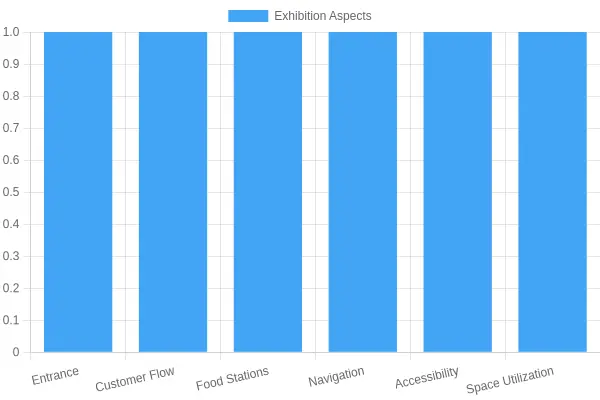
This image illustrates an efficient buffet layout that emphasizes effective space utilization, showcasing key elements like welcoming entrances, clear paths for customer flow, strategically placed food stations, and navigational cues for an optimal dining experience.
Strategies for Attracting and Retaining Large Volumes of Customers in Buffet-Style Restaurants
Buffet-style restaurants offer a unique dining experience that combines variety and value. To be successful, they must not only attract a steady volume of customers but also retain them. Here are some effective strategies for achieving these goals through customer engagement and innovative marketing techniques.
1. Offer Diverse Menu Options
One of the primary attractions of a buffet restaurant is the variety of food available. To cater to different palates and dietary needs, it is essential to provide a wide range of options. This includes diverse cuisines, vegetarian and vegan choices, and accommodating allergies. Regularly refreshing the menu can keep the dining experience exciting for return customers.
2. Promote through Social Media
Social media is a powerful tool for engaging with potential customers. Here are some specific strategies:
- User-Generated Content: Encourage satisfied customers to share their dining experiences on social media. Create a unique hashtag for your restaurant that customers can use, resulting in organic promotion.
- Visual Storytelling: Post high-quality images and videos of your buffet layout and delicious dishes. Engaging visuals can entice users and prompt them to visit your restaurant in person.
- Interactive Content: Polls and contests on platforms like Instagram and Facebook can increase user engagement and foster a community around your restaurant. This interaction not only entertains but also keeps your restaurant on the radar for potential customers.
3. Offer Loyalty Programs
Implementing a loyalty program can significantly boost customer retention. Reward customers for repeat visits with discounts, special offers, or exclusive access to new menu items. This approach personalizes the dining experience and fosters a relationship that encourages return visits.
4. Collaborate with Local Businesses
Partnering with other local businesses can enhance visibility and attract more customers. For instance, a buffet restaurant could collaborate with a local brewery for themed events, offering discounts on a buffet meal with a beer pairing. Such collaborations can tap into each partner’s customer base and drive new traffic to your restaurant.
5. Focus on Hygiene and Quality Service
In today’s dining environment, customers are particularly focused on cleanliness and safety. Maintain high standards for food preparation and dining area cleanliness. Additionally, training staff to provide exceptional customer service can elevate the dining experience of customers, leading to positive reviews and repeat business.
6. Engage with Customer Feedback
Utilizing customer feedback is vital in ensuring your buffet restaurant meets its customers’ needs. Actively encourage diners to leave reviews on platforms such as Google or Yelp, and take their feedback seriously. By demonstrating that you value their input and are willing to improve, customers are more likely to feel a connection to your restaurant and return.
7. Utilize Email Marketing
An effective email marketing campaign can keep customers informed of upcoming promotions, special events, and new menu items. Personalizing these communications based on past visits can increase engagement and encourage repeat visits.
8. Tap into Local SEO
Enhancing your restaurant’s online presence through local SEO strategies can ensure that it appears prominently in search results. This includes managing online reviews, optimizing your website with relevant keywords, and maintaining an active presence on various restaurant review platforms.
Conclusion
Attracting and retaining large volumes of customers at a buffet-style restaurant requires a multifaceted approach. By offering a diverse menu, leveraging social media, maintaining cleanliness, engaging with customers, and implementing effective marketing strategies, you can create an irresistible dining experience that keeps patrons coming back for more. For more insight on buffet offerings, check out Royal Buffet’s menu.
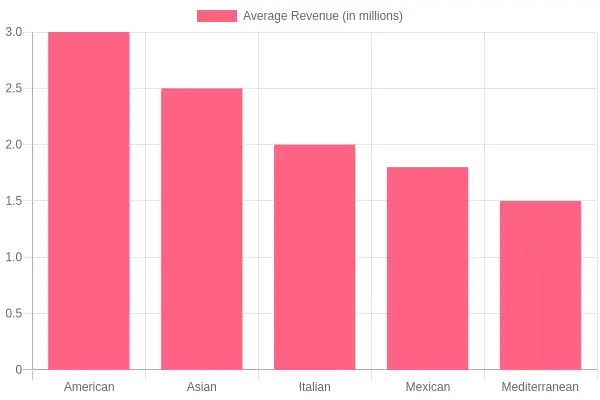
Average Revenue by Cuisine Type
The following chart illustrates the average revenue generated by restaurant buffets over the years, segmented by different types of cuisine. Buffets can significantly vary in their revenue based on the type of cuisine they specialize in. This data can be crucial for business owners aiming to understand the market better and strategize accordingly.
| Cuisine Type | Average Revenue (in millions) |
|---|---|
| American | $3.0 |
| Asian | $2.5 |
| Italian | $2.0 |
| Mexican | $1.8 |
| Mediterranean | $1.5 |
For more insights on buffet operations, learn more about Royal Buffet or explore our menu options here.
Labor Cost Considerations in Buffets
Managing labor costs effectively in buffet-style restaurants is crucial for maintaining profitability. The buffet model relies on a significant influx of customers, which necessitates an efficient and well-trained staff. Let’s explore the various aspects of labor cost management and its impact on the overall success of buffet operations.
The Importance of Labor Cost Management
-
Cost Compositions: In buffet restaurants, labor costs typically account for a substantial portion of total operating expenses. According to industry reports, labor expenses can range from 20% to 30% of total sales. Effective management of these costs directly influences profit margins.
-
Staffing Levels: The number of staff required fluctuates with customer volume. It’s essential to strike a balance between having enough personnel on hand to provide quality service while avoiding overstaffing during slower periods. According to best practices, utilizing flexible staffing schedules based on peak dining hours can help optimize labor costs.
-
Staff Roles and Responsibilities: Buffet operations require a diverse range of roles including chefs, servers, food prep staff, and cleaning staff. Each plays a vital role in ensuring that guests have a pleasant dining experience. Managers must regularly assess the effectiveness and productivity of each role by analyzing tasks performed versus customer satisfaction metrics.
-
Training and Efficiency: Investment in employee training ensures staff is well-equipped to handle varying circumstances that may arise during busy services. Well-trained staff can improve service speed and maintain customer satisfaction, contributing to repeat business and referrals. For instance, cross-training employees to perform multiple roles can help reduce downtime and better adapt to fluctuating demands.
The Impact on Profitability
-
An efficient labor force not only cuts costs but also enhances customer experience, leading to higher sales figures. Research indicates that restaurants that effectively manage their labor costs can improve their overall financial performance significantly.
-
Metrics such as labor cost percentage, guest-to-staff ratios, and service times can help buffet owners monitor and refine labor management strategies. Tracking these metrics regularly provides actionable insights into staffing needs and operational efficiency.
-
Revamping Menu Offerings: Buffets attracting higher customer volumes must also manage the costs of food waste. Aligning menu offerings with slower sales periods mitigates the risks associated with over-preparation, thereby leveraging labor in a more cost-effective manner.
Conclusion
In conclusion, labor cost management is crucial for the profitability of buffet restaurants. By scheduling staff effectively, ensuring adequate training, and regularly reviewing operational metrics, buffet owners can create a well-managed labor environment that supports sustained growth and profitability. Implementing these practices can establish a solid foundation for any buffet operation seeking to thrive in a competitive market.
For thorough insights and specific strategies for buffet success, you can learn more about our services or our menu offerings.
“The buffet model presents a unique opportunity for restaurants to capitalize on high-volume sales, but maintaining profitability hinges not only on careful food cost management but also on the strategic placement of offerings and managing waste effectively.”
- Restaurant Industry Expert
In the restaurant industry, particularly for buffets, expert insights emphasize the importance of profitability strategies. Buffets can thrive through self-service models, which reduce labor costs, and bulk preparation techniques. A typical goal is to maintain food costs at 30-45% of revenue. This approach not only ensures quality but also encourages repeat customers, which is vital for sustaining business in the competitive restaurant landscape. To explore more about effective buffet strategies, check our menu or learn more about our offerings at Royal Buffet locations.
Conclusion: Profitability of Buffet Restaurants
Throughout this article, we have explored the numerous facets that contribute to the profitability of buffet-style restaurants. Buffets stand out not just for their appealing culinary variety but also for their well-structured economic models that allow for sustainability and growth in the highly competitive restaurant market. Here are some of the key insights we gathered:
-
Volume-Based Pricing: Buffets employ a fixed pricing strategy that encourages customers to eat to their heart’s content, which can lead to increased customer satisfaction and repeat visits.
-
Effective Food Cost Management: By using lower-cost ingredients and optimizing food preparation practices, buffet restaurants can considerably control their food costs, significantly impacting their profit margins.
-
Dynamic Menu Offerings: The ability to adapt menus based on customer preferences and seasonal ingredients enables buffets to maintain variety and freshness, keeping customers engaged and coming back for more.
-
High Turnover Rates: Buffets are designed for quick customer turnover, which maximizes service efficiency and profitability, allowing more diners to enjoy the offerings in a shorter period.
For prospective business owners, incorporating these principles can lead to successful buffet ventures that not only satisfy customers but also thrive financially. If you are contemplating entering the buffet market or looking to optimize your existing operation, there is no better time to explore this lucrative opportunity.
Call to Action
Are you ready to take the next step towards launching or enhancing your buffet restaurant? Don’t hesitate to explore our offerings at Royal Buffet to learn more about how we can support your journey. From practical insights to tailored service solutions, we are here to help you turn your vision into reality. Contact us today, and let’s make your buffet restaurant a delightful dining experience for your patrons!