
The Allure of Buffet Dining: A Profitable Business Model
Buffet dining has long captivated food enthusiasts and families alike, presenting an irresistible blend of culinary variety and social interaction. Diners love the flexibility of choosing their own meals without the constraints of a fixed menu, which leads not only to an enjoyable experience but also greater food exploration. For restaurant owners, this model translates into a remarkable opportunity to maximize profits.
The profitability potential in buffet settings lies mainly in certain strategic approaches:
- Volume Sales: Buffets operate on a flat-fee pricing system that leverages high customer turnout, particularly since many guests may not consume the equivalent cost of food served.
- Cost Control: By managing food costs, waste, and inventory efficiently, buffets can maintain a healthy profit margin.
- Menu Design: Crafting an appealing yet cost-effective selection encourages patronage while controlling overall expenditure.
- Operational Efficiency: The design of buffet service minimizes labor costs by reducing preparation and service time.
These benefits enhance the allure of buffet dining while providing solid financial advantages for restaurant operators. For those considering adopting this exciting dining option, there is ample opportunity for both satisfying customers and boosting revenue. Ready to explore the considerable benefits of buffets for your own establishment? Learn more about optimizing buffet strategies and discover how you can attract a diverse clientele while maximizing your restaurant’s profitability.
Embracing the buffet model means not only catering to consumer cravings for variety and value but also positioning your business for success in the competitive restaurant landscape.
Advantages of Buffet-Style Dining for Restaurant Owners
Buffet-style dining offers numerous benefits for restaurant owners, contributing to enhanced customer satisfaction, cost savings, and operational efficiencies. Here are the primary advantages:
- Cost Efficiency: Buffets minimize labor costs by reducing the number of servers needed. Customers serve themselves, which often leads to lower staffing requirements.
- Increased Revenue: With a fixed price per plate, buffets can encourage customers to eat more, increasing revenue. Customers perceive buffets as a better value, leading to higher sales volumes.
- Variety: Offering a broad selection of dishes appeals to diverse tastes and dietary needs, enhancing customer satisfaction. This variety encourages repeat visits.
- Reduced Waste: By adjusting food offerings based on guest preferences, restaurants can better manage food waste. Foods that are less popular can be minimized or replaced.
- Faster Service: Customers can quickly serve themselves, which speeds up the dining experience especially during busy hours.
- Operational Efficiencies: Streamlined service reduces the need for complicated table service, allowing for a more efficient kitchen and serving layout.
- Feedback Opportunities: Buffets allow restaurant owners to gather customer feedback on various dishes and adapt menus accordingly to suit tastes.
By leveraging these advantages, restaurant owners can improve their business model and provide exceptional customer experiences. Learn more about buffet dining benefits.
For restaurant owners looking to enhance their offerings, discover Royal Buffet in Findlay, Ohio and explore how a buffet-style approach can benefit your establishment.
Understanding Buffet Revenue and Customer Preferences in the Restaurant Industry
In recent years, the buffet segment of the restaurant industry has faced significant challenges and transformations. As business owners consider how to profit from buffets, it’s essential to stay updated on market data and consumer preferences that can influence success.
Market Data on Buffet Revenue
The restaurant industry, including buffets, is gradually rebounding from the impacts of the global pandemic. Although specific revenue statistics for buffets in 2023 are not readily available, the overall trends point towards a resurgence in consumer confidence, resulting in increased foot traffic in dining establishments. Key observations include:
- Recovery Phase: Buffets are recovering as people feel more comfortable dining out. Many dining preferences are shifting back toward communal dining experiences, despite earlier concerns about hygiene and food safety.
- Diverse Offerings: Buffets that have diversified their food offerings, including health-conscious and ethnic cuisines, have observed better customer retention and satisfaction. Operators are focusing on innovative moments and unique culinary experiences to attract diners.
Customer Preferences with Buffets
Observations regarding dining choices have also evolved, particularly in buffet settings. Here are some crucial trends noted in 2023 regarding customer preferences in buffet dining:
- Health-Conscious Menu Options: Buffet restaurants are increasingly incorporating healthier and more varied menu items. Diners now favor fresh salads, gluten-free options, and vegetarian dishes. Buffets that adapt their menus to include these options are seeing positive results in customer satisfaction.
- Sustainability Practices: There is a heightened awareness around sustainability. Buffets that practice eco-friendly measures-such as sourcing local ingredients and minimizing food waste-tend to garner a more loyal customer base.
- Customization and Interaction: Buffets offering customizable meal options are gaining popularity. Customers appreciate the ability to create their own meals, such as build-your-own stir-fry or salad stations.
- Cultural Diversity: Dishes from various international cuisines-whether Asian, Mediterranean, or fusion-are in demand, appealing to diners looking for new culinary experiences.
- Enhanced Hygiene Measures: Following the pandemic, customers prioritize health and safety, leading to increased demand for buffets implementing enhanced sanitation practices.
These insights suggest that while buffets faced significant hurdles, the potential for profitable operations exists by adapting to current market trends and consumer needs. For more details on buffet offerings, menus, and insights into specific locations, check out Royal Buffet for comprehensive information.
As restaurant owners strategize on improving their buffet operations, understanding and implementing these market observations will play a critical role in enhancing profitability and customer satisfaction.
Buffet Costs vs. Traditional Table Service Costs
| Cost Category | Buffet Average Cost | Traditional Table Service Average Cost |
|---|---|---|
| Food Costs | $10 – $25 per person (fixed price) | $15 – $50 per person (varies by menu) |
| Staffing Costs | Lower (self-service model) | Higher (waitstaff, kitchen staff) |
| Overhead Costs | Moderate (variable for supplies) | Higher (depends on service style) |
| Customer Turnover Rate | High (many customers in a short time frame) | Moderate (longer dining experience) |
Key Observations
- Buffets typically charge a fixed price that allows customers to eat as much as they want within that cost, making them appealing to those with large appetites or seeking variety. The self-service model significantly reduces the staffing costs involved.
- Traditional table service restaurants charge per item, offering a more tailored dining experience. However, with higher staffing requirements and the expectation of more personalized service, these generally have higher operating costs.
This comparison can provide insights for restaurant owners evaluating their service model. To learn more about buffet options available in Findlay, check out Royal Buffet in Findlay, Ohio.
Pricing Strategies for Buffets: Maximizing Profits
When it comes to buffet restaurants, establishing the right pricing strategy is crucial for maximizing profits. Here are some effective strategies that restaurant owners can adopt:
1. Fixed Pricing
Fixed pricing is a straightforward and widely used strategy in buffet settings. Customers are charged a single price for all-you-can-eat access to a range of dishes. This approach simplifies the customer experience and encourages larger crowds.
-
Pros:
- Easy for customers to understand the costs.
- Encourages more frequent visits.
- Higher perceived value of unlimited food can lead to increased sales volume.
-
Cons:
- Restaurants must carefully manage food costs to avoid financial losses, as larger eaters can significantly impact profitability.
2. Tiered Pricing
Tiered pricing offers a flexible approach based on time of day or customer type (e.g., adult, child, senior). For instance:
- Lunch Buffets: Priced between $15-$20.
- Dinner Buffets: Range from $25-$35.
This strategy not only differentiates customer segments but also allows restaurants to capitalize on the increased spending during dinner hours, leading to a potential 30-50% increase in average check sizes during dinner.
-
Pros:
- Aligns pricing with demand; dinner is typically more valuable.
- Attracts various customer demographics throughout the day.
-
Cons:
- Need to maintain operational efficiency to ensure quality across different pricing tiers.
3. Menu Cost Management
To maximize profits, buffet restaurants must carefully consider their menu offerings. Using less expensive, high-quality ingredients can help keep costs down while offering variety. This strategy also involves managing food waste by analyzing customer preferences to adjust menu items accordingly.
4. Upselling and Promotions
Increasing revenue through upselling can significantly impact profit margins. This may include selling beverages, desserts, or exclusive items not included in the buffet price. Seasonal promotions or special events can encourage higher spending and repeat customers.
5. Efficient Staffing
Buffet restaurants typically have fewer staff per customer compared to traditional dining setups. By focusing on efficient staffing-prioritizing roles like cooking and replenishing food-operators can keep labor costs lower, contributing to improved profitability.
By implementing these pricing strategies, buffet restaurant owners can optimize their revenue while delivering a satisfying experience to their customers. For more insights on how to effectively implement these strategies, learn more about buffet management.
Following these methods can significantly enhance the profitability of buffet operations, enabling restaurant owners to attract more patrons and manage costs effectively while providing customers with a delightful dining experience.
The image shows an attractive buffet setup in a restaurant, illustrating the abundant choices available to diners. This visual acts as a perfect hook for discussing how restaurants can profit from buffet dining.
For more about buffet options, check out Royal Buffet in Findlay, Ohio.
Operational Considerations for Running Buffets
Running a successful buffet involves navigating various operational challenges with a keen eye on boosting profitability. Here are critical aspects to consider:
1. Food Safety
Maintaining food safety is paramount in any buffet setting. This includes:
- Hygiene Practices: Enforce strict hygiene standards for food handling, such as regular handwashing, the use of gloves, and frequent cleaning of serving areas.
- Temperature Control: Keeping hot foods above 140°F and cold foods below 40°F is crucial to minimize the risk of foodborne illnesses. This requires using food warmers and refrigerators effectively.
2. Inventory Management
Managing inventory efficiently can significantly influence profitability:
- Stock Rotation: Implement the FIFO (First In, First Out) method to ensure that older food items are used first, reducing waste and spoilage.
- Regular Audits: Conduct frequent inventory checks to manage food stocks, adjust purchasing decisions according to demand, and prevent overstocking, which can lead to unnecessary waste.
3. Staffing
Adequate staffing levels and training are essential for smooth operations:
- Training Programs: Providing comprehensive training on food safety, customer service, and buffet management can improve the quality of service and enhance compliance with health regulations.
- Staffing Levels: Ensure sufficient staff during peak meal times to manage food stations, assist customers, and maintain cleanliness in the dining area.
4. Profitability Impact
A focused strategy on operations can greatly affect your bottom line:
- Cost Control Measures: Regular analysis of food costs is necessary to set competitive prices that cover expenses. Using seasonal and local ingredients often helps in reducing costs while maintaining quality.
- Enhancing Customer Experience: A positive dining experience through engaging themes and quality offerings can increase customer retention, contributing to long-term profitability.
Conclusion: Effectively managing these operational considerations-food safety, inventory management, staffing-can lead to improved customer satisfaction and ultimately a healthier bottom line. For more insights on running buffets successfully, check out our Royal Buffet offerings or explore our locations and menus.
How Do Restaurants Make Money on Buffets
Buffet dining has become a popular choice for many families and groups seeking variety and value for their meal. However, the question remains – how do restaurants make money while offering such an expansive selection of food?
Profitability Strategies
- Cost Management:
- Buffets can be profitable with careful management of food costs. Restaurants often strategize menu engineering to ensure popular items remain available while minimizing waste.
- Diverse Offerings:
- Providing a wide range of dishes attracts more customers. Offering seasonal or special items can prompt repeat visits.
- Appealing Atmosphere:
- An inviting dining environment plays a significant role in customer satisfaction and encourages repeat business.
- Marketing and Loyalty Programs:
- Implementing loyalty programs can help drive repeat visits, which is essential for maintaining profitability.
“The key to profitability in buffet dining lies not only in offering variety but also in managing food costs effectively and creating an inviting atmosphere that enhances the overall customer experience.”
For more insights on buffet options, visit Royal Buffet’s offerings or check out our menu here.
Customer Preferences in Buffet Dining
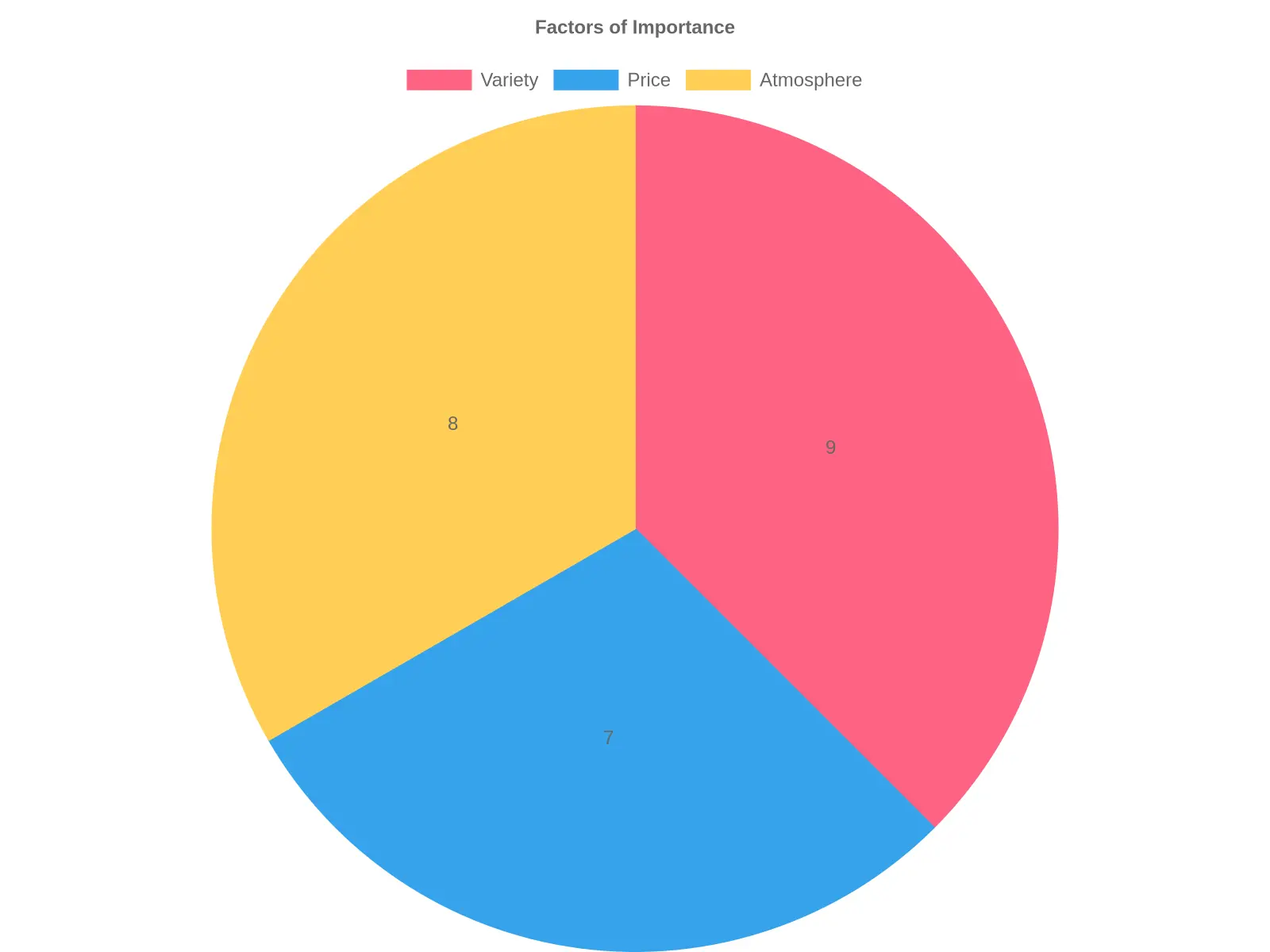
This chart illustrates customer preferences when dining at buffets, highlighting key factors such as variety, price, and atmosphere. These elements are crucial for restaurant owners to understand in order to enhance their offerings and maximize profitability.
Key Factors:
- Variety: Rated 9/10 in importance, customers prefer a wide range of options to choose from.
- Atmosphere: Scoring 8/10, a pleasant dining environment significantly enhances the overall experience.
- Price: At 7/10, good value for money is crucial for encouraging repeat visits.
To learn more about how to enhance your buffet dining experience, check out our menu options.
Understanding these customer preferences can help buffet-style restaurants tailor their offerings to meet expectations and drive customer satisfaction.
Conclusion
In summary, buffet dining represents a promising avenue for restaurant owners looking to enhance their profitability. By offering a diverse selection of dishes at a fixed price, buffets not only attract a larger volume of customers but also foster a unique dining experience that encourages social interaction and repeat visits. The operational efficiency, potentially reduced labor costs, and lower food waste associated with the buffet model serve to bolster a restaurant’s bottom line significantly.
As the food service industry continues to evolve, implementing or optimizing buffet options can set your establishment apart from competitors. It’s not just about serving food; it’s about creating an inviting atmosphere where customers can explore various flavors and dishes. Restaurant owners should consider taking the next step by evaluating how buffets can fit into their current operations.
For those ready to explore this enriching opportunity, consider visiting Royal Buffet’s locations to see successful implementations in action and potentially inspire your menu creation. Embrace the buffet concept and watch as it enhances both customer satisfaction and your financial success!
Let’s transform how your customers dine and your restaurant profits. Start planning your buffet strategy today!