
The Rise and Challenges of Buffet Restaurants
Buffet restaurants have enjoyed a significant rise in popularity over the last few decades, enticing diners with the promise of unlimited choices and flavors at an all-you-can-eat price. From elaborate spreads featuring global cuisines to themed dining experiences, the buffet format has secured a beloved spot in the hearts of food enthusiasts and families alike. However, the recent challenges brought on by the COVID-19 pandemic and ongoing regulations have left many buffet owners questioning whether they are allowed to open under current guidelines. Health and safety protocols, including social distancing and capacity restrictions, have dramatically altered the landscape of the restaurant industry, making it crucial for business owners to stay informed about their operational status. Understanding the regulations surrounding buffet operations is not just essential for compliance; it is also vital for devising strategies to attract customers back to their dining establishments. As the world continues to adapt and navigate post-pandemic challenges, buffet owners must consider how to innovate and ensure a safe yet enjoyable dining experience for their patrons. To explore more about how you can optimize your buffet operations, learn more about our offerings.
Challenges Faced by Buffet Restaurants
The buffet restaurant model has been under increasing pressure in recent years. As business owners navigate the evolving landscape, they must address a variety of challenges that can impact their operations. Here are some of the key challenges buffet restaurants are currently facing:
-
Health Regulations: With heightened awareness of health issues, buffet restaurants must comply with stringent health regulations. This includes ensuring food safety and minimizing contamination risks, which can lead to increased operational costs and complex compliance procedures.
-
Changing Consumer Behavior: Modern consumers are becoming more health-conscious, leading to a decline in the demand for traditional buffet experiences. Many diners now prefer smaller, healthier portion sizes over the all-you-can-eat model, driving buffet owners to rethink their offerings.
-
Food Waste Management: Buffets inherently produce significant food waste, attracting scrutiny regarding sustainability. Implementing effective food waste management strategies is essential, yet challenging in practice, making it crucial for owners to find balance between variety and waste reduction.
-
Labor Shortages: The industry is currently experiencing a labor shortage, which poses a challenge for buffet restaurants that rely on a large staff for service and food preparation. Finding and retaining skilled personnel has become a significant hurdle.
-
Rising Food Costs: The ongoing fluctuations in supply chain stability have resulted in increased food costs. Buffet restaurants need to adjust their pricing strategies and menu offerings to manage these rising costs while maintaining profitability.
-
Intense Competition: The emergence of new dining concepts and the growing popularity of meal kits and delivery services have intensified competition in the restaurant industry, forcing buffet restaurants to differentiate themselves to attract customers.
These challenges not only affect the operational aspects but also influence the overall customer experience. Buffet restaurant owners who adapt to these challenges will be better positioned to thrive in the current market. For more on buffet dining options in your region, check out Royal Buffet in Findlay, Ohio for details on menu offerings and more.
Local Laws and Regulations Affecting Buffet Restaurants
When it comes to buffet operation, local laws and health regulations play a crucial role in determining how these establishments function. Understanding the variations in regulations across different states can help buffet owners navigate compliance and optimize their operations.
Health Regulations Overview
In the United States, buffet restaurants are subject to health regulations established by both federal and local authorities. The FDA Food Code provides a baseline for food safety practices, including serving protocols, food temperatures, and employee hygiene. For instance:
- Cold Foods must be kept at 40°F or lower
- Hot Foods must remain at 135°F or higher
Additionally, many states have adopted their own regulations that can vary significantly:
| State | Key Health Regulation (2023) | Food Safety & Temperature Control | Serving Protocol Impact |
|---|---|---|---|
| California | AB1200: Chemical Disclosure for Cookware | Cookware with chemicals must be labeled | Affects kitchen equipment and safety protocols. |
| Indiana | SNAP Restrictions on Sugary Drinks (effective 2026) | No specific 2023 regulation; focus has shifted | Buffets may restrict offerings for SNAP users. |
| Iowa | SNAP Restrictions on Sugary Drinks (effective 2026) | As above | Similar adjustments for customer eligibility under SNAP. |
| Nebraska | SNAP Restrictions on Sugary Drinks (effective 2026) | As above | Buffets serving SNAP customers may limit availability of high-sugar items. |
| Utah | SNAP Restrictions on Sugary Drinks (effective 2026) | As above | Buffets may adjust offerings based on new federal waivers. |
| West Virginia | SNAP Restrictions on Sugary Drinks (effective 2026) | As above | Buffets need to change their menu items when accepting SNAP benefits. |
Note: Significant changes impacting buffet operations are generally sparse; however, the addition of SNAP restrictions regarding sugary items indicates a shift toward healthier offerings required by states from 2026 onward.
Conclusion
Understanding local laws and health regulations is paramount for buffet restaurants as they affect daily operations, menu planning, and customer service. As regulations evolve, staying informed will help ensure compliance and success in providing safe dining experiences. For detailed information about specific locations, visit our locations page.
Recent Data on Restaurant Closures
The restaurant industry, particularly buffet establishments, has faced significant challenges in recent years, exacerbated by economic pressures and updated regulations. In 2023, the numbers reveal a disturbing trend affecting various types of restaurants, including buffets. Here’s a summary of the current situation:
-
33% of Top 500 Chains Affected: Nearly one-third of the top 500 restaurant chains in the U.S. reported a net decrease, indicating that many operations are either closing or consolidating due to financial constraints. These closures are not just limited to buffet settings but represent a broader crisis in the industry. Read more.
-
Economic Challenges: Factors such as rising food costs (up to 58% impacting operational costs), labor shortages (with a 30% increase in required staff compensation), and reduced consumer spending (evident through a 5% drop in customer volume) have made it difficult for buffet restaurants to thrive under current regulations. The operating costs for buffet-style service, which traditionally relies on high customer turnover, have increased dramatically, leading to tough decisions about closure.
-
Closure Statistics:
-
In 2023, around 135,900 restaurants closed across the U.S. This accounts for a 43% closure rate as compared to openings, showcasing how competitive and challenging the landscape has become.
-
Buffets specifically face unique struggles due to their service models, making it imperative for owners to adapt strategies to stay afloat in this precarious environment.
Visual Insights
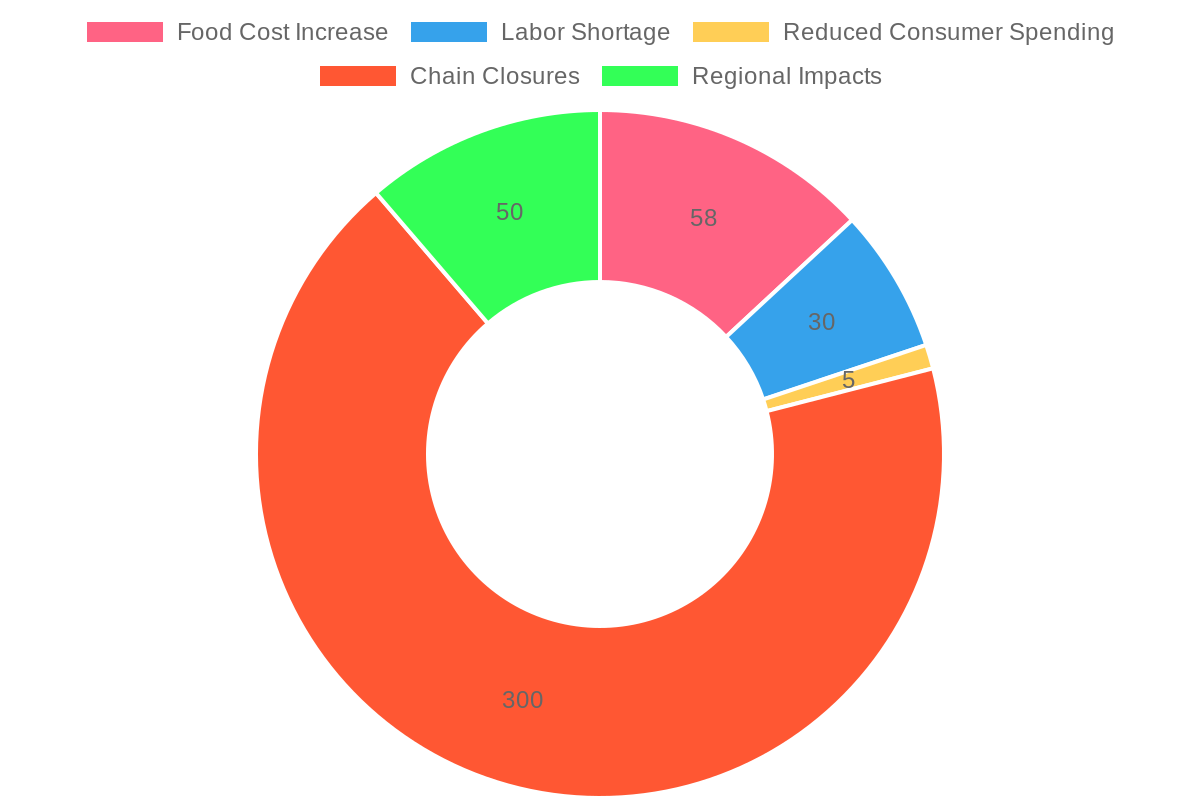
For buffet restaurant owners, navigating these turbulent waters involves not just compliance with regulations but also innovative business practices to enhance consumer appeal and operational efficiency. Explore buffet options that are adapting to these challenges and succeeding, even amid adversity.
| Region | Maximum Capacity Rules | Health Protocol Requirements | Current Restrictions |
|---|---|---|---|
| State A | Example: 50% of total capacity | Must follow local health agency guidelines | No indoor dining allowed |
| State B | Example: Limited to 100 patrons | Masks required for staff and patrons | Open for takeout only |
| State C | Example: Full capacity for vaccinated | Regular health inspections required | Social distancing enforced |
| State D | Example: 75% capacity for outdoor dining | Health screenings for employees required | Limited hours of operation |
| State E | Example: Reservations required for entry | Must provide hand sanitizer at entries | No self-service food options allowed |
Post-Pandemic Consumer Preferences in Dining
In the aftermath of COVID-19, consumer preferences in dining have transformed significantly, particularly affecting the dynamics of buffet-style restaurants. With heightened safety concerns, many diners now prioritize health and cleanliness over the social aspects once associated with buffets. The perception of shared dishes and communal dining has led to a noticeable decline in traditional buffet attendance, prompting restaurant owners to rethink their strategies.
Shift Toward Takeout and Delivery
A major shift has been the surge in takeout and food delivery options. According to a Forbes report, digital orders for takeout increased by 115% between 2020 and 2023, reflecting a marked change in consumer behavior. Consumers appreciate the convenience and safety that these options provide, often preferring the comfort of dining at home over traditional restaurant experiences. Buffet restaurants, in particular, have had to adapt by enhancing their takeout services to meet this demand. Many are now offering packaging options for customers to enjoy buffet selections in a safer and more individualized manner.
Safety Concerns and Operational Changes
Health safety remains a top priority for diners; many buffet restaurants are implementing measures such as:
- Enhanced sanitation protocols
- Plexiglass barriers at buffet stations
- Staff-served options instead of self-service
These adaptations aim to alleviate concerns about cross-contamination and the overall safety of buffet dining. Experts suggest that moving forward, establishments that can balance the buffet experience with these safety measures will likely attract diners seeking both variety and peace of mind.
To explore more about how buffet restaurants are evolving, visit Royal Buffet for detailed insights into current offerings and locations.
- Sustainability Issues: According to a report by Channel News Asia, buffet restaurants are struggling with sustainability challenges due to stringent COVID-19 guidelines. Although services have resumed, many establishments are finding it hard to operate under evolving regulations.
- Heightened Safety Measures: An article from Nation’s Restaurant News mentions that buffet restaurants have implemented increased safety measures to adapt to the ongoing pandemic restrictions. Experts emphasize that while precautions are necessary, the virus is not contracted through eating food.
Quote (Hypothetical)
“Buffet restaurants must evolve with the changing landscape to ensure both safety and customer satisfaction,” an industry expert might say.
Conclusion: Embracing Change in the Buffet Industry
In summary, buffet restaurants face numerous challenges in today’s dynamic dining landscape. Increasing labor costs, fluctuating food prices, and changing consumer preferences are just a few of the hurdles that buffet owners must navigate to remain viable. Moreover, the buffet industry’s model of providing an all-you-can-eat experience is being scrutinized more than ever due to rising health consciousness among consumers and an emphasis on sustainable dining practices. Trends are shifting towards healthier, more personalized dining options, creating a need for buffet restaurants to adapt.
However, insights shared within the industry also offer a glimpse of hope for buffet establishments. The resurgence of interest in all-you-can-eat buffets, as highlighted in a recent article, signifies that this dining format is not entirely obsolete. With the buffet sector valued at approximately $5.5 billion in 2022 and showing a 9% increase from the previous year, there is room for growth and reinvention.
Looking ahead, buffet restaurants can thrive by integrating innovative dining experiences, enhancing food presentation, and prioritizing sustainability to meet evolving consumer demands. Buffet owners should not hesitate to seek expert advice and leverage technology to improve operations and customer engagement. By adapting to the future of the buffet, restaurateurs can ensure they remain relevant and appealing in an ever-competitive market.
If you’re a business owner in the buffet industry, it’s time to adapt and innovate. For guidance and support, explore our resources and discover how you can reshape your buffet restaurant’s experience for the modern diner.

Contact Us for Buffet Restaurant Expertise
Don’t wait – contact us today if you’re seeking guidance on successfully operating your buffet restaurant. Whether you’re navigating reopening challenges or optimizing your service, our team of experts is here to assist you every step of the way. With years of experience in the buffet industry, we can provide tailored solutions designed to enhance your operations and boost customer satisfaction.
For personalized consultations, insights into industry trends, or help with menu planning, reach out to us. We understand the complexities of running a buffet restaurant and can offer valuable strategies for success.
Connect with us through our website at Royal Buffet or visit one of our locations, such as The Royal Buffet in Findlay, Ohio, and take the first step towards elevating your restaurant’s performance!