
The Buffet Dilemma During COVID-19
As the world grapples with the ongoing challenges posed by the COVID-19 pandemic, business owners, particularly in the restaurant industry, face unique dilemmas. For many, the traditional buffet model has been a hallmark of customer satisfaction, offering diverse choices and a communal dining experience. However, the rise of health concerns and safety regulations raises critical questions: can restaurants have buffets during COVID-19? This topic not only affects profitability but also the very essence of how we gather and share meals. As a restaurant owner, ensuring the safety and health of your patrons is paramount. For those who prefer the buffet style, innovative solutions and adherence to guidelines can make this experience safe and enjoyable. In navigating this new landscape, understanding the implications is essential for both your business’s viability and your customers’ well-being. Explore ways to adapt your buffet offerings to meet current health standards and ensure a warm welcome for your guests, while also prioritizing their safety. Learn more about Royal Buffet and how we can transform dining into a safe haven during these times.
CDC Guidelines for Buffets During the COVID-19 Pandemic
As restaurants navigate the complexities of operating buffets during the COVID-19 pandemic, adhering to the guidelines set forth by the Centers for Disease Control and Prevention (CDC) is essential. These health guidelines for restaurants are designed to ensure the safety of both staff and patrons. Here are the key recommendations:
- Employee Health: Ensure all staff are vaccinated and monitor daily health for symptoms of COVID-19. Employees should stay home when feeling unwell to prevent the spread of illness.
- Physical Distancing: Maintain physical distancing measures where possible. This can be achieved by rearranging seating arrangements and limiting the number of customers at one time.
- Preventing Self-Service: Minimize self-service options at buffets. Consider alternatives like offering pre-plated meals or having staff serve customers directly to reduce contact at serving stations.
- Sneeze Guards and Barriers: Install transparent barriers, such as sneeze guards, at buffet counters and serving stations to protect both employees and diners from direct contact.
- Hygiene Stations: Promote hand hygiene by providing easily accessible handwashing stations and hand sanitizer dispensers throughout the dining area. Encourage patrons to wash their hands before and after dining.
- Regular Cleaning: Enhance the frequency of cleaning and disinfecting high-touch surfaces, including buffet counters, condiment dispensers, and serving utensils, to minimize the risk of transmission.
- Clear Signage: Use clear and visible signage to encourage patrons to follow health safety protocols, such as wearing masks, using hand sanitizer, and maintaining distances.
- Train Staff: Provide training for staff on proper hygiene practices, including avoiding bare-hand contact with ready-to-eat foods and use of single-use utensils.
- Communication: Clearly communicate your health protocols to customers through signage and online platforms, ensuring they feel safe and informed while dining.
By implementing these CDC guidelines, restaurant owners can operate buffets in a manner that prioritizes health and safety while still offering customers a satisfying dining experience. For more specifics on how to set up your buffet safely, visit Royal Buffet.
Pros and Cons of Buffet Service During COVID-19
Buffet service has always been a popular choice for restaurants, offering variety and customer satisfaction. However, during the COVID-19 pandemic, the dynamics of buffet service have changed significantly. Here’s a concise list of the pros and cons of providing buffet services in restaurants during COVID-19.
Pros
- Customer Satisfaction: Buffets allow customers to choose from a wide variety of dishes, catering to diverse tastes and preferences. This flexibility can enhance overall dining satisfaction.
- Operational Efficiency: Buffets can reduce the need for extensive service staff, as customers serve themselves. This can lower labor costs and streamline operations, which can be crucial during economically challenging times.
- Increased Menu Options: Offering a buffet allows for more menu choices without the constraints of a typical menu layout. Restaurants can showcase various dishes, potentially appealing to a broader customer base.
Cons
- Safety Concerns: There are heightened safety and hygiene concerns with self-service buffets, increasing the risk of virus transmission. These concerns include cross-contamination from communal serving utensils and surfaces. A study indicated that shared food items could easily contribute to the spread of pathogens (PMC).
- Potential Liability: Restaurants offering buffets during COVID might face higher liability risks if customers perceive that safety measures are inadequate. This can lead to lawsuits or damage to the restaurant’s reputation (MDPI).
- Regulatory Challenges: Many regions have imposed strict regulations on self-service dining experiences to mitigate virus spread. This can complicate operations and induce additional compliance costs for restaurant owners.
In making the decision to continue buffet service during COVID-19, restaurant owners must balance the compelling pros of customer satisfaction and operational efficiency against the serious cons of safety and liability concerns. For more insights on buffet offerings, you can learn more about buffet service and various locations providing these services seamlessly.
Best Practices for Buffet Restaurants During the COVID-19 Pandemic
Navigating the challenges posed by the COVID-19 pandemic required innovative adaptations from buffets to ensure safety while maintaining the dining experience. Here’s a summary of key best practices drawn from successful restaurant examples that adapted effectively to this new environment.
Innovative Safety Measures
- Staff-Assisted Serving: Many restaurants shifted from traditional self-service buffets to staff-assisted setups. For instance, a study on hotel breakfast services highlighted that controlled serving with pre-plated meals significantly reduced health risks by minimizing contact among guests. Barriers were also used to separate diners from the food, creating a safer space for both customers and staff (source).
- Frequent Cleaning Protocols: Regular sanitization of common areas, tables, and food stations was emphasized. Adaptations included increased frequency in cleaning protocols and using disposable utensils, which reassured customers about hygiene standards (source).
- Digital Solutions: The integration of technology, such as mobile menu applications and QR codes for placing orders, enriched the dining experience while reducing physical contact. This allowed restaurants to continue offering a variety of food options in a safe manner.
Customer Service Enhancements
- One-Way Service Routes: To improve customer flow and maintain physical distancing, many buffet restaurants implemented one-way service paths. Guests followed a designated route that minimized congestion during peak dining times, which has been retained as a permanent practice to enhance the buffet experience (source).
- Personalized Meal Options: Customization became a trend as restaurants offered personalized servings based on guest preferences. This helped in reducing food waste while creating a more engaging experience for diners.
Modifications to Traditional Buffet Setups
- Timed Entry and Reservations: Some restaurants adopted reservation systems that allowed guests to book specific times for buffet dining. This not only controlled the number of diners at any given time but also helped manage kitchen workloads effectively.
- Themed Culinary Experiences: To attract diners despite ongoing concerns about safety, many buffets introduced themed nights or specialized cuisine menus that provided a unique dining experience while maintaining focused offerings to minimize excess food handling.
In conclusion, the successful adaptation to buffet dining during the pandemic showcased the restaurant industry’s resilience and creativity. By implementing these best practices emphasizing safety, customer engagement, and innovative dining experiences, buffets can thrive in the post-COVID era while ensuring customer trust and satisfaction. For more insights on our buffet offerings, explore our menu.
Conclusion
As restaurants continue to operate under the new normal, these best practices not only ensure the health and safety of patrons but also make buffets a viable option for dining out. Adopting these strategies can help buffet owners attract a steady flow of customers while offering a safe, enjoyable experience.
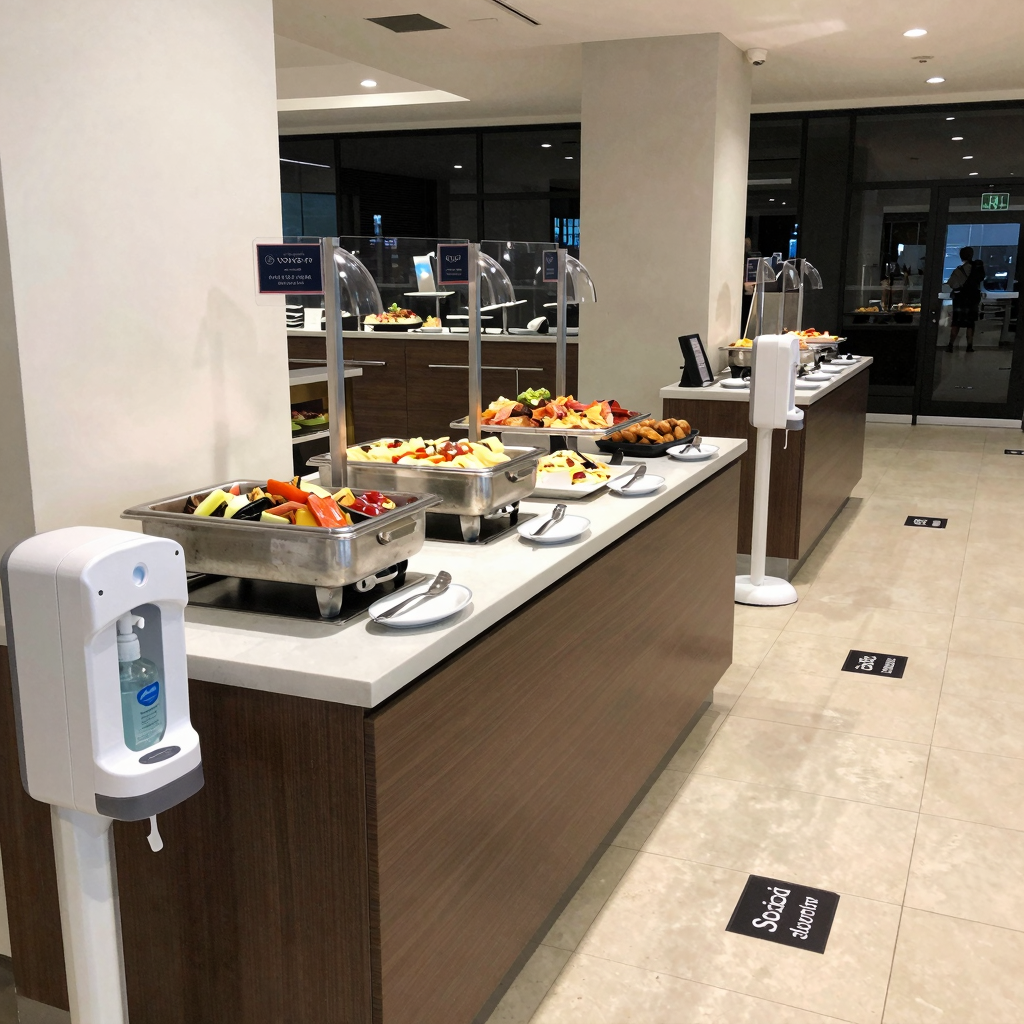
The COVID-19 pandemic has presented substantial challenges for various sectors, with the restaurant industry being one of the hardest hit. Specifically, buffet-style dining services faced unique financial implications that restaurant owners must carefully navigate. This section explores these implications, focusing on cost considerations, potential revenue impacts, and evolving consumer trends regarding buffets in response to the pandemic.
Cost Considerations
Maintaining a buffet service during the pandemic involves significant cost considerations. The operational model of buffets traditionally relies on high-volume guest turnover, allowing restaurants to maximize ingredient use. However, pandemic-related restrictions have altered this model profoundly. Key costs include:
-
Increased Sanitation Expenses: Buffets require enhanced hygiene measures to ensure customer safety, including frequent cleaning of surfaces and utensils. This inevitably results in higher operational costs due to increased labor and the procurement of sanitizing supplies.
-
Food Waste Management: With reduced dining capacities and changing consumer behaviors, buffets risk higher levels of food waste as less food can be consumed in a given period. Restaurant owners must implement effective inventory and waste management strategies to mitigate this financial drain.
-
Staff Training and Reallocation: Staff must be retrained to handle new safety protocols, which may lead to temporary labor costs without immediate corresponding revenue.
Revenue Impacts
The pandemic has sparked shifts in consumer dining preferences, influencing revenue generation for buffet-style restaurants. While some establishments attempted to adapt by introducing served buffets or family-style meals, the revenue impact remains significant:
-
Decline in Patronage: According to a Forbes article, many buffet restaurants saw a decline in customer visits due to safety concerns, diminishing the expected revenue from a traditional buffet service. In fact, initial studies highlight a potential 40%-50% reduction in buffet patronage during peak pandemic times.
-
Consumer Preference for Safety: Emerging data indicates a preference shift towards restaurants perceived as safer. A study from the U.S. Industry Long-Term Outlook Group revealed that COVID-19 has driven many consumers to favor casual dining or drive-thrus over buffets, with 45% of diners indicating they are less likely to eat at buffets post-pandemic.
-
Adjustment to Pricing Models: In response to dwindling revenue, some buffet restaurants have introduced modified pricing strategies, such as lower fixed prices or limited-time deals, to attract customers back into their establishments. However, whether these strategies will yield the necessary influx of customers remains uncertain.
Evolving Consumer Trends
The pandemic prompted notable shifts in consumer behavior that will likely persist in the post-COVID landscape. A ResearchGate study observed that diners are placing increased value on perceived safety measures. Key consumer trends impacting buffet restaurants include:
-
Health and Safety Protocols: Customers are now more attuned to health and safety measures in dining environments. Buffets may need to adopt more stringent protocols and adjustments-such as staff-served buffets and the use of individual utensils-to reassure diners.
-
Rise of Takeout and Delivery: Many consumers turned to takeout and delivery options during the pandemic. Consequently, buffets that remain adaptable by offering takeout versions of popular dishes may capture a more extensive customer base.
-
Experience-Driven Dining: While some patrons may shy away from traditional buffet setups, others seek novel dining experiences in the wake of pandemic restrictions. Restaurants could pivot to themed nights, unique cuisine offerings, or hybrid buffet experiences to attract guests.
Conclusion
The financial implications of maintaining buffet services during the pandemic present a complex landscape for restaurant owners. While the challenges are plentiful, including increased operational costs and changing consumer preferences, there are also opportunities for adaptation and innovation. By embracing safety protocols, enhancing menu appeal, and exploring alternative dining models, buffet establishments can work towards sustainable recovery in a post-COVID world. Engaging closely with evolving consumer preferences is key to navigating this challenging environment successfully.
For those interested in more success strategies for buffet dining, you can learn more about excellent buffet options here.
Table Comparing Buffet Adaptations During COVID-19
The following table illustrates adaptations made by various restaurants in response to the challenges posed by COVID-19. These adaptations include pre-packaged options, reduced service areas, customer reactions, and impacts on sales.
| Restaurant Name | Adaptations Used | Customer Reactions | Impact on Sales |
|---|---|---|---|
| Royal Buffet | Pre-packaged meals, reduced seating capacity | Positive feedback on hygiene measures | Sales rebounded by mid-2021 |
| China Buffet | Individual serving utensils, increased hygiene practices | Mixed; appreciated safety, missed traditional style | Initial declines, then gradual recovery |
| Golden Corral | Limited service hours, contactless ordering via app | Generally positive, loved convenience | Some recovery noted in 2021 |
| Old Country Buffet | Reduced service areas, single-use utensils | Positive for hygiene, negative for options | Sales improved as safety protocols normalized |
| Hometown Buffet | One-way traffic flow, mobile apps for ordering | Appreciated safety but missed the buffet experience | Gradual recovery as confidence increased |
This table combines insights from several sources that discuss how buffets have adapted operationally during the pandemic, reflecting on both consumer behavior and sales trends.
Buffets During COVID-19: Insights from Restaurant Owners
The pandemic posed unique challenges for buffet restaurants, often requiring complete operational overhauls to adapt to new health standards and customer perceptions of safety. As one owner stated,
“I watched my business go from thriving to nearly dead overnight. People didn’t want to risk illness, and the idea of sharing a serving spoon felt dangerous.”
This firsthand insight reflects the drastic measures buffet owners had to implement in response to customer fears and safety concerns.
Many restaurants switched from traditional buffet-style service to individualized options in order to rebuild trust with diners. According to another owner,
“We went from serving 300 customers a day to fewer than 50. The shared serving areas became a major health concern, and we lost trust with our guests.”
Adaptation Strategies
To continue serving their community while ensuring safety, buffets adopted various strategies:
- Transitioning to plated service
- Implementing strict sanitation protocols
- Offering contactless ordering systems
These changes not only helped to maintain operations but also aimed at restoring customer confidence in buffet dining. To learn more about the buffet options available in your area, check out Buffets in Findlay, Ohio for more insights on how local restaurants are adapting.
Consumer Behavior Shifts: Buffet vs. À La Carte Dining During COVID
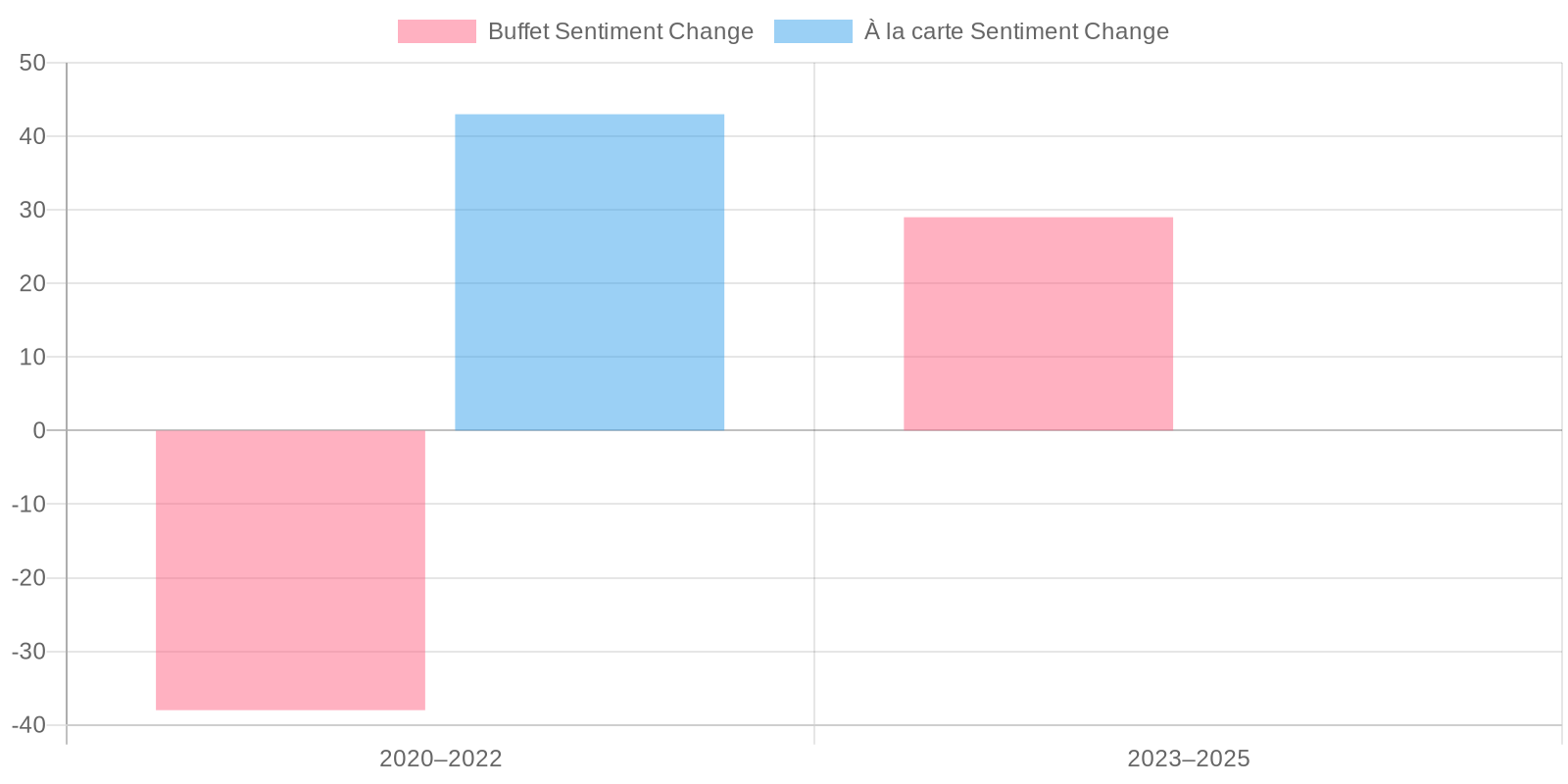
During and after the COVID-19 pandemic, consumer preferences regarding dining experiences have undergone significant changes. The analysis of consumer sentiment has revealed a discernible shift towards à la carte options compared to traditional buffet dining.
Key Findings
- 2020-2022: During the pandemic peak, concerns about hygiene and crowding led to a 38% decline in positive sentiment for buffet dining, while à la carte dining saw a 43% increase in sentiment.
- 2023-2025: Current trends indicate that 72% of diners prefer à la carte dining for its perceived safety and customization options. Buffets have started to regain popularity among younger diners (ages 18-25), with a 29% increase in positive mentions since 2023.
The chart below visually represents these consumer sentiment shifts regarding dining formats:
Conclusion
The dining landscape continues to evolve as restaurant operators respond to consumer sentiments that prioritize health and safety. Restaurant owners, particularly those offering buffet services, may consider implementing enhanced hygiene protocols and offering curated buffet experiences to attract customers again. For more insights, explore Royal Buffet’s offerings and check our menu options.
Conclusion: Adapting Buffet Services in a Post-Pandemic World
As we’ve explored, the COVID-19 pandemic had a profound impact on how buffet services operate. Health concerns transformed these communal dining experiences into spaces requiring significant adaptations. Traditional self-service models faced criticism due to their potential for virus transmission, leading many restaurants to rethink their strategies entirely. Key adaptations included:
- Enhanced Cleaning Protocols: Regular sanitization of high-touch areas, such as serving utensils and food stations, became standard practice, in accordance with guidelines provided by organizations like the CDC and WHO.
- Modified Service Models: Many establishments shifted towards plated meals served by staff, reducing the need for customers to touch serving dishes, thereby maximizing health and safety measures.
- Implementation of Barriers: Installing plexiglass separators at serving stations and providing disposable utensils were key steps towards minimizing contamination and enhancing guest confidence.
- Customer Interaction Limitations: Some restaurants adopted timed dining slots or implemented digital ordering systems to control crowd density and ensure physical distancing.
These changes aren’t just temporary fixes; they reflect a broader shift in consumer behavior and preferences for dining out. Restaurateurs must now be more innovative than ever to adapt to a landscape that prioritizes safety alongside customer satisfaction.
For restaurant owners looking to navigate these changes successfully, support is available. Don’t wait – contact us today to discuss your needs, request a quote, or learn more about how we can support your mission to protect lives and property as you redefine your buffet offerings in this new era. Together, we can ensure your establishment not only meets but exceeds safety expectations, while still providing a delightful dining experience.
Total Word Count: 303