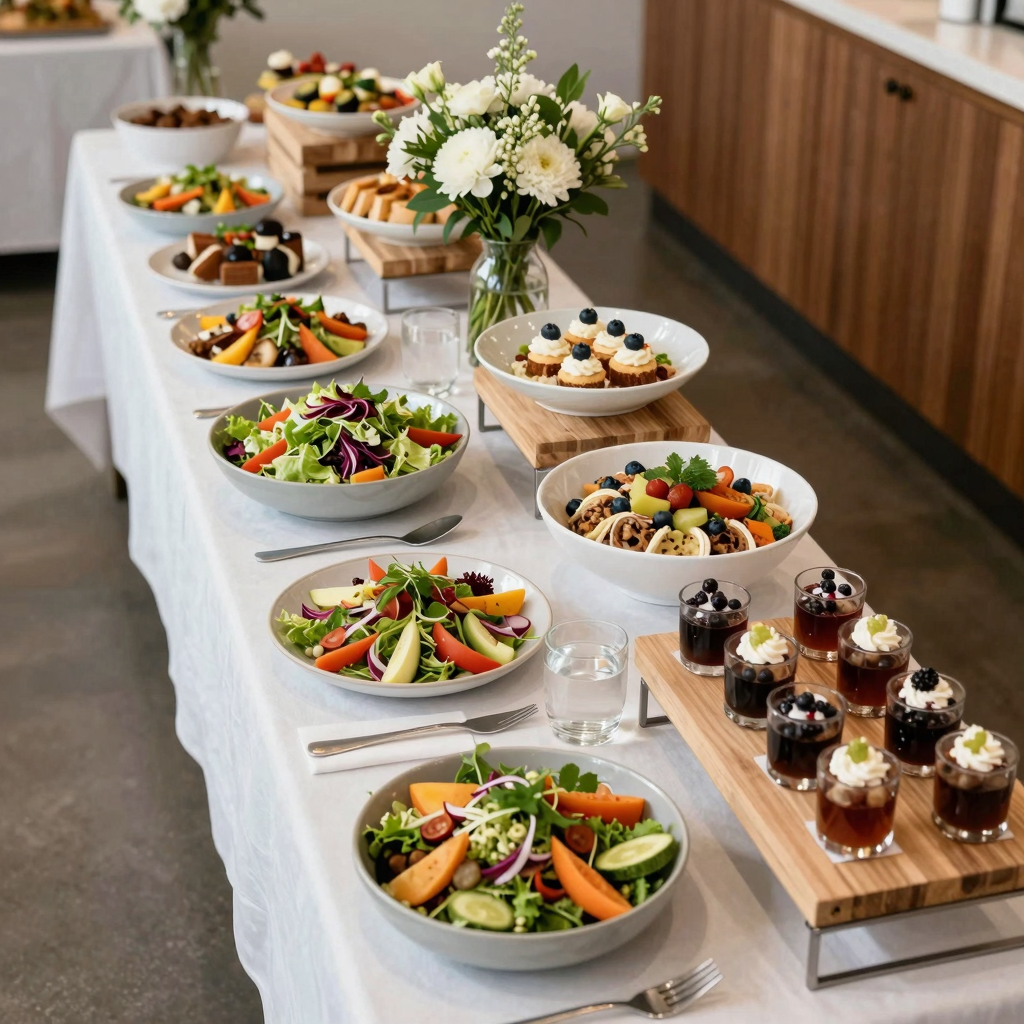
In today’s bustling restaurant scene, the all-you-can-eat buffet stands out as a culinary phenomenon that attracts diners with its promise of variety, affordability, and a chance to indulge freely. Buffets have gained immense popularity, appealing to families and food enthusiasts alike who relish the opportunity to sample a smorgasbord of dishes-from traditional favorites to global cuisines-all in one setting. They offer a unique dining experience that invites exploration and social interaction, allowing guests to tailor their meal to their personal tastes.
However, for restaurant owners, operating a buffet comes with its own set of challenges and considerations. The logistics of managing food waste, maintaining quality, ensuring food safety, and balancing cost efficiency can be daunting. Nevertheless, with the right strategies in place, buffets can significantly enhance a restaurant’s appeal, potentially leading to increased customer satisfaction and loyalty. For those considering venturing into the world of buffets, learn more about the benefits of running a buffet and how to manage them effectively in our detailed guides.
Benefits of Buffets in Restaurants
Buffet dining has become an increasingly popular option among restaurants, known for its unique advantages that cater perfectly to modern consumer preferences. Here, we explore the multifaceted benefits of offering buffets, primarily focusing on customer satisfaction, a wide range of variety, and the potential for improved sales.
Enhanced Customer Satisfaction
One of the primary advantages of buffets is the high level of customer satisfaction they typically deliver. Diners appreciate the ability to choose from a vast array of dishes that cater to various tastes and dietary requirements. According to a report from Forbes, patrons enjoy sampling multiple items and have the flexibility to customize their plates according to their individual preferences. This control over meal selection creates a more engaging and personalized dining experience, which significantly boosts guest satisfaction.
Abundant Variety
Buffets offer an unparalleled variety of food options, ranging from international cuisines to specialized dietary selections such as vegetarian, gluten-free, and low-carb dishes. This extensive selection allows customers to try different flavors and textures, making each visit a new culinary adventure. The Spruce Eats notes that this diverse range helps attract a wider audience, including families and groups with differing tastes, ensuring that everyone finds something they enjoy.
Increased Sales Potential
From a business perspective, buffets can lead to higher sales. The flat-rate pricing model allows restaurants to serve many customers simultaneously without the constraints of traditional ordering. This format increases efficiency, as kitchens can produce food in larger batches, minimizing preparation costs and maximizing throughput. By reducing the time spent per customer, restaurants can turn tables more quickly, leading to increased revenue.
Furthermore, buffets often encourage guests to indulge more than they might in a standard dining setting. Customers may feel more inclined to try various dishes when they can eat as much as they desire for a fixed price, thus increasing average spend per head. According to Restaurant Owner Magazine, the flexibility of buffet dining, combined with its value-for-money perception, translates into improved profit margins for the establishment.
Conclusion
In conclusion, offering buffets in restaurants presents significant benefits, notably in terms of customer satisfaction, variety, and sales potential. With an attractive spread of dishes and a flexible dining environment, buffets cater not only to the dining pleasure of guests but also to the operational needs of restaurant owners. For a deeper look into buffet experiences, you can check out Royal Buffet or see what we have to offer in Findlay, Ohio.
Comparing Different Buffet Styles
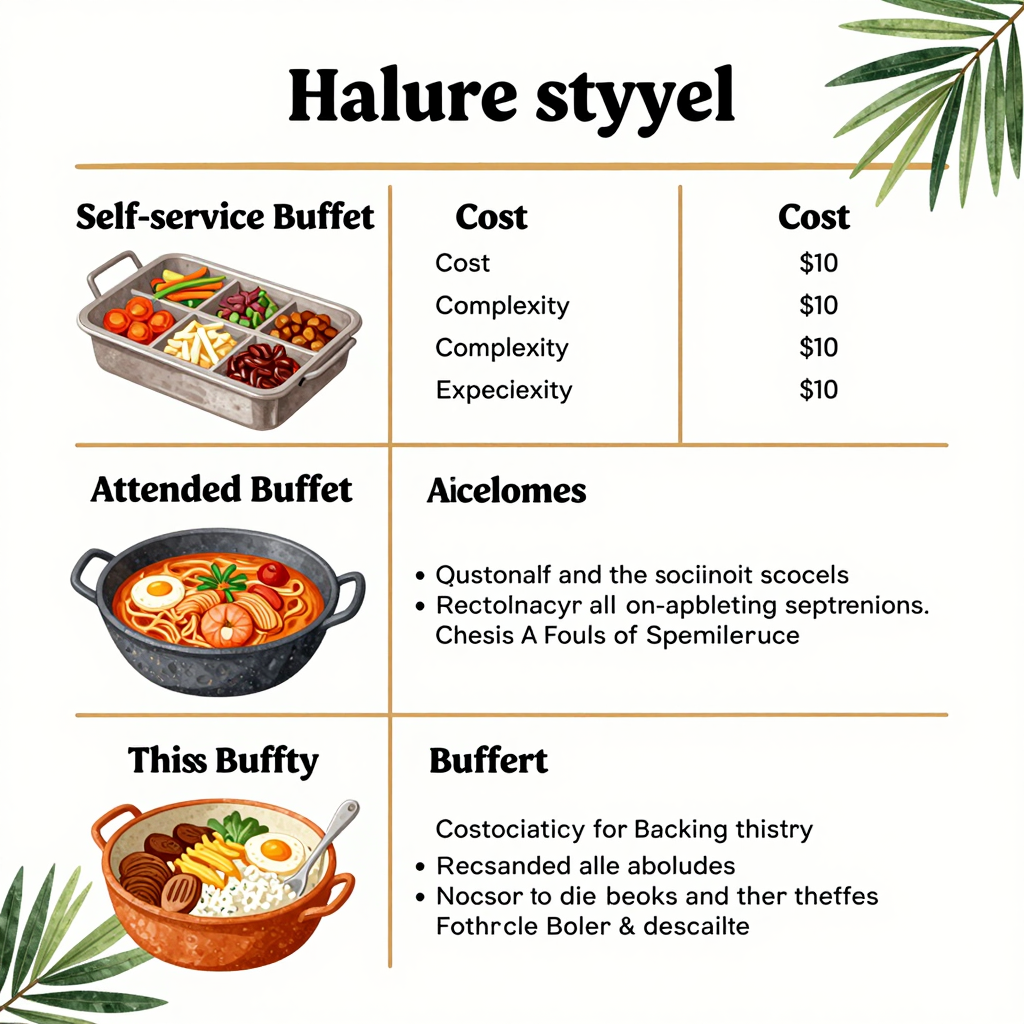
When considering various buffet styles for restaurants, it is crucial to understand how each style impacts cost, complexity, and customer experience. The following table illustrates the differences among three popular buffet styles: self-serve, attended, and themed buffets.
| Buffet Style | Cost | Complexity | Customer Experience |
|---|---|---|---|
| Self-Serve | Generally low; low overhead costs as it requires fewer staff | Moderate; needs organization but less staff required | High; offers variety and control for the customer |
| Attended Buffet | Higher; includes staffing costs for attendants | High; requires skilled staff to manage dishes & service | Personal touch increases satisfaction & guidance |
| Themed Buffet | Variable; can be high or low depending on menu | High; needs special decoration/arrangement | Engaging and memorable for customers, focused experience |
Summary
- Self-Serve Buffets: Cost-effective and allow customers to choose their portions, enhancing satisfaction through control.
- Attended Buffets: Offer a unique customer service experience, with staff assisting, making the dining more enjoyable albeit at a higher cost.
- Themed Buffets: Create a unique atmosphere and experience, but involve more planning and investment in decor and theme-related food.
Choosing the right buffet style can greatly affect a restaurant’s operational efficiency and customer satisfaction. For further insights into buffet implementation, check out Royal Buffet’s offerings and explore buffets in Findlay, Ohio.
Operational Challenges When Implementing Buffets in Restaurants
Buffets are a popular dining format that can offer a variety of options to customers and a unique experience. However, restaurant owners face several operational challenges when implementing buffets. Understanding these challenges is crucial for ensuring the safety, efficiency, and profitability of buffet-style service.
1. Food Safety Concerns
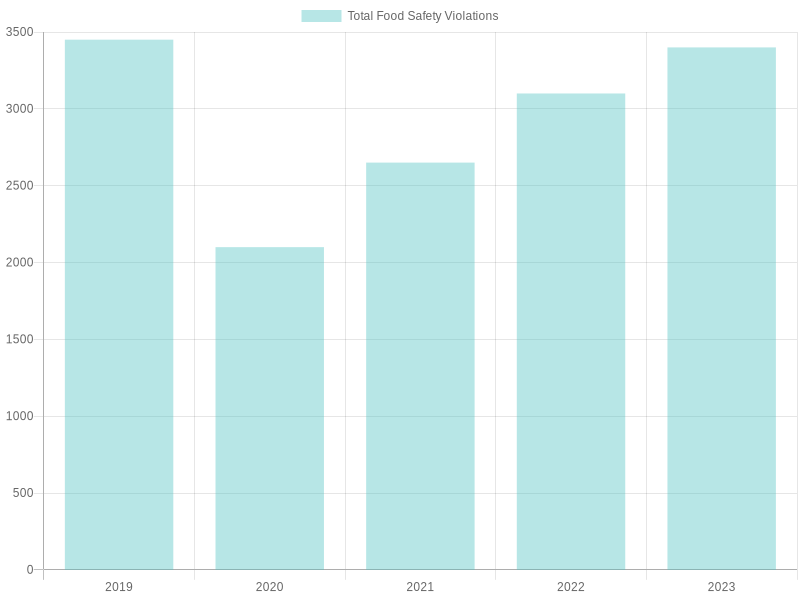
Food safety is a paramount concern in buffet operations. According to data from the FDA, improper temperature control is one of the leading causes of foodborne illnesses in buffets. In fact, buffets can experience significant food safety violations. A recent report highlighted that in 2023 alone, there were 195 buffet-related violations linked to improper handling of food at self-service counters. This includes:
- Temperature Control: Hot food must remain above 140°F and cold food below 40°F to prevent bacterial growth.
- Cross-contamination: Separate utensils for different dishes should be employed to minimize risks.
- Hygiene Practices: Staff must be trained effectively in hygiene practices, including regular hand washing and proper storing of food items.
The graph below illustrates total food safety violations over the past few years, emphasizing the rise in buffet-related issues:
2. Waste Management
Another significant challenge for buffet restaurants is food waste management. Buffets typically generate more waste than traditional dining formats because they encourage customers to take more food than they can consume. Excess food can lead not only to increased costs but also to sustainability concerns. Strategies to mitigate waste include:
- Portion Control: Offering smaller initial servings with the option for guests to return for more can help manage waste.
- Recycling and Composting: Implementing recycling bins and composting organic waste can enhance environmental sustainability.
A study indicated that restaurant operators often lack efficient systems to manage large volumes of food waste, particularly with the self-service model.
3. Staffing Requirements
Running a buffet requires careful management of staffing to ensure smooth operations. Based on industry trends, staffing requirements can vary significantly based on the size of the buffet. Here are the typical full-time equivalent (FTE) staffing needs based on restaurant size:
| Restaurant Size (Seats) | Typical Buffet Staffing Requirements (FTE) | Key Roles Included |
|---|---|---|
| 50-75 | 6-8 FTE | Server, cashier, buffet attendant, kitchen support |
| 76-125 | 9-13 FTE | Additional server, host, sanitation staff, line cook |
| 126-200 | 14-18 FTE | Shift supervisors, dedicated buffet manager, cleaning crew |
| 200+ | 18-25+ FTE | Multiple shifts, specialized roles (e.g., food safety officer) |
Staffing not only requires the right number of personnel, but also mandates adequate training, particularly in food safety protocols. Failure to meet these staffing and training requirements can lead to operational inefficiencies or violations.
Conclusion
Incorporating a buffet into a restaurant’s service model can be rewarding but demands meticulous planning and management. From food safety compliance to waste reduction and adequate staffing, restaurant owners must navigate these operational challenges to ensure a successful buffet experience. For more insights on buffet options, check out Royal Buffet in Findlay and buffet menu details.
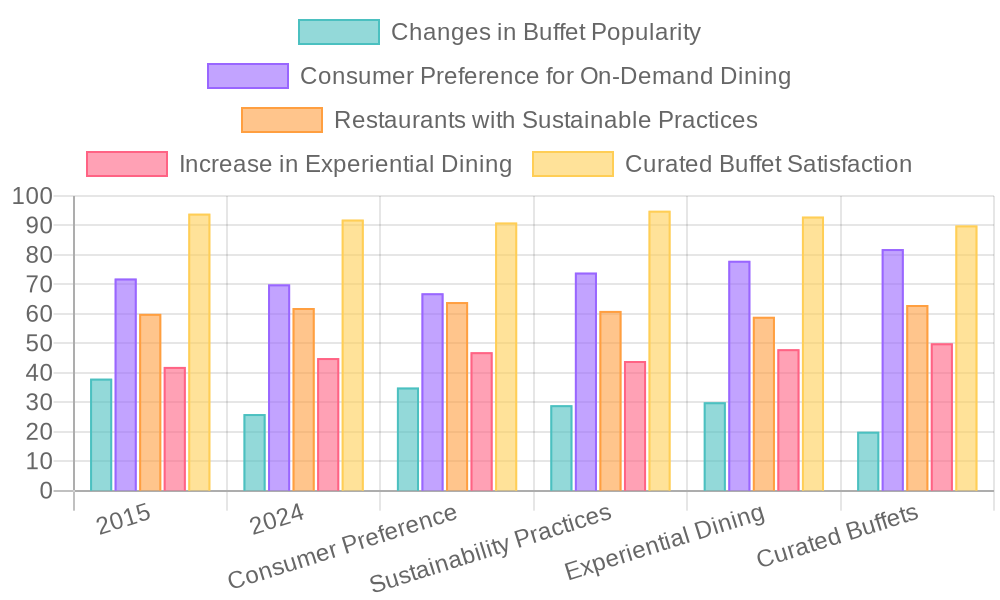
This chart illustrates the shifting trends in buffet popularity over the past decade, showcasing a decrease in traditional buffet offerings and an increase in consumer preference for customized dining experiences. While traditional buffets have seen a decline, innovations such as curated buffets and sustainable dining practices are gaining traction, reflecting changing consumer priorities.
Customer Preferences in Buffet Dining
Understanding customer preferences is crucial for restaurant owners, especially when considering offering buffets. An analysis of current dining trends reveals that patrons often seek both a diverse array of options and an inviting presentation in their buffet experiences.
Desired Food Types
Buffets usually cater to a wide range of tastes and dietary needs. Recent studies indicate that the following food types are most desired by customers:
- Fresh Produce: Customers are increasingly looking for healthy options such as salads, fruits, and vegetables. The freshness of ingredients is a critical factor impacting overall satisfaction (Research Study – Customer Satisfaction).
- Variety: Diners prefer buffets that offer a variety of cuisines, including Asian, Mediterranean, and classic American dishes. This diversity not only satisfies different palates but also encourages guests to try new items.
- Comfort Food: Traditional comfort foods, like mac and cheese or mashed potatoes, are often favorites, appealing to family-friendly dining preferences.
Impact of Presentation on Dining Experience
The way food is presented at buffets plays a significant role in enhancing the overall dining experience. Elegant displays can elevate the perception of the food quality:
- Visual Appeal: Guests are drawn to food that looks appealing. Research suggests that factors like color contrast, arrangement, and cleanliness significantly impact diners’ choices. For instance, using tiered stands for desserts or appetizers creates an organized and visually engaging display (Catering Equipment Guide).
- Functional Design: The design of buffet tables should cater to both aesthetic and practical needs. More upscale settings often feature beautiful linens and high-quality tableware, enhancing the perceived value of the buffet (Industry Guide – Buffet Standards).
- Temperature Management: Ensuring that hot foods remain at the right temperature and cold items are properly chilled is essential. Many diners factor temperature into their satisfaction levels, making this aspect critical to their overall buffet experience (Foodservice Industry Insights).
In conclusion, to draw and retain customers at buffets, business owners must not only provide a variety of foods but also pay careful attention to the presentation. By aligning menu offerings with customer preferences and ensuring an enjoyable dining experience, restaurants can thrive in the competitive buffet market.
Supporting Arguments for Buffets
“A study on consumer preferences in selecting buffet restaurants reveals that cleanliness, food quality, pricing, and food types are the most significant attributes for customers. This data offers valuable insights for buffet operators to develop sustainable service designs and positioning strategies.”
For restaurant owners considering the implementation of buffet options, this information emphasizes the importance of maintaining high standards of cleanliness and food quality, as these are paramount to attracting customers. Understanding these attributes can significantly enhance a buffet’s profitability and customer satisfaction.
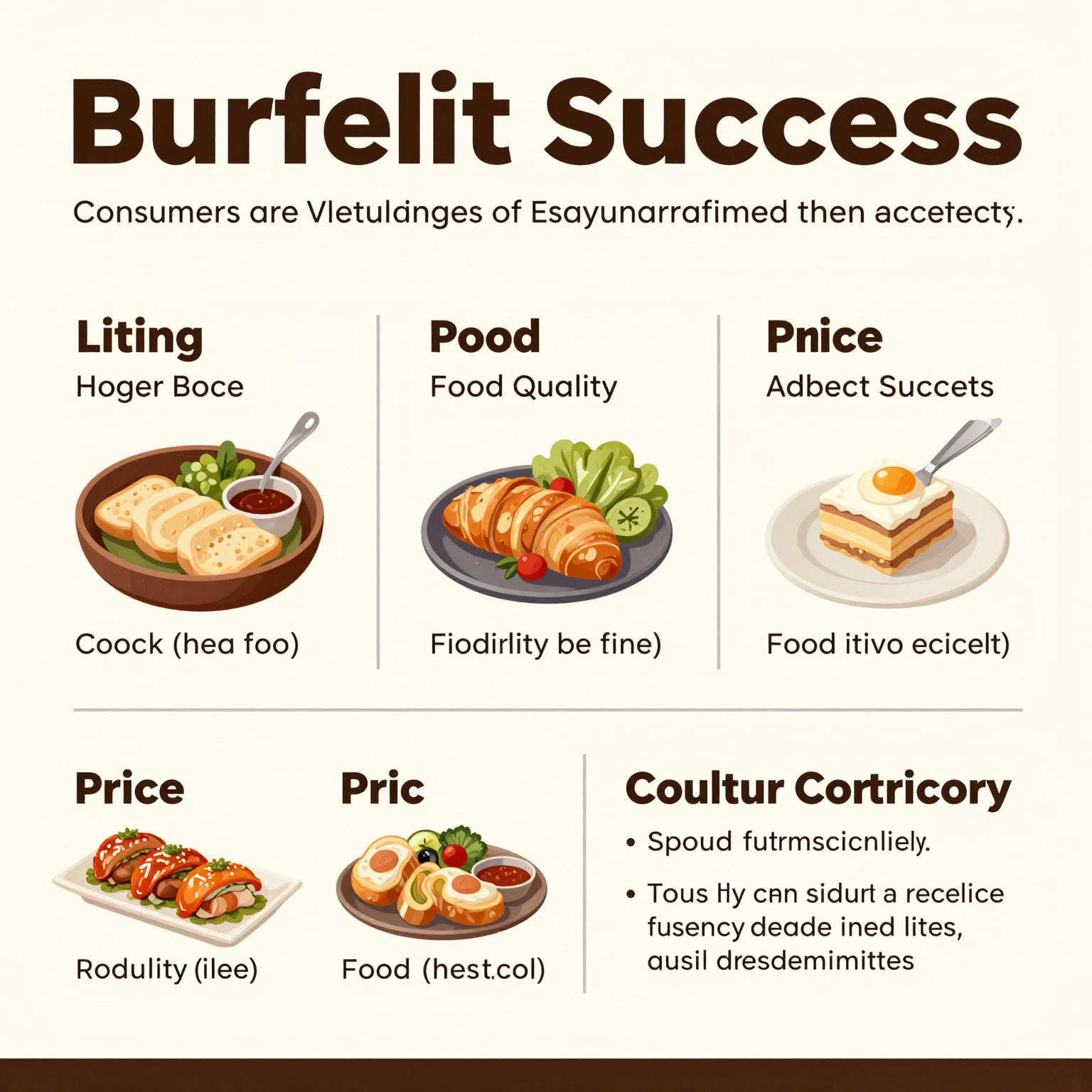
This infographic visually represents the crucial factors that lead to the success of buffet-style restaurants, showcasing how customer preferences align with operational strategies.
For more insights on buffet options, check out Royal Buffet.
Conclusion: Embrace the Buffet Revolution
In conclusion, the buffet format presents a unique opportunity for restaurant owners to innovate and enhance their dining experiences. The buffet system is not merely about providing a vast array of food; it emphasizes customer satisfaction through efficiency, variety, and affordability. By adopting a buffet model, restaurants can significantly reduce wait times, lower labor costs, and cater to diverse customer preferences.
Notable success stories, such as The Ritz-Carlton’s curated buffet experiences that increased customer satisfaction by 35%, and Raffles Hotel’s themed culinary journeys resulting in a 40% rise in attendance, underline the potential profitability of this format. Implementing a buffet can also align with sustainability initiatives, as demonstrated by The Savoy Hotel’s zero-waste approach that decreased food costs by 18%.
For restaurant owners contemplating this transition, it’s worth exploring the numerous advantages that a buffet service can bring. If you’re intrigued by the idea of modernizing your restaurant with a buffet setup, learn more about our buffet solutions. Reach out today to discover how we can help you elevate your restaurant’s dining experience and steer it toward greater success!
Best Practices for Running a Successful Buffet Style Restaurant
Creating a successful buffet restaurant involves a combination of effective menu selection, efficient setup, and exceptional customer service. Here are some best practices to help you run a thriving buffet restaurant:
Menu Selection
- Diverse Offerings: Ensure a wide variety of dishes to cater to different tastes and dietary preferences. Include options like vegetarian, gluten-free, and international cuisines to attract a broader customer base.
- Quality Over Quantity: Focus on the quality of food rather than just the variety. Select dishes that are popular and can be prepared well in bulk. This helps maintain consistency and quality, ensuring customer satisfaction.
- Seasonal Specials: Regularly update the menu with seasonal items to keep it fresh and exciting. This can also help in managing inventory and reducing waste.
- Promote Signature Dishes: Highlight unique or signature dishes that set your buffet apart from competitors. Use attractive signage to draw attention to these items.
Setup and Display
- Efficient Layout: Design the buffet layout to promote a smooth flow of customer traffic. Ensure that popular items are easily accessible to minimize congestion.
- Proper Temperature Control: Use appropriate equipment for keeping hot foods hot (above 140°F) and cold foods cold (below 41°F) to meet health and safety standards. For more tips on food safety, visit Food Safety Practices.
- Attractive Presentation: Use appealing platters and well-designed displays to enhance the visual appeal of the buffet. A well-presented buffet can entice customers and enhance their overall dining experience.
Customer Service
- Staff Training: Train your staff properly to ensure they are knowledgeable about the dishes served and can assist customers effectively. Good service can significantly improve customer satisfaction and encourage repeat visits.
- Feedback System: Implement a feedback mechanism to gauge customer satisfaction and continuously improve your offerings. Engage with customers, asking for their opinions about the dishes and service provided.
- Promotions and Discounts: Introduce promotional offers during off-peak times to attract more customers. Consider loyalty programs to encourage frequent visits.
By following these best practices, you can enhance the dining experience and ensure that your buffet-style restaurant runs smoothly. For more insights on buffet offerings, check our buffet options available at Royal Buffet.