
Are Buffet Restaurants Profitable?
Have you ever wondered how buffet restaurants manage to serve an endless array of dishes while remaining profitable? Buffet dining is a unique experience, offering customers a wide variety of cuisines and flavors for a fixed price, making it a popular choice among families and groups. The allure of all-you-can-eat dining draws in a diverse crowd, from families celebrating special occasions to business professionals seeking a quick meal. For business owners, understanding the profitability of this model is crucial in navigating the competitive restaurant landscape. As we delve deeper into the mechanics of buffet restaurants, we’ll explore their operational costs, revenue generation strategies, and market demand, offering insights that can help you decide if this dining concept is the right fit for your next business venture. If you want to jump right into specific examples, check out our Royal Buffet locations to see how they create an enticing dining experience that appeals to a broad audience.
Do Buffet Restaurants Make Money?
The profitability of buffet restaurants often raises questions among business owners and entrepreneurs. Recent statistics reveal a nuanced picture of the buffet restaurant industry.
Profit Margins and Financial Metrics
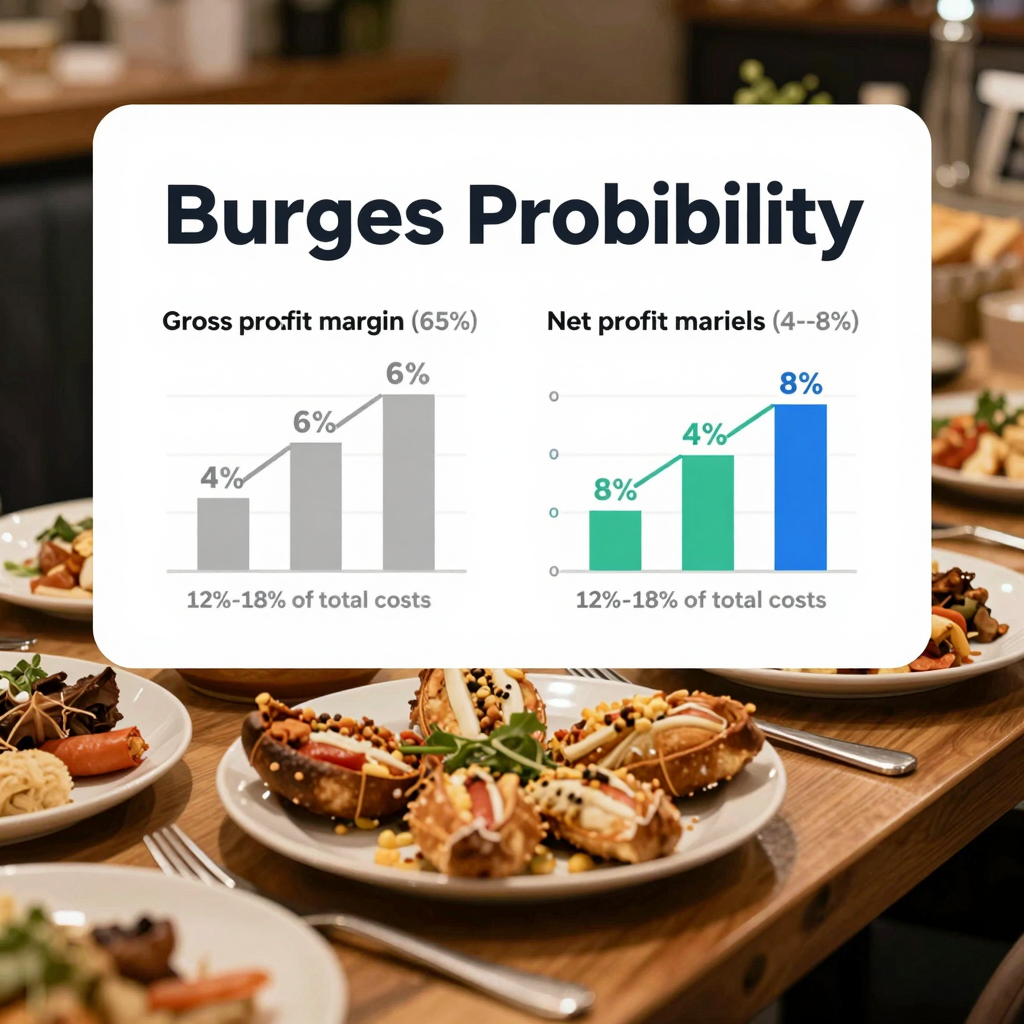
According to IBISWorld, the buffet restaurant sector, which includes various types such as cafeterias and grill buffets, anticipates a total revenue of approximately $18.7 billion in 2026, with an average gross profit margin of 65%. However, it’s crucial to note that the net profit margins for buffet restaurants generally fall between 4% to 8%.
Key Highlights:
- Average Gross Profit Margin: 65%
- Average Net Profit Margin: 4% – 8%
- Impact of Food Waste: Buffet restaurants experience food waste costs estimated at 12% – 18% of total ingredient costs, further impacting profitability. This information is detailed in a study conducted on an Atlanta-based buffet restaurant, which found that food wastage directly influences overall profitability.
Industry Challenges
The profitability of buffet restaurants can be significantly impacted by several factors:
- Increased Food and Labor Costs: Rising costs in ingredient procurement and labor can diminish profitability.
- Food Waste Management: Ineffective management of food waste can lead to substantial financial losses. Implementing strategies like reservation models can enhance revenue and mitigate waste- leading to potentially higher profit margins.
As buffet restaurant operators, understanding the balance between gross and net profit margins is essential. Efficient inventory management and customer flow strategies can yield better financial results.
Conclusion
In summary, while buffet restaurants can achieve high gross profit margins, the net profitability can be significantly lower due to various operational challenges. By addressing these challenges effectively, owners can navigate towards a more profitable future.
To explore more about specific buffet offerings, check out Royal Buffet locations or our .menu.
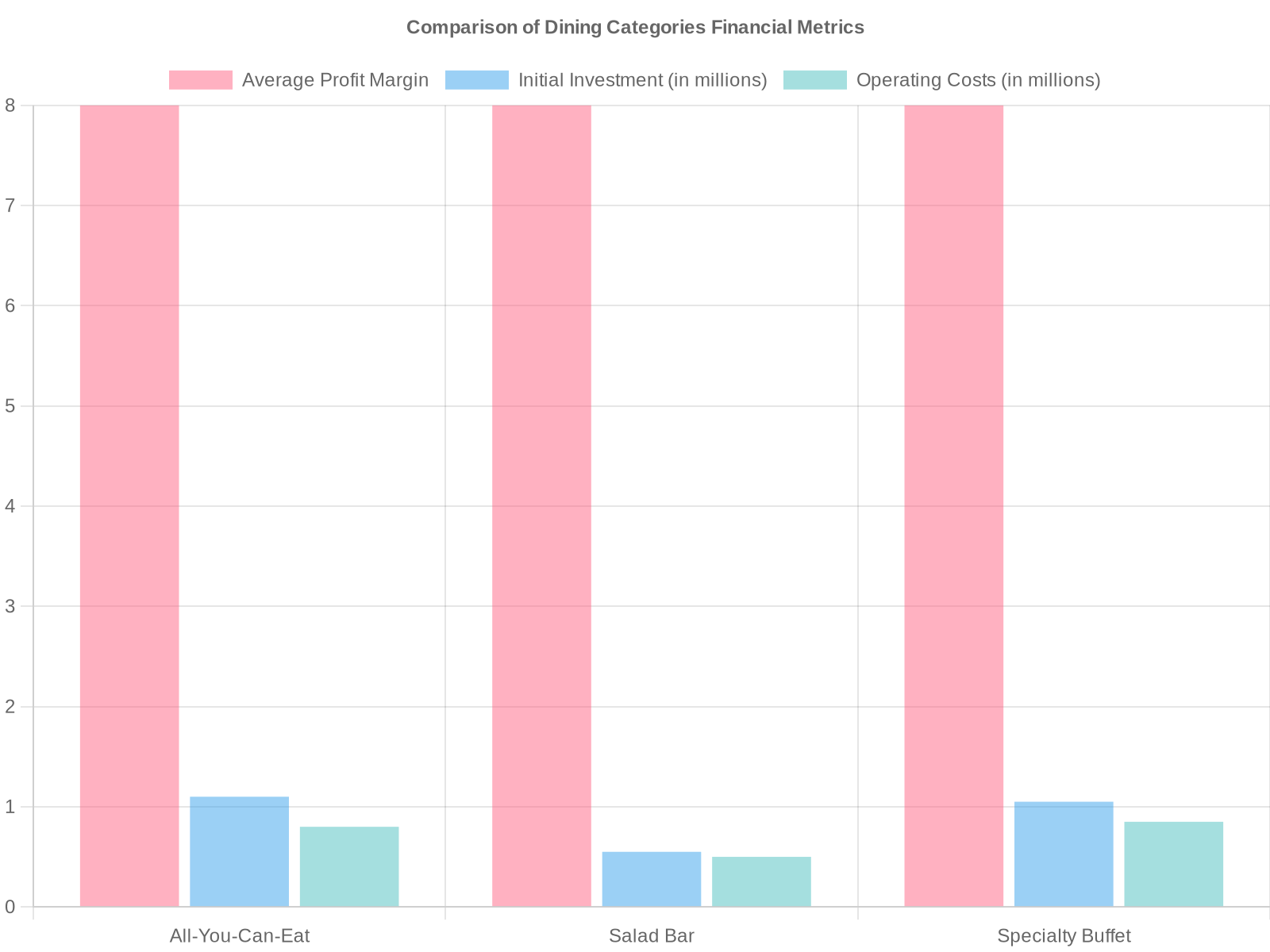
| Category | All-You-Can-Eat | Salad Bar | Specialty Buffet |
|---|---|---|---|
| Type of Model | Full-service buffet with unlimited access to a variety of dishes within a set time limit | Self-serve station offering fresh, pre-cut vegetables, fruits, and dressings; often part of a larger meal or lunch concept | Focused on a specific cuisine or theme (e.g., seafood, sushi, Asian fusion); limited menu but high-quality offerings |
| Average Profit Margin (Gross Margin 60-70%, Net Margin 8-12%) | Gross margin: 60-70%; Net margin: 8-12% | Gross margin: 60-70%; Net margin: 8-12% | Gross margin: 60-70%; Net margin: 8-12% |
| Initial Investment | $500,000 – $1.2 million | $300,000 – $800,000 | $600,000 – $1.5 million |
| Operating Costs | ~$800,000 annually | ~$400,000 – $600,000 annually | ~$700,000 – $1 million annually |
For more details on buffet models, read this guide.
Operational Costs of Buffet Restaurants
Understanding the operational costs of buffet restaurants is essential for business owners to maintain profitability and streamline operations. Buffet restaurants face unique challenges in managing costs effectively due to their all-you-can-eat model. Here’s a breakdown of the primary operational costs most buffet restaurants encounter:
1. Food Costs
Food costs represent a significant portion of a buffet restaurant’s operational expenses. These costs can vary widely depending on menu selections, ingredients, and sourcing strategies. Typically:
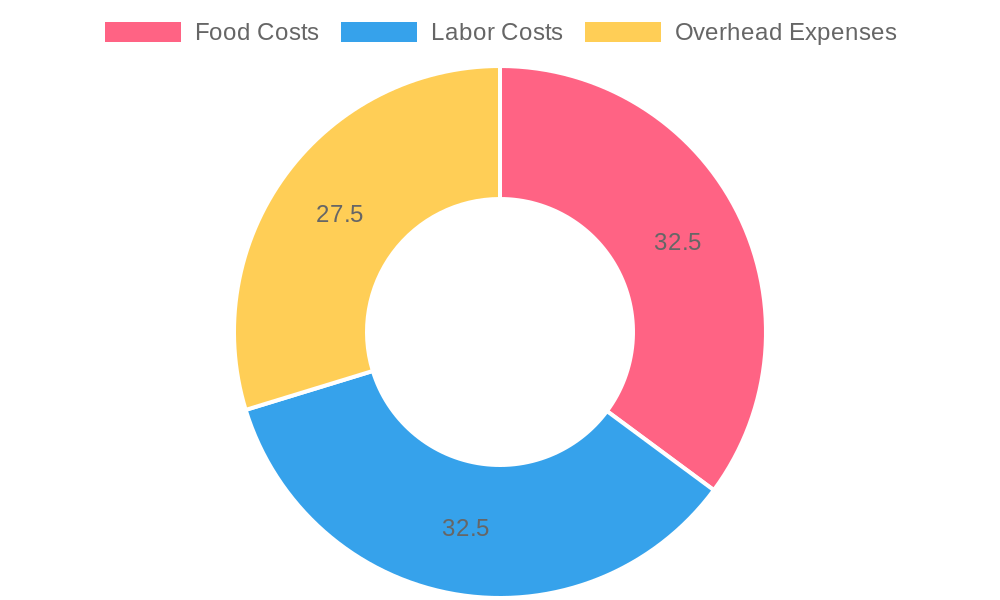
- Percentage of Sales: Food cost averages fall between 30-35% of total revenue.
- Management Strategies: Successful buffet operators often keep food costs below 33% by using standardized recipes and monitoring plate waste. This ensures that overproduction and waste are minimized.
2. Labor Costs
Labor costs are another major contributor to the overall operational expenses for buffet restaurants, typically accounting for:
- Percentage of Sales: Labor costs usually range from 32% to 37% of sales during peak meal times.
- Staffing Considerations: The all-you-can-eat format necessitates sufficient staffing levels to ensure customer service and food replenishment, which can drive labor costs higher.
- Efficiency Strategies: Implementing efficient scheduling and training can help reduce labor costs while maintaining service quality.
3. Overhead Costs
Overhead expenses include various fixed and variable costs that are critical for running a restaurant but do not directly tie to food or labor. This category often covers:
- Percentage of Sales: Overhead costs typically account for 25-30% of total revenue, which includes:
- Rent: Costs associated with maintaining the space, which can vary significantly based on location.
- Utilities: Bills for electricity, water, gas, and waste management, which are essential for restaurant operations.
- Insurance: Necessary for protecting the business against various liabilities, including property damage and employee-related risks.
- Marketing: Costs for advertising and promotional activities to attract customers, especially in competitive environments.
Key Takeaways
- Buffet restaurants typically experience prime costs of between 60-70% when combining food and labor costs.
- Effective management of food waste, portion control, and staffing can enhance profitability.
- Understanding the breakdown of these costs allows buffet owners to pinpoint areas for improvement and optimize their financial performance.
For those looking for ways to manage these costs effectively, learn more about strategies to boost profitability in your buffet business.
The following chart depicts the average operational costs, highlighting the balance needed to maintain a profitable buffet operation:
By gaining deeper insights into operational costs, buffet restaurant owners can make informed decisions that lead to financial health and sustainability.
Revenue Streams in Buffet Restaurants
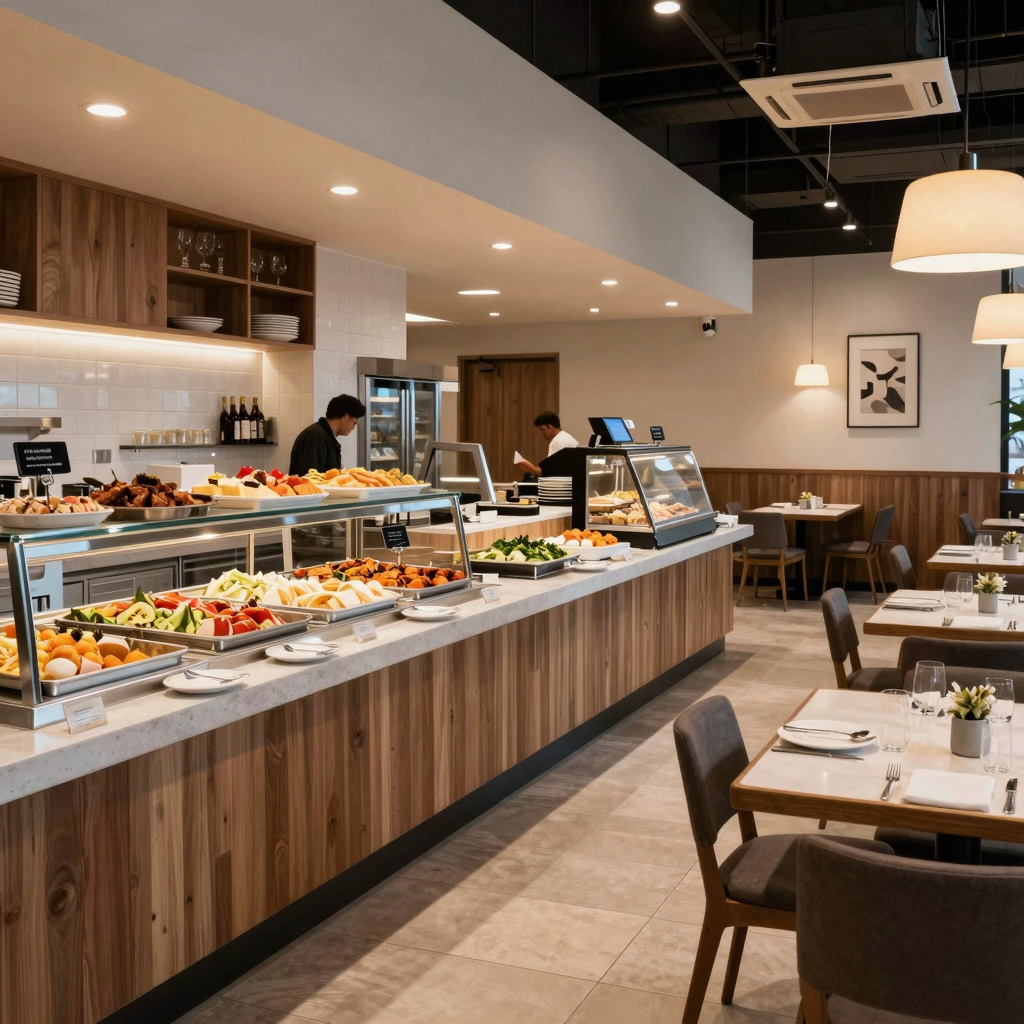
Buffet restaurants have a unique business model that allows them to explore multiple revenue streams beyond just food sales. Understanding these streams is crucial for improving profitability and sustaining operations in a competitive market. Here, we explore some of the most significant revenue streams available to buffet establishments.
1. Food Sales
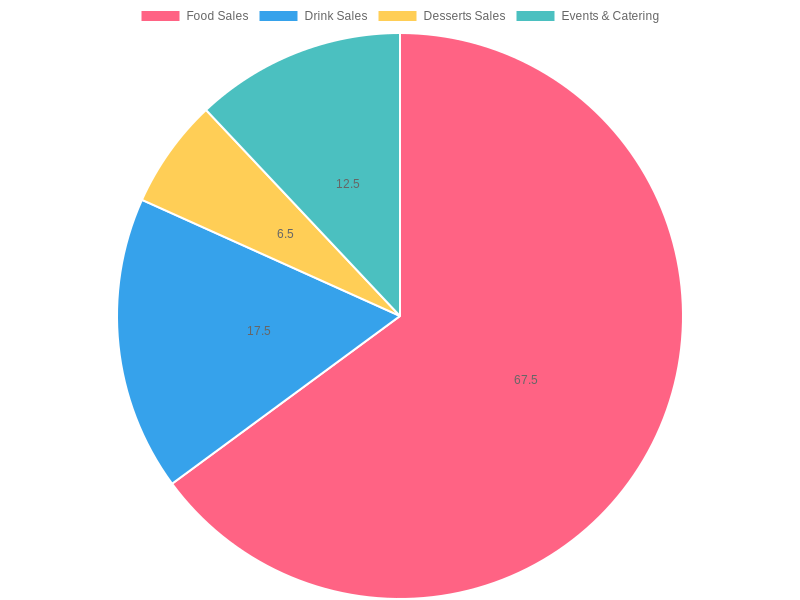
The primary revenue source for buffet restaurants is food sales, which typically account for 65% to 70% of their total revenue. Buffet restaurants offer a diverse range of dishes, allowing customers to sample different cuisines in one sitting. By offering high-quality dishes and a variety of options, establishments can attract a larger customer base and encourage repeat visits.
2. Drink Sales
Beverage sales form a vital part of the income structure for buffet restaurants, contributing approximately 15% to 20% of total revenue. According to the National Restaurant Association, an average buffet can generate between $180,000 and $250,000 a year in drink sales, which includes soft drinks, alcoholic beverages, and specialty drinks. Higher foot traffic and the strategic placement of beverage stations can significantly enhance these earnings. Offering premium drinks like specialty cocktails and mocktails can also increase margins during peak hours, particularly over weekends.
3. Desserts
While often overlooked, dessert sales can account for around 5% to 8% of revenue. Buffets that feature enticing dessert tables can tempt diners to indulge, thereby increasing overall sales. Seasonal specialties and themed desserts for events can enhance customer interest and retention.
4. Events and Catering
Buffets can diversify their offerings by incorporating special events and catering services, constituting about 10% to 15% of total sales. Providing space for large gatherings such as weddings, corporate events, and parties not only generates additional income but helps market the restaurant to different customers. Venues that spotlight their catering capabilities often find higher levels of bookings, especially during peak seasons.
Impact on Profitability
By maximizing these diverse revenue streams, buffet restaurants can significantly increase their profitability. For example, studies have shown that better beverage options can lead to a profit margin increase of up to 30%. Furthermore, catering events can generate high revenue in a short time, providing an excellent return on investment for operational costs.
With buffet restaurants continually vying for customers’ attention and loyalty, it is essential for business owners to analyze their revenue streams effectively. By enhancing drink, dessert, and event offerings, restaurants not only improve customer experience but also position themselves as profitable culinary destinations.
For more insights on successful buffet strategies, you can explore our offerings or check out our menu options for ideas on how to entice your audience.
Average Cost Per Customer in Buffet Restaurants
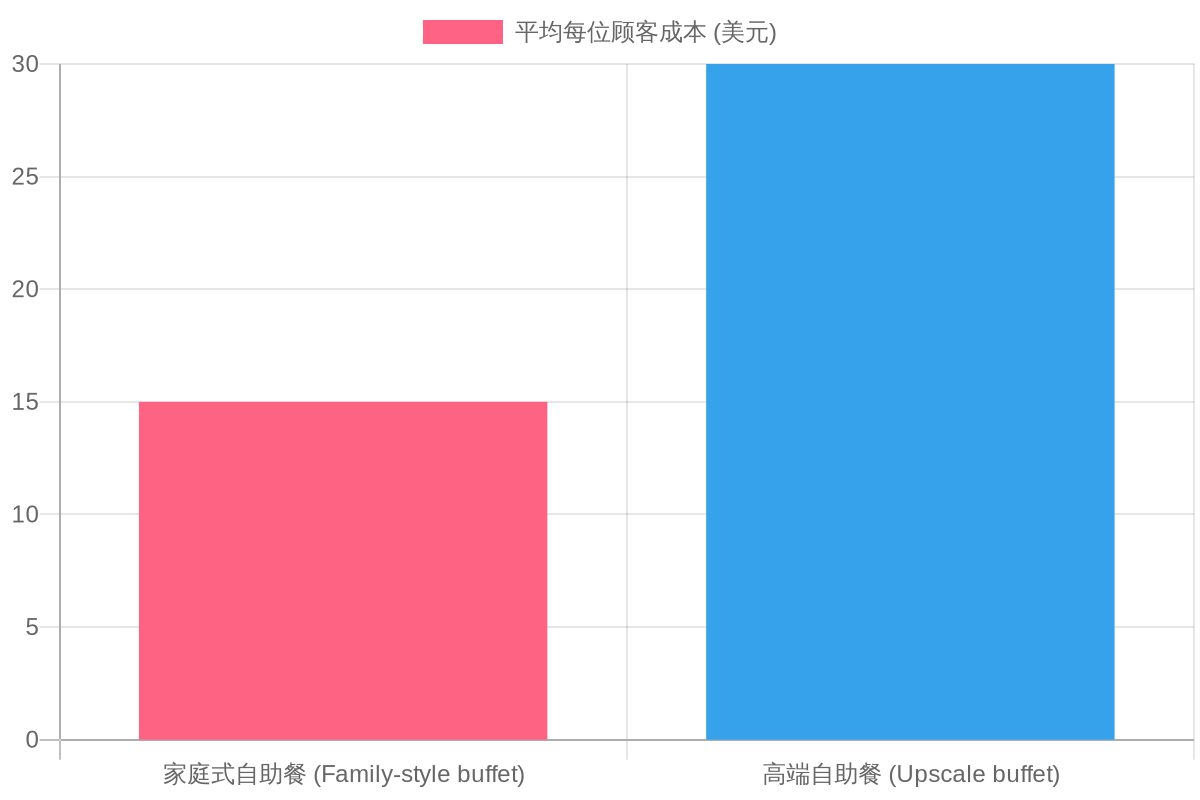
The chart below illustrates the average cost per customer at various types of buffet restaurants:
| 类型 | 平均每位顾客成本 (美元) |
|---|---|
| 家庭式自助餐 (Family-style buffet) | $15 |
| 高端自助餐 (Upscale buffet) | $30 |
Understanding the average costs associated with different buffet styles can help business owners tailor their pricing strategies and maximize profitability. Learn more about buffet pricing strategies.
Do Buffet Restaurants Make Money?
When considering the profitability of buffet-style restaurants, industry insights reveal crucial strategies for success. According to Dr. Myoungju Park, a leading expert in foodservice operations, “The key to sustainable buffet profitability lies in balancing throughput with precision in portion control and real-time inventory tracking.” This indicates that effective profitability management comes down to optimizing labor efficiency and minimizing food waste.
Challenges Faced by Buffet Restaurants
Although buffets can be lucrative, they face challenges such as food wastage and managing customer flow efficiently. Adopting modern technologies and data-driven systems is essential to enhance profitability and improve gross margins significantly.
For business owners looking to explore tailored buffet options, learn more about the Royal Buffet as a prime example of a successful establishment thriving in this competitive market. Additionally, those interested in exploring specific offerings can check out the buffet in Findlay, Ohio.
Effective Marketing Strategies for Buffet Restaurants
Marketing strategies for buffet restaurants must be diverse and engaging to attract a wide array of customers and maintain repeat visits. Here are some effective marketing tactics tailored specifically for buffet restaurants:
1. Promotions and Discounts
Promotions serve as powerful motivators for attracting diners, especially for buffet restaurants where the value proposition is key. Here are several promotional strategies:
- Limited-Time Offers: Create urgency by introducing themed buffets or holiday specials (e.g., Halloween or Thanksgiving buffets). For example, a property might offer a Tropical Luau Buffet during summer months or a special Holiday Feast Buffet in December.
- Buy One, Get One Free Deals: A successful campaign seen in restaurants such as M Hotel Singapore allows customers to dine for free with every paying guest. This can entice large families or groups to dine, thus increasing overall footfall.
- Referral Discounts: Encourage existing customers to refer friends by offering discounts for both the referrer and the new guest. This not only attracts new customers but also fosters loyalty from existing diners.
2. Engaging Online Marketing
In today’s digital age, an effective online presence is crucial. Here are strategies to enhance visibility and customer engagement online:
- Local SEO: Optimize your Google Business Profile to improve local search visibility. Ensure that your restaurant’s location, hours, and amenities are up to date to attract foot traffic from nearby customers.
- Social Media Advertising: Utilize platforms like Instagram and Facebook to showcase high-quality photos of your buffet setup and food. Eye-catching visuals can highly influence diners’ decisions. Targeted ads can promote weekday specials and themed events.
- Customer Reviews: Encourage satisfied diners to leave positive reviews on platforms such as Yelp and Google. User-generated content can also enhance your restaurant’s reputation, as potential customers often rely on reviews to make dining decisions.
3. Community Involvement
Building ties with the community can foster loyalty and goodwill towards your buffet restaurant:
- Local Events Sponsorship: Support local festivals, school events, or non-profit fundraisers where you can provide food services or sponsor a booth that showcases your offerings. This strategy helps in building brand awareness while also creating a positive community image.
- Partnerships with Local Businesses: Collaborate with local businesses and organizations for cross-promotions. This could include work-related lunches, corporate event catering, or even offering discounts to employees of partnered businesses.
- Culinary Classes or Workshops: Hosting cooking classes or food-tasting events can attract customers and create buzz around your buffet. By engaging customers beyond just dining, you build a more substantial relationship with them.
4. Technology Integration
Embracing technology can enhance customer experience and operational efficiency:
- Mobile App or Loyalty Program: Create an app that allows customers to see menus, make reservations, and collect loyalty points for discounts on future visits. Loyalty programs encourage repeat business and enhance customer satisfaction.
- Feedback Tools: Utilize surveys and feedback tools to gather insights on customers’ dining experiences. This data can help improve menu items and overall customer satisfaction.
Conclusion
Implementing varied marketing strategies allows buffet restaurants not only to attract customers but also to create lasting relationships with them. Increasing visibility through promotions, engaging with community initiatives, and leveraging technology can significantly enhance your business’s profitability. By creating appealing experiences for diners, buffet restaurants can transform their marketing approach into a robust revenue-driving engine. For additional insight, learn more about buffet dining experiences here.
References
- Effective Marketing Strategies for Buffet Restaurants
- How to Market a Buffet Restaurant: A Complete Guide
Conclusion and Call to Action
In conclusion, buffet restaurants remain a dynamic and profitable business model when managed effectively. The profitability of buffets originates from their ability to leverage economies of scale by preparing food in bulk while maintaining strategic pricing that encourages high customer turnover. By controlling costs related to labor and ingredients, buffets maximize their profit margins. Key profitability factors include the use of efficient kitchen operations, well-planned menu offerings, and insightful data analytics to monitor consumption patterns and adjust food choices accordingly. Additionally, setting a fixed price allows these establishments to benefit from diverse dining patterns, often leading to a net gain from customers who do not fully utilize their buffet options.
For business owners looking to capitalize on this unique dining model, the exploration of innovative strategies is crucial. It’s essential to focus on optimizing customer experiences while ensuring cost efficiency. Implementing dynamic pricing and using technology to enhance service can significantly impact the bottom line, making buffets more appealing to a broader audience. To explore the restaurant industry further, consider reviewing how Royal Buffet menu options can adapt to these trends.
If you are interested in starting or enhancing your buffet venture, contact Zoomlion to discuss specific needs and innovative strategies that align with your business goals. Together, we can explore tailored solutions that help you thrive in this competitive market and effectively meet your customers’ demands. Don’t hesitate to reach out and learn more about the essential factors for buffet success.
Your success in the buffet restaurant business awaits!