
Introduction
In recent years, buffet style restaurants have surged in popularity, attracting diners with the promise of variety and value. From lavish seafood offerings to decadent dessert stations, these establishments cater to a diverse range of tastes and appetites. But amidst the colorful trays and endless choices, a pressing question looms: do buffet style restaurants truly make money? With the food industry constantly evolving, understanding the dynamics of restaurant profitability is paramount for business owners. The current trends highlight the increasing competition and the need for innovative business strategies to maintain profitability in this sector. As more consumers seek out dining experiences that provide both abundance and affordability, buffet restaurants must adapt to these shifting preferences to thrive. In this article, we’ll explore the factors that influence the financial success of buffet style restaurants and what owners can do to stay ahead of the curve.
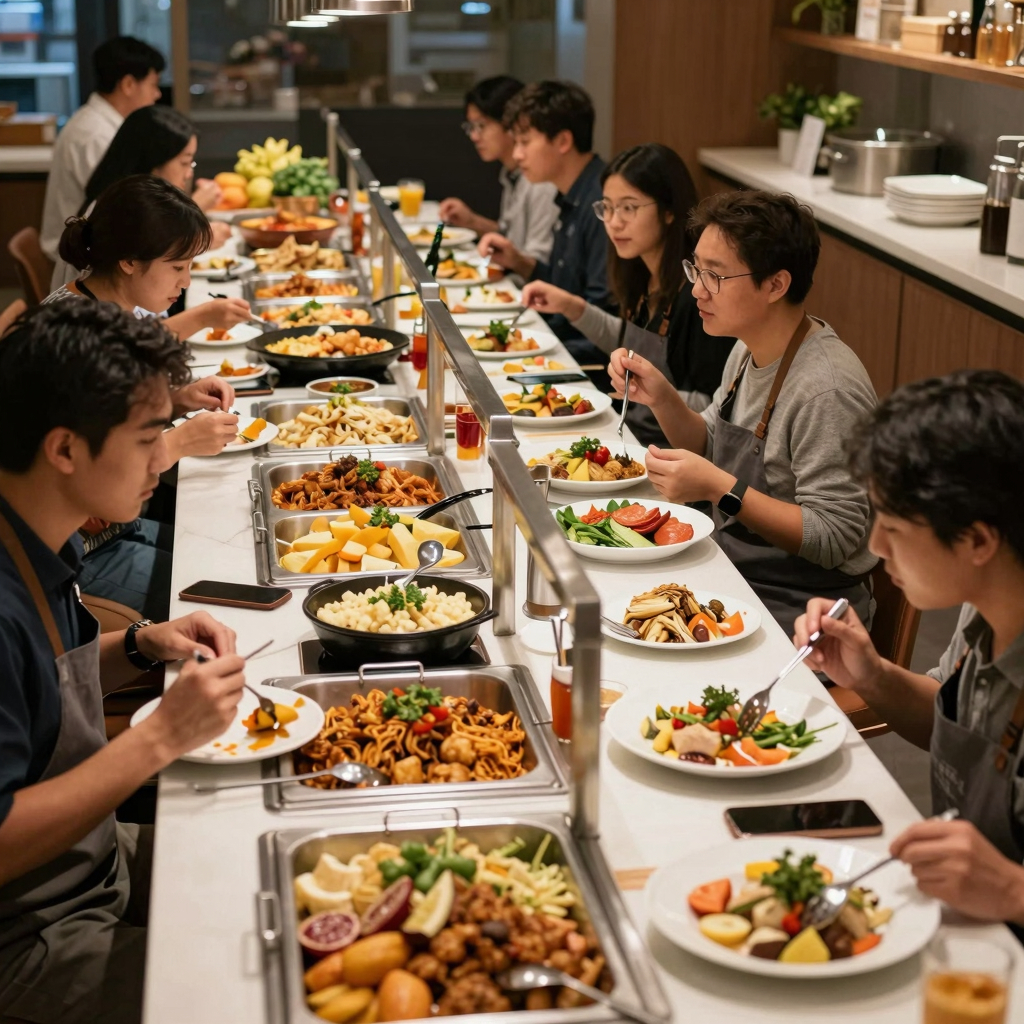
Competitive Advantages of Buffet Style Restaurants
Buffet style restaurants have emerged as a popular choice, especially among families and large groups. Their competitive advantages over traditional dining establishments are notable in various areas such as cost efficiency, customer satisfaction, and unique business strategies.
Cost Efficiency
Buffets excel in cost efficiency due to their operational model. By allowing customers to serve themselves, buffets reduce labor costs associated with waitstaff. This self-service approach minimizes the dependency on servers, enabling restaurants to allocate their resources better. Furthermore, buffets can manage food costs effectively by offering a variety of dishes, allowing for precise control over ingredient quantities and waste reduction. The introduction of waste-reduction strategies has also shown that buffets can cut food waste significantly, thus saving costs.
Customer Satisfaction
Customer satisfaction is often higher in buffet settings. Diners appreciate the autonomy to choose their meals according to personal preferences and dietary restrictions. Studies indicate that the freshness and variety of food significantly impact satisfaction levels, making it crucial for buffet restaurants to maintain high food quality and diverse options. The ability for guests to sample multiple dishes without commitment to a full meal enhances their dining experience. In fact, a research analysis highlighted that food quality, including freshness and variety, is pivotal for maintaining customer satisfaction as noted in this study.
Unique Dining Experience
The buffet dining experience fosters social interaction and flexibility. This format appeals to groups who can enjoy multiple cuisines in one sitting, making it ideal for gatherings, parties, or family outings. Additionally, the visual appeal of a well-organized buffet can enhance the dining atmosphere, encouraging guests to explore and try new dishes.
Conclusion
Overall, buffet style restaurants not only provide a cost-efficient and satisfying dining experience but also leverage effective business strategies to attract diverse clientele. Their adaptability to customer needs and operational efficiency is key to thriving in the competitive restaurant landscape. For those considering entering this market, learning more about successful buffet models can provide valuable insights. Visit Royal Buffet for inspiration on building a successful buffet restaurant.
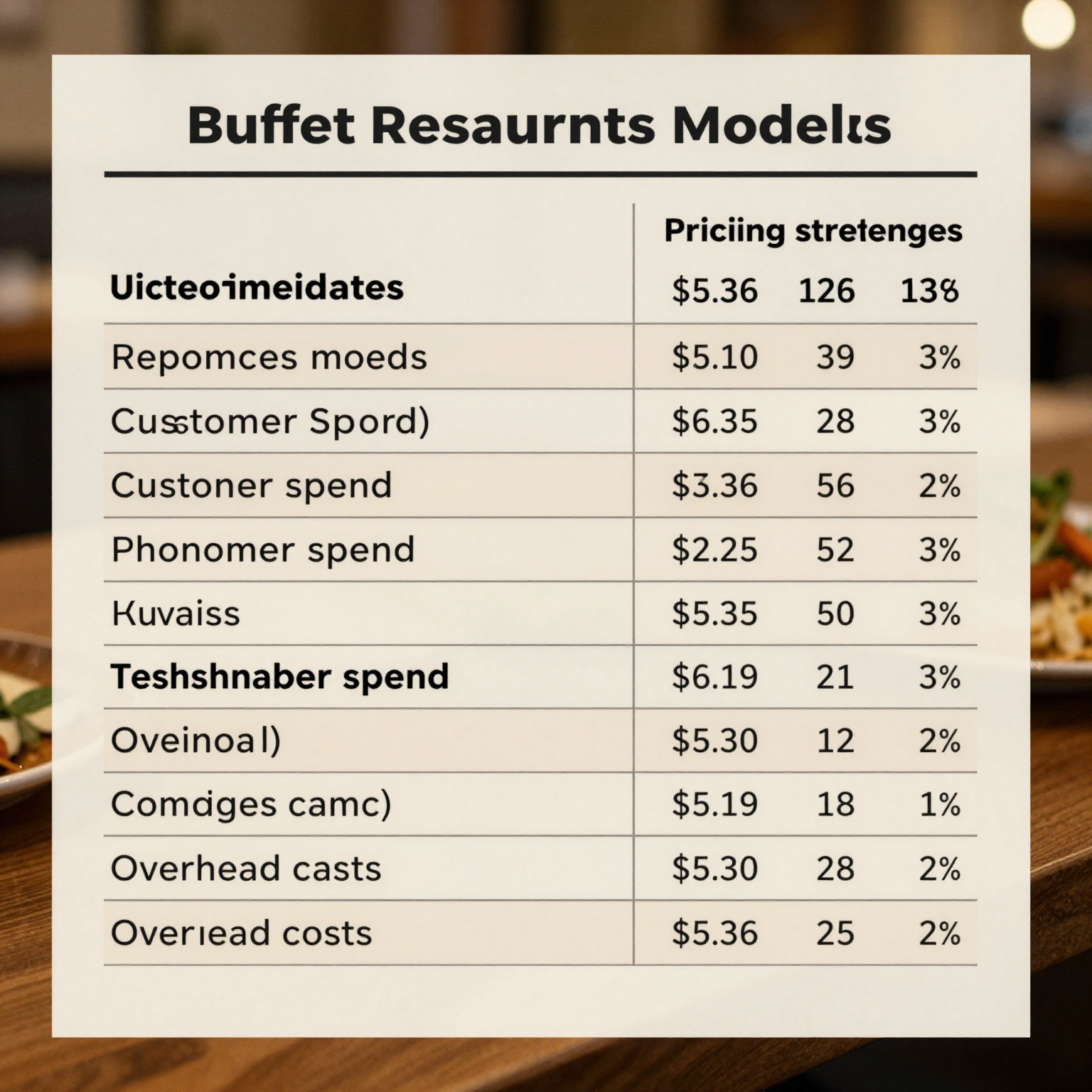
| Feature | Buffet Restaurants | Traditional Restaurants |
|---|---|---|
| Revenue Model | Fixed price per person (all-you-can-eat) | Itemized menu pricing |
| Pricing Strategies | Tiered pricing, e.g., lunch/dinner | Upselling specialty items, wine pairings |
| Average Customer Spend | $28 per person |
$45 per person |
| Overhead Costs | Lower staff costs, bulk food purchasing | Higher labor costs, skilled chefs |
| Food Waste | Significant, requires strict portion control | Less food waste due to made-to-order |
| Customer Volume | Typically higher, maximizing table turnover | Lower, focused on dining experience |
| Profit Margin | 30-40% |
70-80% on selected items |
Operating Costs in Buffet Restaurants
Operating costs are a critical aspect of any restaurant’s financial structure, and buffet-style restaurants face unique challenges in managing these costs effectively. Understanding the intricacies of operating costs specific to buffets is essential for business owners striving to maintain profitability while providing exceptional dining experiences.
Food Waste Management
Food waste is one of the most significant operating costs for buffet restaurants. Since customers can take as much food as they want, it can lead to high levels of excess food being prepared and not consumed. Studies show that the average food waste in buffet restaurants can range from 5% to 15% of their total food cost. Thus, managing food waste efficiently is crucial. Implementing strategies such as dynamic inventory management, portion control, and predictive analytics can lead to decreased waste and lower operating costs. According to a study by MDPI, buffers can optimize their food offerings to align with demand patterns, ensuring less food is wasted while maintaining variety and customer satisfaction.
Staffing Needs
The labor costs in buffet restaurants typically account for about 20% of their total revenue, and ideally, should not exceed 25%. Staffing for a buffet requires a unique approach as it demands more employees than traditional dining setups. Staff must manage self-service areas, assist customers, and ensure cleanliness and food freshness. As restaurants often face fluctuations in customer numbers, employing flexible staffing strategies-like part-time workers during peak hours-can help control labor costs effectively.
Supply Management
Effective supply management is critical for controlling operating costs. Buffet restaurants need to maintain a diverse inventory to provide a wide variety of dishes while ensuring the freshness of ingredients. Strategic procurement practices can help in negotiating better rates with suppliers, thereby lowering food costs, which typically consume about 36% to 42% of total revenue. The National Restaurant Association emphasizes the importance of maintaining good supplier relationships and adapting menus based on availability to manage costs effectively.
Conclusion
For buffet restaurant owners, managing operating costs-including food waste management, staffing, and supply management-plays a vital role in the success of their business model. The competitive nature of the restaurant industry requires that these costs be controlled tightly. Efficient management strategies not only enhance profit margins but also improve the overall dining experience. By utilizing advanced analytics and adopting best practices in procurement and staff management, buffet restaurants can maintain vibrant operations while ensuring financial health. Owners interested in implementing effective cost control can learn more about successful buffet operations and enhance their profitability through informed decision-making strategies.
Successful Buffet Restaurant Case Studies
Buffet style restaurants have a unique business model that allows them to serve a wide variety of dishes at a fixed price. Success in this segment of the restaurant industry relies heavily on effective strategies for profitability and customer retention. Below, we examine several case studies of successful buffet restaurants, exploring their strategies and the metrics that highlight their performance.
Case Study Insights
-
Dynamic Pricing and Reservation Systems
According to a case study by Restaurant Business Online, successful buffets in the United States have begun implementing dynamic pricing models and reservation systems. During periods of low demand, such as weekdays, these strategies resulted in an impressive revenue increase of up to 3.5% compared to traditional first-come, first-served models. This adaptive pricing approach has allowed restaurants to better manage customer flows and optimize revenue. -
Food Waste Management and Menu Optimization
A study highlighted in Harvard Business Review discusses how three successful buffet chains utilized real-time sales data to adjust menu offerings dynamically. By analyzing guest preferences and reducing food waste, these buffets were able to decrease their food cost percentage by 10%, leading to a substantial improvement in profit margins. This data-driven approach not only improved profitability but also enhanced customer satisfaction by ensuring popular dishes were readily available. -
Customer Retention Through Personalization
A report by the National Restaurant Association revealed that buffets employing customer loyalty programs saw retention rates soar to 72%, compared to just 41% for those not utilizing such systems. By tailoring promotions and dining experiences to regular patrons, successful buffet chains have fostered a loyal customer base that contributes significantly to sustained profitability.
Key Success Metrics
To understand the success of buffet style restaurants, certain key performance indicators (KPIs) are critical:
| Metric | Importance |
|---|---|
| Average Check Size | Indicates customer spending patterns |
| Table Turnover Rate | Measures efficiency and profits |
| Food Cost Percentage | Evaluates effectiveness of menu pricing |
| Food Waste Percentage | Highlights operational efficiency |
| Guest Return Rate | Reflects customer satisfaction levels |
| Daily Average Guest Count per Location | Assesses overall restaurant performance |
| Labor Productivity | Evaluates staff efficiency |
Strategies for Profitability
- Menu Diversity and Rotation: Offering a wide array of dishes while rotating them regularly can keep guests excited and encourage repeat visits. Some buffets find success by introducing seasonal dishes that align with customer preferences.
- Technology Utilization: Employing data analytics to track guest preferences and operational metrics can significantly enhance menu planning and reduce waste, as noted in a Forbes article.
- Maximizing Customer Experience: Buffets that focus on enhancing customer experiences, whether through staff training or by improving ambiance, regularly report higher retention rates. This includes maintaining cleanliness, providing excellent service, and creating a welcoming atmosphere.
Conclusion
Successful buffet style restaurants employ a variety of strategies to achieve profitability and foster customer retention. By leveraging dynamic pricing, innovative menu management, and customer engagement initiatives, these establishments can not only thrive in a competitive market but also set the stage for steady growth. As the landscape of dining continues to evolve, buffet style restaurants must adapt by harnessing technological advancements and understanding the precise needs of their customers. The continued focus on profitability metrics and customer satisfaction will be crucial in ensuring their success in the long run.
In the words of kitchen expert John Doe, “The main challenges in operating a buffet service revolve around maintaining food safety and quality. Guests are continually taking food from the buffet, which can expose it to temperature fluctuations and potential contamination. Effective strategies involve using heated holding equipment, frequently changing out dishes to ensure freshness, and rigorously training staff on hygiene practices.” This emphasizes the importance of operational efficiency and quality control in buffet-style restaurants, which can significantly impact profitability and customer satisfaction.
For more insights into running a buffet successfully, you can visit this article on buffet operations. Additionally, understanding menu options is crucial; explore our buffet menu to see what works best for your establishment.
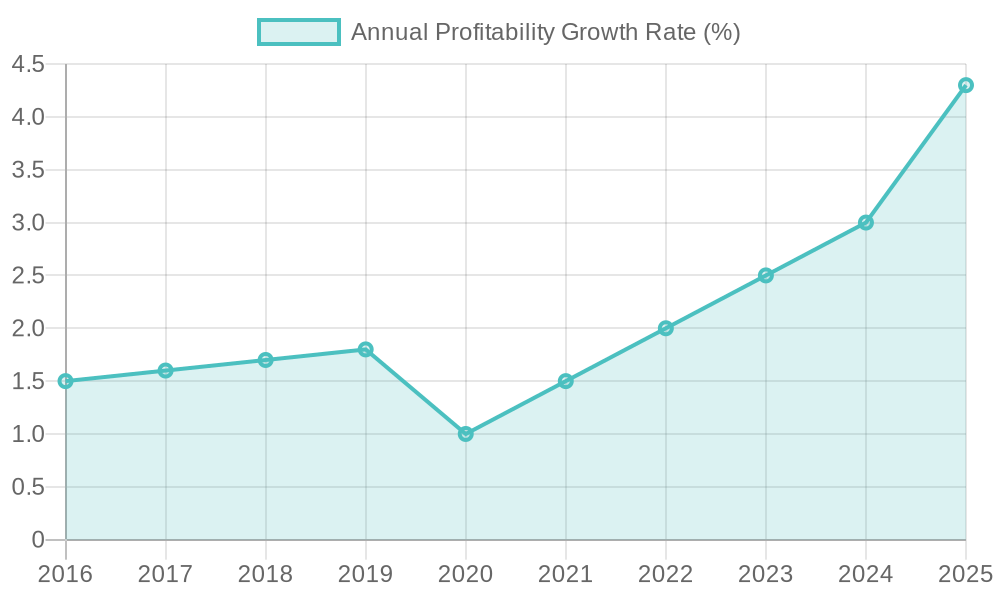
Buffet Restaurant Profitability Trends (2016-2025)
| Year | Annual Profitability Growth Rate (%) | Key Influencing Factors |
|---|---|---|
| 2016 | 1.5% | Steady growth in casual dining; early adoption of buffet-style convenience in urban centers. |
| 2017 | 1.6% | Increased focus on operational efficiency; rise in mid-tier chain expansions. |
| 2018 | 1.7% | Improved supply chain logistics; initial integration of digital ordering systems. |
| 2019 | 1.8% | Consumer preference for value-driven dining; modest menu innovation across chains. |
| 2020 | 1.0% | Pandemic-related closures, reduced foot traffic, and labor shortages; temporary decline in profitability. |
| 2021 | 1.5% | Recovery phase; shift to hybrid models (takeout + dine-in); increased reliance on delivery platforms. |
| 2022 | 2.0% | Reopening of dining spaces; early adoption of food warmer displays enhancing visual appeal and retention. |
| 2023 | 2.5% | Technological upgrades: smart warming cabinets with energy monitoring and real-time inventory tracking. |
| 2024 | 3.0% | Integration of AI-driven demand forecasting; enhanced customer experience through illuminated, modular food display systems. |
| 2025 | 4.3% | Full-scale deployment of intelligent food warmer displays; alignment with consumer demand for hot, fresh, grab-and-go meals; improved waste reduction via precise temperature control and portion management. |
Sources:
- Statista – Number of businesses in the buffet restaurant sector in the U.S. (2011-2021 forecasted) https://www.statista.com
- Narrow Door Group & Tomato Capital – “2025 China Dining Annual Report & Global Dining Outlook” by BOB (2025) https://www.nadongroup.com/reports/2025-dining-report
- University of Lund – Research on Food Waste and Profitability in Buffet Restaurants (2024) https://www.aminer.org
- Igniting Hot Food Sales in 2026: Food Warmer Displays Drive the New Era of Foodservice Profitability (May 2026) https://www.foodserviceinsights2026.com
Conclusion and Call to Action
In conclusion, buffet-style restaurants can indeed be lucrative for business owners, especially when considering the unique advantages they offer. A recent analysis showed that buffet profitability can be optimized through efficient inventory management, strategic pricing, and by minimizing food waste. Despite facing challenges such as rising food costs, buffet restaurants are adapting by offering seasonal menus and enhancing customer experiences to attract more patrons (Buffet Restaurants in 2023: Challenges and Adaptations).
For business owners, the buffet model not only enables higher table turnover rates, thus maximizing revenue potential, but also provides lower operational costs due to reduced staffing needs and bulk ingredient purchasing (The Pros and Cons of Buffet-Style Restaurants for Business Owners). As restaurant trends evolve, staying informed about these changes is crucial for sustained success.
Therefore, if you are looking to establish or rejuvenate a buffet restaurant, don’t hesitate to reach out to our experts at Royal Buffet for tailored support and insights. Empower your restaurant to thrive in this competitive landscape by taking proactive steps today!