
Opening a buffet restaurant is a multifaceted venture that blends culinary creativity with strategic business acumen. It goes beyond mere food offerings—successful buffet businesses thrive on understanding their clientele, selecting an optimal location, and curating a compelling menu. This guide provides essential insights into the critical early-stage steps of establishing a buffet restaurant, focusing on two vital aspects: market research and location selection, followed by defining your restaurant’s concept and designing your menu. Together, these chapters will equip you with a comprehensive foundation to navigate the competitive landscape of buffet dining.
Charting the Footprint: Market Signals and Location Strategy for a Buffet Restaurant
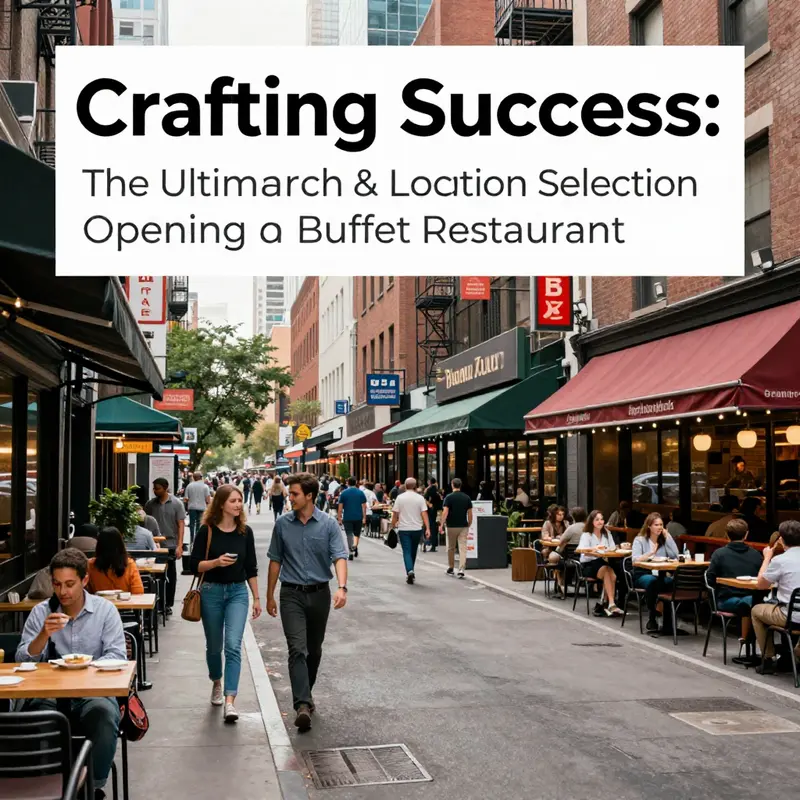
Market research sits at the heart of any successful buffet concept. It is not a one-time hurdle to clear but a continuous lens through which you view guest needs, price expectations, and how a space will perform across seasons. The global buffet table market is projected to grow at about 14.5% annually from 2026 to 2033. This pace underscores a durable appetite for variety, convenience, and value. Yet growth is not a uniform wind at your back. It concentrates in places where daily life converges with easy access to food—urban cores, dense office districts, and mixed-use developments where people walk, work, and eat in close proximity. For a buffet, throughput and the ability to refresh plates are not afterthoughts; they are the difference between a steady line and a sluggish queue. As you begin, you’re testing how menu breadth, portion sizes, and pricing align with real customer expectations. The insights you uncover will shape your concept, your service cadence, and the pace of your opening so that the guest journey feels seamless from arrival to plate to departure.
In the U.S., early 2026 signals point to steady demand for cafeterias, grill-style buffets, and salad-based formats among office workers and health-conscious diners. Workers want quick, predictable meals with reliable quality. Families and value-seekers look for variety without overwhelming cost. This mix suggests that a buffets-and-salad approach, paired with warm, comforting options in a well-balanced menu, can cater to multiple segments in one footprint. It also emphasizes the importance of freshness and consistency—two attributes that can win repeat visits more reliably than price alone. When you interpret these trends, you’re not just selling food; you’re delivering a dependable dining rhythm that fits into how your guests live and work. The data invite you to design a concept that offers both speed for the lunch crowd and breadth for dinner, with space to rotate dishes so familiarity and discovery sit side by side.
Location selection is where market signals turn into concrete opportunity. Demographic trends matter as much as raw foot traffic. Salad-focused formats tend to thrive near business hubs, shopping centers, and affluent neighborhoods where health-conscious choices are a norm rather than an exception. In colder climates or suburbs, a salad-and-soup or hot-food emphasis may perform better in winter when guests lean toward warmth and heartier options. Proximity to your target demographic—professionals seeking a quick lunch, families seeking variety, or fitness-minded residents seeking dietary accommodations—will magnify your turnover and sustain attendance during slower evenings. You want a site that minimizes travel friction: easy access from main roads, visible signage, and ample parking or transit options, so guests can choose you without a second thought.
To validate a site, you must study the competitive landscape within a practical radius. A cautious rule of thumb is to map existing buffets within a three-mile radius and assess their menus, price points, speed of service, and guest sentiment in reviews. Look for underserved niches. Are there insufficient healthy or dietary-specific options? Is there a lack of a cohesive salad-and-hot-dish offering that can appeal to both office workers and families? If you discover gaps, your menu strategy can position you as a unique solution rather than a me-too option. These insights also inform pricing strategy and crowd management. If the market already offers several robust options for the everyday diner but falls short on wellness-forward choices or allergen-informed dishes, you can design a concept that fills that space without sacrificing speed or scale.
Real estate costs and landlord terms are the practical bridge between insight and action. Lease terms, common area maintenance charges, and renewal probabilities collectively shape your break-even horizon. It’s essential to compare spaces not only on rent per square foot but on ancillary costs and how a site supports operational needs: a generous back-of-house footprint, easy kitchen-to-line routing, and a dining room layout that prevents bottlenecks during peak hours. Suppliers come into play here too. A location’s attractiveness increases when you can establish local partnerships for fresh ingredients, which can improve quality, cut lead times, and stabilize prices. Strong supplier relationships also help you respond quickly to seasonal shifts, a critical capability for a buffet that relies on a rotating array of dishes and constant replenishment.
As you navigate the decision, anchor your analysis in a data-informed framework that blends market signals with practical constraints. Consider the footprint you need to deliver variety without waste, the kitchen capacity required to maintain freshness across dozens of dishes, and the customer flow that supports quick turnarounds. A well-chosen site should offer a balance: high exposure and enough parking or transit access, a dining room that supports steady wave patterns, and a back-of-house that can handle the pace of a bustling buffet without compromising food safety or quality. If you’ve begun to map potential locations, you can explore how established brands map their footprint—see Royal Buffet locations for an illustrative example of footprint strategy and site selection in practice.
From there, the path to expansion becomes clearer. A successful first location teaches you about guest expectations, operational rhythms, and supplier relationships. It also reveals the kinds of adjacent opportunities you can scale into: takeout and delivery, carefully packaged meal kits, or limited-time collections designed to drive repeat visits during shoulder seasons. The right market and the right site invite a scalable model that maintains quality while spreading fixed costs over a broader revenue base. As you prepare to translate these insights into a concrete plan, remember that the best location strategy is a living map—one you update as guest behavior, competition, and neighborhood dynamics evolve. For researchers and operators alike, staying attuned to broader market signals ensures that your footprint remains relevant and profitable as consumer tastes shift.
External resources can deepen your understanding of market dynamics and inform your location decisions. For broader insights into the structural forces shaping the restaurant industry, see Statista’s Restaurant Industry Report 2025. https://www.statista.com/markets/1891/topics/restaurant-industry/ (external reference)
Crafting a Standout Buffet Concept and Menu: Identity, Variety, and Profitability
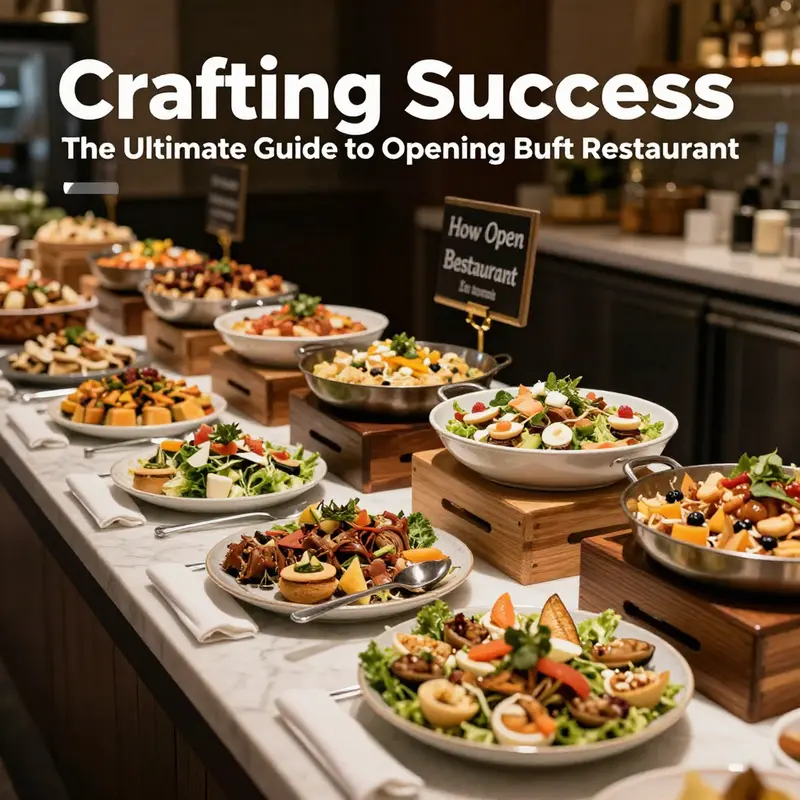
Defining the experience begins with a single question: what will guests remember? Your concept is the lens through which every detail will pass. It determines décor, music, staff roles, portion logic, and pricing. It also guides the menu choices that drive food cost, labor, and guest satisfaction. Think beyond cuisine. Imagine the mood you want to create: family casual, upscale communal dining, fast-value weekday lunches, or themed evenings that draw repeat visits. Each decision narrows menu options and simplifies operations.
A clear concept saves money and builds loyalty. If your vision is a global gourmet buffet, quality and variety matter. If you choose a wellness-focused buffet, highlight seasonality and clean ingredients. If you aim for a regional showcase, curate signature dishes that tell a story. Your concept should answer two practical questions: which items will be prepared fresh on demand, and which will be produced in batches for steady service. Answering these early reduces waste and staffing surprises.
Design the menu to reflect that concept while balancing variety and efficiency. A strong buffet menu has a reliable backbone and rotating accents. The backbone includes core stations—salads and cold bar, hot mains, grill or rotisserie, a starch and vegetable station, and dessert. Each station should offer contrast: at least one protein, one vegetarian option, one carbohydrate, and one vegetable or salad. Rotating accents—daily specials, chef’s feature, or a live-cook window—create reasons to return. Limit the daily rotations to a manageable percentage, such as 20–30 percent of offerings, to keep prep predictable.
Signature dishes anchor your identity. Select one or two items that are difficult to replicate at home or by competitors. They should be cost-effective to produce in volume and visually appealing on the line. A signature could be a slow-roasted regional roast, a distinctive sauce, or a live-carving item prepared to order. Promote these dishes in signage and staff scripts. They become the easiest way to communicate value and justify price tiers.
Portion control and presentation work hand in hand. In a buffet, perceived value comes from abundance and quality. Yet unchecked portions inflate food cost. Use calibrated serving utensils, shaped pans, and consistent garnish. Train staff to refill in measured increments and to rotate dishes to maintain freshness. Where possible, serve high-cost items in smaller portions but with attractive plating or a dedicated station. Guests will often perceive a small, beautifully presented seafood dish as more valuable than a large, sloppy tray of mixed protein.
Station design influences menu choices. A live-cook station allows premium items without massive waste because you prepare portions to order. Conversely, high-volume baked or braised items suit batch production. Place expensive ingredients at stations where portioning is controlled—carving, made-to-order noodles, or omelet counters. Cold bars are ideal for low-cost, high-visual-value items: seasonal salads, pickles, and chilled tapas. Arrange stations so guests move naturally between them, reducing crowding and preserving food quality.
Sourcing strategy determines menu sustainability. Build relationships with multiple suppliers to secure steady pricing and seasonal variety. Prioritize a few high-impact ingredients from premium suppliers and balance them with cost-efficient staples. For produce, buy seasonal; plan the menu so high-cost items appear when they are abundant. For proteins, negotiate fixed-price windows for predictable items and use market-priced items sparingly. Labeling ingredients by origin or quality on the buffet can justify price points and appeal to conscious diners.
Dietary accommodations are non-negotiable. Offer clear labeling for vegetarian, vegan, gluten-free, and common allergens. Dedicate utensils and separate stations if cross-contact poses a risk. Small investments here reduce complaints and broaden your market, especially among families and dietary-conscious diners.
Pricing must reflect concept, perceived value, and food cost. Calculate target food cost percentage by concept type. Casual, high-turn buffets often aim for food cost between 28–34 percent. Upscale concepts may accept 35–40 percent if beverage revenue and higher prices compensate. Consider tiered pricing: weekday vs. weekend, adult vs. child, and premium add-ons such as a special carving station or a dessert flight. Use elastic pricing during slow periods to attract traffic without diluting brand value.
Menu testing and iterative refinement make theory practical. Start with a soft-opening menu that scales up production and exposes timing issues. Track consumption by dish, plate waste, and refill frequency. Use simple KPIs: dish popularity, average plate count per guest, and food cost per dish. Adjust recipes and portioning based on the data. A weekly review in the first months helps avoid costly habits and improves accuracy in purchasing.
Staff roles must align with menu design. Assign cooks to stations rather than to broad tasks. Station ownership improves speed and consistency. Train staff in specific plating, garnish, and portion rules. Cross-train for weekends and special events. Empower a manager to monitor the line and make on-the-spot swaps if a dish underperforms or runs low.
Presentation and signage sell food. Clean, attractive layouts and brief, appetizing labels encourage sampling. Use temperature-appropriate containers to preserve texture and flavor. Freshness cues matter: steam, glaze, and small touches like microgreens raise perceived value. Rotate labels and visuals to showcase daily specials and signature dishes.
Finally, integrate the menu with marketing. Highlight rotating features and signature dishes on your website and social channels. Offer themed nights or limited-time menus to test new concepts and measure demand. Collect guest feedback at the point of service and online. Use that intelligence to refine offerings quickly.
A thoughtfully crafted concept and menu bridge guest expectations with operational reality. When identity, sourcing, portion control, and pricing align, your buffet will feel coherent and compelling. Use iterative testing to keep the menu fresh. Promote the signature elements that define your brand. With these threads woven tightly, the menu becomes a living map of your buffet’s promise and profitability.
For an example of a large, well-curated buffet that balances scale, presentation, and signature items, see Les Grands Buffets: https://www.lesgrandsbuffets.com
For sample menu structure and visual examples, review this Royal Buffet menu resource: Royal Buffet menu examples
Final thoughts
Launching a buffet restaurant involves a careful blend of strategic planning, mindful location selection, and a well-thought-out menu concept. Market research informs decisions that will shape the dining experience and make your establishment stand out. By prioritizing customer preferences and leveraging local insights, you can create a buffet that appeals to your target audience. Ultimately, success in this vibrant industry will stem from understanding the nuances of your market, emphasizing quality and innovation in your offerings, and maintaining operational excellence. Empower yourself with knowledge as you take the next steps toward opening your buffet restaurant.