
Running a buffet restaurant successfully entails a blend of strategic insights in food quality management and operational efficiency. The fast-casual dining trend has transformed the way people experience food, making diverse offerings and efficient service crucial to gaining and retaining customers. The first chapter will explore food quality management, discussing menu diversity, freshness, and customer feedback utilization. The following chapter will focus on operational efficiency, emphasizing trained staff, cleanliness, and systems that optimize service delivery. Together, these chapters provide a comprehensive understanding of how to excel in the buffet restaurant industry.
From Prep to Plate: Mastering Food Quality for a Profitable Buffet Restaurant
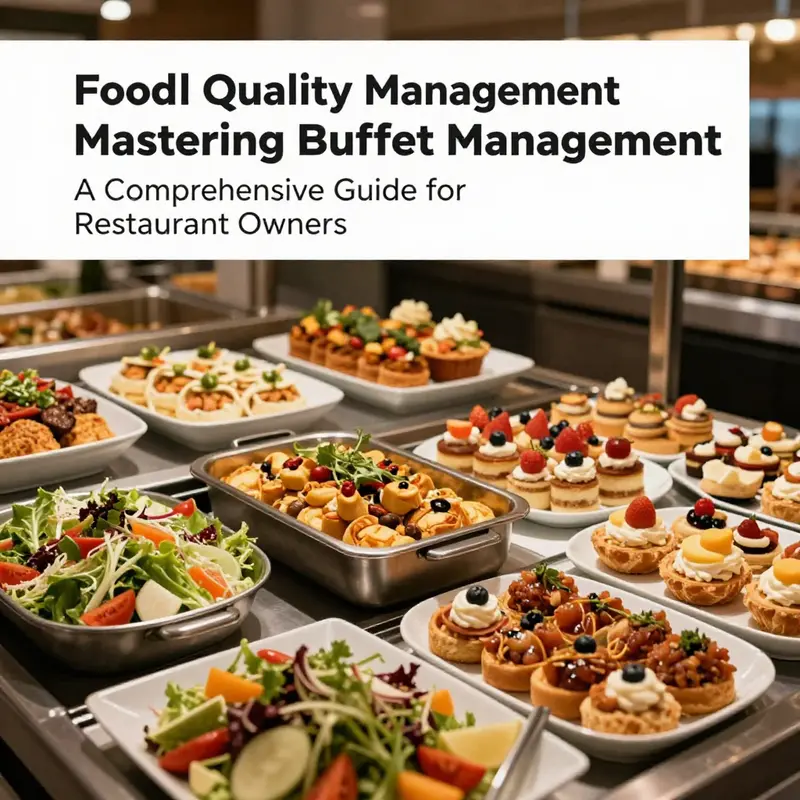
Maintaining Food Quality from Kitchen to Buffet Line
Food quality is the backbone of a buffet restaurant. Guests judge an operation in moments. They look at color, temperature, aroma, and portioning. A discipline that preserves quality from receiving to service will build trust and repeat business. Start with a system that ties procurement, storage, preparation, display, and disposal into one measurable workflow.
Control begins at procurement. Source ingredients from reliable suppliers who deliver consistent quality. Set clear specifications for freshness, cut, and packaging. Record delivery times and temperatures on receipt. Use a strict first-in, first-out (FIFO) policy to avoid spoilage. Track inventory turnover weekly and flag slow-moving items. These small measures reduce variance and keep your offerings predictable.
In the kitchen, structure matters. Standardized recipes and batch sizes maintain taste consistency across busy service periods. Train cooks to follow portion yields and seasoning steps exactly. Use portioning tools and pre-weighed pans for high-volume dishes. Keep mise en place organized so cooks face fewer surprises during peak hours. When recipes are repeatable, quality is repeatable.
A robust Food Quality Management System (QMS) ties operations to standards. Implement a QMS that borrows from HACCP principles to identify hazards and set critical control points. Map each dish from ingredient receipt through holding and into the buffet line. Define limits for cooking, cooling, reheating, and holding. Assign responsibility for every control point and require sign-off. This clarity prevents drift and makes audits straightforward.
Temperature control is non-negotiable. Hot items must remain above 60°C (140°F). Cold items must stay below 4°C (40°F). Calibrate thermometers daily. Place temperature logs at each station and check them regularly. Use hot-holding wells and refrigerated counters to maintain safe temperatures during service. Replace pans with fresh batches instead of topping up endless steam tables. Smaller, more frequent replenishment keeps food fresher and safer.
Display matters for perception and hygiene. Use sneeze guards and clear labeling for allergens and ingredients. Attractive signage helps manage expectations and speeds flow. Arrange items to balance color and texture. Fresh herbs, contrasting sauces, and tidy edges make a simple platter look curated. Clean, well-lit displays feel more appealing. Replace soiled trays quickly and keep serving utensils clean and accessible.
Waste reduction ties directly to quality and margin. Buffets face two waste types: preparatory waste and plate waste. Reduce preparatory waste by forecasting demand and staging smaller batches. Track waste with a simple log that records uneaten food, reasons for disposal, and time of day. Analyze patterns and adjust menu rotation and batch sizes accordingly. To reduce plate waste, consider smaller serving vessels, mindful portioning tools, or messaging that encourages guests to return for seconds rather than overload their plates.
Customer-facing messaging can influence behavior without sacrificing hospitality. Tasteful signs that explain seasonal sourcing, freshness standards, or a request to reduce waste can work. Offer guidance on portion sizes for children and seniors. If you charge by weight for certain stations, display clear instructions. Transparent communication about quality and sustainability strengthens guest buy-in.
Staff roles are pivotal for food quality. Train servers, runners, and line attendants not just on tasks, but on the reasons behind them. Empower staff to remove and replace items without delay. Make a culture where anyone can call for a refill or disposal. Conduct daily briefings before service to review hot items, special dietary needs, and known allergens. Regularly test staff with short taste-and-inspect routines to keep senses sharp.
Menu engineering supports quality efforts. Rotate dishes thoughtfully to balance cost and freshness. Plan menus that allow shared components across multiple dishes to reduce inventory complexity. Feature high-margin items in smaller portions and place premium, perishable items where they will be seen and consumed quickly. For health-focused stations, like salad bars, increase turnover by offering made-to-order tosses or smaller prepped bowls that highlight freshness.
Quality audits should be ongoing and objective. Use checklists that cover appearance, temperature, labeling, and cross-contamination risks. Conduct unannounced inspections and keep records. Use customer feedback as another audit layer. Track comments about specific dishes over time. If an item repeatedly draws criticism, reformulate or remove it.
Technology can help without complicating service. Simple digital temperature loggers and inventory systems reduce manual error. Use point-of-sale trends to forecast demand by day and hour. When the data points align with tasting notes and waste logs, decision-making becomes precise. However, maintain human oversight to catch nuances that numbers miss.
A final, often overlooked area is equipment maintenance. Clean refrigeration coils, test hot-holding elements, and replace worn seals. Poor equipment performance erodes food quality quickly. Schedule preventative maintenance and keep spare pans and serving tools on hand. Equipment downtime should never force you to over-hold or rush quality checks.
Linking the menu to quality standards is powerful. For an example of menu organization designed for variety and balance, see the Royal Buffet menu at Royal Buffet menu. Use your menu as a control tool. Align each dish with a holding time, replenishment frequency, and expected plate yield.
Embed quality into your daily routine. A buffet that consistently delivers fresh food is a buffet that builds a loyal customer base. Implement a QMS, enforce temperature control, optimize batch sizes, and train staff to observe and act. Reduce waste with measured forecasting and guest communication. Maintain equipment and audit frequently. When these elements work together, food quality becomes both a competitive advantage and a sustainable practice.
For a concise guide to HACCP principles and how they relate to control points, consult this resource: http://www.fao.org/3/y1579e/y1579e03.htm
Flow, Temperature, and Margin: Designing Operational Efficiency Into the Buffet Experience
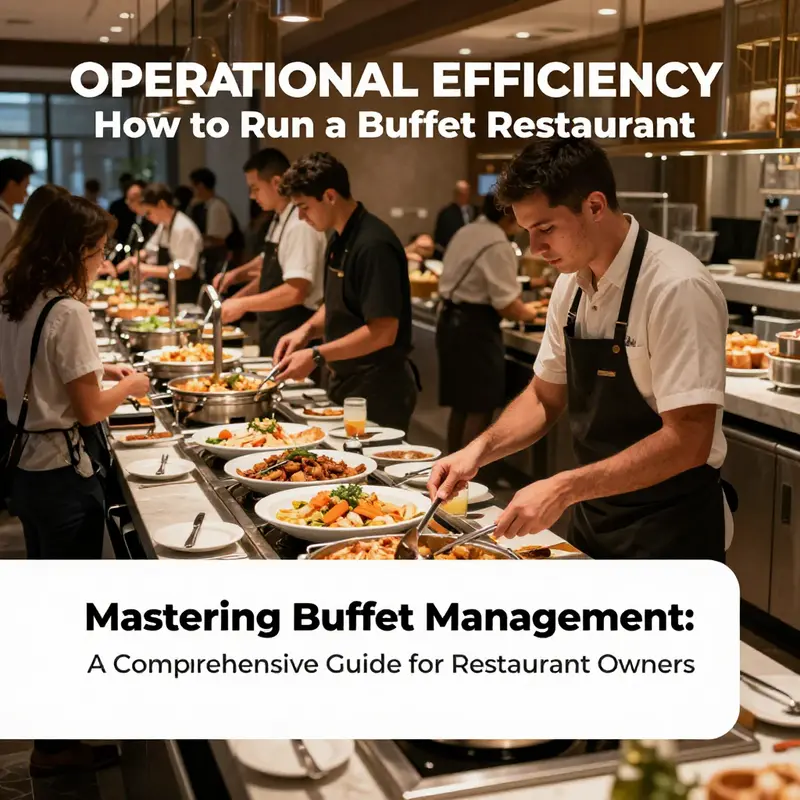
Operational efficiency is the quiet engine behind every successful buffet. It shapes not only how quickly guests can move through the line, but how consistently the food tastes, how clean the space feels, and how sustainable the business remains in the long run. When guests walk in, they notice the aroma first, the display second, and the pace of service third. What they rarely notice is how carefully the back-of-house and front-of-house systems are aligned to deliver a seamless experience. The most efficient buffet makes complexity look simple. It guides guests through a well-considered sequence, preserves the integrity of hot and cold items, and keeps replenishment calm rather than chaotic. The result is not merely faster turnover; it is a reliable promise of quality that guests can trust every visit.
A well-planned counter design does a great deal of the heavy lifting. The layout should invite a natural progression from appetizers to main courses to desserts, with clear sightlines and unobstructed access. Cold-bar and hot-bar zones must be distinctly separated to maintain food safety without slowing traffic. In practice, a chilled salad bar with glass barriers slows nothing and protects freshness; a hot food counter with well-sealed steam or heat sources keeps dishes at safe temperatures without constant fiddling. Such zoning is more than hygiene; it is a practical workflow that minimizes cross-traffic near stations and reduces the need for hurried, last-minute restocks. Staff can move in a clean, efficient rhythm—clearing tables, replenishing trays, wiping surfaces—without bombarding guests with interruptions. The counter becomes a working stage where guests see organization as part of the dining experience, not just a series of edible choices.
Equipment choice matters as much as layout. The right tools adapt to the volume and profile of the operation. Steam tables excel in maintaining even temperatures over long periods and support large, uninterrupted service, which is why many high-volume venues rely on them as the backbone of the buffet line. Chafing dishes, by contrast, offer portability and flexibility, ideal for events, seasonal rotations, or pop-up formats. The real trick is matching equipment to the restaurant’s specific needs: capacity, footfall patterns, and energy goals. Energy efficiency is not a luxury but a driver of cumulative savings. Regular maintenance—checking heating elements, monitoring refrigeration units, and ensuring seals are intact—prevents energy waste and reduces surprise downtime. A dining room that runs smoothly today is built on equipment that performs reliably tomorrow.
Inventory and labor management are intertwined. A core principle is forecasting that aligns supply with demand without turning every service into a guessing game. A disciplined approach to inventory reduces waste, lowers costs, and supports consistent quality. When chefs and managers forecast accurately, they can schedule prep and restocking tasks to coincide with peak times, rather than scrambling to fill gaps mid-service. The concept of a 90-minute seating policy, for example, can be a powerful driver of table turnover when implemented with sensitivity to guest experience. It creates a cadence for replenishment and cleaning, helping staff anticipate needs rather than react to chaos. Training programs that emphasize efficiency without sacrificing hospitality ensure each team member knows how to manage the buffet line, monitor temperatures, and maintain cleanliness with precision. The result is a calm, predictable system where guests feel cared for and staff feel capable.
Technology and data are not magic bullets, but they are accelerants. A modern operation can use point-of-sale data to identify items that drive profit and popularity, informing menu engineering and portioning decisions. Data reveals patterns: which dishes sell quickly, which items sit longer, and how guests respond to changes in layout or pricing. With this knowledge, managers can adjust the mix to emphasize high-margin items and rotate less profitable dishes out of the main line without compromising variety. The beauty of a data-informed approach is that it supports continuous improvement without requiring dramatic overhauls. Small, deliberate adjustments—like shifting a popular sauce to a more prominent station or revising a garnish to boost perceived value—can lift margins over time while maintaining guest satisfaction. Technology thus acts as a compass, guiding decisions that balance guest appeal with financial performance.
Beyond the mechanics, efficiency is also about preserving the guest experience. A dining space that feels rushed or disjointed undermines the very value a buffet promises: abundance without chaos. The path from entrance to table should feel effortless, not forced. Clear signage helps guests navigate the space without feeling overwhelmed. Adequate seating, soft lighting, and measured music create a rhythm that encourages guests to linger and enjoy the meal while still enabling turnover during busy periods. The staff’s role extends beyond replenishment to anticipation: recognizing when a guest might want a refill, clearing a plate with a courteous touch, guiding siblings toward a safe, accessible corner of the dining area. When efficiency respects comfort, it becomes hospitality rather than a cold optimization exercise.
A practical example of aligning operation with quality is in how menus and stations relate to the guest journey. The best buffet operators constantly balance breadth with depth. They maintain enough variety to satisfy diverse tastes and dietary needs—vegetarian options, gluten-free choices, and seasonal specialties—while ensuring the core items remain consistently high in taste and presentation. Menu management benefits from a steady cycle of feedback, both from sales data and direct guest comments. When a popular dish occasionally underperforms in taste or temperature, the team investigates immediately, adjusting prep steps, replenishment schedules, or holding temperatures to restore quality. The result is a system that keeps the menu lively and trusted at the same time.
To anchor this discussion in a tangible reference, consider a well-curated menu that aligns with operational realities. For a concrete example of how a renowned buffet organizes its offering, see the Royal Buffet menu. This reference illustrates how a thoughtful combination of counter design, equipment choice, and menu arrangement supports both guest satisfaction and profitability. Royal Buffet menu.
The chapters of a buffet’s success do not end with the plated dish. The surrounding ecosystems—cleanliness, safety, and humane staffing—form the frame that makes efficiency possible. Hygiene and safety stay non-negotiable, not because they look good on a checklist, but because they enable consistent quality and efficient operation. Sneeze guards, proper hot and cold holding temperatures (hot above 60°C or 140°F, cold below 4°C or 40°F), and regular unannounced inspections create trust with guests and protection for staff. A clean, well-organized dining room reduces slip hazards, allows quicker reset between seatings, and reinforces the discipline needed for efficient service. When safety becomes second nature to every team member, efficiency follows naturally, because it relies on predictable, repeatable processes rather than improvisation.
The art of efficient operation is thus a blend of design, equipment discipline, data-guided decision making, and human-centered hospitality. It is not a single adjustment but a series of coordinated choices that align space, tools, people, and information toward a common goal: to deliver an abundant, high-quality experience without sacrificing margin. When these elements synchronize, guests sense flow rather than friction. They encounter warmth in service, clarity in movement, and confidence that the buffet will sustain them—yet leave room for delight. In the end, operational efficiency is not about squeezing more plates onto a line; it is about creating a resilient system that supports flavor, safety, and service at every hour of the day.
Final thoughts
Successfully running a buffet restaurant is anchored in two vital pillars: food quality and operational efficiency. By offering diverse, high-quality menu items and executing streamlined operations with well-trained staff, restaurant owners can create memorable dining experiences that foster customer loyalty. Applying the strategies discussed in each chapter will empower you to elevate your buffet restaurant’s appeal, ensuring it stands out in a competitive market. Focus on these foundational aspects to not only thrive today but also lay the groundwork for long-term success.