
Tipping at buffet restaurants often puzzles both diners and business owners alike. Understanding how much to tip is crucial not only for maintaining good service relationships but also for ensuring customer satisfaction. Each buffet has a unique service style, influencing the appropriate amount to tip. In the following chapters, we will explore the different service levels at buffet restaurants, provide clear guidelines on tipping based on these levels, and delve into how tipping culture varies globally, creating a comprehensive overview of this important aspect of dining etiquette.
Tipping at Buffets: Judge the Service, Tip the Right Amount
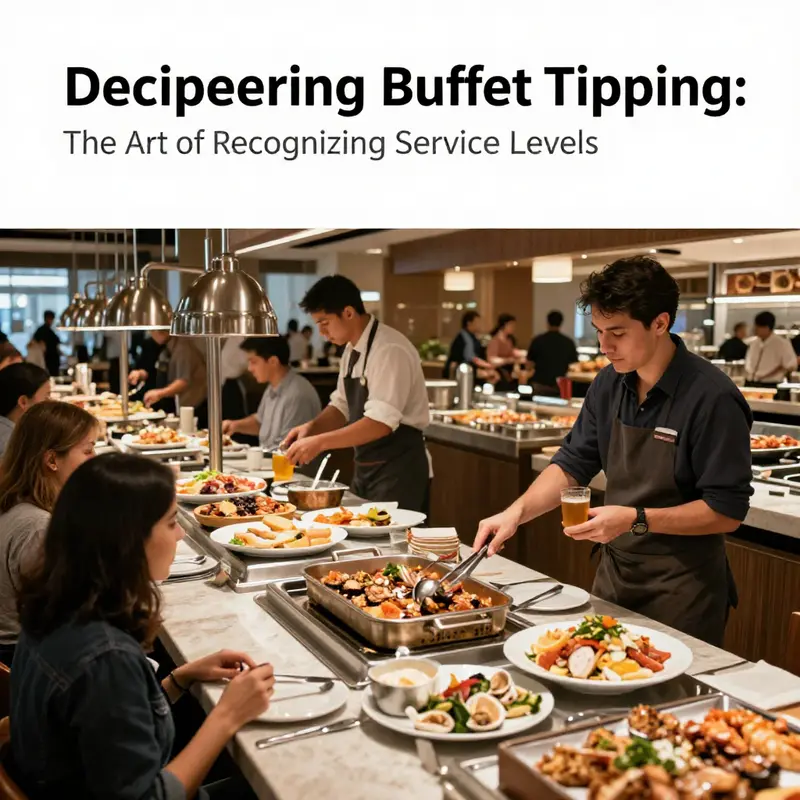
Reading the room: how service level determines your buffet tip
When deciding how much to tip at a buffet, the single best rule is simple: tip the service you receive, not the format of the meal. Buffets range from bare-bones self-serve setups to attentive, table-focused experiences. Observing what staff actually do for you will tell you whether a gratuity is appropriate and how large it should be.
At the most basic level, a self-serve buffet means you walk to food stations, fill your plate, and bus your own table. Staff might only seat you, toss a napkin your way, or refill a drink if asked. In these situations, tipping is generally not expected. If no one brings food, clears plates, or checks on you, a tip can feel unnecessary and even confusing to servers whose roles do not include table service.
A step up is the semi-assisted buffet. Here, staff clear plates between trips to the line, refill beverages regularly, offer sauces or sides, and sometimes deliver an item from behind a counter. That modest, ongoing attention makes a small gratuity appropriate. A good guideline is $1–$2 per person. This acknowledges visible effort without creating pressure. If more than one team member serves your table, that same small amount is typically sufficient; bussers and servers share duties, and a single pooled tip often reflects that.
Full-service buffet experiences resemble conventional dining. Waitstaff take drink orders, place food on your table, and provide attentive, personalized service throughout the meal. They may clear and reset plates frequently and handle special requests. For these situations, tipping should match what you would leave at a sit-down restaurant: generally 15–20% of the bill. If a gratuity is already included, confirm before adding more.
A few practical cues help you decide instantly. If a server greets you and takes drink or food orders at the table, treat the meal like a regular restaurant experience. If staff only clear plates or refill drinks occasionally, opt for a small per-person tip. If interactions are minimal, tipping is optional. Watch for posted notices. Many establishments disclose service charges or indicate when tips are pooled.
There are additional factors that change the math. Large parties often require more labor and coordination. If a server juggles many guests or accommodates special needs, consider tipping at the higher end of the suggested range. Conversely, if service is poor and the staff clearly underperformed, reduce or withhold the tip politely. For takeout buffets, tipping is typically not expected unless the staff provides exceptional help packing a large order.
When the bill mixes buffet and a la carte items, calculate the tip on the portion that involved table service. If the receipt separates items, use the full-service portion to compute a 15–20% tip. If the bill does not separate items, use your best judgment and lean toward tipping a modest amount if servers delivered significant attention.
International travelers should remember customs vary. In North America, tipping for semi-assisted or full-service buffets is common. In several European countries, service charges may be included, and small extra tips are appreciated but not mandatory. In parts of Asia and the Middle East, tipping often differs or is not expected. When in doubt, ask a staff member or look for signage indicating local practice.
Finally, think of tipping as feedback. It rewards visible effort and helps cover wages for staff who support your meal. A quick per-person tip for moderate service or a percentage for full service communicates appreciation fairly and clearly. If you want an example of a typical buffet menu layout to help gauge service levels, see the Royal Buffet menu for common offerings and service setups: https://royalbuffet.shop/royal-buffet-menu/.
For more on general tipping etiquette and how to calculate gratuities, this guide from a well-known etiquette resource is useful: https://emilypost.com/advice/tipping/.
Beyond the Buffet Line: Reading Service Levels to Guide Tipping at Buffet Restaurants
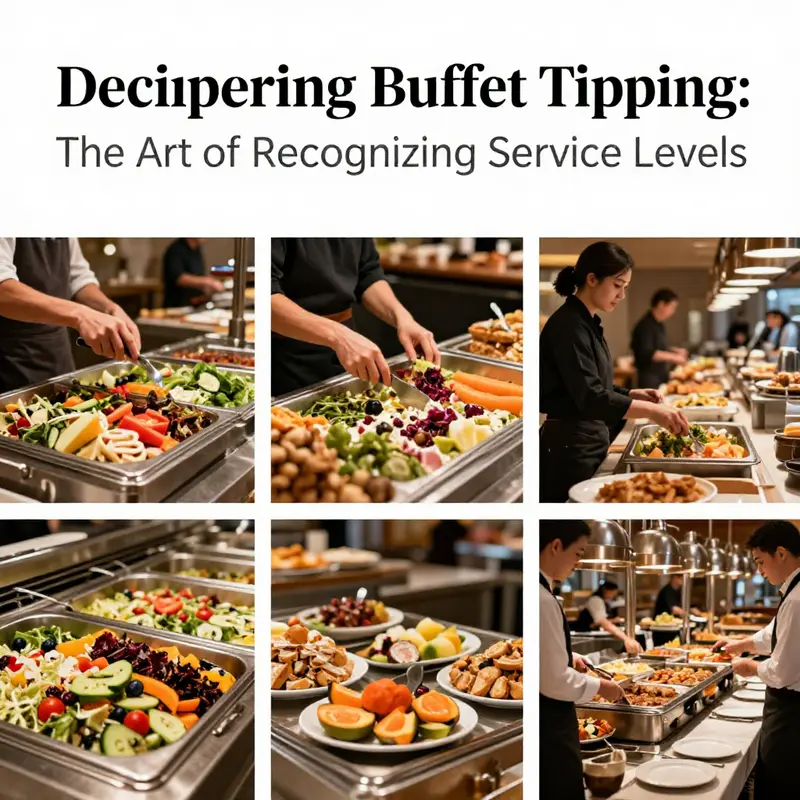
Tip etiquette at a buffet restaurant is not a fixed rule but a conversation between service, situation, and local custom. The buffet format itself signals a particular kind of labor for staff and a distinct experience for guests. In practice, the amount you tip should reflect the level of attention you actually receive, not the mere fact that you stood in line for your plate. The spectrum runs from self-serve lines to full-service experiences where waitstaff take orders and deliver plates. Understanding where you fall on that spectrum helps you avoid under or over-tipping and keeps your tipping aligned with fair labor expectations.
Self-serve buffets, with minimal direct service, are the most common. Think casual chains or hotel breakfasts where you decide what to put on your plate and you may only be seated or offered the occasional drink. In these environments, tipping is not typically expected. The price you pay for the meal is usually considered to include service, so gratuity is optional. If you notice staff who clear tables between shifts or refill drinks when you request it, a small gesture—such as $1–$2 per person—can acknowledge their effort without turning tipping into a rigid rule. This remains true even when you feel grateful for a courteous greeting or a quick seat.
Semi-assisted buffets bring a different rhythm. Servers may refill beverages regularly, clear plates after courses, or bring sides and sauces to the table. They may also answer questions about ingredients or help with special requests. When this moderate service is present, tipping is appropriate and expected in many settings. The commonly recommended range is $1–$2 per person. If a single server handles multiple tasks, that range still applies as a simple, fair acknowledgment of the added attention. In such moments, the act of tipping communicates appreciation for attention that goes beyond the act of serving yourself.
Full-service buffets, often found in luxury hotels, resort venues, or premium experiences, blur the line between a buffet and a traditional dining room. Waitstaff here may take drink orders, deliver courses to your table, and consistently reset and tidy your space. The service feels more like a conventional restaurant, and tipping follows the same norms. A typical guideline is 15%–20% of the total bill if the bill itemizes the service, or a per-person amount ranging from $2 to $5, depending on the level of attentiveness. It is worth noting that some cruise lines and other operators include a service charge in the price, so a double tip would be inappropriate. The core idea remains simple: if someone is actively serving you, they deserve compensation.
Beyond the dollar figures, regional and cultural norms shape the practice. In the United States and Canada, semi- and full-service buffets invite tipping as a recognition of service. In the United Kingdom and much of Europe, service charges are often included, and tipping tends to be smaller but still appreciated when the service is notably good. In many parts of Asia and the Middle East, tipping is not customary unless explicitly requested, so reading the setting matters. Hospitality expert Maria Thompson emphasizes that when service is involved—whether it’s clearing plates or bringing a fresh cup of coffee—it’s not just good manners, it’s fair compensation for workers. The aim is to balance a reasonable gratuity with transparency about the service provided and the establishment’s policy.
A practical rule of thumb is simple: if the staff serves you in a meaningful way, tip. If you mostly serve yourself, tipping is not required. If you’re unsure, ask or check the bill, because more venues are clearly communicating their expectations. To connect with this idea in a concrete way, consider looking at a local buffet’s menu and service model to gauge the level of hands-on service you can expect at that price point. For a menu-oriented reference, you can explore this link: Royal Buffet Menu. It provides a sense of how some buffets frame their offerings and service expectations, which can inform your tipping choice when you plan a visit.
As travelers cross borders, keeping etiquette aligned with local rules helps avoid awkward moments. For consistent, up-to-date guidance, consult official hospitality resources such as the American Hotel & Lodging Association, which offers etiquette tips and travel guidance pertinent to tipping. External resource: https://www.ahla.com/tips-and-travel-etiquette
Tipping Around the World: How Much to Leave at Buffet Restaurants
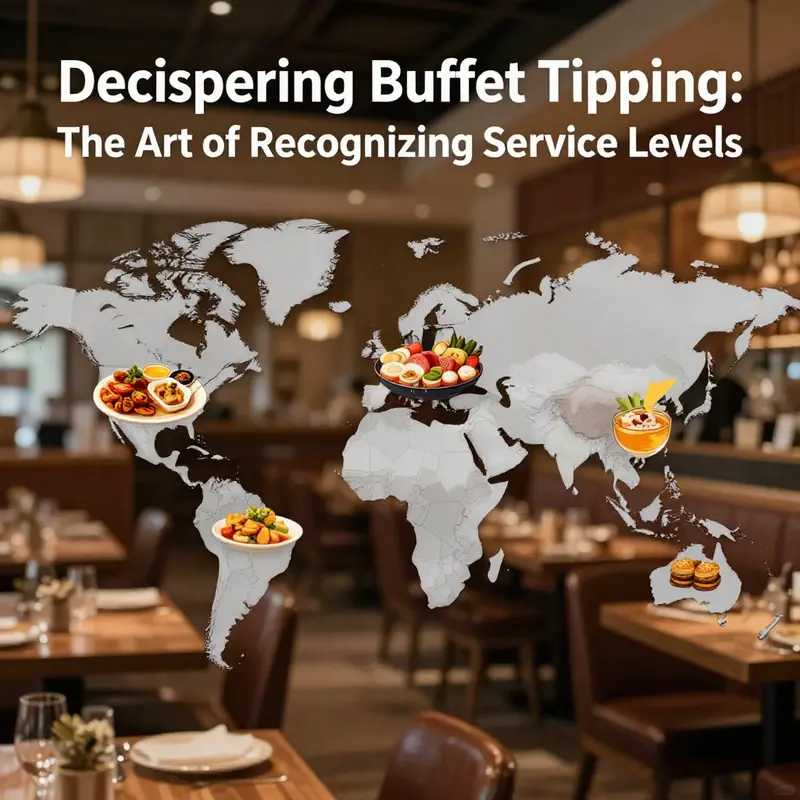
Tipping at a buffet is rarely about buffet mechanics alone. It’s about people, culture, and the level of service you receive. Across countries, what feels polite in one place can be unnecessary or even awkward in another. This chapter walks through global tipping practices for buffets, helping you decide how much to leave without second-guessing social norms.
Start by assessing the service you received. If you carried your own plate, poured your own drink, and cleared your own spot, most places do not expect a tip. In countries where service is included in wages or added as a mandatory charge, tipping minimal or nothing is normal. Conversely, if staff seat you, bring drinks, clear plates, or deliver dishes, a small gratuity is appropriate. The principle is simple: tip for personal service, not for self-service.
In North America, tipping culture is broad and well established. For semi-assisted buffets—where someone refills drinks, clears plates, or attends to requests—leave a small gratuity. A common practice is $1–$2 per person for moderate service. If servers take orders or deliver food, treat it like a full-service meal and tip around 15%–20% of the bill, or $2–$5 per person if that feels simpler. In many restaurants, tipping remains discretionary but expected when staff offer active help.
In the United Kingdom and much of continental Europe, tipping is more restrained. Many venues include a service charge on the bill. When that occurs, adding more is unnecessary. If no service charge appears and staff were particularly helpful, rounding up or leaving €1–€2 per person is a polite gesture. In parts of Europe where service workers earn living wages and gratuities are uncommon, a tip may be seen as an extra thank-you rather than a duty.
In parts of Asia, tipping rules vary widely. In Japan, tipping is generally not practiced and can cause confusion. In other Asian countries, small tips are appreciated but not required. Many upscale hotels and international buffets may add a service charge. Always scan your bill first. When traveling in Asia, observe local diners and ask discreetly if you’re unsure.
The Middle East and Latin America both show mixed practices. Some countries in the Middle East do not expect tips, while others accept modest amounts for good service. In Latin America, tipping customs vary by country and city. A small percentage or a few local currency units per person is often sufficient. The key is to consider local wages and norms. If a service charge is included, additional tipping is optional and usually reserved for exceptional service.
Cruise ships and luxury hotels present a different calculus. Many cruise lines and premium hotels automatically include gratuities on bills. Check menus and your final statement carefully. If service charges are already included, extra tipping is discretionary and typically reserved for extraordinary service. When staff personally take orders or provide table service within a buffet environment, treat them like regular servers and tip accordingly.
Practical tips for travelers: first, inspect the bill for included service charges. Second, observe local behavior or ask the host or a staff member about expected practice. Third, carry small bills or local coins for quick tips. Cash can be useful for directly rewarding a busser or someone who helped with a special request. If you pay by card, note whether the receipt has a line for tip and whether the restaurant splits gratuities among staff.
When multiple staff assist you—such as a server plus a busser—one modest tip per table generally suffices. You don’t need to tip every individual unless someone provided standout service. Where cultural expectations are strict or tipping is unfamiliar, a sincere verbal thank-you can also communicate appreciation.
One place to check before dining is the venue’s menu or website for notes on service or added charges. For example, review the Royal Buffet menu when planning a visit to see whether service is included or described. That small step helps you plan an appropriate tip and avoid awkwardness.
Ultimately, tipping at a buffet should reflect both the level of personal service and the culture you’re visiting. If in doubt, err on the side of polite modesty rather than omission. For a concise global guide to tipping norms, see this resource from BBC Travel: https://www.bbc.com/travel/article/20240319-global-tipping-etiquette-traveler-guide
Final thoughts
Understanding the nuances of tipping at buffet restaurants fosters better service relationships and enriches customers’ dining experiences. By recognizing the varying levels of service—from self-serve to full assistance—you can provide appropriate gratuities that reflect the service received. As global dining experiences continue to combine cultures, being informed about these tipping guidelines will ensure that you maintain a respectful and conscientious approach, enhancing your interactions with customers and staff alike.